
 By admin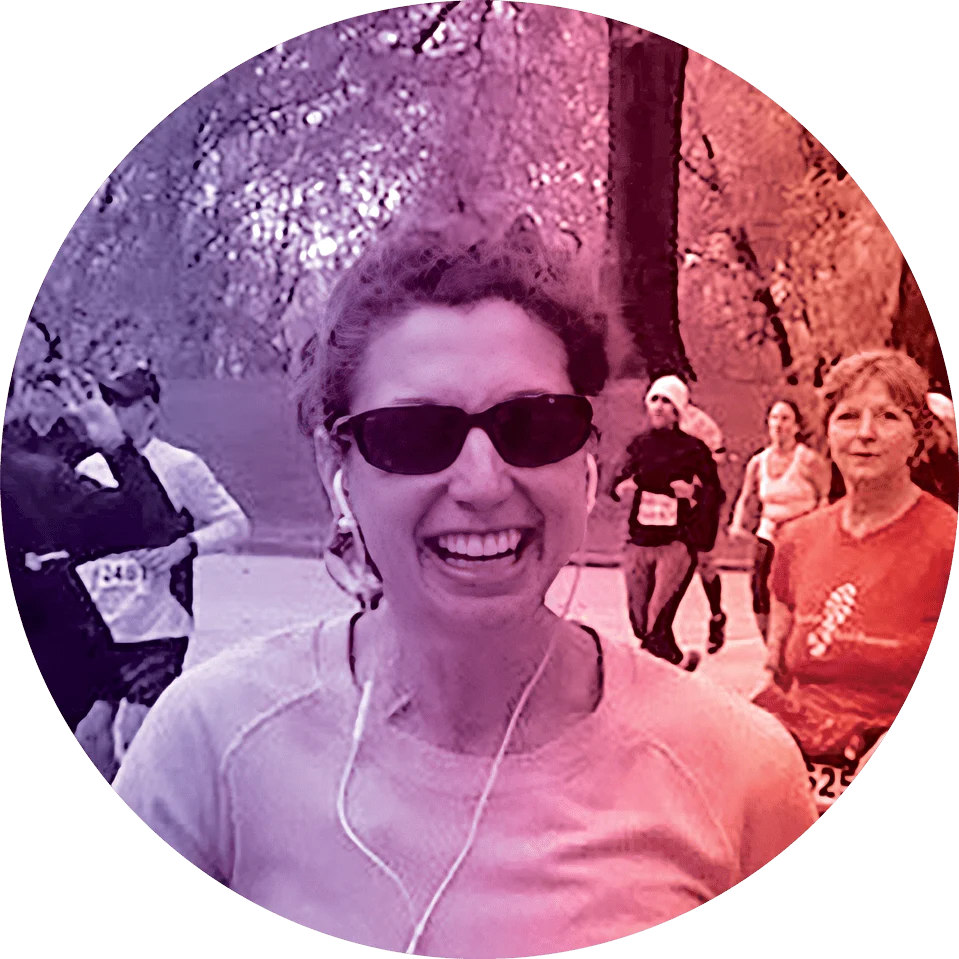
As World Cancer Support Month draws attention to the profound impact of collective strength in the face of illness, the Cancer Research Institute (CRI) highlights the indispensable "villages" that rally around patients, emphasizing that no individual confronts cancer in isolation. This annual observance serves as a crucial reminder that beyond the direct medical interventions, a complex web of support—encompassing family, friends, healthcare professionals, community members, and even researchers—plays a pivotal role in navigating the arduous cancer journey. These networks provide not only emotional sustenance but also practical assistance, informational guidance, and the vital hope that fuels perseverance against daunting prognoses. The stories of five survivors—Dana Deighton, Oswald Peterson, Jeff Atkinson, Jenney Bitner, and Gordon Levine—powerfully illustrate the transformative impact of this multifaceted support, often intertwined with the life-altering potential of modern cancer treatments, particularly immunotherapy.
The Indispensable Role of the Patient’s ‘Village’
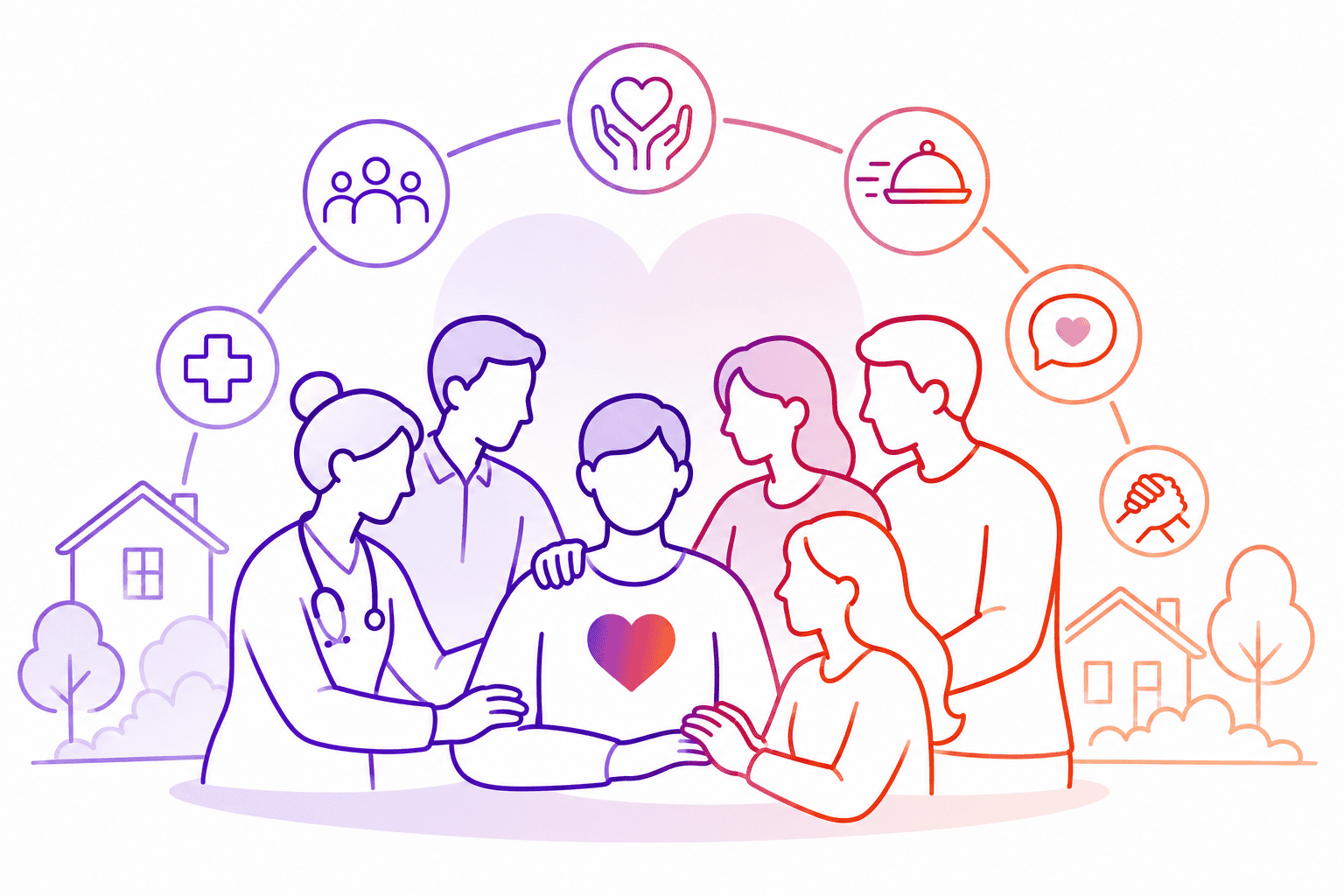
The concept of a "patient’s village" extends far beyond immediate family, encompassing a diverse array of individuals whose contributions, whether grand or subtle, collectively create a formidable support system. This network includes the tireless efforts of primary caregivers who manage daily needs and emotional strains, medical teams who navigate complex treatment protocols and provide compassionate care, and community members who offer practical aid ranging from meal trains to transportation. Even strangers, often through online support groups or advocacy organizations, can become integral parts of this village, offering shared experiences and invaluable encouragement.
Data consistently underscore the critical importance of social support in cancer care. Studies published in journals like Cancer and Psycho-Oncology demonstrate that patients with strong social support networks often report higher quality of life, better adherence to treatment regimens, and reduced psychological distress, including depression and anxiety. Conversely, social isolation is linked to poorer outcomes and increased mortality rates. Caregivers, the unsung heroes of many cancer journeys, face their own significant challenges, including burnout, financial strain, and emotional exhaustion. The American Cancer Society reports that millions of Americans serve as informal caregivers for cancer patients, often dedicating countless hours to their loved ones’ care, highlighting the immense societal contribution of these support networks. World Cancer Support Month aims to shine a light on these often-overlooked pillars of strength, fostering greater appreciation and advocating for resources to support both patients and their caregivers.
Advancements in Cancer Treatment: The Immunotherapy Revolution
Central to many of the survivor stories featured by CRI is the role of immunotherapy, a revolutionary approach that harnesses the body’s own immune system to fight cancer. Unlike traditional chemotherapy or radiation, which directly attack cancer cells, immunotherapy re-educates the immune system to recognize and destroy malignant cells. This paradigm shift in oncology has transformed the landscape for many advanced cancers that previously had limited treatment options.
The development of checkpoint inhibitors, a class of immunotherapy drugs, represents a significant breakthrough. Drugs like nivolumab and ipilimumab, frequently mentioned by the survivors, work by blocking proteins that prevent the immune system from attacking cancer cells, thereby "releasing the brakes" on the immune response. Clinical trials for these therapies began to show promising results in the early 2010s, leading to FDA approvals for various cancers, including melanoma, lung cancer, and esophageal cancer. The sustained responses seen in many patients treated with immunotherapy, even those with advanced disease, have opened new avenues for long-term survival that were once unimaginable. While not universally effective and often accompanied by unique side effects, immunotherapy continues to evolve, offering renewed hope to patients facing aggressive cancers.
Survivor Stories: Resilience Forged in Community
The Cancer Research Institute’s initiative brings to the forefront the powerful narratives of individuals who have defied their diagnoses, often crediting both cutting-edge medical science and the unwavering support of their respective "villages."
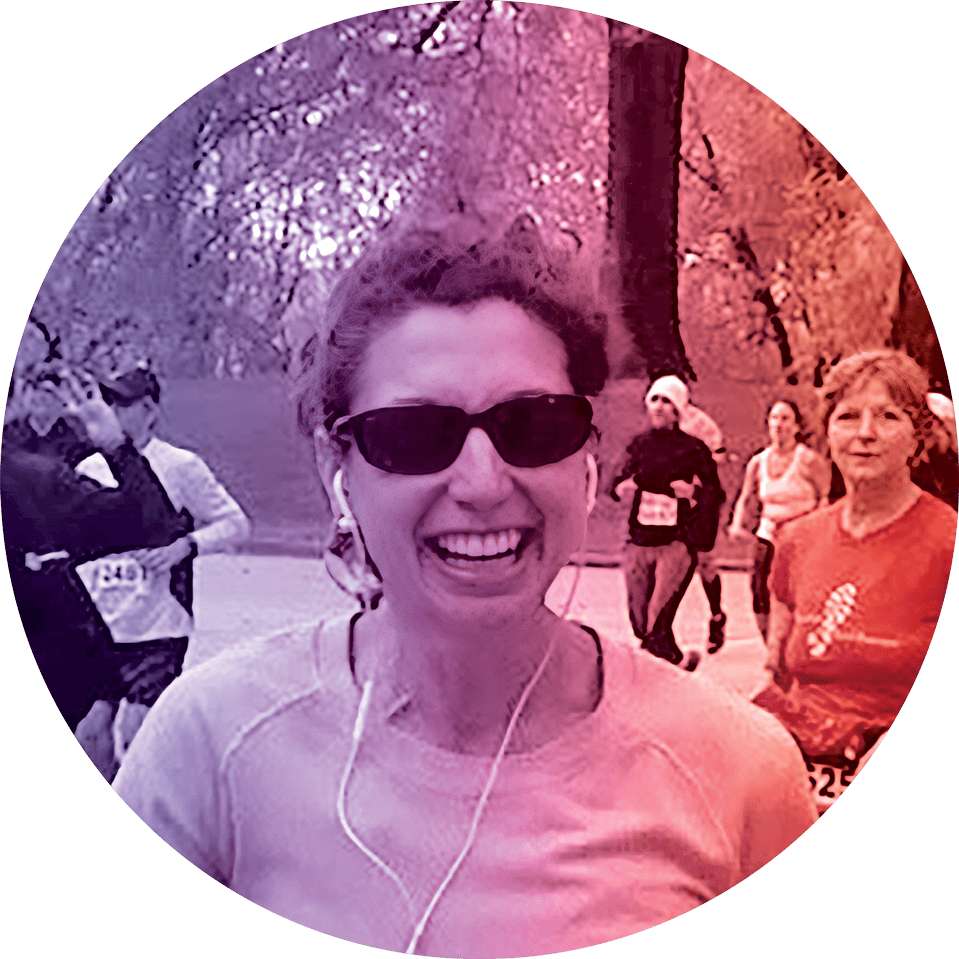
Dana Deighton, Stage 4 Esophageal Cancer Survivor
Dana Deighton’s journey through stage 4 esophageal cancer exemplifies remarkable determination and the profound impact of a dedicated support system. Diagnosed with an aggressive form of cancer, Dana was initially presented with a bleak prognosis. However, her resolve to explore every possible avenue led her to a crucial ally: a nurse coordinator. This professional, navigating the complex bureaucratic hurdles of insurance and healthcare systems, became a steadfast advocate. Dana recounts, "She stayed with me for the rest of my treatment, and to this day, I still send her a Christmas card because she really moved mountains and made things happen." This anecdote underscores the critical, often unseen, role of healthcare professionals who extend their duties beyond clinical care to provide essential logistical and emotional support.
Dana’s village expanded further when a friend connected her to a specialist, injecting much-needed hope into her challenging situation. This connection ultimately led to an aggressive treatment plan, including a grueling 15-hour surgery that initially rendered her disease-free. When the cancer recurred a year later, her medical team, embodying the innovative spirit of oncology, proposed immunotherapy. Dana’s tumor proved highly responsive, and through a compassionate use program, she received the treatment that ultimately eradicated the remaining cancer. Today, Dana is disease-free and has come full circle, now mentoring other cancer patients, transforming her personal triumph into a source of collective strength and demonstrating the ripple effect of empathetic support.
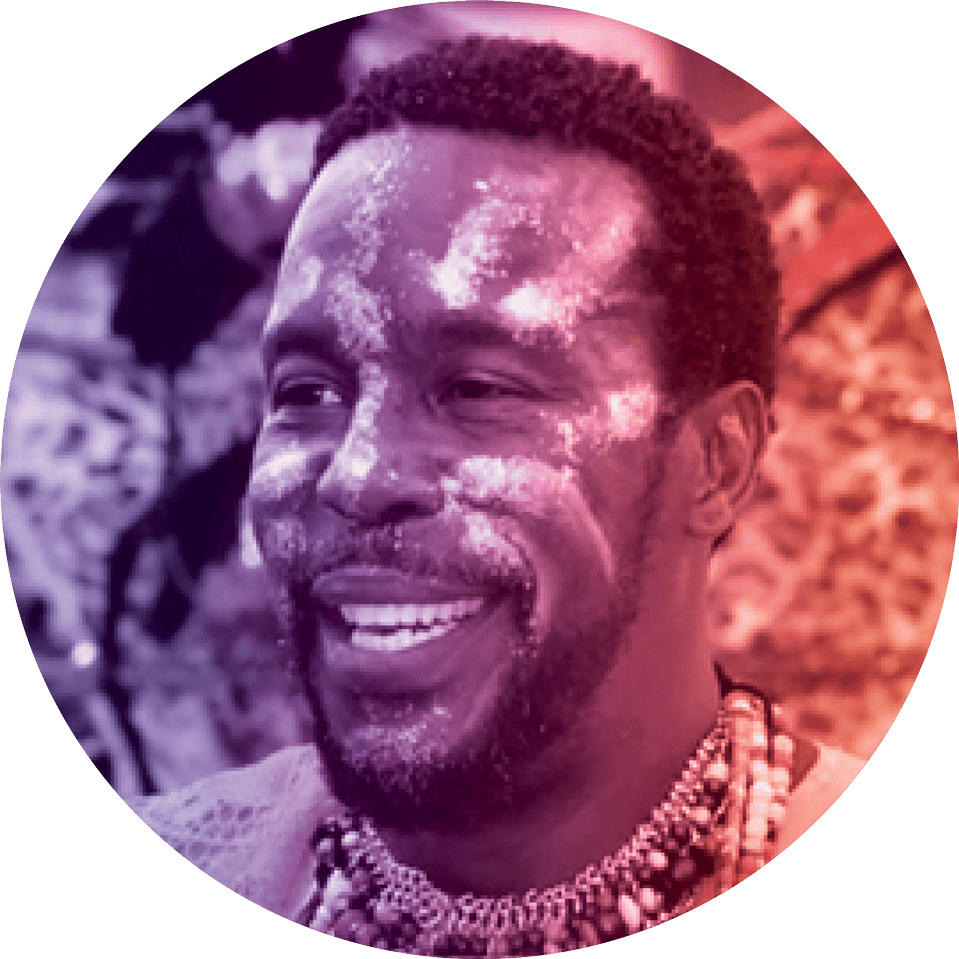
Oswald Peterson, Stage 4 Lung Cancer Survivor
Oswald Peterson’s battle with stage 4 lung cancer unfolded during a period of profound personal loss, following the deaths of both his mother and his longtime partner. His diagnosis, stemming from severe pain and respiratory distress, left him feeling isolated. Yet, it was through this crucible that an extraordinary network of support revealed itself. His oncologist, Dr. Catherine Shu, introduced him to immunotherapy, a treatment that proved life-saving, allowing him to reclaim cherished aspects of his life, including his passion for dancing in Trinidad’s vibrant Carnival.
As an only child, Oswald had cultivated a "chosen family" through deep and enduring friendships, some spanning over 45 years. These friends mobilized in an astonishing display of solidarity. During his hospitalization, they organized a continuous vigil, ensuring someone was always by his side, reciprocating the encouragement he had so often offered them. Upon his return home, their care extended to practical support, including cleaning his home, preparing healthy meals, and assisting with daily tasks. Oswald reflects, "It was really, really special to know that there are people in your life who appreciate you that way, that they step up when you truly need them." His story powerfully illustrates that while medical treatment saves lives, the human connection—the presence, practical aid, and unwavering affection of one’s community—provides the essential healing, strength, and hope necessary to navigate and ultimately transcend a cancer diagnosis.
Jeff Atkinson, Stage 4 Mucosal Melanoma Survivor
In October 2016, Jeff Atkinson received a devastating diagnosis: stage 4 mucosal melanoma, a rare and aggressive form of cancer with a grim prognosis. The initial news offered no cure, a crushing blow for Jeff and his family. However, his oncologist, Dr. Justin Favero, tempered this despair with a crucial glimmer of hope: promising new treatments, including immunotherapy, were emerging. This immediate introduction to potential solutions, even in the face of a challenging diagnosis, provided a critical anchor for Jeff and his loved ones.
Initially unfamiliar with immunotherapy, Jeff embarked on a treatment regimen involving the checkpoint inhibitors nivolumab and ipilimumab, which work by activating the immune system to target cancer cells. The journey was not without its difficulties; Jeff experienced a significant rash, necessitating a temporary halt in treatment. However, his dedicated care team expertly managed the side effects, allowing him to resume therapy. A year after his diagnosis, in November 2017, Jeff received the news he had ardently hoped for: he was cancer-free. His conviction is clear: "Without a shadow of a doubt, immunotherapy saved my life." As he approaches his 10-year mark since diagnosis this October, Jeff actively shares his experience, becoming a powerful voice in the patient community, advocating for the potential of cancer immunotherapy, and offering guidance to those who follow in his footsteps.
Jenney Bitner, Stage 4 Melanoma Survivor
Jenney Bitner’s cancer journey began with alarming symptoms during her 22nd week of pregnancy, initially misattributed to her condition. A subsequent scan revealed a large brain tumor, precipitating two brain surgeries, the premature birth of her son, and a diagnosis of stage 4 metastatic melanoma that had spread aggressively throughout her body. Facing such overwhelming challenges, Jenney commenced immunotherapy with ipilimumab and nivolumab. Remarkably, after only four infusions, scans showed no evidence of disease, and she was declared in remission in January 2021, a status she maintains today.
Throughout this harrowing period, Jenney was enveloped by an extraordinary support system. Her husband was a constant presence, accompanying her to appointments, helping her process complex medical information—a vital role given the cognitive challenges she faced post-brain surgery. Nurses extended their care beyond Jenney, providing education and reassurance to her anxious family. Neighbors, church members, friends, and even individuals she had never met rallied with overwhelming generosity, supplying meals for nearly a year, assisting with childcare, and gathering essential provisions for her newborn son. Jenney’s poignant advice resonates with many: "If someone needs help, just do something. Don’t even ask what they need, because they need everything. Just find something and do it. You’ll make a world of difference." Her experience vividly illustrates that acts of kindness, however seemingly small, can be profoundly impactful, transforming a period of extreme vulnerability into one sustained by collective compassion.
Gordon Levine, Stage 4 Colorectal Cancer Survivor
Gordon Levine’s protracted battle with cancer began in 2014 with a stage 3 colon cancer diagnosis. Despite initial surgery and chemotherapy, his cancer repeatedly returned, eventually escalating to stage 4 and metastasizing to his abdomen, liver, lungs, and bones. After an immunotherapy clinical trial concluded due to severe side effects and continued disease progression, Gordon found himself with dwindling options. A pivotal second opinion with Dr. Aaron Miller at UC San Diego proved life-changing. Instead of viewing Gordon’s previous adverse reaction as a failure, Dr. Miller astutely interpreted it as evidence of an immune response, suggesting that immunotherapy warranted another attempt. This discerning perspective highlights the critical role of experienced medical professionals in re-evaluating complex cases and identifying alternative pathways.
Gordon subsequently began treatment with ipilimumab and nivolumab. Within four treatments, his tumor markers plummeted, and subsequent scans delivered astonishing news: his tumors were "melting away." In 2021, surgery removed the last trace of disease, and in 2026, Gordon proudly celebrated five years of being cancer-free. As his focus shifted from mere survival to thriving as a long-term survivor, advocacy and community engagement became central to his journey. Through a CRI patient conference, he connected with fellow patients, survivors, families, and physicians, initiating the process of sharing his powerful story. "I sat on the patient panel, and it was an amazing day just to meet the other survivors and patients and their families and the doctors, and to start to tell my story," he recounts. For Gordon, giving back is an intrinsic part of survivorship, offering a means for patients to discover new purpose, amplify their voices, and provide crucial support to others navigating similar paths. He also champions greater attention to the unique challenges faced by caregivers and the growing community of long-term survivors, advocating for comprehensive support systems that extend well beyond active treatment.
Broader Implications and the Path Forward
The narratives presented by the Cancer Research Institute during World Cancer Support Month offer invaluable insights into the evolving landscape of cancer care. They underscore that while medical breakthroughs, particularly in immunotherapy, are extending and saving lives, the human element—the "village"—remains an irreplaceable component of healing and recovery.
The increasing number of long-term cancer survivors presents both triumphs and new challenges. These individuals often face unique late effects of treatment, including chronic pain, fatigue, cognitive impairment, and psychological distress. Financial toxicity, stemming from treatment costs and loss of income, can also be a significant burden. Addressing these issues requires a holistic approach to survivorship care, integrating mental health support, rehabilitation services, and financial counseling into standard protocols. Policy makers and healthcare systems must adapt to the growing needs of this survivor population, ensuring continued access to care and resources.
Furthermore, the stories highlight the ongoing need for robust investment in cancer research. The breakthroughs in immunotherapy, which have transformed the prognoses for patients like Dana, Oswald, Jeff, Jenney, and Gordon, are the direct result of decades of dedicated scientific inquiry and clinical trials. Continued funding for basic and translational research is essential to uncover new targets, develop more effective and less toxic therapies, and extend the benefits of personalized medicine to a broader range of cancers and patients.
Finally, World Cancer Support Month serves as a powerful call to action for every individual. It reminds us that empathy, compassion, and practical assistance are not merely acts of kindness but integral components of comprehensive cancer care. Whether it is a family member offering a ride, a neighbor delivering a meal, a nurse coordinating complex logistics, a doctor pursuing innovative treatments, or a researcher making a groundbreaking discovery, every contribution reinforces the idea that cancer, while deeply personal, need not be faced alone. As these stories attest, when we collectively show up for people with cancer, we become an indelible part of their journey, contributing to their resilience, recovery, and ultimately, their triumph.
