
 By Budi Oetomo Narendra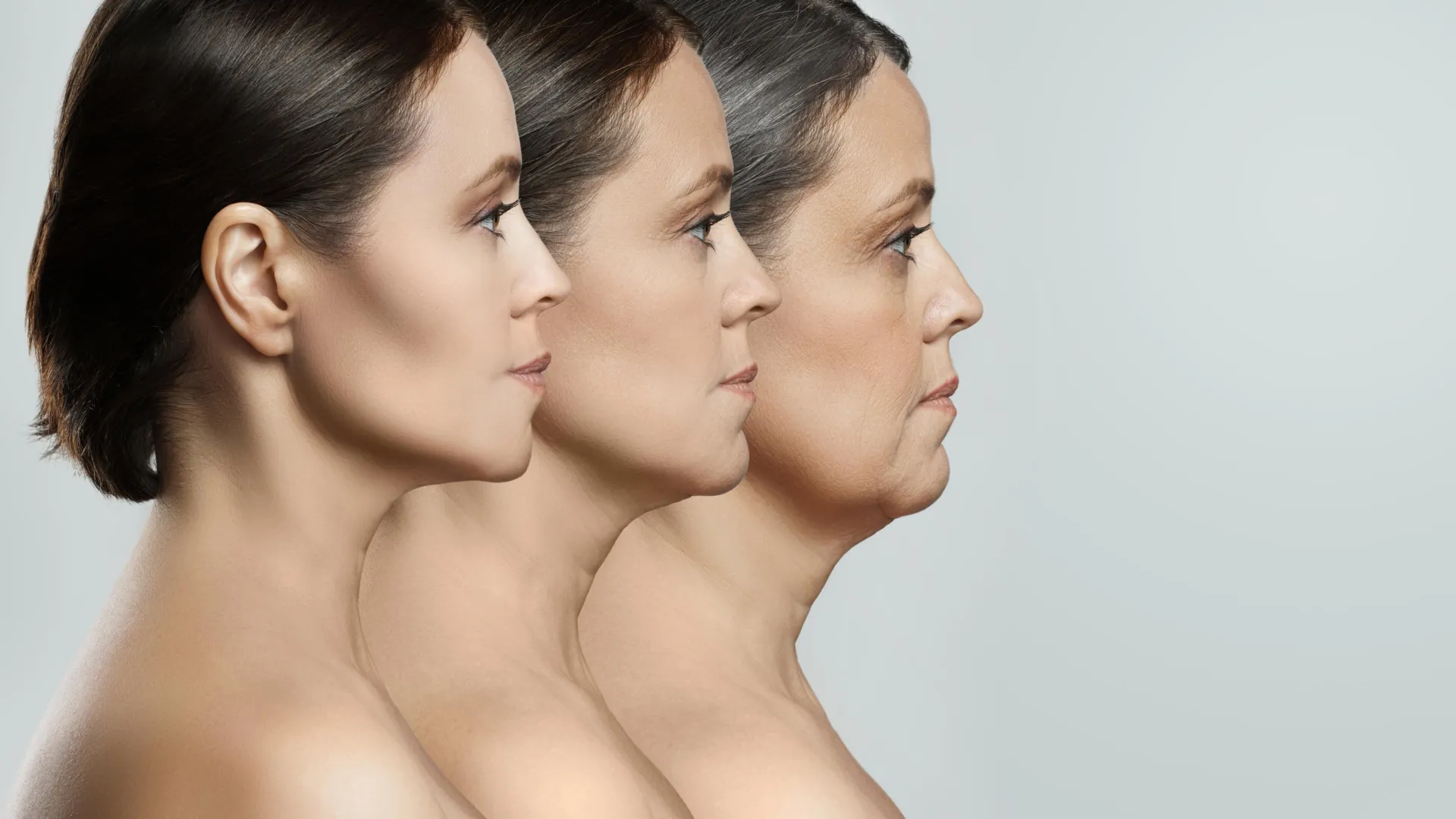
The intricate dance between aging and cancer has long been understood, with chronological age serving as a primary risk factor for tumor development. The longer a person lives, the greater the cumulative cellular damage, increasing the likelihood of malignant transformation. However, a disquieting trend has emerged in recent decades: an increasing incidence of cancer diagnoses in younger adults, with each successive generation appearing to face a higher risk than its predecessors. This alarming shift has prompted a fundamental question among researchers: Are younger generations experiencing accelerated biological aging, leading to a quicker accumulation of damage and, consequently, an earlier onset of cancer?
A groundbreaking study led by researchers at Washington University School of Medicine in St. Louis has provided compelling evidence suggesting that this provocative possibility may indeed be unfolding. Their findings indicate that younger generations are biologically aging at a more rapid pace compared to older generations when assessed at comparable chronological ages. Crucially, this accelerated biological aging was found to be directly associated with an elevated risk of early-onset cancers, typically defined as those diagnosed at age 55 or younger. This research, published in the esteemed journal Nature Medicine, marks a significant step toward understanding the enigmatic rise of cancer in younger populations and offers new avenues for early detection and prevention.
The Growing Shadow of Early-Onset Cancers
For decades, cancer was largely considered a disease of older age. Yet, a growing body of epidemiological data paints a different picture. Across various cancer types, including colorectal, breast, pancreatic, and certain gastrointestinal cancers, incidence rates among adults under 50 have been steadily climbing. For instance, data from the National Cancer Institute (NCI) and other global health organizations show a concerning increase in colorectal cancer rates among individuals under 50, a trend that defies traditional understanding of the disease’s progression. This rise is not attributable solely to improved screening, as advanced-stage cancers are also being diagnosed more frequently in this younger demographic.
This persistent upward trend has fueled an urgent scientific inquiry into its underlying causes. While lifestyle factors such as rising obesity rates, increased alcohol consumption, sedentary behavior, and dietary changes have been implicated, no single factor has fully explained the breadth and magnitude of this global phenomenon. The hypothesis of accelerated biological aging offers a broader, more integrated framework, suggesting that various environmental and lifestyle exposures might collectively conspire to age the body’s systems prematurely.
Unraveling the Distinction: Chronological vs. Biological Age
To comprehend the study’s implications, it is essential to distinguish between chronological age and biological age. Chronological age is a straightforward measure of how many years a person has been alive. It is a fixed, unchangeable number. Biological age, by contrast, is a dynamic metric that reflects the physiological condition of an individual’s body, independent of their birth date. It assesses how old the body appears at a cellular, tissue, organ, and metabolic level. A person’s biological age can be younger or older than their chronological age, depending on a multitude of genetic, lifestyle, and environmental factors.
Scientists use various biomarkers and algorithms, often referred to as "epigenetic clocks" or "biological age clocks," to estimate biological age. These tools analyze measurable changes in cells, such as DNA methylation patterns, telomere length, and levels of specific proteins or metabolites. A higher biological age relative to chronological age, often termed "accelerated aging" or "age acceleration," indicates that the body is experiencing physiological wear and tear at a faster rate than expected. The Washington University study leveraged sophisticated methodologies to quantify this crucial difference, revealing a concerning generational gap.
The Study’s Design: A Comprehensive Look at Aging
The research team, co-led by Dr. Yin Cao, a molecular epidemiologist and associate professor of surgery and medicine at WashU Medicine, embarked on this extensive investigation as part of Team PROSPECT, a collaborative effort under the Cancer Grand Challenges initiative. Cancer Grand Challenges is a global funding initiative co-founded by Cancer Research UK and the National Cancer Institute, designed to unite scientists from diverse disciplines and countries to tackle the most formidable problems in cancer research, including the mystery of early-onset cancers.
To investigate the hypothesis of accelerated aging, the researchers analyzed an enormous dataset comprising over 154,000 young adults enrolled in the UK Biobank. This comprehensive resource contains extensive biological, health, and lifestyle information, providing a rich foundation for epidemiological studies. To validate their findings and ensure generalizability, the team also examined data from more than 10,000 participants in the United States, drawn from the National Institutes of Health’s (NIH) All of Us Research Program, an ambitious initiative aiming to build a vast health database of over 1 million Americans.
Measuring the Pace of Life: Systemic and Organ-Specific Aging
The researchers employed a multi-faceted approach to quantify biological aging, examining it at both systemic (body-wide) and organ-specific levels. For systemic aging, they utilized established and validated methods like PhenoAge and the Klemera-Doubal Method. PhenoAge, for instance, relies on nine blood biochemistry markers that are indicative of overall physiological health and aging. These markers include albumin (a liver protein), creatinine (a kidney waste product), glucose, C-reactive protein (an inflammatory marker), lymphocyte percentage, mean corpuscular volume, red cell distribution width (RDW), alkaline phosphatase, and white blood cell count. By analyzing patterns and levels of these markers, PhenoAge provides a robust estimate of an individual’s biological age. The study also incorporated a metabolomic age score, designed to capture age-related changes in a person’s metabolism, adding another layer of precision to their systemic aging assessment.
For organ-specific aging, the team delved into blood proteomic data. This involved measuring the levels of numerous proteins circulating in the blood that are specifically associated with the health and function of individual organ systems. By analyzing these protein patterns, the researchers could estimate the biological age of distinct organs or biological systems, such as the immune system or adipose (fat) tissue. This granular approach allowed them to identify if certain organ systems were aging disproportionately faster than others.
The team then calculated the average difference between biological age and chronological age within each birth cohort (groups of people born in specific timeframes). They subsequently used standard deviation, a statistical measure of how dispersed data points are around an average, to quantify how much each generational group’s accelerated aging profile deviated from the overall study average.
Generational Shifts: Younger Bodies, Older Profiles
The findings revealed a stark generational divide in biological aging, consistently observed in both the UK and U.S. study populations. Among UK participants, individuals born between 1965 and 1974 exhibited systemic aging that was 23% of one standard deviation higher than those born between 1950 and 1954, even after meticulously accounting for their chronological age. In simpler terms, when comparing individuals from these different birth cohorts at the same chronological age, members of the younger generation tended to display a biological profile that appeared physiologically older.
The generational difference was even more pronounced in the U.S. data. Participants born between 1990 and 1999 showed systemic aging that was an astonishing 92% of one standard deviation higher than those born between 1965 and 1969. This substantial difference underscores a rapid acceleration in biological aging across successive generations in the U.S., pointing towards potentially impactful shifts in environmental or lifestyle exposures over a relatively short period.
The Direct Link: Faster Aging and Early-Onset Cancer Risk
The researchers then rigorously investigated whether these observed differences in biological aging were directly connected to cancer risk. Their analysis revealed a significant association: greater systemic aging in the younger groups was linked to an 8% increased risk of early-onset solid cancers. This heightened risk was particularly strong for lung, gastrointestinal, and uterine cancers, echoing the rising incidence rates of these specific malignancies in younger adults.
Further stratification of participants into three groups based on their level of systemic aging illuminated an even clearer pattern. Individuals exhibiting the most advanced systemic aging faced a 15% increased risk of early-onset solid cancer compared to those with the least advanced aging. Crucially, this association remained robust even after the researchers meticulously accounted for inherited genetic cancer risks and known genetic susceptibilities to accelerated aging. This finding strongly suggests that factors beyond inherited genetics are playing a significant role in driving this trend.
The organ-specific aging analysis provided even more nuanced insights. An immune system that appeared biologically older than its chronological age was significantly associated with a higher risk of early-onset lung cancer. Similarly, advanced adipose (fat) tissue aging was strongly linked to an increased risk of early-onset colorectal cancer. These specific connections offer valuable clues about the biological pathways through which accelerated aging may contribute to particular cancer types.
Implications for a New Era of Prevention and Early Detection
The implications of these findings are profound, holding the potential to revolutionize cancer prevention and early detection strategies. As Dr. Yin Cao articulated, "Our ultimate goal is to decode how modern environments become biologically embedded to drive cancer risk, transforming prevention from broad recommendations to personalized interventions. This brings us closer to identifying risk earlier and developing prevention strategies that are tailored to an individual’s biology."
The ability to measure accelerated biological aging could eventually equip doctors with a powerful tool to identify younger individuals who face an unusually high cancer risk long before symptoms manifest. This proactive identification could enable the initiation of targeted prevention strategies or more intensive, earlier screening protocols for those who would benefit most. For example, individuals identified with an older biological age or specific organ-system aging patterns could receive personalized lifestyle interventions, dietary counseling, or earlier diagnostic screenings for relevant cancer types.
Such a paradigm shift would move cancer care away from reactive treatment and towards proactive prevention, focusing on stopping the disease before it even begins. It underscores the potential for a new era of personalized medicine where interventions are precisely matched to an individual’s unique biological risk profile, rather than relying solely on population-wide age-based guidelines.
Searching for the Root Causes: Environment, Lifestyle, and Societal Shifts
While the study meticulously established the link between accelerated biological aging and early-onset cancer, the critical next step involves understanding the drivers of this rapid aging. Dr. Cao’s team has previously investigated numerous factors that can influence cancer risk over a person’s lifetime, including obesity, metabolic dysregulation, alcohol consumption, sedentary behavior, poor diet quality, and even cesarean delivery. While each of these factors provides valuable clues, none alone fully explains the comprehensive generational trend.
The current research suggests that these individual factors, alongside potentially other unidentified environmental and societal influences, may be working in concert to accelerate biological aging. The concept of "biological embedding" posits that experiences and exposures throughout life, particularly during critical developmental windows, leave lasting biological marks on the body. These marks, accumulated over time, could manifest as accelerated aging and increased vulnerability to diseases like cancer.
"Right now, we don’t have a definitive answer to what’s driving the rise of early-onset cancers around the world, but studies like this are helping us piece together the bigger picture, showing that cancer may be influenced not just by changes inside individual cells, but by wider changes happening across the body as a whole," commented Dr. David Scott, director of Cancer Grand Challenges. This perspective highlights the need to look beyond individual cellular mutations and consider the systemic health of the body as a crucial determinant of cancer risk.
The focus of ongoing research, particularly within Team PROSPECT, is to delve deeper into how modern environments, evolving lifestyles, and broader societal changes may be leaving these long-lasting biological imprints. This includes exploring the impact of widespread exposure to pollutants, changes in the microbiome due to modern diets and antibiotic use, chronic stress, sleep deprivation, and other aspects of contemporary living that might subtly yet profoundly influence our biological clocks. By meticulously tracing how these myriad risks accumulate throughout life, researchers hope to uncover more of the fundamental biological origins of early-onset cancers.
A Vision for the Future of Cancer Care
The ultimate aspiration of this research extends beyond mere understanding. It is to proactively identify individuals at elevated cancer risk while they are still healthy, enabling a shift in cancer care toward true primary prevention. This could involve developing new diagnostic tools that incorporate biological age markers, designing more precise risk stratification models, and creating personalized intervention strategies that address the specific biological vulnerabilities identified.
The collaborative nature of initiatives like Cancer Grand Challenges, bringing together scientists from diverse specialties and countries, is essential for tackling such complex, multifaceted problems. This global effort underscores a collective commitment to unraveling one of the most perplexing public health challenges of our time: why cancer is increasingly striking down younger generations. By continuing to explore the intricate connections between accelerated biological aging, environmental exposures, and cancer development, the scientific community moves closer to a future where cancer is not just treated, but prevented, offering hope for healthier lives across all generations.
This vital work was supported by numerous grants, including those from the Cancer Grand Challenges initiative funded by Cancer Research UK (grant numbers CGCATF-2023/100043 and CGCATF-2023/100037), the National Cancer Institute of the NIH (grant numbers OT2CA297577 and OT2CA297576), the French National Cancer Institute, and the Bowelbabe Fund for Cancer Research UK. Additional support came from NIH/National Cancer Institute (R37CA246175), NIH/National Institute of Diabetes and Digestive and Kidney Diseases (P30DK052574), the Alvin J. Siteman Cancer Center through the Foundation for Barnes-Jewish Hospital, and various pre-doctoral fellowships and training grants to Washington University School of Medicine in St. Louis. The content reflects the authors’ views and not necessarily the official stance of the NIH.
