
 By Budi Oetomo Narendra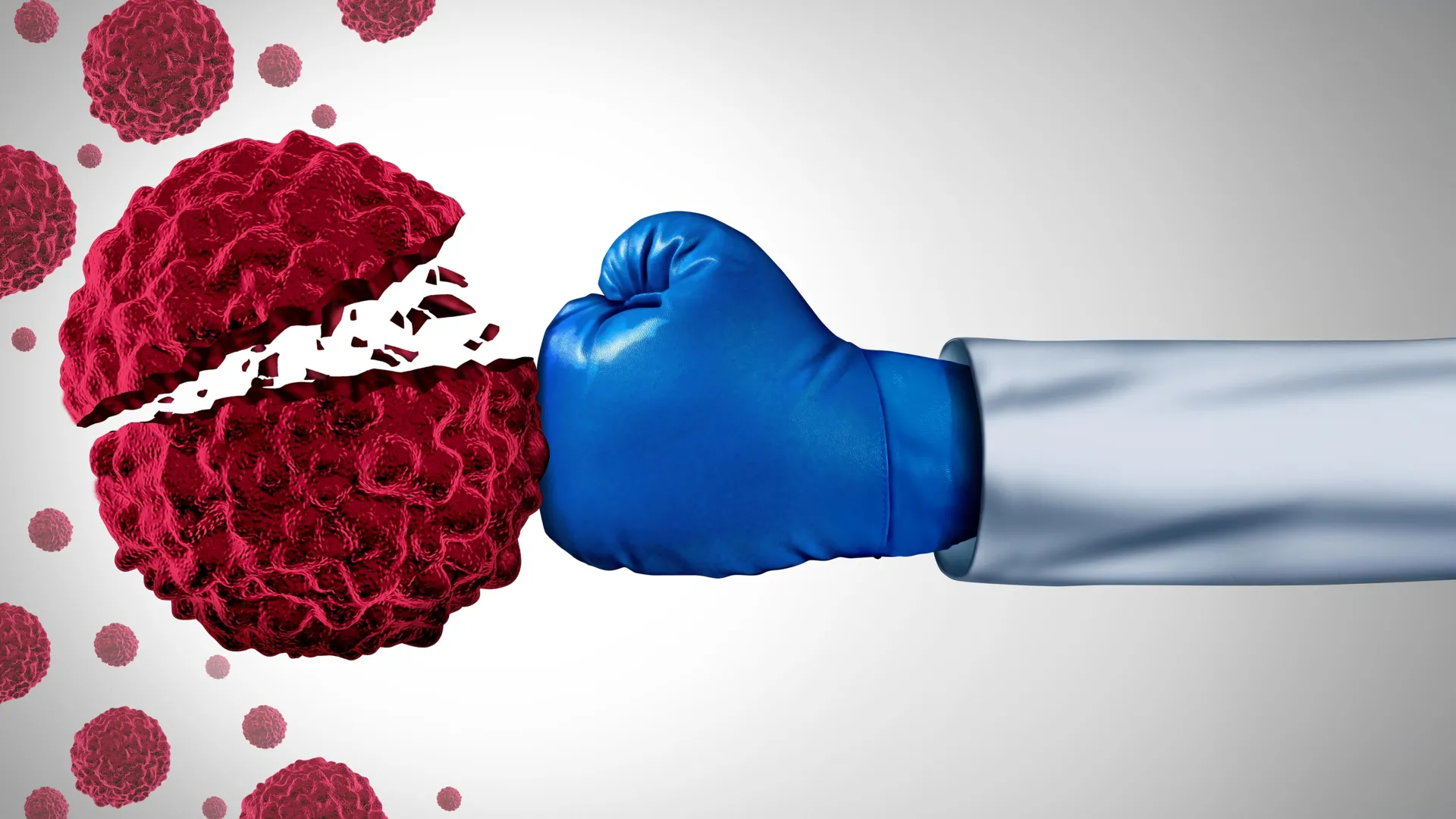
A groundbreaking new study suggests that medical professionals could significantly enhance cancer cure rates by preemptively altering therapeutic regimens before malignant tumors have the opportunity to fully recover and develop resistance. Diverging from the conventional approach of awaiting cancer’s return post-initial treatment, researchers advocate for an innovative strategy: transitioning to alternative therapies while the tumor is still actively regressing. This paradigm shift aims to directly confront drug resistance, a formidable barrier in contemporary oncology, which accounts for a substantial proportion of treatment failures and patient relapses.
The core of this novel strategy lies in understanding and manipulating the evolutionary dynamics of cancer. Tumors, much like populations of bacteria or viruses, are subject to natural selection, where cells with advantageous mutations can survive and proliferate under therapeutic pressure. By proactively changing treatments, the researchers propose to deny resistant cancer cell populations the time and opportunity to establish dominance, thereby potentially preventing relapse and improving long-term patient outcomes.
The Persistent Challenge of Cancer Drug Resistance
Cancer’s capacity to evade and overcome therapeutic interventions represents one of the most critical challenges in modern medicine. Despite remarkable advances in chemotherapy, targeted therapies, and immunotherapies, a significant percentage of patients experience relapse after an initial period of successful treatment. This recurrence is predominantly driven by the emergence of drug-resistant cancer cells, which survive the initial therapeutic onslaught and subsequently repopulate the tumor.
Dr. Robert Noble, a Senior Lecturer at the Department of Mathematics, City, St George’s, University of London, spearheaded the study that explores this evolutionary vulnerability. He articulates the problem succinctly: "Although tumors may at first shrink under therapy, in many cases they eventually regrow. These relapses stem from a small number of cancer cells that have gained mutations making the cells resistant to the treatment." These mutations are essentially changes in a cell’s genetic blueprint, some occurring randomly during cell division. If such a change confers survival advantage against a specific drug, that resistant cell can proliferate, eventually leading to a rebuilt tumor that is unresponsive to the initial treatment. This biological phenomenon underscores why drug resistance is a leading cause of mortality in metastatic cancer, contributing to an estimated 90% of deaths in patients with advanced disease.
The standard clinical protocol often involves continuing a particular treatment until diagnostic tests definitively indicate that the cancer has started to regrow. Only then do clinicians typically pivot to a different drug or therapeutic modality. However, this wait-and-see approach, while seemingly logical, inadvertently provides a fertile ground for tumor evolution. By the time a visible relapse occurs, the surviving cancer cells have had ample time to not only multiply but also potentially acquire further mutations, rendering them resistant to the next line of therapy as well. This creates a vicious cycle, where each subsequent treatment faces a more genetically diverse and drug-resistant tumor population, diminishing the chances of durable remission.
An Evolutionary Perspective: Switching Treatments Before Failure
The principles of evolutionary theory offer a compelling alternative to the traditional approach. Instead of passively waiting for a treatment to fail, this new paradigm suggests a proactive shift to a second therapy while the tumor is still responding positively. The researchers vividly describe this as a "kick it while it’s down" strategy, designed to exploit the tumor’s vulnerability when its population of sensitive cells is at its lowest, and resistant clones are still nascent and numerically inferior.
This innovative concept holds particular promise for cancers where clinicians already anticipate high rates of resistance, even with the most effective initial treatments. By introducing a new therapeutic challenge early, the strategy aims to prevent any single resistant sub-population of cancer cells from gaining a foothold and dominating the tumor landscape. Each new therapy presents a different selective pressure, forcing the tumor to adapt to a constantly changing environment, thereby limiting its ability to develop broad-spectrum resistance.
The utility of evolutionary approaches is not without precedent in medicine. As Dr. Noble highlighted in a podcast discussing the study, "Evolutionary approaches have been very successful in other contexts, such as combating antibiotic resistance, or predicting what vaccines we should use in a particular flu season. There is every reason to suppose that similar approaches should work in tumors." The development of antibiotic resistance in bacteria mirrors the evolutionary process observed in cancer, where resistant strains emerge and multiply under drug pressure. Similarly, the annual formulation of influenza vaccines relies on tracking the rapid evolution of flu viruses to predict which strains will be most prevalent. Applying this same evolutionary thinking to cancer treatment offers a powerful new lens through which to tackle a persistent medical challenge.
Mathematical Models: Unveiling Tumor Dynamics
To rigorously investigate this hypothesis, Dr. Noble and his collaborators employed sophisticated mathematical tools. These models, typically utilized to study the evolution of species under environmental pressures like climate change, were ingeniously adapted to simulate the complex dynamics of tumor growth and response to therapy. In this context, each cancer treatment is conceptualized as an environmental pressure, selectively eliminating vulnerable cancer cells while inadvertently promoting the survival and proliferation of cells endowed with resistance mutations.
Mathematical models provide an invaluable framework for predicting how different treatment schedules and sequences might influence the composition of cancer cell populations and their proliferation rates. By simulating various scenarios, researchers can gain insights into the optimal timing and duration of therapies to maximize efficacy and minimize the emergence of resistance. The team’s computational analyses yielded compelling results, indicating that switching treatments before the tumor begins to regrow generally outperforms the current standard of care. This suggests a quantifiable advantage to the proactive, evolutionary-guided strategy.
Early Clinical Translation and Future Prospects
While these findings are rooted in mathematical modeling, their implications are profound enough to warrant immediate clinical exploration. The journey from theoretical prediction to practical application is already underway, with three small-scale clinical trials actively investigating this strategy in patients with soft-tissue cancer, prostate cancer, and breast cancer. Additional trials are currently in various stages of development, signaling a growing interest in validating this evolutionary approach in human subjects.
The models further suggest that for many tumors, a sequence of just two treatments might not be sufficient for complete eradication. "Our models predict that this new approach will generally outperform the standard of care," explains Dr. Noble. "A sequence of two treatments, even if optimally timed, is likely to succeed only in relatively small tumors. But we have reason to hope that switching between three or more treatments, following the same principle, could eliminate larger tumors." This insight is crucial, implying that a more extended and varied therapeutic sequence might be necessary to effectively manage larger, more heterogeneous tumor burdens. Employing three or more therapies would subject cancer cells to an even greater series of changing selective pressures, making it significantly more difficult for the tumor to evolve a population capable of resisting every treatment in the sequence.
However, the researchers are quick to emphasize that this approach will not be a universal panacea. Treatment decisions will remain highly individualized, contingent upon myriad factors including the specific tumor type, its size and genetic profile, the availability of suitable therapies, and the patient’s overall health and tolerance to various drugs. Furthermore, a critical area for future research will be to precisely determine the safest and most effective timing for each therapeutic switch, likely requiring sophisticated diagnostic tools to monitor tumor evolution in real-time.
Broader Impact and Expert Perspectives
This study offers a profound re-evaluation of cancer therapy, shifting the paradigm from a reactive response to treatment failure towards a proactive, anticipatory strategy against resistance. Oncologists and cancer researchers are likely to view these findings with cautious optimism. While acknowledging the preliminary nature of mathematical modeling, the biological rationale underpinning the evolutionary approach is robust and aligns with decades of research into cancer biology and drug resistance.
The implications for oncology are far-reaching. This strategy could accelerate the integration of advanced genomic sequencing and liquid biopsies into routine clinical practice, as these tools are essential for monitoring tumor evolution and guiding therapy switches. It also underscores the growing importance of personalized medicine, where treatment regimens are tailored not just to the initial tumor characteristics, but dynamically adjusted based on the tumor’s ongoing adaptive responses. Patient advocacy groups are likely to welcome any strategy that offers the potential for improved cure rates and reduced relapses, calling for continued investment in research to bring such innovative approaches to widespread clinical availability.
The economic burden of cancer treatment, particularly for relapsed and refractory disease, is immense. By preventing resistance and improving cure rates, this strategy could potentially lead to long-term cost savings by reducing the need for multiple, increasingly expensive salvage therapies. Furthermore, a successful implementation of this strategy could extend progression-free survival and overall survival, significantly enhancing the quality of life for cancer patients globally.
The Collaborative Force Behind the Research
The pioneering nature of this research is a testament to international and interdisciplinary collaboration. Dr. Noble conducted this work with an international team of mathematical biologists, bringing together diverse expertise. The project itself originated from the final-year work of Srishti Patil, a master’s student at the Indian Institute of Science Education and Research, Pune, who spent several months at City, St George’s, University of London under Dr. Noble’s direct supervision. This highlights the crucial role of mentorship and international academic exchange in fostering cutting-edge scientific discovery. The team was further strengthened by the contributions of Johns Hopkins University undergraduate Armaan Ahmed and Dr. Noble’s long-term collaborator, Dr. Yannick Viossat of Université Paris Dauphine-PSL. Such collaborative efforts are increasingly vital in tackling complex biomedical challenges that transcend traditional disciplinary boundaries.
The Road Ahead: From Models to Clinical Reality
The findings, published in the esteemed journal Genetics, represent a significant conceptual leap in cancer treatment. While the mathematical models provide a compelling theoretical foundation, the critical next step involves rigorous validation through extensive laboratory experiments and, most importantly, large-scale, randomized clinical trials involving diverse patient populations. This will not only confirm the efficacy of the "kick it while it’s down" strategy but also help refine optimal treatment sequences, dosing schedules, and the precise biomarkers needed to guide therapeutic switches.
The prospect of doctors being able to anticipate resistance and act decisively before a tumor regains its strength is a powerful vision for the future of cancer care. This evolutionary approach offers a tangible pathway towards transforming cancer from an often relapsing, chronic disease into one with higher rates of durable remission and, ultimately, cure. The journey is long, but the initial steps taken by Dr. Noble and his team have illuminated a promising new direction in the relentless fight against cancer.
