
 By admin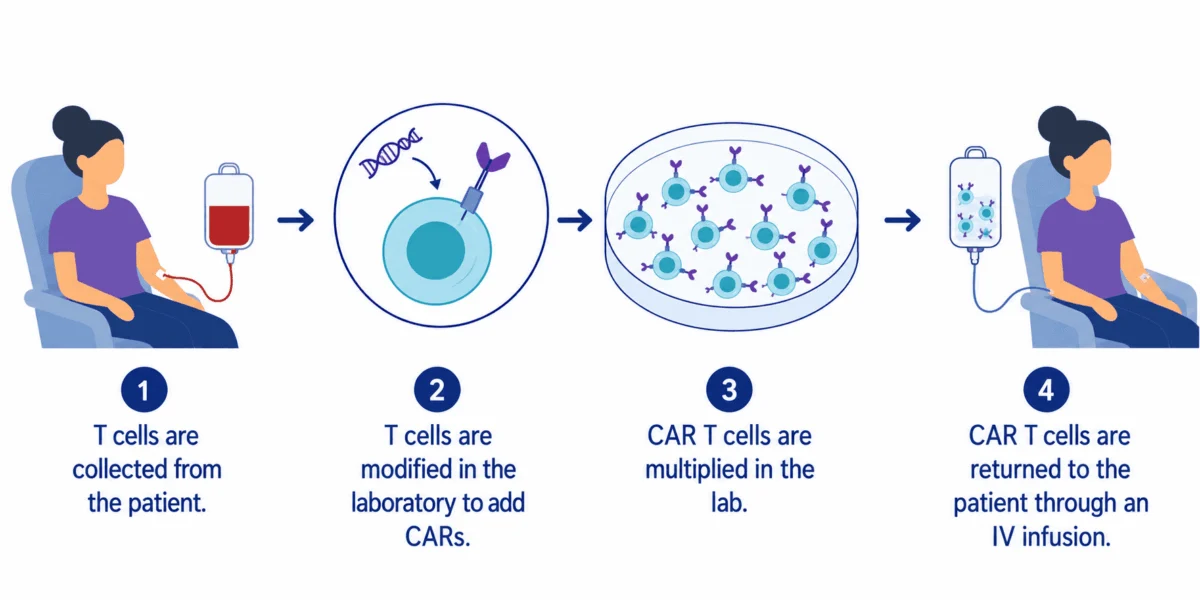
For many individuals navigating a cancer diagnosis, the immediate focus is often on survival and treatment efficacy. However, as medical advancements increasingly transform life-threatening diseases into manageable conditions or even cures, a critical shift in perspective emerges, prioritizing the long-term quality of life for survivors. Among the most significant concerns, particularly for younger patients, is the potential impact of cancer and its treatments on fertility. A collaborative research effort led by Blood Cancer United, Moffitt Cancer Center, and University of Florida Health is now shedding crucial light on this complex issue, specifically investigating the effects of chimeric antigen receptor (CAR) T-cell therapy on reproductive health. This timely inquiry aligns with September’s designation as Blood Cancer Awareness Month, a period dedicated not only to celebrating therapeutic progress but also to addressing the evolving challenges faced by a growing population of cancer survivors.
The Dawn of a New Era: Understanding CAR T-Cell Therapy
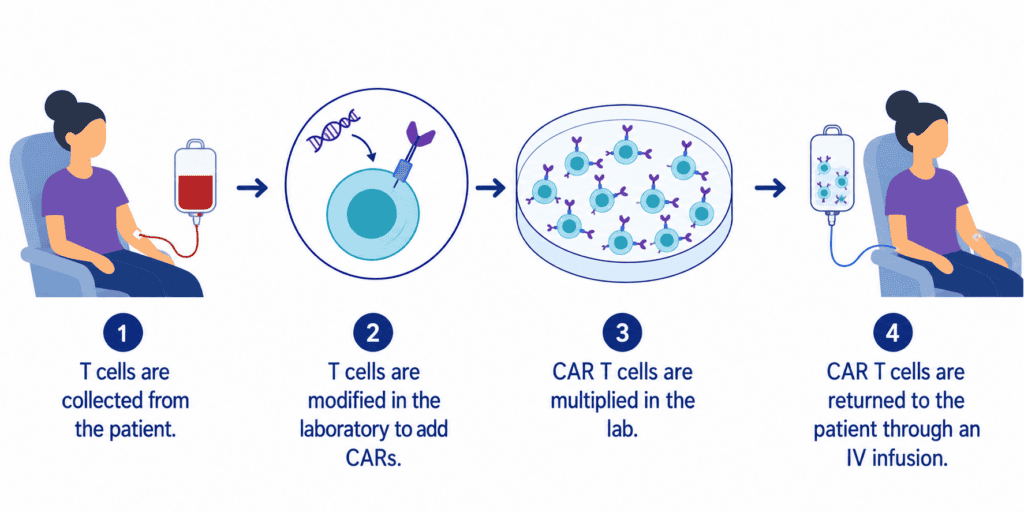
CAR T-cell therapy represents a monumental leap in cancer treatment, particularly for various blood cancers. It is a sophisticated form of immunotherapy that harnesses the patient’s own immune system to combat malignancies. The process involves collecting a patient’s T cells, a type of white blood cell crucial for immune response, and genetically engineering them in a laboratory. This modification introduces a synthetic receptor, known as a chimeric antigen receptor (CAR), onto the T-cell surface. This CAR is specifically designed to recognize and bind to a particular antigen found on cancer cells, effectively transforming the T cells into highly targeted "living drugs." Once engineered, these CAR T cells are multiplied to vast numbers and then re-infused back into the patient. Upon re-entry, they proliferate and actively seek out and destroy cancer cells expressing the target antigen.
The journey to CAR T-cell therapy has been long and arduous, spanning decades of intensive scientific research. Early conceptualizations of using immune cells to fight cancer laid the groundwork, but a major breakthrough occurred in 2010. Research spearheaded by Dr. Carl June, a distinguished Scientific Advisory Member of the Cancer Research Institute (CRI), demonstrated that CAR T cells could induce durable remissions in patients with refractory leukemia—a form of cancer that had failed to respond to conventional treatments. This pivotal moment catalyzed accelerated development, culminating in the U.S. Food and Drug Administration (FDA) granting its first approval for a CAR T-cell therapy in 2017. Since then, several CAR T-cell treatments have received FDA approval for specific indications, including certain types of leukemia (e.g., B-cell acute lymphoblastic leukemia), lymphomas (e.g., diffuse large B-cell lymphoma, mantle cell lymphoma, follicular lymphoma), and multiple myeloma. These therapies, often marketed under names such as Kymriah, Yescarta, Tecartus, Breyanzi, Abecma, and Carvykti, have revolutionized the treatment landscape for patients with limited options, offering unprecedented rates of remission and extended survival.
The Uncharted Territory: Why Fertility Data is Scarce
Despite the groundbreaking success of CAR T-cell therapy, comprehensive data regarding its specific impact on fertility has remained elusive. This knowledge gap stems from several inherent challenges in the early development and application of this innovative treatment. Historically, the initial cohort of patients eligible for CAR T-cell therapy typically presented with aggressive blood cancers that were refractory to, or had relapsed after, multiple prior lines of treatment. For these critically ill individuals, the immediate priority of early clinical trials was to establish the safety profile and demonstrate the efficacy of CAR T cells in a population with few remaining therapeutic alternatives.
Furthermore, the extensive treatment histories of these patients complicate the attribution of fertility issues solely to CAR T-cell therapy. Many CAR T recipients have previously undergone conventional cancer treatments known for their gonadotoxic effects, including high-dose chemotherapy, radiation therapy (especially to the pelvic region or whole-body irradiation), and hematopoietic stem cell transplantation. These therapies can cause significant and often irreversible damage to ovarian function in females and spermatogenesis in males. Additionally, patients receiving CAR T-cell therapy typically undergo a brief but potent course of chemotherapy, known as lymphodepletion, immediately prior to the CAR T-cell infusion. This pre-treatment is essential for reducing the existing immune cell population, thereby creating a more favorable environment for the engineered CAR T cells to expand and persist effectively within the patient’s body. However, lymphodepleting chemotherapy itself can contribute to fertility impairment.
Consequently, when a patient experiences fertility problems following CAR T-cell therapy, it becomes incredibly challenging for clinicians and researchers to disentangle whether the impairment is a direct result of CAR T cells, a cumulative effect of earlier cancer treatments, influenced by the patient’s age or underlying disease, or a confluence of several contributing factors. This complex interplay of variables underscores the critical need for dedicated research specifically designed to isolate and understand the unique impact of CAR T-cell therapy on reproductive health.
Pioneering a Path Forward: The New Patient-Facing Survey
Recognizing this significant unmet need for data, researchers from Blood Cancer United, Moffitt Cancer Center, and University of Florida Health launched an innovative patient-facing survey. The primary objective of this study is to gather direct, real-world fertility experiences from adult survivors who have received CAR T-cell therapy for blood cancers. By directly engaging with patients, the study aims to capture a nuanced understanding of reproductive outcomes that might otherwise be missed in traditional clinical trial settings.
Preliminary results, derived from the experiences of 106 respondents, offer an important initial glimpse into this previously opaque area. Among these participants, 32 individuals explicitly stated a desire to have children following their CAR T-cell therapy, and 12 reported actively attempting to conceive. Encouragingly, six pregnancies were reported among the cohort—four by female respondents themselves and two by partners of male respondents. At the time of the preliminary analysis, three of these pregnancies had resulted in healthy live births, while the other three were ongoing. Notably, none of the individuals or couples who reported a pregnancy indicated using assisted reproductive technology (ART) such as in vitro fertilization (IVF), suggesting natural conception pathways were involved.
Dr. Nina Logan, Senior Director of Research & Clinical Programs at Blood Cancer United, commented on these early findings, stating, "These initial findings are certainly encouraging, as they demonstrate that conception and live births are indeed possible after CAR T-cell therapy. However, it is crucial to recognize that this is just the beginning of our learning journey. These results, while positive, do not yet provide definitive answers regarding whether CAR T-cell therapy universally affects fertility, the frequency of such effects, or which specific patient populations might be most susceptible. Our overarching goal is to equip patients and their dedicated care teams with more precise and comprehensive information about fertility after CAR T-cell therapy. This will enable them to engage in truly informed conversations about treatment planning, post-treatment survivorship, and their aspirations for building a family in the future."
The current data, while promising, serves as a foundation for further investigation. The study’s design acknowledges the inherent complexities of retrospective, self-reported data and the small sample size. Nevertheless, it marks a vital step in initiating a broader dialogue and building the empirical evidence necessary to provide clearer guidance to patients.
Expanding the Lens: Insights from Autoimmune Applications
The understanding of CAR T-cell therapy’s potential effects on fertility is also being enriched by its expanding application beyond oncology. Researchers are increasingly exploring CAR T-cell therapy as a treatment modality for severe autoimmune diseases, such as systemic lupus erythematosus. Patients undergoing CAR T-cell therapy for autoimmune conditions often present with different disease profiles and, crucially, distinct prior treatment histories compared to cancer patients. This difference offers a unique "window" into the potential effects of CAR T therapy in a population that may have experienced fewer gonadotoxic treatments.
A compelling report published in 2026 detailed 14 pregnancies among 13 patients who had previously received CAR T-cell therapy for autoimmune disease. At the time of publication, eight healthy infants had been born. While these findings are also based on a small number of cases and cannot be directly extrapolated to cancer patients—who typically have more aggressive diseases and intensive prior treatments—they provide valuable parallel data. The consistent observation of successful pregnancies and live births in both cancer and autoimmune cohorts after CAR T-cell therapy suggests that the therapy itself may not be an absolute barrier to fertility for all individuals. These collective findings underscore the importance of continued, rigorous research to delineate the precise mechanisms and probabilities of fertility preservation post-CAR T.
The Broader Impact: Informing Clinical Practice and Patient Empowerment
The profound importance of this ongoing research cannot be overstated. If future studies can definitively clarify whether, and to what extent, CAR T-cell therapy impacts fertility, clinicians will be empowered to provide patients with far clearer and more accurate guidance. This includes comprehensive discussions about potential risks to reproductive health, available fertility preservation strategies (such as sperm banking, oocyte or embryo cryopreservation), and various family-building options both before and after treatment.
The CAR T-Cell Therapy and Fertility Survey is an integral part of this larger scientific endeavor. Researchers plan to continue collecting and analyzing patient experiences, correlating them with laboratory measures related to fertility, and examining fertility outcomes in additional, diverse groups of patients receiving CAR T-cell therapy. This multi-faceted approach aims to build a robust body of evidence that can inform clinical guidelines and support patient decision-making.
Beyond the immediate clinical implications, this research holds significant broader impact. It highlights the evolving landscape of cancer care, where survivorship and quality of life are increasingly central to the definition of successful treatment. It underscores the critical role of patient advocacy groups like Blood Cancer United in championing research that directly addresses the lived experiences and long-term concerns of survivors. Furthermore, it contributes to the ethical framework surrounding the development and deployment of novel, life-saving therapies, emphasizing the responsibility to understand and mitigate potential long-term side effects. As CAR T-cell therapy continues to advance and its indications expand, proactive research into areas like fertility ensures that patients receive not only the most effective treatments but also the most comprehensive and compassionate care that supports their hopes and plans for a future beyond cancer.
Patients who have received CAR T-cell therapy for blood cancer are encouraged to contribute to this vital research. Adults aged 18 and older can learn more about participating in the CAR-T Fertility Survey by visiting the provided link. By generously sharing their personal experiences, survivors play an indispensable role in helping researchers construct the evidence base needed to continually improve cancer treatment and, crucially, enhance life after it.
Sources
- Pediatric cancer immunotherapy and potential for impact on fertility: A need for evidence-based guidance. Transplant Cell Ther, 2024.
- Fertility outcomes following CAR T-cell therapy: Results from a patient-facing survey. Tandem Meetings | Transplantation & Cellular Therapy Meetings of ASTCT and CIBMTR, 2026.
- Pregnancies in patients with autoimmune disease receiving CAR T-cell therapy. N Engl J Med, 2026.
- Approved Cellular and Gene Therapy Products. U.S. Food and Drug Administration, 2026.
