
 By admin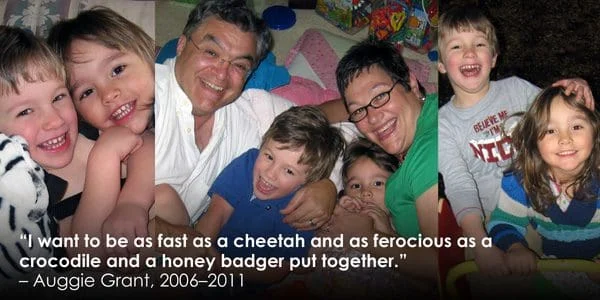
The narrative of Augusto “Auggie” Grant serves as a poignant reminder of the volatility and aggression of pediatric malignancies, specifically acute monoblastic leukemia. In late 2011, the Grant family’s life was irrevocably altered when their five-year-old son, a child characterized by boundless energy and an expansive imagination, was diagnosed with a rare and fast-moving form of cancer. The subsequent five days would not only mark the end of a young life but also the beginning of a philanthropic legacy that has since funneled significant resources into the acceleration of childhood cancer research. As Childhood Cancer Awareness Month is observed this September, the story of Auggie Grant highlights the critical gap between pediatric cancer diagnosis and the availability of life-saving treatments, driving a national conversation on the necessity of fast-tracked clinical research.
The Rapid Progression of Acute Monoblastic Leukemia
Augusto Grant was, by all accounts, a vibrant child who envisioned himself in various heroic roles, from an astronaut to a “ninja warrior” named Sherman. His parents, Jon and Cheryl Grant, recall a boy who lived with a "jubilant ferocity," often seen donning full firefighter gear for mundane errands or running with the speed of a cheetah. This vitality, however, masked a silent and lethal progression of disease within his bloodstream.
In late November 2011, the family’s reality shifted from childhood play to medical emergency. Auggie was diagnosed with acute monoblastic leukemia (AML-M5), a subtype of acute myeloid leukemia that is known for its aggressive nature and tendency to spread rapidly. In pediatric cases, AML involves the rapid growth of abnormal white blood cells that accumulate in the bone marrow and interfere with the production of normal blood cells.
The timeline of Auggie’s illness was startlingly brief. Following a series of symptoms that were initially difficult to distinguish from common childhood ailments, a five-minute blood test eventually revealed the severity of his condition. The diagnosis confirmed that the cancer had been spreading for some time, undetected by external observations of his high activity levels. Just five days after the formal diagnosis, on December 5, 2011, Auggie Grant passed away. He was five years old.
The Landscape of Pediatric Oncology Research
The speed of Auggie’s passing highlights a systemic issue in pediatric medicine: the lack of early detection tools and the scarcity of specialized treatments for rare childhood cancers. According to data from the National Cancer Institute (NCI) and the American Cancer Society, childhood cancer remains the leading cause of death by disease among children in the United States. Despite this, pediatric cancer research receives a disproportionately small fraction of federal funding compared to adult cancers.
Historically, only about 4% of the federal budget for cancer research is allocated specifically to childhood cancers. This funding gap necessitates a heavy reliance on private philanthropy and non-profit organizations to drive innovation. Acute myeloid leukemia, the category under which Auggie’s condition falls, is particularly challenging to treat in children, with survival rates lagging behind more common forms of pediatric cancer like acute lymphoblastic leukemia (ALL).
The Grant family’s experience illustrates the "urgency of now" that defines the pediatric oncology community. When a child is diagnosed with an aggressive form of leukemia, the window for effective intervention is often measured in days or weeks, rather than months or years. This reality has fueled the mission of organizations like CureSearch for Children’s Cancer, which focuses on bypassing the traditional, slow-moving bureaucratic hurdles of drug development.
From Grief to Philanthropic Action
In the wake of their son’s death, Jon and Cheryl Grant sought a way to channel their grief into a constructive force. When drafting Auggie’s obituary, Cheryl Grant reached out to his oncologist’s office to inquire about organizations that were making the most significant impact on childhood cancer outcomes. This inquiry led the family to CureSearch.
CureSearch for Children’s Cancer is a national non-profit that specifically targets the "valley of death" in drug development—the phase where promising research often stalls due to a lack of funding for clinical trials. By focusing on projects that are fast-tracked for clinical use, the organization aims to bring safer, more effective treatments to market specifically for pediatric populations.
The Grant family’s decision to request donations to CureSearch in lieu of flowers resulted in an immediate and overwhelming response from their community. This initial influx of support laid the groundwork for "Auggie’s Honey Badgers," a fundraising and endurance team named after one of Auggie’s favorite animals, known for its tenacity and fearlessness.
The Ultimate Hike: A Physical Manifestation of Resilience
To sustain the momentum of their fundraising efforts, Jon and Cheryl Grant became integral members of the "Ultimate Hike" program. The Ultimate Hike is the only national hiking program focused on ending childhood cancer, challenging participants to complete a 28.3-mile trek in a single day. For the Grants, the physical toll of the hike serves as a metaphor for the grueling battle children face when undergoing cancer treatment.
Jon Grant has described the experience as transformative, noting that the involvement has allowed his grief to evolve into a sense of community. "I feel much more part of a family than just a team," he stated, reflecting on the shared mission among parents who have lost children and those whose children are currently in treatment. The "Auggie’s Honey Badgers" team participates annually, embodying the "ferocity" that Auggie displayed in his short life.
The funds raised by the Honey Badgers and similar teams across the country are directed toward CureSearch’s Acceleration Initiative. This initiative funds international teams of researchers who are working on high-potential treatments for the most difficult-to-treat pediatric cancers, including the aggressive form of leukemia that claimed Auggie’s life.
Analysis of Implications: The Role of Private Funding in Medical Innovation
The story of Auggie’s legacy provides a case study in how grassroots movements can influence the trajectory of medical research. In the absence of massive federal investment, the pediatric oncology field relies on "venture philanthropy"—a model where donors provide the seed money for high-risk, high-reward research that traditional pharmaceutical companies might overlook due to the relatively small market size of pediatric patients.
The implications of this model are twofold:
- Targeted Research: Private funding allows for a focus on specific subtypes of cancer, such as monoblastic leukemia, which may not receive broad attention in larger clinical settings.
- Reduced Timelines: Organizations like CureSearch implement rigorous milestones for their researchers, ensuring that projects move from the laboratory to the bedside as quickly as possible.
Cheryl Grant’s observation that a "five-minute blood test" was the catalyst for their journey has become a call to action for the organization. The Grants emphasize that even small, recurring contributions can provide the sustained capital necessary to keep these research pipelines open. In a journalistic context, this highlights a shift in how modern health crises are addressed: through a combination of personal narrative and strategic, business-minded philanthropy.
Childhood Cancer Awareness Month and the Path Forward
September serves as a focal point for these efforts, as Childhood Cancer Awareness Month brings national attention to the statistics and stories of affected families. The objective of the month is not only to remember those who have been lost, such as Auggie Grant, but to advocate for policy changes and increased funding that could prevent future tragedies.
The medical community continues to advocate for the Research to Accelerate Cure and Equity (RACE) for Children Act and the Childhood Cancer STAR Act, which aim to improve the collection of data and the development of pediatric-specific drugs. However, until federal support matches the scale of the problem, the burden of progress remains largely on the shoulders of families like the Grants.
The legacy of Augusto Grant is defined by a transition from a sudden, devastating loss to a long-term, strategic fight against pediatric disease. His parents’ commitment to CureSearch and the Ultimate Hike ensures that his name is associated not just with a tragedy, but with the potential for future cures. As the "Honey Badgers" continue their annual treks and the Grant family advocates for recurring donations, the message remains clear: for children facing aggressive diagnoses, every minute of research and every dollar of funding represents a potential lifetime of dreams.
In conclusion, the story of Auggie Grant is a testament to the power of memory when converted into action. Through the lens of professional journalism and medical advocacy, his life underscores the urgent need for a specialized, fast-tracked approach to pediatric oncology. The efforts of the Grant family and CureSearch represent a vital component of the modern medical landscape, bridging the gap between scientific potential and the survival of the world’s most vulnerable patients.
