
 By Gabriel Paijo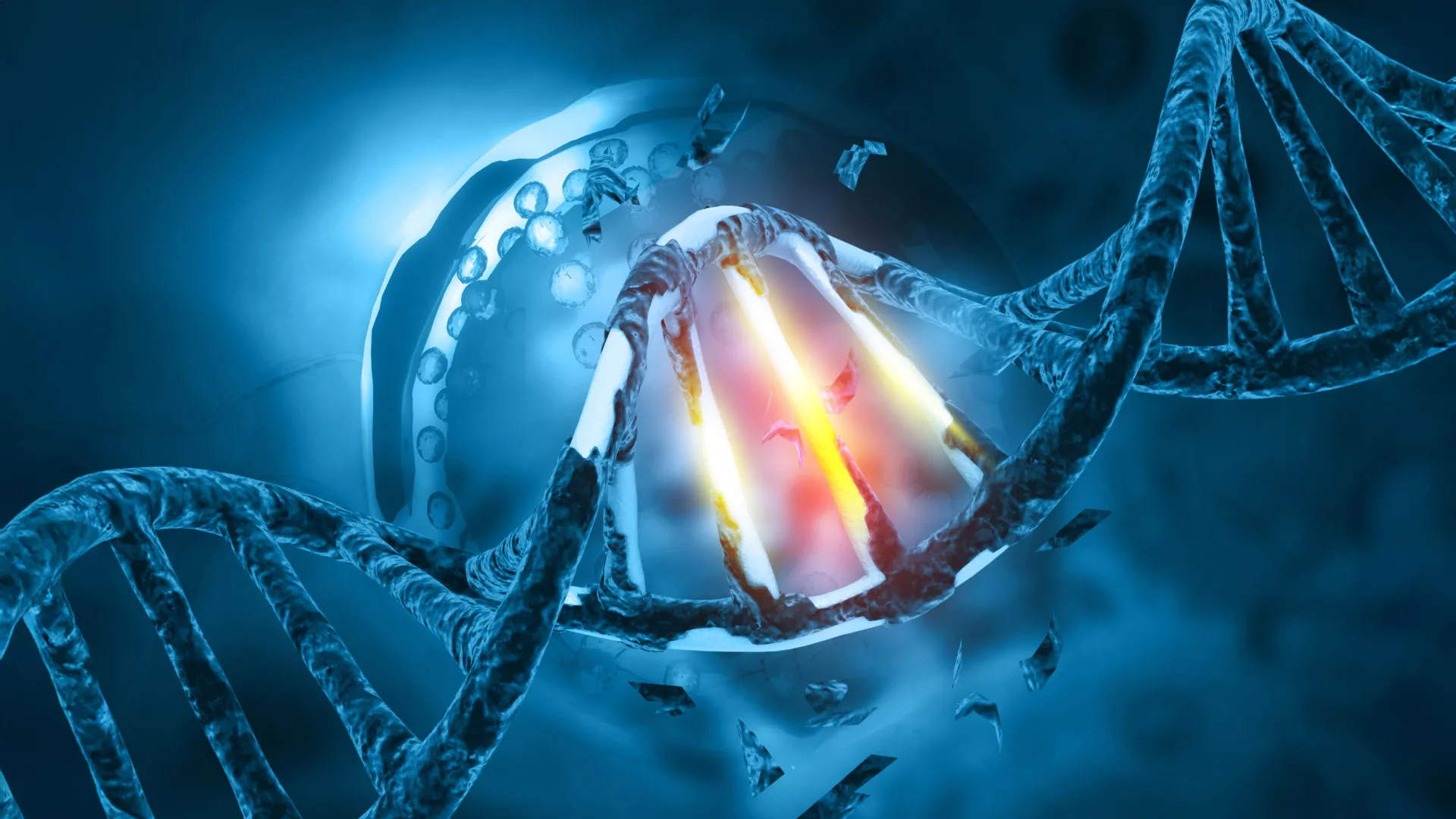
The human body possesses a sophisticated network of tumor suppressor genes designed to act as a primary defense against the development of malignancies. These genes encode proteins that meticulously monitor, maintain, and repair the integrity of the genome, ensuring that the genetic blueprint remains stable across millions of cell divisions. However, a groundbreaking study from the Penn State College of Medicine has revealed a paradoxical reality in cancer biology: an abundance of a specific DNA repair protein can be just as detrimental as its absence. The research, published in the prestigious journal Nature Communications, demonstrates that the overexpression of the EXO1 gene can actively destabilize the genome, mimicking the effects of the well-known BRCA mutations and opening new doors for targeted oncological therapies.
The Paradox of DNA Repair: When Protection Becomes Destruction
For decades, the prevailing wisdom in oncology has focused on the loss of function in DNA repair genes. When proteins like BRCA1 or BRCA2 are absent or mutated, the cell loses its ability to repair double-strand breaks in DNA, leading to the accumulation of mutations that drive tumor growth. The Penn State team, led by George-Lucian Moldovan, professor of molecular and precision medicine, has shifted this perspective by highlighting the dangers of excessive genetic activity.
The gene in question, EXO1 (Exonuclease 1), typically functions as a "molecular scissor." In a healthy cellular environment, EXO1 is essential for trimming damaged DNA strands to facilitate repair processes such as mismatch repair and homologous recombination. However, the study found that when EXO1 is present in excessive quantities, these scissors become indiscriminate. Instead of surgically repairing localized damage, the overabundant protein begins to dismantle DNA structures that are vital for genomic stability. This process leads to the degradation of the genome, a hallmark of cancer progression, effectively turning a protective mechanism into a destructive force.
Mapping the Prevalence of EXO1 Overexpression
The scope of the Penn State study extended beyond the laboratory, utilizing massive datasets to determine the clinical relevance of their findings. By analyzing genomic data from The Cancer Genome Atlas (TCGA)—a comprehensive project by the National Cancer Institute—the researchers identified a startling trend. EXO1 overexpression is not a rare occurrence; rather, it is a significant feature across various aggressive cancers.
According to the study, elevated levels of EXO1 are present in approximately 20% to 30% of breast and ovarian cancer cases. The data also revealed high levels of the protein in melanoma, testicular cancer, cervical cancer, and hepatobiliary cancers, which affect the liver, gall bladder, and bile ducts. Notably, the researchers found a strong correlation between EXO1 levels and basal-like breast cancer, a particularly aggressive subtype often associated with poor clinical outcomes. This widespread prevalence suggests that EXO1 activity may be a central driver in the pathogenesis of numerous solid tumors, regardless of their organ of origin.
The "BRCAness" Phenomenon: Mimicking Hereditary Risk
One of the most significant discoveries of the Penn State team is the functional similarity between EXO1-overexpressing cells and those with BRCA mutations. BRCA1 and BRCA2 mutations are perhaps the most famous genetic markers in oncology, significantly increasing the risk of hereditary breast and ovarian cancers by compromising the cell’s ability to protect DNA during replication.
The researchers observed that cancer cells with unusually high levels of EXO1 behave almost identically to BRCA-mutant cells, even when the BRCA genes themselves are perfectly healthy and functional. This phenomenon, often referred to in clinical circles as "BRCAness," means the cells exhibit the same vulnerabilities and genomic instabilities as those with inherited mutations.
"Mechanistically, this overexpression does exactly what the loss of the BRCA pathway does in BRCA-mutant tumor cells," Moldovan explained. This finding is transformative because it suggests that a much larger population of cancer patients—those without inherited BRCA mutations but with high EXO1 activity—might share the same underlying cellular weaknesses as BRCA-positive patients.
The Molecular Mechanism: Scissors Out of Control
To understand why excess EXO1 is so damaging, the research team conducted rigorous laboratory experiments using human cancer cell lines. They employed advanced genetic engineering to artificially increase EXO1 production and compared these cells to a control group where a "disabled" version of the protein was produced. This disabled version lacked biochemical activity, allowing the team to prove that the damage was caused by the protein’s enzymatic function, not merely its physical presence in the cell.
The study identified two primary mechanisms through which excess EXO1 wreaks havoc:
- Expansion of Single-Stranded DNA Gaps: During DNA replication, the double helix unzips to form a "replication fork." Excessive EXO1 widens the gaps in the single-stranded DNA, making the structure fragile and prone to breakage.
- Degradation of Reversed Replication Forks: When DNA replication encounters an obstacle, the cell sometimes creates a "reversed fork" as a temporary protective measure. Overactive EXO1 targets these structures, eroding the genetic material and leading to a localized loss of DNA.
Furthermore, the team discovered that EXO1 does not act alone. It collaborates with another protein called MRE11 to enlarge these DNA gaps. Together, they generate toxic lesions, including double-strand breaks. While these breaks contribute to the development of the cancer, they also represent a potential "Achilles’ heel" for the tumor.
Clinical Implications: Expanding the Reach of Targeted Therapies
The identification of EXO1 as a driver of "BRCAness" has immediate and profound implications for cancer treatment. Currently, certain classes of drugs, such as PARP inhibitors (e.g., olaparib), are specifically reserved for patients with confirmed BRCA mutations. These drugs work through "synthetic lethality"—they disable a secondary repair pathway, which, when combined with the existing BRCA deficiency, causes the cancer cell to die while sparing healthy cells.
The Penn State researchers tested whether EXO1-overexpressing tumors would respond to these same treatments. The results were highly encouraging. In laboratory tests, tumors with elevated EXO1 levels were exceptionally sensitive to olaparib. They responded to the drug in a manner nearly identical to BRCA-mutant cancers.
"The same drugs that are reserved for treating BRCA-mutant tumors and that have fewer side effects could potentially be used to treat EXO1 overexpressing tumors," said Moldovan. This could significantly expand the eligibility for PARP inhibitors, offering a more effective and less toxic treatment option to a vast group of patients who currently do not qualify for these targeted therapies.
Additionally, the study found that EXO1-overexpressing tumors showed increased sensitivity to cisplatin, a common but harsh chemotherapy drug. This suggests that for patients with high EXO1, lower doses of cisplatin might be sufficient to achieve tumor shrinkage, thereby reducing the severe side effects—such as kidney damage and hearing loss—often associated with platinum-based therapies.
A Shift Toward Genomic-Based Oncology
The findings from Penn State contribute to a growing movement in medicine known as precision oncology. This approach advocates for treating cancers based on their specific genetic and molecular signatures rather than the organ in which the tumor originated.
"We shouldn’t treat cancers based on what tissue they come from but based on the landscape of the genetic mutations present in the tumors," Moldovan emphasized. "That would result in high-efficiency treatment. That’s the future of cancer treatment."
While EXO1 overexpression does not appear to predict initial cancer risk—unlike BRCA mutations, which are often inherited and used for screening—it serves as a powerful predictive biomarker for treatment response. By screening tumors for EXO1 levels at the time of diagnosis, clinicians could tailor chemotherapy regimens to the specific vulnerabilities of that patient’s cancer, moving away from a "one-size-fits-all" model.
Chronology of the Research and Future Directions
The study was a multi-year effort that combined bioinformatics with molecular biology. The timeline of the discovery began with an exhaustive review of the TCGA database, where the team first noticed the correlation between high EXO1 expression and poor prognosis in specific cancer cohorts.
Following the data analysis, lead author Alexandra Nusawardhana, who recently completed her doctorate at Penn State, spearheaded the laboratory phase. This phase involved the development of the "molecular scissors" model and the validation of drug sensitivity in controlled environments. The final stage of the research involved integrating these findings into a cohesive narrative that explains the role of EXO1 in genomic instability, culminating in the 2024 publication in Nature Communications.
Looking forward, the research team plans to transition from laboratory models to clinical settings. The long-term goal is to launch clinical trials that enroll patients specifically based on their EXO1 expression levels. These trials will evaluate the efficacy of PARP inhibitors and low-dose platinum therapies in patients without BRCA mutations, potentially setting a new standard of care for 20% to 30% of the cancer population.
Conclusion: A New Diagnostic Frontier
The work of Moldovan, Nusawardhana, and their colleague Claudia Nicolae marks a pivotal moment in the study of DNA repair and cancer therapy. By demonstrating that the "too much of a good thing" principle applies to the body’s DNA repair machinery, they have identified a new class of tumors that can be targeted with existing, highly effective drugs.
As the medical community continues to unravel the complexities of the human genome, the role of EXO1 will likely become a focal point for diagnostic testing. With the support of the National Institutes of Health and organizations like Four Diamonds, the Penn State team has provided a roadmap for a more personalized, effective, and humane approach to cancer treatment, bridging the gap between genetic research and bedside care.
