
 By admin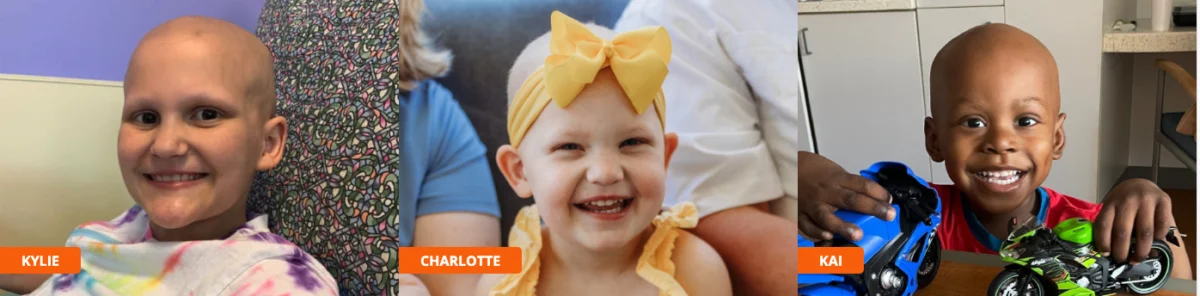
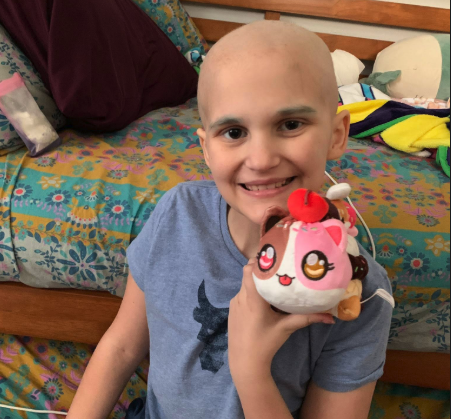
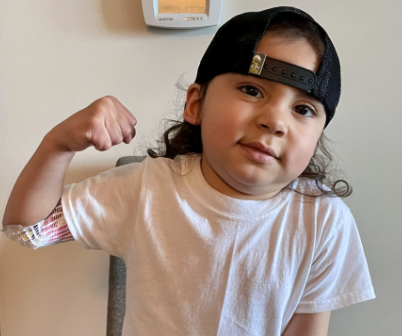
The Great Cycle Challenge (GCC), a premier national cycling initiative benefiting the Children’s Cancer Research Fund (CCRF), has officially entered its 12th year of operation, marking a significant milestone in the landscape of philanthropic support for pediatric oncology. Since its inception, the challenge has evolved from a burgeoning community event into a massive nationwide movement, mobilizing hundreds of thousands of riders to log more than 38 million miles. To date, the initiative has successfully raised over $87 million, providing a critical lifeline for researchers seeking to develop more effective and less toxic treatments for the youngest cancer patients. As the 2026 campaign commences, the organization has introduced five national ambassadors—Charlotte, Kai, Kylie, Jasper, and Emma—whose personal battles with various forms of the disease highlight the urgent necessity of continued investment in medical innovation.
The State of Pediatric Cancer Research and the Role of the Great Cycle Challenge
Pediatric cancer remains the leading cause of death by disease among children in the United States. Despite this, experts in the field frequently cite a significant disparity in research funding. While adult cancer research receives substantial federal and private backing, pediatric-specific studies often face a "funding gap," as the market for childhood cancer drugs is smaller and less profitable for pharmaceutical companies. This reality places a disproportionate burden on non-profit organizations like the Children’s Cancer Research Fund to bridge the financial divide.
The Great Cycle Challenge operates as a virtual cycling event, allowing participants of all ages and fitness levels to set personal riding goals throughout the month of June. Riders utilize a dedicated app to track their mileage, seeking sponsorships from friends, family, and corporate partners. The decentralized nature of the event has been credited with its exponential growth, as it removes geographical barriers and allows the mission to permeate local communities, school districts, and corporate offices across all 50 states.
Profiling the 2026 Ambassadors: The Human Face of Clinical Research
The five ambassadors selected for the 2026 cycle represent a broad spectrum of the pediatric cancer experience, from initial diagnosis and intensive treatment to maintenance and the looming threat of relapse. Their stories serve as a testament to the resilience of children and the direct impact of research-driven protocols.
Charlotte: Navigating the Long Road of Leukemia Maintenance
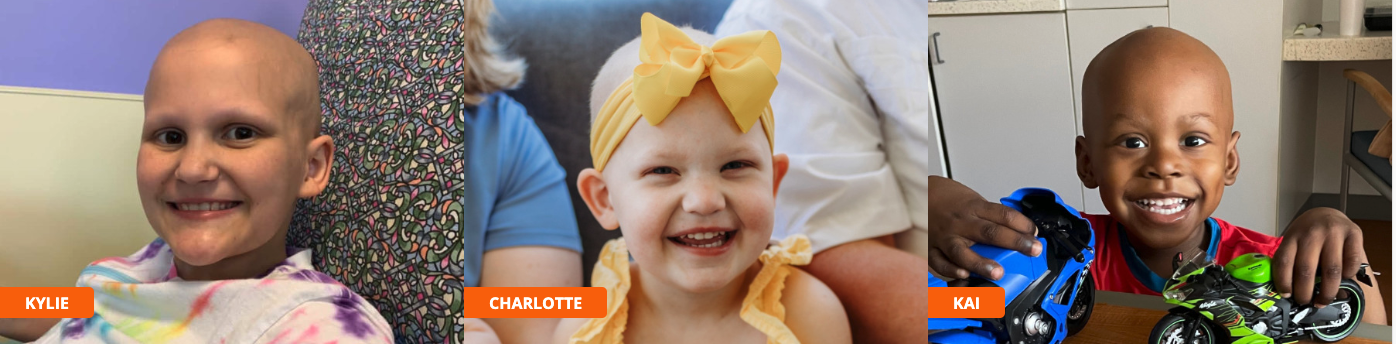
At just four years old, Charlotte is currently undergoing treatment for B-cell acute lymphoblastic leukemia (ALL). ALL is the most common type of childhood cancer, affecting the white blood cells. While survival rates for ALL have improved significantly over the last three decades due to research, the treatment remains grueling. Charlotte has transitioned into the "maintenance" phase of her protocol—a period that follows months of high-intensity chemotherapy. This stage is designed to eliminate any remaining microscopic cancer cells and can last for several years. For families like Charlotte’s, research is the only pathway toward ensuring that these long-term treatments do not result in permanent cognitive or physical impairments.
Kai: Confronting the Complexity of Neuroblastoma
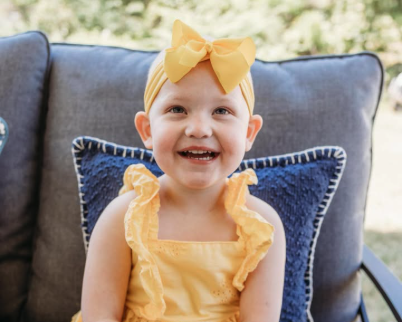
Three-year-old Kai is battling neuroblastoma, a cancer that develops from immature nerve cells and is most commonly found in the adrenal glands. Neuroblastoma is known for its unpredictability; some cases resolve with minimal intervention, while others require aggressive multi-modal therapy including surgery, chemotherapy, and radiation. Kai’s journey has involved multiple hospitalizations and invasive procedures. His family’s advocacy emphasizes a central tenet of the GCC mission: the preservation of childhood. By funding research into targeted therapies, the GCC aims to replace systemic treatments that often cause severe side effects with more precise interventions that allow children like Kai to maintain a semblance of normalcy.
Kylie: The Urgent Need for Relapse Solutions
Kylie, age 10, represents one of the most challenging aspects of pediatric oncology: relapse. Initially diagnosed in 2022, Kylie experienced a recurrence in early 2025. Relapsed cancer often proves more resistant to standard treatments, requiring innovative clinical trials and new pharmaceutical protocols. Kylie’s case underscores the "relentless" nature of the disease and the critical need for funding directed specifically at hard-to-treat and recurrent cancers. For patients in Kylie’s position, research is not just a hope for the future—it is a requirement for survival today.
Jasper: The Milestone of the "Bell Ringing"
Five-year-old Jasper provides a narrative of progress. Currently in maintenance treatment for acute lymphoblastic leukemia, Jasper is scheduled to "ring the bell" in September—a symbolic act in oncology wards that signifies the completion of active treatment. As his physical strength returns, Jasper has re-engaged with school and sports, illustrating the ultimate goal of the CCRF: returning children to their communities as healthy, active participants. Jasper’s recovery is a direct result of decades of clinical trials that have refined the dosing and delivery of leukemia medications.
Emma: Targeted Therapy for Rare AML Phenotypes
Three-year-old Emma is fighting acute myeloid leukemia (AML) with a RAM phenotype, an exceptionally rare and aggressive subtype of the disease. AML is generally more difficult to treat in children than ALL, and the RAM phenotype presents additional complexities that often require bone marrow transplants and experimental therapies. Emma’s ability to stay active during such a high-stakes medical battle is a result of access to innovative therapies made possible by recent breakthroughs in genomic sequencing and personalized medicine. Her story highlights how specialized research can provide options for children with rare diagnoses that previously had very poor prognoses.
A Chronology of Impact: Twelve Years of the Great Cycle Challenge
The Great Cycle Challenge launched in 2014 with the goal of creating a fundraising mechanism that promoted health and wellness while addressing a dire medical need. The timeline of its growth reflects a shifting trend in charitable giving toward "peer-to-peer" fundraising models.
- 2014-2017: The foundational years focused on building a community of "founding riders." During this period, the event established its core identity, focusing on the "any bike, any time" philosophy.
- 2018-2021: The initiative saw a surge in participation as digital tracking technology became more sophisticated. Even during the global pandemic, the virtual nature of the GCC allowed it to thrive when in-person marathons and galas were canceled.
- 2022-2025: The challenge surpassed the $75 million mark. Funding from these years was directed toward high-risk, high-reward research projects that are often overlooked by larger federal grants.
- 2026: The current campaign aims to push the total lifetime fundraising toward the $100 million milestone, with a renewed focus on "survivorship" research—studying the long-term health of cancer survivors who may face secondary health issues later in life.
Financial Allocation and Research Objectives
The $87 million raised thus far has been strategically deployed by the Children’s Cancer Research Fund across several key areas of pediatric oncology. Unlike general cancer funds, CCRF focuses on "seed grants" for young investigators and funding for rare cancers that do not receive adequate attention from the National Cancer Institute (NCI).
- Clinical Trials: A significant portion of GCC funds supports the infrastructure necessary for clinical trials, allowing children to access the newest drugs years before they are available to the general public.
- Hard-to-Treat Cancers: Funding is directed toward cancers with low survival rates, such as DIPG (a rare brain tumor) and relapsed neuroblastoma.
- Survivorship Programs: As survival rates improve, the medical community is seeing an increase in "late effects" from treatment, including heart disease and secondary cancers. Research funded by the GCC seeks to mitigate these risks.
- Precision Medicine: This involves analyzing a child’s specific genetic makeup to tailor treatments that are more effective for their unique tumor type, as seen in the case of Emma’s RAM phenotype AML.
Broader Implications and Official Perspectives
The success of the Great Cycle Challenge has broader implications for the future of medical philanthropy. By gamifying the fundraising process and emphasizing the collective impact of "miles ridden," the GCC has engaged a demographic that might not otherwise participate in medical advocacy.
In statements reflecting on the program’s impact, organizers and medical professionals associated with CCRF have noted that the "moment-to-moment" joy mentioned by the ambassadors’ families is only possible through scientific stability. "Research isn’t confined to the lab," a representative from the organization stated. "It is present in every bike ride and every classroom return." This perspective shifts the narrative of cancer research from a sterile, distant pursuit to a tangible improvement in the quality of life for families.
Parents of the 2026 ambassadors have echoed this sentiment, noting that public participation in events like the GCC provides a sense of solidarity. For families navigating the isolation of hospital rooms and intensive care units, seeing thousands of riders across the country donning GCC jerseys is a powerful reminder that they are not fighting in a vacuum.
Conclusion: The Path Forward
As the 2026 Great Cycle Challenge gains momentum, the focus remains on the "next mile." With over 38 million miles already logged, the event has proven that individual efforts, when aggregated, can result in transformative financial power. The stories of Charlotte, Kai, Kylie, Jasper, and Emma serve as the primary motivation for the thousands of cyclists preparing to hit the roads and trails this year.
The transition from $87 million to the projected $100 million goal represents more than just a fiscal achievement; it represents thousands of hours of laboratory work, hundreds of clinical trial enrollments, and, ultimately, more "bells rung" in pediatric wards across the nation. For those interested in contributing to the movement, registration remains open at GreatCycleChallenge.com, where participants can join a local chapter or ride as individuals in honor of the 2026 ambassadors. The message from the CCRF is clear: every mile ridden is a step toward a future where childhood cancer is no longer a life-threatening reality, but a manageable and eventually curable condition.
