
 By admin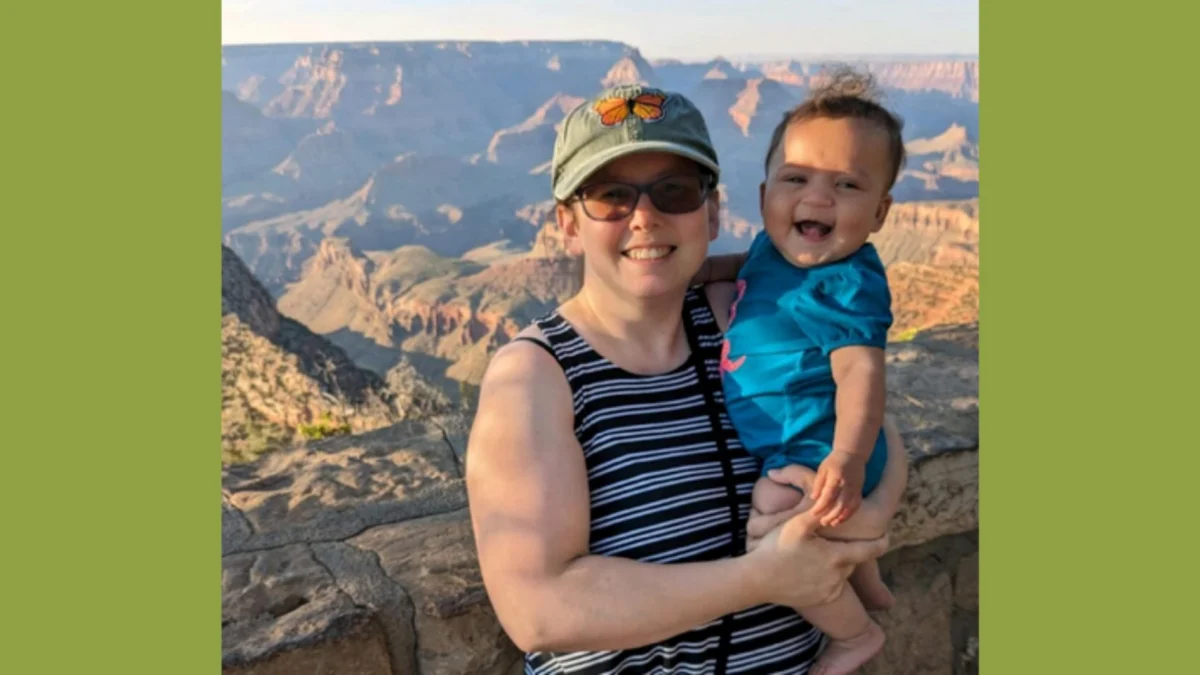
The trajectory of a young athlete’s life can be altered by a single moment of physical discomfort, but for Liz Kaiser, a persistent pain in her right leg during her eighth-grade volleyball season was not the sports injury she initially presumed. At 13 years old, Kaiser followed the standard protocol for musculoskeletal strain—icing the limb, elevating it, and attempting to persevere through the final games of the season—only to find that the dull ache refused to subside. This persistence eventually led her parents to seek a secondary pediatric evaluation, a decision that would uncover a life-threatening reality and initiate a 20-year journey through the complexities of pediatric oncology, survivorship, and the long-term systemic challenges of rare cancer treatment.
The Path to Diagnosis and Initial Intervention
The clinical discovery of Kaiser’s condition began with a Magnetic Resonance Imaging (MRI) scan, which identified a suspicious mass situated just below her right knee. The timing of the subsequent biopsy added a layer of emotional weight to the medical crisis; the procedure took place on the day after Thanksgiving, a period typically reserved for familial celebration. Upon regaining consciousness following the biopsy, Kaiser was met with the collective distress of her family, an experience she describes as the realization of a "worst nightmare."
For her father, Greg Kaiser, the memory of the diagnosis remains a vivid benchmark of parental helplessness. The medical team utilized the term "cancer" even before the specific pathology was confirmed, a moment that Greg describes as profoundly "scary" and difficult to reconcile with the reality of his daughter’s youth and vitality. The pathology eventually confirmed a diagnosis of osteosarcoma, a primary bone malignancy that most frequently affects adolescents and young adults during periods of rapid growth.
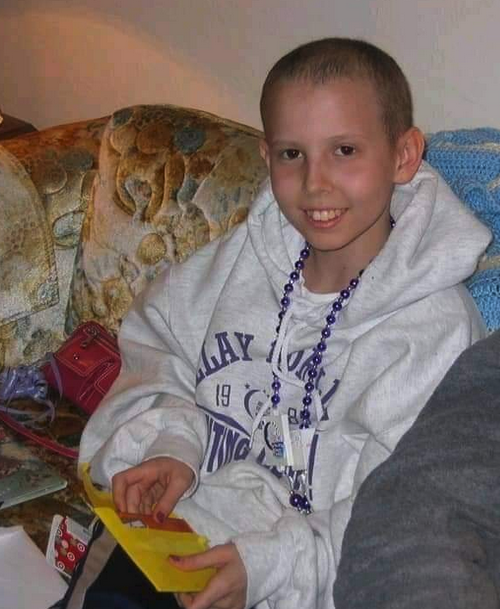
Treatment commenced in December of that year, involving an aggressive regimen designed to eradicate the primary tumor and prevent metastatic spread. Kaiser underwent multiple rounds of high-dose chemotherapy, a standard but grueling protocol. This was followed by a complex, eight-hour reconstructive surgery on her knee to remove the malignant bone and restore structural integrity to the limb. Following a brief period of post-operative recovery, she transitioned into a "maintenance" phase of chemotherapy that lasted nearly a year. Her active treatment concluded on October 30, allowing her to participate in Halloween festivities the following day—a milestone she marked by dressing as a Sesame Street character and being transported in a wagon by her family, as her physical strength had not yet returned.
The Physiological Toll of Pediatric Oncology
The conclusion of chemotherapy did not signal the end of Kaiser’s medical challenges. Pediatric cancer survivors often face a "second act" of medical complications stemming from the toxicity of the very treatments that saved their lives. Months after her final round of chemotherapy, the systemic weakening of her skeletal structure—a known side effect of certain chemotherapeutic agents—resulted in a catastrophic fall. The incident resulted in Kaiser breaking both of her legs simultaneously, necessitating further surgical intervention and a prolonged return to the hospital environment.
This period of recovery required significant social and academic adjustments. Kaiser returned to school in a wheelchair, navigating the social dynamics of middle and high school while managing physical limitations. While she recalls with humor that her peers often vied for the opportunity to push her wheelchair as a means of exiting class early, the underlying reality involved a permanent shift in her physical capabilities.
Now, nearly two decades removed from her initial diagnosis, Kaiser continues to manage the "late effects" of her treatment. These include permanent hearing loss—a common result of platinum-based chemotherapy—and restricted mobility in her right knee. Clinical projections indicate that she will require a total knee replacement in the future. Her experience underscores a critical reality in pediatric oncology: survival is often achieved at the cost of lifelong chronic health issues.
Statistical Context: The Stagnation of Osteosarcoma Research
The challenges faced by patients like Kaiser are compounded by a lack of pharmacological innovation in the field of bone cancers. Osteosarcoma accounts for approximately 2% of all childhood cancers, with about 800 to 1,000 new cases diagnosed annually in the United States. Despite its rarity, it is the most common type of bone cancer in children and adolescents.
A significant point of contention for advocates and families is the age of the standard treatment protocols. Greg Kaiser noted that the treatment his daughter received 20 years ago was already three decades old at the time of her diagnosis. This means that the "gold standard" for osteosarcoma has remained largely unchanged for approximately 50 years. The current standard of care—a combination of methotrexate, doxorubicin (Adriamycin), and cisplatin, known as the MAP regimen—was developed in the 1970s and 1980s.
The lack of progress is largely attributed to economic and systemic factors. Because pediatric cancers are classified as rare diseases, there is often a lack of financial incentive for major pharmaceutical companies to invest the hundreds of millions of dollars required for the research and development of new drugs. Furthermore, federal funding for pediatric cancer research historically represents only a small fraction of the National Cancer Institute’s (NCI) total budget. Estimates suggest that only about 4% of federal funding for cancer research is specifically directed toward pediatric malignancies, with the vast majority allocated to adult cancers such as breast, lung, and prostate cancer.
Professional Inspiration and the Transition to Motherhood
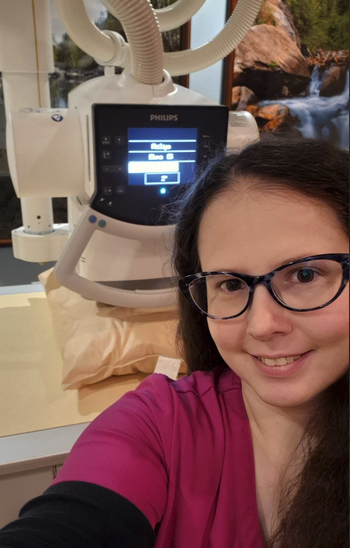
Despite the physical and systemic hurdles, Kaiser’s experience in the oncology ward shaped her professional identity. Today, she serves as a radiologic technologist, a career choice directly inspired by the countless imaging scans—MRIs, CTs, and X-rays—that monitored her progress during treatment. By entering the medical field, she has transitioned from a passive recipient of care to an active provider, utilizing her personal history to inform her patient interactions.
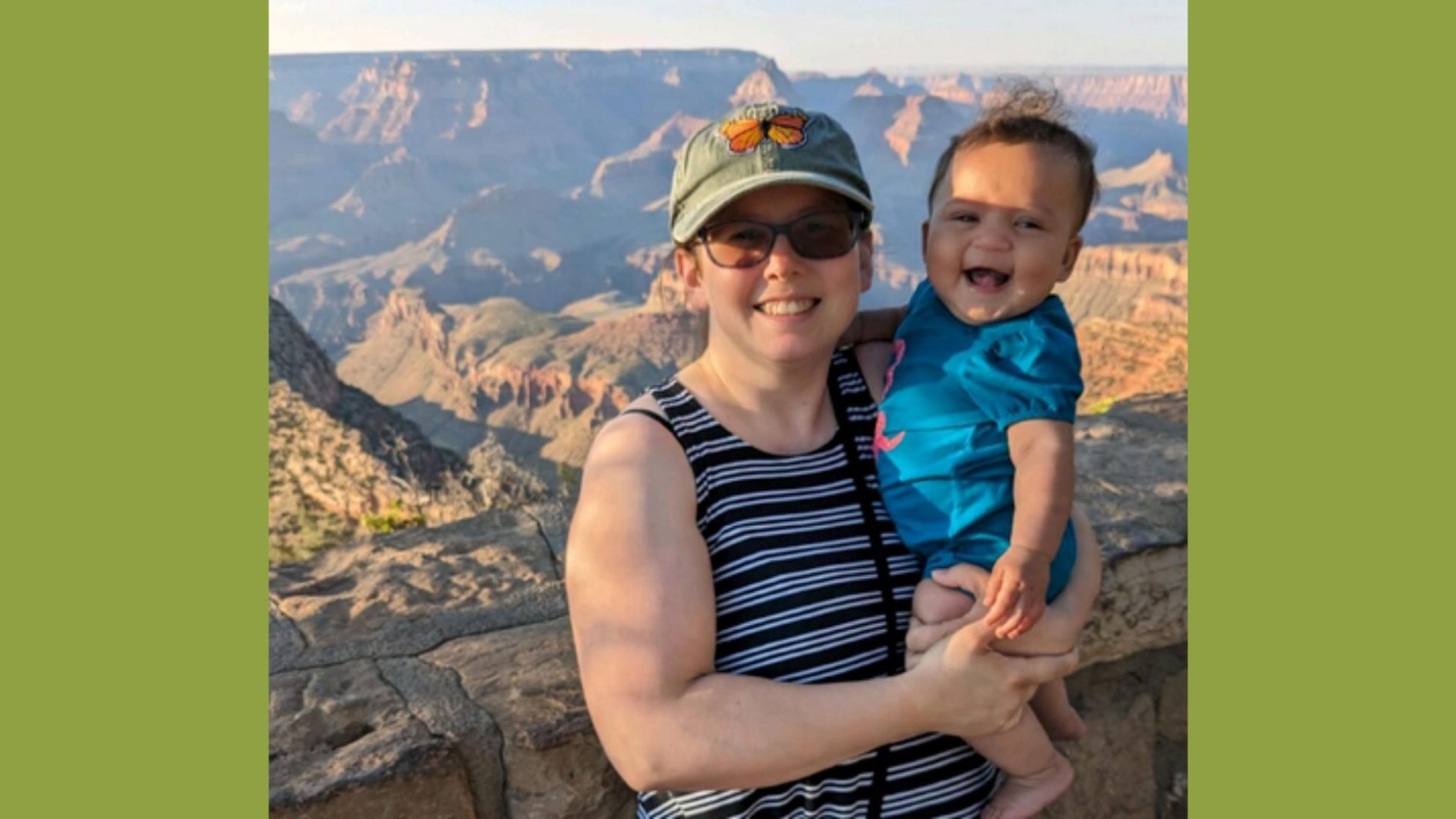
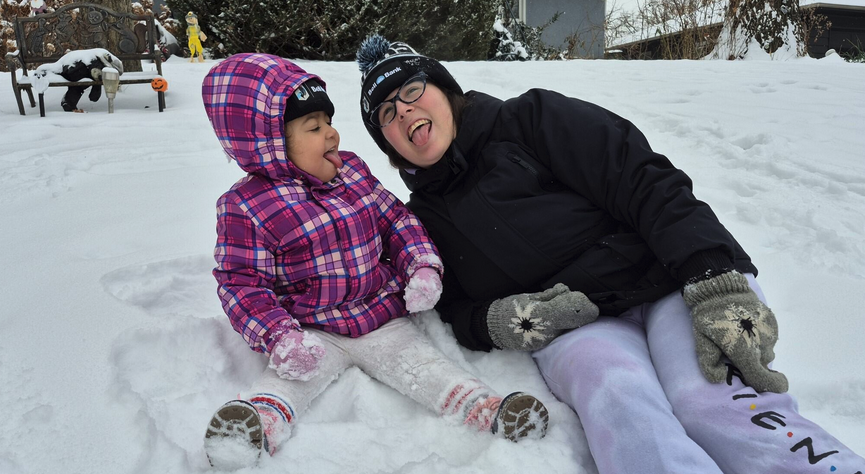
Beyond her professional achievements, Kaiser has reached a personal milestone that many pediatric cancer survivors fear may be out of reach: motherhood. The aggressive nature of chemotherapy can often lead to infertility, making the birth of her daughter, Isabelle, a significant victory over her past diagnosis. Isabelle, now three years old, represents a future that was once clouded by uncertainty.
However, the late effects of cancer continue to influence her daily life as a parent. Kaiser is transparent about the physical limitations she faces while raising an active toddler. Because of her knee reconstruction and the long-term impact of her bone health, she is unable to run after her daughter or engage in floor-based play that requires crawling. "I tell her sometimes, ‘Mommy can’t do that,’" Kaiser said, noting that while she cannot participate in every physical activity, she relies on a robust support system. Living with her mother and stepfather ensures that Isabelle receives the high-energy engagement she requires, while Kaiser provides the emotional and developmental guidance.
Analysis of Implications for Pediatric Healthcare Policy
The story of Liz Kaiser serves as a case study for several broader issues in the American healthcare and research landscape. First, it highlights the necessity of the "Survivorship Clinic" model. As the population of childhood cancer survivors grows—now estimated at over 500,000 in the U.S. alone—healthcare systems must adapt to provide specialized, long-term monitoring for late effects such as secondary malignancies, cardiac issues, and orthopedic complications.
Second, the Kaiser family’s advocacy reflects a growing national movement to reform how pediatric research is funded. Legislative efforts, such as the Research to Accelerate Cure and Equity (RACE) for Children Act and the Creating Hope Act, have sought to provide incentives for pediatric drug development through "Priority Review Vouchers." These vouchers allow companies that develop drugs for rare pediatric diseases to receive expedited FDA review for a subsequent, more profitable adult drug, or to sell that voucher to another company.
However, as Greg Kaiser emphasized, the pace of change remains slow. The reliance on private philanthropy and non-profit organizations to fill the funding gap left by federal and corporate entities remains a central pillar of pediatric oncology. "Every dollar raised brings us closer to better, safer treatments," Greg stated, reinforcing the idea that the goal of modern research is not just survival, but "survival with quality of life."
Conclusion: A Legacy of Hope and Perseverance
As Liz Kaiser reflects on the two decades since her diagnosis, her message remains focused on resilience. Her advice to other families facing similar diagnoses is to remain undeterred by the difficulty of the path ahead. This sentiment is echoed by her father, who maintains that despite the dated nature of current treatments and the physical tolls they exact, the presence of survivors like Liz serves as a testament to the possibility of a full life after cancer.
The narrative of the Kaiser family transitions from one of medical trauma to one of advocacy and hope. It serves as a reminder that while the medical community has made great strides in keeping pediatric patients alive, the work of refining those treatments to be less toxic and more effective is far from complete. For Liz, the daily joy of watching her daughter’s personality emerge is the ultimate validation of her 20-year struggle—a struggle that continues to fuel the call for a new era in pediatric cancer research.
