
 By admin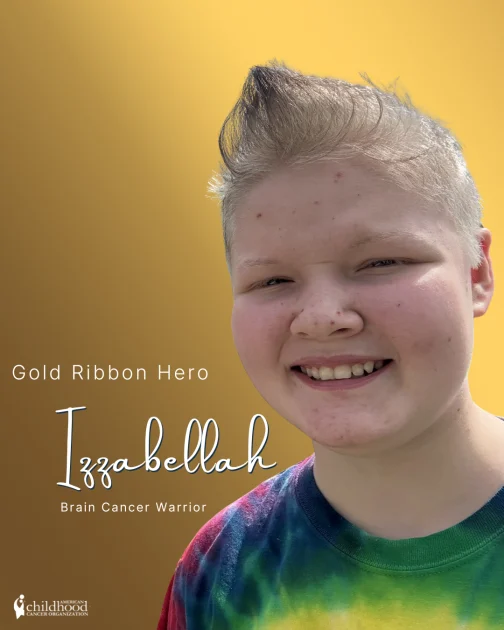
The diagnostic journey for pediatric brain cancer often begins with subtle, non-specific symptoms that mask the severity of the underlying condition, a reality experienced firsthand by Izzabellah “Bellah” and her family. For four consecutive months, Bellah reported persistent and worsening headaches, a common clinical presentation that often requires careful neurological screening to differentiate from more benign childhood ailments. When an Magnetic Resonance Imaging (MRI) scan was finally performed, the results were immediate and life-altering, prompting an urgent series of medical interventions that would span years. According to her mother, Natalie, the gravity of the situation was apparent the moment the imaging was reviewed, leading to a rapid escalation of care from a regional facility to the specialized oncology and neurosurgery departments at Riley Children’s Hospital in Indianapolis.
This case highlights the critical window of diagnosis in pediatric neuro-oncology and the subsequent grueling regimen of multi-modal therapy required to combat central nervous system (CNS) tumors in children. Bellah’s experience—comprising multiple surgeries, extended chemotherapy, and intensive radiation—serves as a focal point for understanding the physical, emotional, and systemic challenges faced by thousands of families across the United States.
The Clinical Chronology of Treatment and Intervention
The medical response to Bellah’s diagnosis was swift, beginning with a primary neurosurgical procedure to remove the first identified tumor. In pediatric oncology, surgical resection is often the first line of defense, aimed at reducing intracranial pressure and obtaining tissue samples for histopathological analysis. However, the complexity of brain cancer was soon evidenced when medical teams discovered additional tumors, necessitating a shift from localized surgery to systemic and targeted therapies.
Bellah’s treatment timeline reflects the protracted nature of modern cancer care. Following her initial surgery, she underwent a 13-month course of oral chemotherapy. Unlike traditional intravenous chemotherapy, oral agents allow for home-based administration but require strict adherence and can cause significant gastrointestinal and hematological side effects. When the disease persisted, a second brain surgery was required, followed by an eight-week course of high-precision radiation therapy. Radiation in pediatric patients is a delicate balance, as clinicians must target malignant cells while minimizing exposure to developing brain tissue to prevent long-term cognitive and endocrine deficits.
The final phase of her documented clinical journey involved a return to chemotherapy, illustrating the "cycling" nature of treatment often necessary when dealing with aggressive or recurrent tumors. Throughout this period, Bellah was managed by a multidisciplinary team of specialists, including neuro-oncologists, radiologists, and supportive care clinicians, to address the systemic side effects of her rigorous treatment schedule.
Statistical Overview of Pediatric Brain Cancer in the United States
Bellah’s battle is part of a larger public health challenge. According to data from the National Cancer Institute (NCI) and the American Childhood Cancer Organization (ACCO), cancer remains the leading cause of death by disease among children in the United States. Within this category, brain and other central nervous system tumors are the most common solid tumors found in children and adolescents, accounting for approximately 20% of all pediatric cancers.
Current data from the Central Brain Tumor Registry of the United States (CBTRUS) indicates that:
- Approximately 4,000 to 5,000 new cases of pediatric brain tumors are diagnosed annually.
- Brain tumors have surpassed leukemia as the leading cause of cancer-related deaths in children and adolescents under the age of 19.
- While the five-year survival rate for pediatric brain tumors has improved to approximately 75% due to advancements in surgical techniques and molecularly targeted therapies, the "quality of survival" remains a significant concern due to the long-term effects of treatment.
The financial burden on families is also substantial. The ACCO notes that the average cost of a childhood cancer diagnosis can exceed $800,000 when accounting for hospital stays, specialized medications, and lost parental wages. These statistics underscore the necessity of organizations that provide both emotional and financial scaffolding for families in crisis.
Psychosocial Impacts and the Digital Pivot of Patient Advocacy
Beyond the physiological toll, pediatric cancer inflicts a heavy psychosocial burden on adolescents. For Bellah, the treatment process resulted in significant social isolation—a common experience for "warriors" who must withdraw from traditional school environments to avoid infection or manage debilitating fatigue. The loss of peer groups and the inability to participate in milestone social events can lead to feelings of alienation.
In response to this isolation, Bellah utilized digital platforms to regain a sense of agency. By creating short videos and blogs, she transitioned from a passive recipient of medical care to an active advocate and storyteller. This phenomenon, often referred to in medical sociology as "digital health narratives," allows patients to process their trauma while providing a support network for others facing similar diagnoses.
Professional observers note that such advocacy is a vital component of the healing process. It provides a platform for patients to express the "unseen" elements of the disease, such as the anxiety of recurring scans and the physical changes associated with chemotherapy and radiation. Bellah’s efforts to encourage others through her content highlight a burgeoning trend where pediatric patients leverage social media to humanize clinical statistics.
Institutional Support and the Role of Riley Children’s Hospital
The role of specialized pediatric institutions cannot be overstated. Riley Children’s Hospital, where Bellah received much of her care, is recognized as one of the nation’s top pediatric research and treatment centers. Facilities of this caliber offer access to clinical trials that are often unavailable at regional hospitals, providing a lifeline for patients with complex or refractory tumors.
Statements from the pediatric oncology community emphasize that "comprehensive care" must extend beyond the operating room. This includes access to child life specialists, social workers, and physical therapists who help children navigate the transition from the hospital back to the community. The American Childhood Cancer Organization (ACCO) works in tandem with these institutions, advocating for increased federal research funding through initiatives like the Childhood Cancer STAR Act and providing resources like the "Medical Play Kits" to help children understand their treatments.
Resilience in Post-Treatment Life: A Transition to Caregiving
One of the most striking aspects of Bellah’s journey is her current trajectory. Despite the rigors of her medical history, she has maintained her education and entered the workforce as an activity aide at a local nursing facility. This transition from being a recipient of care to a provider of care is a powerful indicator of resilience.
Occupational therapists suggest that for childhood cancer survivors, finding meaningful employment or volunteer work is a critical milestone in reclaiming a "normal" identity. Bellah’s work with the elderly provides a unique perspective, bridging the gap between two vulnerable populations and demonstrating the long-term viability of survivors when provided with adequate support. Her ability to balance the demands of school with a professional role serves as a testament to the success of her multidisciplinary treatment plan.
Broader Implications and the Call for Continued Research
The story of Izzabellah Bellah serves as a call to action for the medical and legislative communities. While individual success stories provide hope, the systemic gaps in pediatric oncology remain. Currently, only about 4% of the National Cancer Institute’s federal budget is dedicated specifically to childhood cancer research. This disparity often results in "off-label" use of adult medications for children, which can be more toxic to developing bodies.
The implications of Bellah’s journey suggest several key areas for future focus:
- Early Detection Training: Enhancing the ability of primary care physicians to recognize the neurological red flags of brain tumors to reduce the "headache-to-diagnosis" window.
- Support for Survivorship: Developing robust long-term follow-up programs to manage the late effects of radiation and chemotherapy, including cardiovascular health and cognitive support.
- Funding Parity: Advocating for increased private and public investment in pediatric-specific drug development to reduce the reliance on aggressive, broad-spectrum treatments.
The ACCO’s slogan, "Kids can’t fight cancer alone," encapsulates the collective responsibility of society, healthcare providers, and donors. The resilience shown by Bellah is a personal victory, but the ongoing battle against pediatric brain cancer requires a sustained, multi-faceted approach to research, policy, and community support. As Bellah continues her studies and her work in the healthcare sector, her journey stands as a living record of the progress made in pediatric oncology and the significant work that remains to be done.
