
 By admin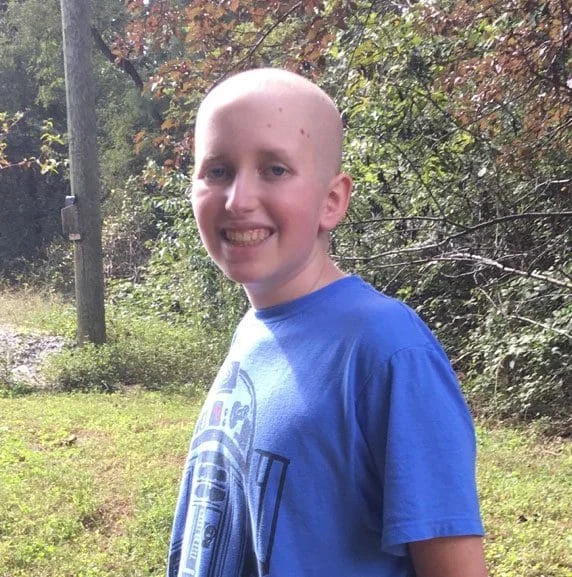
The landscape of pediatric oncology is often defined by a stark contrast between rapid medical advancements and the harrowing, lived realities of the families navigating these diagnoses. In the United States, cancer remains the leading cause of death by disease among children, with leukemia representing nearly one-third of all pediatric cancer cases. Among the various forms of this disease, Acute Myeloid Leukemia (AML) presents one of the most significant clinical challenges due to its aggressive nature and the high toxicity associated with its treatment protocols. The case of Luke Getchell, a 13-year-old diagnosed with a particularly virulent strain of AML, serves as a poignant focal point for the current national conversation surrounding the necessity for targeted, less toxic pediatric therapies.
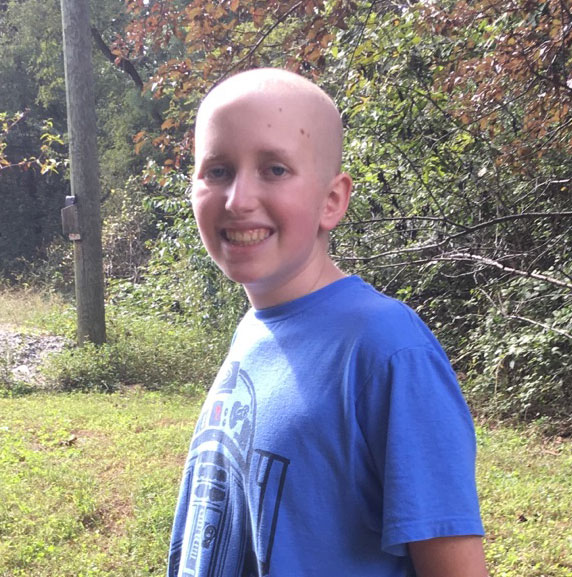
Luke Getchell was a typical teenager from Richmond, Virginia, described by his family and peers as kind, empathetic, and an avid enthusiast of culinary arts and Lego construction. However, in July 2018, his life and the lives of his family members were irrevocably altered by a diagnosis of AML. Further testing revealed that Luke’s cancer carried the FLT3-ITD genetic alteration. In the field of oncology, the FLT3-ITD (Fms-like tyrosine kinase 3 with internal tandem duplication) mutation is recognized as a high-risk biomarker. It is associated with a significantly higher rate of relapse and a lower overall survival rate compared to other pediatric leukemia subtypes. For Luke, this meant that the standard course of treatment would be exceptionally rigorous, and the prognosis would remain guarded from the outset.
A Chronology of Treatment and Clinical Complications
The 14-month period following Luke’s diagnosis was characterized by a cycle of intensive medical intervention and severe physiological setbacks. The standard of care for pediatric AML typically involves high-dose chemotherapy, which, while intended to eradicate malignant cells, frequently inflicts systemic damage on the patient’s developing body. Luke’s clinical journey reflected the extreme end of this spectrum.
Throughout late 2018 and early 2019, Luke underwent multiple rounds of chemotherapy. While these treatments were initially successful in reducing his blast counts, they triggered a cascade of secondary health crises. The toxicity of the medications led to a colon infection, sepsis—a life-threatening response to infection—and permanent heart damage. These complications are not uncommon in pediatric oncology; many survivors of childhood cancer face lifelong "late effects," including cardiovascular disease and secondary malignancies, due to the intensity of their initial treatments.
In early 2019, approximately six months after his diagnosis, Luke’s medical team reported that his tests showed no detectable signs of leukemia. This period of remission offered a brief window of optimism for the Getchell family. However, this respite lasted only one week. Subsequent blood work indicated a rapid rise in white blood cell counts, signaling a relapse. In cases of AML with the FLT3-ITD mutation, relapse often occurs quickly and is frequently resistant to the therapies that were previously effective.
The post-relapse phase was marked by a rapid decline in Luke’s physical condition. He suffered from a confluence of ailments, including Graft-Versus-Host Disease (GVHD), severe skin issues, and steroid-induced diabetes resulting from the high doses of prednisone required to manage inflammation. By September 2019, the cancer had become refractory to treatment. Luke lost his mobility and his eyesight as the disease progressed. On October 20, 2019, at the age of 14, he passed away from complications related to his illness and its treatment.
The Biological Profile of FLT3-ITD in Pediatric AML
To understand why Luke’s case was so difficult to manage, it is necessary to examine the biological underpinnings of his specific diagnosis. AML is a cancer of the blood and bone marrow characterized by the overproduction of immature white blood cells. While pediatric AML has seen improvements in five-year survival rates—now hovering around 65% to 70%—those figures drop significantly when specific genetic mutations are present.
The FLT3 gene plays a critical role in the proliferation and survival of hematopoietic stem cells. When an internal tandem duplication (ITD) occurs, the FLT3 receptor is constitutively activated, meaning it stays "turned on" and continuously signals the cells to divide. This leads to a rapid accumulation of leukemia cells. Because these cells are inherently more aggressive, they often outpace the ability of traditional chemotherapy to destroy them. Furthermore, the "blunt force" nature of current chemotherapy means that the dosage required to kill these hardy cancer cells often nears the threshold of what a child’s vital organs can tolerate.
The Research Frontier: Seeking Less Toxic Alternatives
The tragedy of the Getchell family highlights a critical gap in the current medical model: the need for precision medicine that targets cancer cells without devastating the patient’s healthy tissues. In response to this need, organizations like CureSearch for Children’s Cancer are prioritizing the funding of innovative research projects aimed at the "how" and "why" of leukemia development.
One such project is led by Dr. Elvin Wagenblast at Mount Sinai. Dr. Wagenblast’s team is utilizing advanced genomic tools and CRISPR technology to model the earliest stages of childhood leukemia. By identifying the specific cellular origins of the disease, researchers hope to uncover "vulnerabilities" in the cancer cells that can be exploited with targeted therapies. Targeted therapies, unlike traditional chemotherapy, are designed to interfere with specific molecules involved in the growth and progression of cancer. For a patient with an FLT3-ITD mutation, this might involve highly specific FLT3 inhibitors that could potentially induce remission with a fraction of the systemic toxicity experienced by patients like Luke.
CureSearch has launched a fundraising initiative during Childhood Cancer Awareness Month with a goal of $25,000 to support Dr. Wagenblast’s work. This funding is part of a broader effort to shift the paradigm of pediatric oncology toward "smart" treatments that preserve the quality of life for young patients.
National Implications and the Funding Disparity
The struggle to find safer treatments for pediatric cancer is exacerbated by a significant disparity in research funding. Data from the National Cancer Institute (NCI) indicates that while cancer is a leading cause of death in children, only about 4% of the federal budget for cancer research is specifically allocated to pediatric cancers. The vast majority of oncology research and drug development is directed toward adult cancers, such as breast, lung, and prostate cancer, which have larger patient populations and, consequently, higher profit potential for pharmaceutical companies.
This funding gap means that many pediatric treatments are essentially "hand-me-downs" from adult medicine—drugs that were designed for adult bodies and later adjusted for children. However, children are not merely small adults; their developing systems react differently to toxic agents, leading to the severe secondary issues observed in Luke Getchell’s case. Private foundations and community-led initiatives have become the primary drivers for specialized pediatric research, filling the void left by federal and commercial funding structures.
The Legacy of "Luke’s Lego-cy"
In the wake of Luke’s passing, his family and the Richmond community have sought to transform their grief into a lasting contribution to pediatric care. Luke’s passion for Legos—a hobby he maintained even during his most difficult hospital stays—has been memorialized through the "Luke’s Lego-cy" display. Located at the Children’s Wonder Tower at VCU Health in Richmond, Virginia, the display features several of his models, serving as a reminder of the personhood of the patients behind the clinical statistics.
Medical professionals at VCU Health have noted that such displays provide more than just aesthetic value; they offer a sense of normalcy and inspiration for other children undergoing treatment. Furthermore, the visibility of Luke’s story has galvanized local support for cancer research, highlighting the human cost of the current limitations in oncological care.
Analysis of Broader Impacts
The case of Luke Getchell is a stark illustration of the limitations of 21st-century medicine in the face of complex genetic mutations. While the medical community has made strides in treating "standard-risk" leukemias, the "high-risk" categories remain a formidable frontier. The implications of Luke’s journey are three-fold:
First, there is a clear clinical mandate for the integration of genomic sequencing into the standard diagnostic process for all pediatric cancer patients. Identifying mutations like FLT3-ITD early allows for more aggressive or specialized monitoring, though it also underscores the frustration of having diagnostic capabilities that sometimes outpace therapeutic options.
Second, the economic and social burden on families is immense. The 14 months the Getchells spent in and out of the hospital involved not only emotional trauma but also the logistical challenges of long-term hospitalization, which often impacts parental employment and sibling well-being.
Third, the advocacy sparked by Luke’s story emphasizes the role of the public in directing the future of medical research. By setting specific fundraising goals for investigators like Dr. Wagenblast, advocacy groups are attempting to bypass the slow-moving machinery of federal funding to accelerate the development of life-saving drugs.
The ultimate goal of these efforts is to ensure that future families do not have to endure what the Getchells described as the "heartbreaking, stomach-turning reality" of childhood cancer. The push for $25,000 in research funding is a small but vital step toward a future where a diagnosis of AML is no longer a death sentence, and where the "cure" is not as dangerous as the disease itself. As Childhood Cancer Awareness Month continues, the story of Luke Getchell remains a call to action for the scientific community, policymakers, and the public alike to prioritize the lives of the youngest and most vulnerable patients.
