
 By admin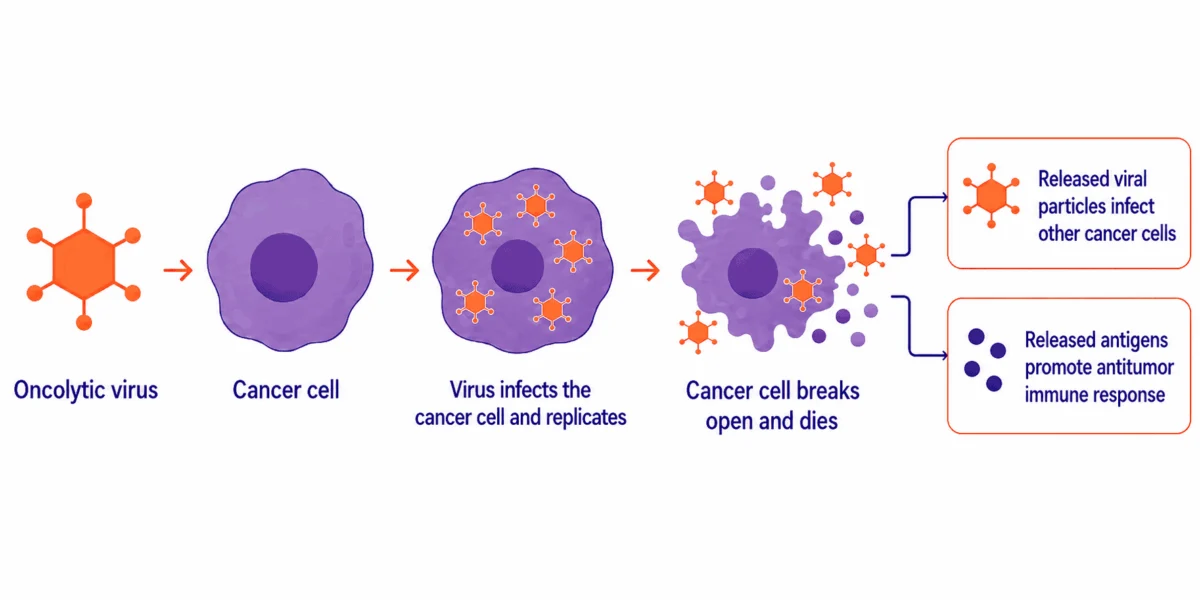
The U.S. Food and Drug Administration (FDA) has announced the accelerated approval of Tudriqev (vusolimogene oderparepvec-wtpg, formerly RP1), an oncolytic virus therapy, in combination with the immune checkpoint inhibitor nivolumab (Opdivo®). This landmark decision, made on August 6, 2026, signifies the FDA’s first new approval of an oncolytic virus treatment in over a decade, offering a critical new therapeutic avenue for adult patients battling unresectable advanced cutaneous melanoma whose disease has progressed following prior treatment with a PD-1-blocking therapy. This development not only expands the arsenal against a challenging form of cancer but also reaffirms the growing prominence of immunotherapy and the innovative potential of viral-based treatments.
Understanding the Mechanism: How Viruses Transform into Cancer Fighters
For centuries, viruses have been synonymous with disease and infection, entities to be avoided and combated. However, modern scientific advancements have enabled researchers to harness the inherent biological mechanisms of certain viruses, transforming them from pathogens into potent therapeutic agents against cancer. These specially engineered treatments, known as oncolytic virus therapies, represent a sophisticated fusion of virology and oncology. Their primary modus operandi involves a two-pronged attack: directly targeting and destroying cancer cells while simultaneously stimulating the patient’s immune system to recognize and eliminate residual malignant cells.
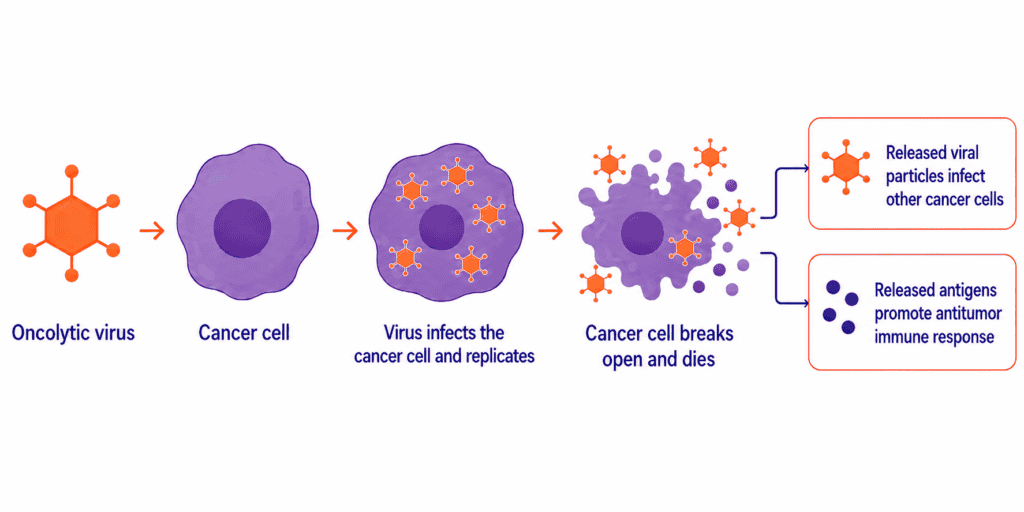
At its core, an oncolytic virus functions by preferentially infecting and replicating within cancer cells. Unlike healthy cells, which possess robust antiviral defense mechanisms, many cancer cells have impaired antiviral pathways, making them vulnerable to viral infection. Once inside a cancerous cell, the oncolytic virus rapidly multiplies, utilizing the cell’s machinery for its own replication. This intense viral proliferation eventually overwhelms and lyses the cancer cell, causing it to burst open and die. This process, known as oncolysis, releases a fresh cohort of viral particles that can then propagate the cytotoxic cycle by infecting adjacent cancer cells.
Crucially, the impact of oncolytic viruses extends beyond direct cell killing. The destruction of cancer cells by the virus triggers a powerful immune response. As cancer cells rupture, they release a cascade of tumor-associated antigens—proteins unique to or overexpressed by cancer cells—along with danger signals and inflammatory molecules (Damage-Associated Molecular Patterns, or DAMPs). These signals act as an alarm, attracting various immune cells, including antigen-presenting cells like dendritic cells, to the tumor microenvironment. Dendritic cells capture these released cancer antigens and present them to T-cells, effectively "educating" the immune system to recognize the cancer cells as foreign invaders. This process primes and activates tumor-specific T-cells, which can then launch a systemic attack against cancer cells throughout the body, including those not directly infected by the virus. Furthermore, many contemporary oncolytic viruses are genetically engineered to express additional therapeutic genes, such as cytokines or chemokines, which further amplify the local immune response and enhance the recruitment and activation of immune effector cells, creating a highly pro-inflammatory and anti-tumor environment.
A Century of Discovery: The Evolution of Oncolytic Virus Therapy
The concept of leveraging viruses to combat cancer is not a modern invention but rather an idea with roots stretching back over a century. The earliest documented observation dates to 1904, when physicians noted spontaneous tumor regression in a patient experiencing a viral infection. This serendipitous finding sparked curiosity within the medical community, leading to initial, albeit rudimentary, investigations. In the 1950s and 1960s, researchers began deliberately experimenting with naturally occurring viruses, such as adenovirus, vaccinia virus, and measles virus, in patients with various cancers. While some patients exhibited promising responses, these early approaches were largely uncontrolled and fraught with significant safety concerns. A major challenge was the inability to ensure that the viruses specifically targeted cancer cells without inflicting damage on healthy tissues, leading to systemic toxicity and often limited efficacy.
The field experienced a pivotal transformation in the 1990s with the advent of advanced genetic engineering technologies. These breakthroughs allowed scientists to precisely modify viral genomes, imbuing them with enhanced tumor selectivity and improved safety profiles. Researchers could now delete genes essential for viral replication in healthy cells while retaining them for replication in cancer cells, or insert genes that would only be activated in the specific environment of a tumor. This era ushered in a new generation of "armed" oncolytic viruses designed to be more potent and targeted.
A significant milestone arrived in 2015 with the FDA approval of T-VEC (talimogene laherparepvec, Imlygic®), a modified herpes simplex virus, for certain patients with melanoma. T-VEC’s approval marked the first oncolytic virus therapy to gain regulatory clearance in the U.S., validating the therapeutic potential of this innovative approach and setting a precedent for future developments. Its success demonstrated the viability of genetically engineered viruses to achieve tumor-selective replication and stimulate anti-tumor immunity. The subsequent approval of Tudriqev more than a decade later underscores the continued evolution and refinement of this therapeutic modality, adding another vital option to a still nascent but rapidly expanding category of cancer immunotherapies. Prior to Tudriqev, oncolytic viruses represented only a small fraction—just one of 156 FDA cancer immunotherapy approvals tracked by the Cancer Research Institute (CRI)—highlighting the groundbreaking nature of this latest advancement.

Tudriqev’s Breakthrough: The IGNYTE Trial and Its Implications
Tudriqev, like its predecessor T-VEC, is a genetically modified herpes simplex virus (HSV). It is designed to be injected directly into tumors, where it initiates its dual mechanism of action. The accelerated approval of Tudriqev in combination with nivolumab was primarily based on compelling data derived from the IGNYTE clinical trial, a pivotal study involving patients with advanced melanoma whose disease had unfortunately progressed after receiving treatment with a PD-1 checkpoint inhibitor. This specific patient population represents a critical unmet medical need, as options are limited once resistance to frontline immunotherapies develops.
The IGNYTE trial enrolled a total of 140 patients. For the primary efficacy analysis, researchers meticulously evaluated 91 patients who had at least one tumor that was not directly injected with Tudriqev, allowing for an assessment of the systemic immune response generated by the therapy. The results were highly encouraging: 24.2% of these patients achieved an objective response to treatment, meaning their tumors shrank by a predefined amount according to established clinical criteria. More importantly, among those patients who responded, the median duration of response was a robust 14.1 months, indicating sustained disease control. These findings demonstrated that Tudriqev, in combination with nivolumab, could elicit meaningful and durable anti-tumor responses in a challenging patient cohort that had previously exhausted other advanced immunotherapy options.
The decision to combine Tudriqev with nivolumab, an immune checkpoint inhibitor, is rooted in a sophisticated understanding of immune biology. Immune checkpoint inhibitors like nivolumab work by "releasing the brakes" on T-cells, thereby enhancing their ability to recognize and attack cancer. However, for these inhibitors to be maximally effective, T-cells must first be primed to recognize cancer antigens. This is precisely where oncolytic viruses like Tudriqev play a synergistic role. By directly lysing tumor cells and releasing a flood of tumor antigens and danger signals, Tudriqev acts as an in situ vaccine, effectively priming the immune system and generating a robust T-cell response against the cancer. When combined with nivolumab, which then unleashes these newly activated T-cells, the therapeutic effect is significantly amplified, leading to a more potent and comprehensive anti-tumor attack. This combination strategy leverages the distinct strengths of both modalities, creating a powerful therapeutic synergy.
Navigating Accelerated Approval: A Pathway to Expedited Access
Tudriqev’s approval through the FDA’s accelerated approval pathway is a critical aspect of its journey to patients. This pathway is specifically designed to expedite the availability of promising new drugs for serious conditions where there is an unmet medical need, and where the drug demonstrates a meaningful advantage over existing treatments. Accelerated approval is granted based on evidence that is "reasonably likely to predict clinical benefit," often relying on surrogate endpoints such (e.g., tumor response rate or progression-free survival) that can be measured sooner than overall survival.
While this pathway offers faster access to innovative therapies, it comes with a crucial caveat: the pharmaceutical company, in this case, Replimune (the developer of Tudriqev), is required to conduct additional, confirmatory research to definitively establish and verify the clinical benefit of Tudriqev plus nivolumab. Continued approval of the drug may ultimately depend on the favorable outcomes of these post-marketing studies. This regulatory mechanism strikes a delicate balance between rapidly making potentially life-saving treatments available to patients who desperately need them and ensuring the long-term efficacy and safety of these interventions through rigorous scientific validation.
Potential Side Effects and Patient Considerations
As with virtually all cancer treatments, Tudriqev plus nivolumab carries a risk of side effects. During the IGNYTE clinical trial, common adverse events reported included fatigue, fever, chills, nausea, reactions at the injection site, and flu-like symptoms. These systemic effects are often indicative of the immune system being activated, which is part of the therapeutic mechanism.
However, given that Tudriqev is a modified herpes simplex virus, specific warnings accompany its use regarding the potential for herpes infection and accidental exposure to the virus. Patients must be carefully monitored for signs of active herpes infection, and healthcare providers and caregivers must adhere to strict handling and administration protocols to minimize the risk of transmission. Open and thorough communication with one’s healthcare team is paramount. Patients are strongly advised to discuss the full spectrum of potential benefits and risks associated with the treatment, and to be vigilant for any emerging side effects, reporting them promptly to their medical providers. Resources such as the Cancer Research Institute’s Patient’s Guide to Immunotherapy for Melanoma can provide valuable supplementary information.
The Broader Horizon: Future Directions in Oncolytic Virus Therapy
While the approval of Tudriqev marks a significant step forward, oncolytic viruses remain largely experimental for most cancer types. The scientific community is intensely focused on unraveling the complex interplay between different tumors and these viral therapies, aiming to identify which cancer types are most responsive and which combination strategies yield the most profound and durable clinical benefits. Research within networks like the Cancer Research Institute (CRI) and other leading institutions spans a wide array of investigations.
Scientists are exploring various viral platforms beyond HSV, including adenoviruses, reoviruses, and vaccinia viruses, each with distinct biological properties that may offer advantages for specific tumor types or treatment scenarios. A key area of research involves optimizing viral engineering to enhance tumor specificity, improve systemic delivery (especially for non-injectable, metastatic tumors), and further "arm" viruses with genes that can overcome immune suppression within the tumor microenvironment or directly promote anti-tumor immunity.
For patients in the U.S., approved oncolytic virus therapy is currently confined to melanoma. However, hundreds of novel oncolytic virus approaches are undergoing rigorous evaluation in clinical trials globally, targeting dozens of different cancers, including glioblastoma, lung cancer, colorectal cancer, and ovarian cancer. Researchers are diligently working to precisely delineate the patient populations most likely to derive benefit from these therapies, exploring biomarkers that can predict response, and investigating novel combinations with other immunotherapies, chemotherapy, radiation, and targeted agents. The goal is to move beyond direct injection into accessible tumors and develop strategies for systemic delivery to metastatic sites, overcome viral neutralization by the host immune system, and prevent the development of resistance mechanisms by cancer cells. The long-term vision is to integrate oncolytic virus therapy into the standard treatment paradigms for a broader spectrum of malignancies, ultimately transforming patient outcomes and offering new hope in the fight against cancer.
Expert and Stakeholder Reactions to a Landmark Approval
The FDA’s accelerated approval of Tudriqev has been met with significant optimism from regulatory bodies, the pharmaceutical industry, and the oncology community. An FDA spokesperson, commenting on the approval, emphasized the agency’s commitment to facilitating the development and availability of innovative treatments for patients facing serious and life-threatening conditions. They likely highlighted that the accelerated approval pathway serves a vital role in bringing promising therapies to patients sooner, particularly when conventional options are limited, while maintaining robust standards for post-market confirmation.
Replimune, the company behind Tudriqev, expressed profound enthusiasm for this milestone. Company executives likely reiterated their dedication to patients with advanced melanoma, stressing that the approval represents years of rigorous research and development aimed at addressing a critical unmet need. They are expected to reaffirm their commitment to conducting the necessary confirmatory trials to validate the long-term clinical benefits, further solidifying Tudriqev’s position in the treatment landscape.
Oncologists and patient advocacy groups have also welcomed the news, underscoring the importance of new treatment options for patients whose melanoma has progressed after PD-1 therapy. Experts suggest that the combination of an oncolytic virus with a checkpoint inhibitor offers a distinct and powerful mechanism of action, potentially reactivating anti-tumor immunity in patients who have become resistant to single-agent immunotherapies. This innovative approach provides renewed hope for individuals who previously faced limited prospects, potentially extending lives and improving quality of life. The approval of Tudriqev reinforces the paradigm shift towards multi-modal immunotherapy, showcasing how combining distinct therapeutic strategies can lead to synergistic effects and better outcomes for patients grappling with aggressive cancers.
