
 By admin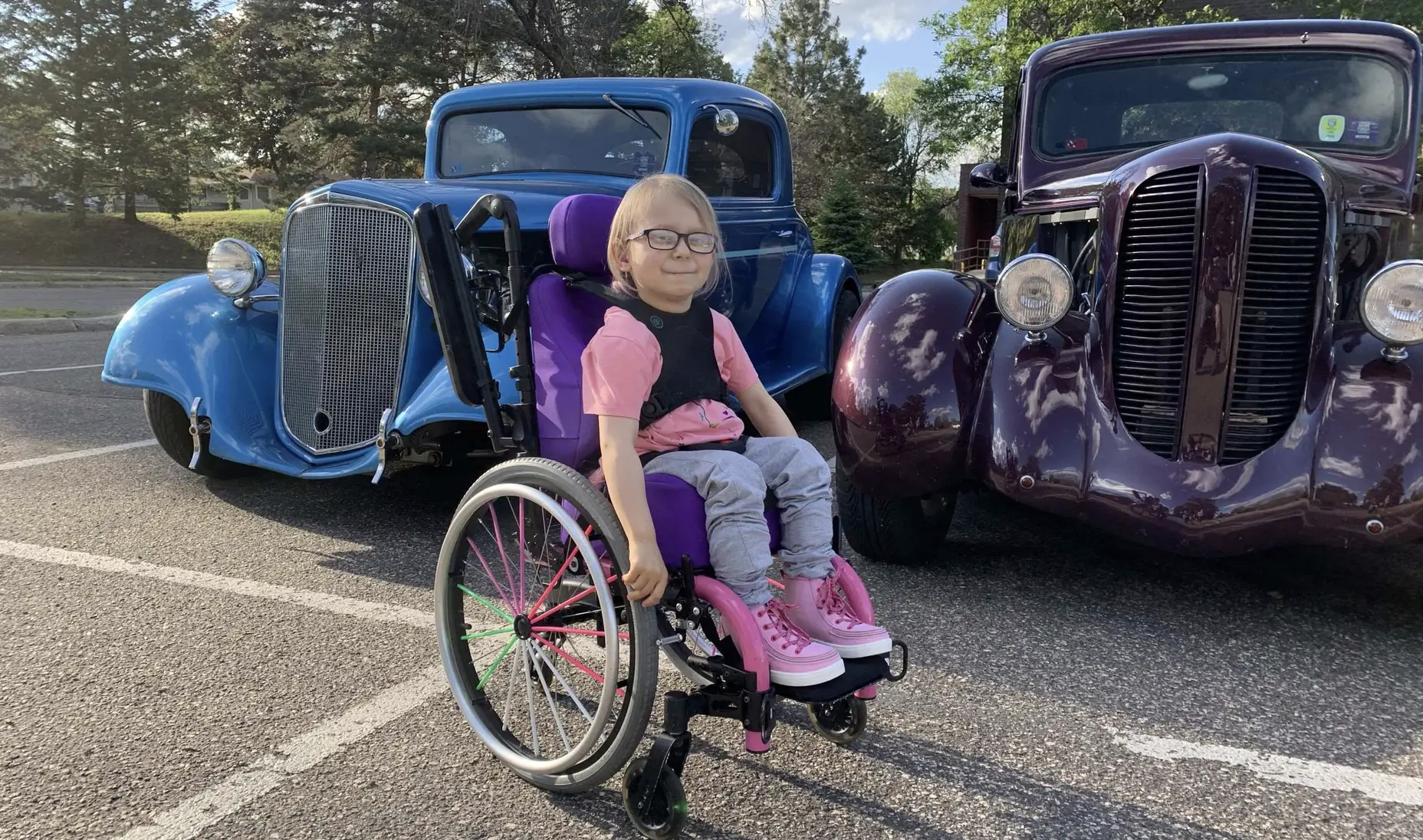
The trajectory of pediatric oncology is often defined by the intersection of individual patient struggles and the relentless pursuit of scientific innovation. For Emma, a child whose life was irrevocably altered at the age of two, the transition from a healthy toddler to a cancer patient occurred with startling speed. Her family first realized the severity of her condition not during a routine wellness check, but when she abruptly lost her ability to walk. Clinical evaluations soon revealed the cause: a neuroblastoma tumor pressing firmly against her spinal cord. This diagnosis marked the beginning of an arduous 18-month clinical journey that highlights both the devastating nature of high-risk neuroblastoma and the urgent need for the next generation of targeted therapies.
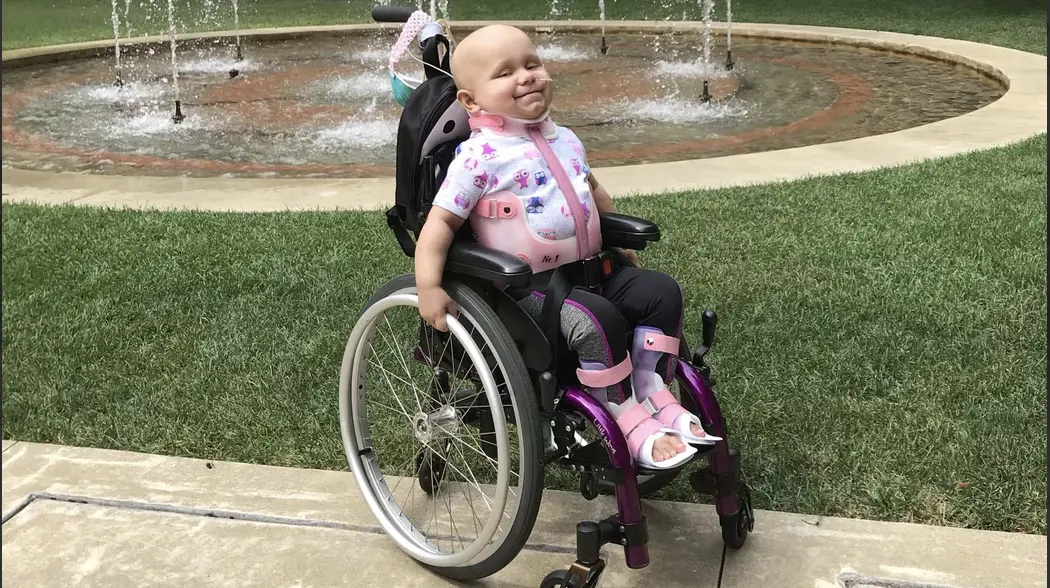
Emma’s case is emblematic of the aggressive clinical intervention required to combat high-risk neuroblastoma. Because her cancer was classified as high-risk—a designation based on the tumor’s genetic markers, the patient’s age, and the extent of disease spread—medical teams immediately initiated a multi-modal treatment protocol. This intensive regimen included systemic chemotherapy to reduce tumor volume, followed by complex spinal cord surgery to alleviate pressure on her nervous system. The complexity of her condition further necessitated a partial lung removal and the administration of proton beam radiation, a precise form of radiotherapy designed to minimize damage to surrounding healthy tissue. Her treatment concluded with a grueling stem cell transplant and a course of immunotherapy, a combination intended to eradicate any residual microscopic disease.
The Biological Landscape of Neuroblastoma
Neuroblastoma is a malignancy of the sympathetic nervous system, arising from immature nerve cells known as neuroblasts. These cells are part of the peripheral nervous system and are typically found in the adrenal glands, though tumors can also develop in the abdomen, chest, neck, and near the spine. It is the most common extracranial solid tumor in childhood, accounting for approximately 7% to 10% of all pediatric cancers and roughly 15% of all pediatric cancer deaths.
The disease is characterized by its extreme heterogeneity. In low-risk cases, which often occur in infants, the prognosis is excellent, with survival rates exceeding 95%. In some rare instances, low-risk neuroblastoma tumors have even been observed to undergo spontaneous regression without intensive treatment. However, the "high-risk" subset presents a vastly different clinical reality. These cases often involve the amplification of the MYCN oncogene, which drives rapid cellular proliferation and resistance to standard therapies. For children like Emma, the survival rate drops significantly, currently hovering between 50% and 60% despite the most aggressive interventions available in modern medicine.
The Chronology of Treatment and the Burden of Survivorship
Emma’s 18-month hospitalization reflects the "standard of care" for high-risk patients, a marathon of toxicity that often leaves lasting imprints on the body. While Emma is now classified as a survivor, her victory over cancer came at a significant physiological cost. The long-term side effects, often referred to by clinicians as "late effects," are a pervasive reality for pediatric cancer survivors.
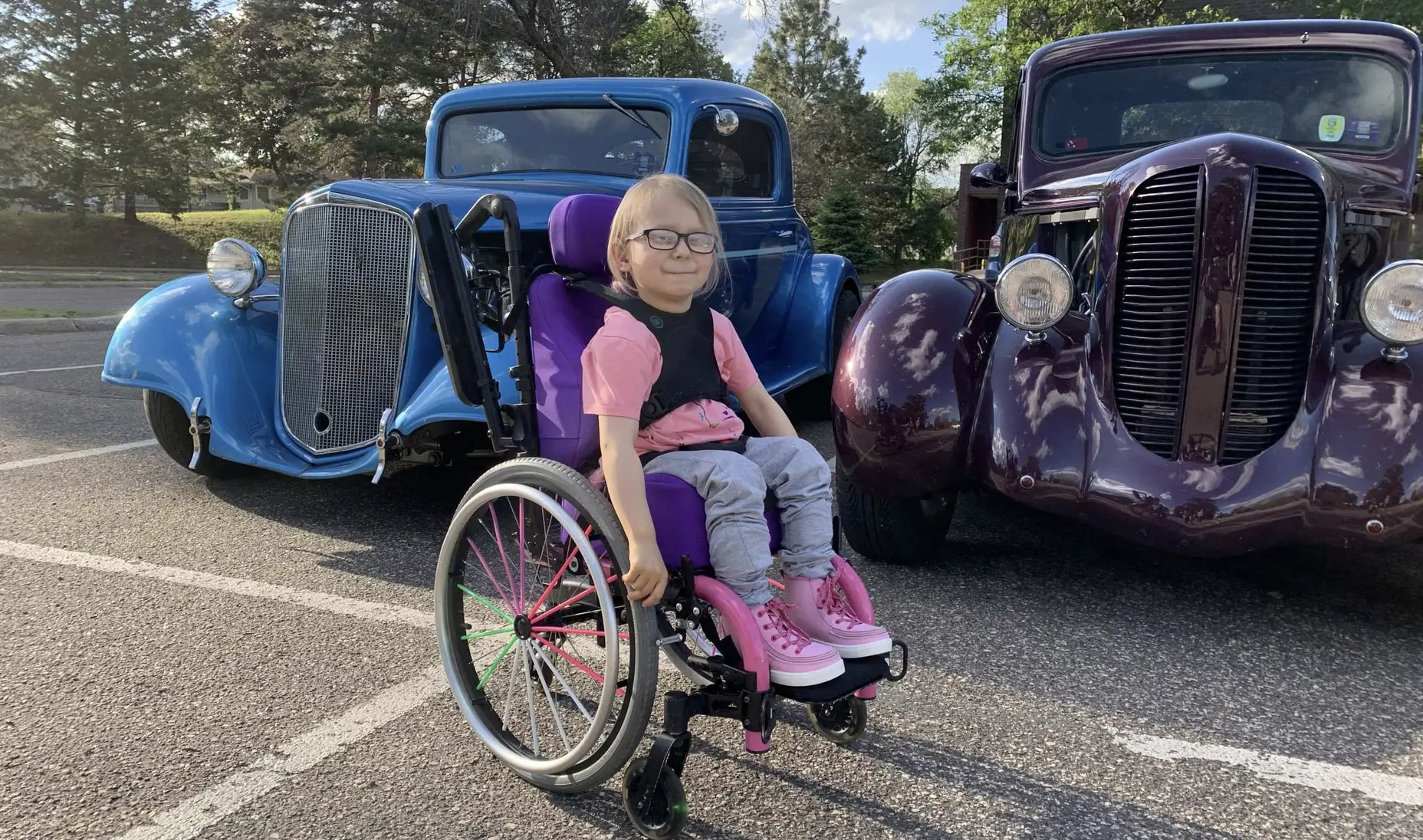
Emma’s current health status includes profound hearing loss—a common side effect of platinum-based chemotherapies such as cisplatin—and permanent paralysis resulting from the tumor’s impact on her spinal architecture. Furthermore, the intensity of her treatment has left her with a compromised immune system and chronic mental exhaustion. The psychological burden of "relapse anxiety" remains a constant presence for her family, as neuroblastoma is notorious for its high rate of recurrence, particularly within the first few years after treatment completion.
The logistical challenges of survivorship are equally daunting. Emma’s family resides approximately one hour from the nearest major medical center, and her specialized care team is distributed across two different states. This geographic fragmentation creates significant barriers to accessing the essential rehabilitative services—including physical, occupational, and speech therapy—necessary to manage her paralysis and hearing loss. Her experience underscores a critical gap in the healthcare system: the need for integrated, local support for survivors of high-risk pediatric malignancies.
Innovations in Immunotherapy: The Goldsmith Study
Recognizing the limitations and toxicity of current protocols, the Children’s Cancer Research Fund (CCRF) has directed significant resources toward novel therapeutic avenues. A primary focus of this funding is a groundbreaking study led by Kelly Goldsmith, MD, at Emory University’s Winship Cancer Institute. Dr. Goldsmith’s research aims to revolutionize the treatment of high-risk neuroblastoma by leveraging the power of the innate immune system, specifically through the use of gamma delta (γδ) T cells.
Unlike traditional alpha beta T cells, which are the basis for many current CAR-T cell therapies, gamma delta T cells possess unique properties that make them particularly suited for cancer immunotherapy. They do not require the same level of "matching" between donor and recipient, which opens the possibility for "off-the-shelf" treatments produced from healthy donors. This is a critical advantage for pediatric patients whose own immune systems have been decimated by prior rounds of chemotherapy.
The Goldsmith study focuses on engineering these gamma delta T cells to target a specific protein known as GFRA2 (Glial Cell Line-Derived Neurotrophic Factor Receptor Alpha 2). This protein is frequently expressed on the surface of neuroblastoma cells, particularly those that have metastasized to the brain—a site that is notoriously difficult to treat because many standard chemotherapy drugs cannot cross the blood-brain barrier. By targeting GFRA2, researchers hope to create a precision-guided "living drug" that can seek out and destroy cancer cells in the central nervous system while sparing healthy brain tissue.
Enhancing Cellular Longevity and Efficacy
A significant hurdle in T-cell therapy is "exhaustion," a state where the engineered immune cells lose their ability to attack the tumor after a short period. Dr. Goldsmith’s team is working to overcome this by genetically modifying the gamma delta T cells to enhance their persistence and activity within the body. By strengthening the cells’ metabolic resilience, the research aims to ensure that the immunotherapy remains active long enough to achieve a durable remission.
The implications of this research extend beyond neuroblastoma. If gamma delta T cells can be successfully harnessed to treat solid tumors in the brain, the platform could potentially be adapted for other difficult-to-treat pediatric and adult cancers. This shift toward "innate" immunotherapy represents a pivot from the "scorched earth" approach of high-dose chemotherapy toward a more nuanced, biological strategy.
Institutional Responses and the Funding Gap
The medical community has reacted to these developments with cautious optimism. Leading pediatric oncologists emphasize that while survival rates have improved over the last three decades, the "therapeutic ceiling" for conventional treatment may have been reached. The consensus among experts is that further improvements in survival will only come through the integration of targeted biologics and advanced cellular therapies.
Organizations like the Children’s Cancer Research Fund play a pivotal role in this ecosystem. Federal funding for pediatric cancer research often lags behind adult cancer funding, leaving a "gap" that private philanthropy must fill. The CCRF-funded project at Emory University is a direct response to this need, providing the "seed" capital necessary to move experimental concepts from the laboratory bench to Phase I clinical trials.
Analysis of Implications: The Future of Pediatric Oncology
The story of Emma and the research of Dr. Goldsmith highlight a transition period in oncology. We are moving away from an era where "survival at any cost" was the only metric of success, toward an era where the "quality of survival" is given equal weight.
- Precision Medicine as the New Standard: The targeting of GFRA2 suggests a future where treatments are tailored to the molecular signature of a child’s specific tumor. This reduces "collateral damage" to developing organs, potentially preventing the hearing loss and secondary health issues Emma currently faces.
- The Democratization of Advanced Therapy: The move toward "off-the-shelf" gamma delta T cells could eventually make advanced immunotherapy more accessible. If treatments do not need to be custom-manufactured for every individual patient, the cost and time-to-treatment could be significantly reduced.
- The Necessity of Holistic Survivorship Care: Emma’s struggle to access therapy across state lines serves as a call to action for policymakers. As more children survive high-risk cancers, the healthcare infrastructure must evolve to provide decentralized, specialized follow-up care that addresses the lifelong physical and psychological sequelae of treatment.
Emma’s journey from a sudden loss of mobility to her current status as a survivor is a testament to the resilience of the human spirit and the capabilities of modern medicine. However, her ongoing challenges serve as a stark reminder that the battle is not over when the tumor is gone. Through the continued support of research like the Goldsmith study, the medical community aims to ensure that the next generation of children diagnosed with neuroblastoma will not only survive but thrive, free from the heavy burden of treatment-induced disability. The path forward lies in the precision of the immune system, the dedication of researchers, and the unwavering support of the global community in funding the cures of tomorrow.
