
 By admin
Sarcoma, a rare and complex group of cancers originating in the body’s connective tissues, presents significant diagnostic and therapeutic challenges, but the landscape of treatment is undergoing a transformative shift with the burgeoning role of immunotherapy, offering new hope and expanding possibilities for a subset of patients as research rapidly progresses.
A diagnosis of sarcoma often plunges patients and their families into a world of uncertainty, fear, and a myriad of questions. The inherent rarity of sarcoma, accounting for less than one percent of all adult cancers and approximately 15% of pediatric cancers, often complicates the search for clear, reliable information, making the navigation of treatment pathways as daunting as the disease itself. While conventional treatments such as surgery, chemotherapy, and radiation therapy remain the foundational pillars for managing many sarcomas, immunotherapy is emerging as a powerful new frontier, creating previously unimaginable opportunities for some individuals. Researchers worldwide are intensely focused on expanding these innovative options to a broader patient population. As Sarcoma Awareness Month highlights the critical need for greater understanding and accelerated research, a closer look at sarcoma, the principles of immunotherapy, and the trajectory of this evolving field is essential.
Understanding Sarcoma: A Complex and Diverse Challenge
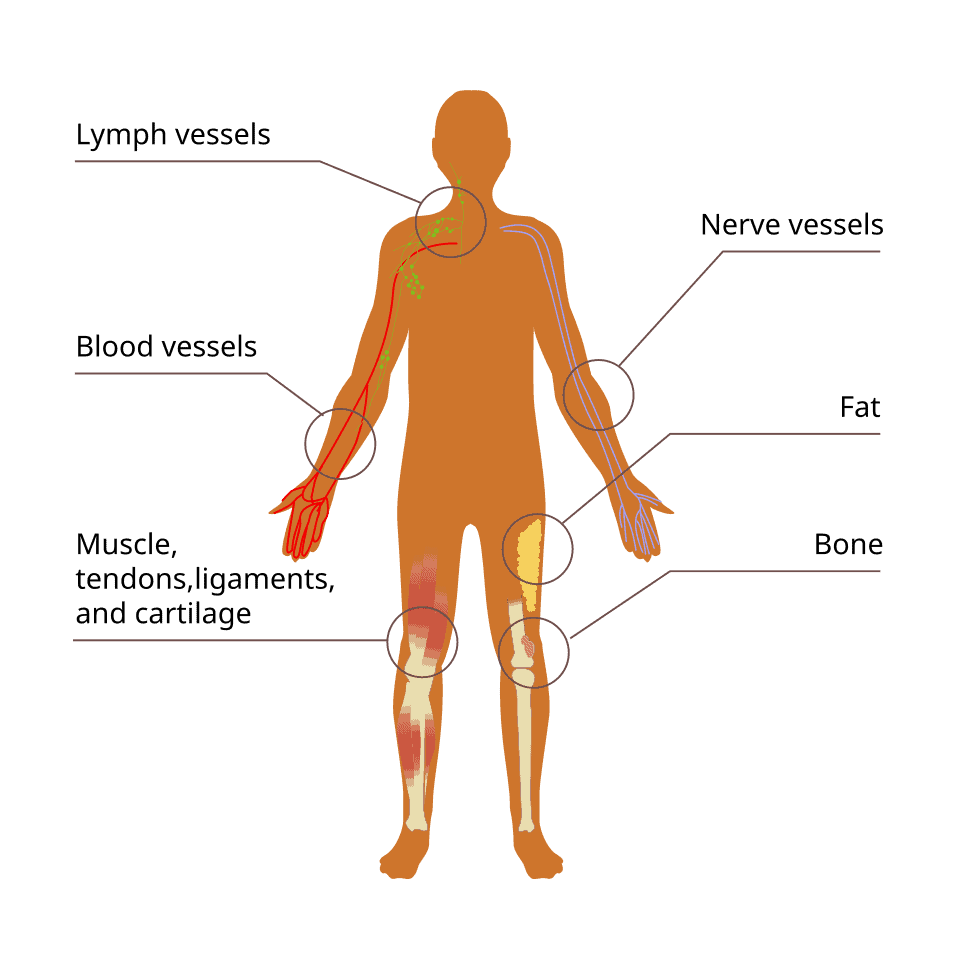
Sarcoma is not a singular disease but rather a heterogeneous group of more than 70 distinct types of cancers that arise from mesenchymal cells—the building blocks of connective and supportive tissues found throughout the body. Unlike more prevalent cancers that typically originate in epithelial cells of organs like the breast, lung, or colon, sarcomas can manifest virtually anywhere, including bone, muscle, fat, cartilage, blood vessels, nerves, and tendons. This widespread potential for origin underscores the disease’s diverse manifestations and the challenges in both diagnosis and treatment.
The classification of sarcomas broadly falls into two main categories: soft-tissue sarcomas (STS) and bone sarcomas. Each subtype possesses unique biological characteristics, growth patterns, and varying responses to therapeutic interventions, emphasizing the critical importance of an accurate and highly specialized diagnosis. For instance, liposarcoma originates in fat cells, leiomyosarcoma in smooth muscle, and angiosarcoma in blood vessel linings. Prominent types of sarcoma include:
- Osteosarcoma: A primary bone cancer, most common in children and young adults.
- Ewing Sarcoma: Another aggressive bone or soft tissue tumor, primarily affecting children and adolescents.
- Leiomyosarcoma: Originates in smooth muscle tissue, often found in the uterus, abdomen, or blood vessels.
- Liposarcoma: Arises from fat cells, frequently occurring in the limbs or retroperitoneum.
- Gastrointestinal Stromal Tumor (GIST): A type of sarcoma that develops in the digestive tract, distinct due to its specific genetic mutations (often KIT or PDGFRA).
- Undifferentiated Pleomorphic Sarcoma (UPS): Formerly known as malignant fibrous histiocytoma, often aggressive and found in soft tissues of the limbs.
- Synovial Sarcoma: Despite its name, it does not originate in synovial tissue but often arises near joints.
The precise etiology of most sarcomas remains elusive. However, a combination of genetic predispositions and environmental factors can elevate an individual’s risk. Identified risk factors include:
- Genetic Syndromes: Certain inherited genetic conditions, such as Li-Fraumeni syndrome, Neurofibromatosis type 1, Retinoblastoma, and Werner syndrome, significantly increase the likelihood of developing sarcoma.
- Prior Radiation Therapy: Exposure to high doses of radiation, typically for the treatment of other cancers, can increase the risk of developing secondary sarcomas years later.
- Chemical Exposure: Certain chemicals, including vinyl chloride and herbicides containing phenoxyacetic acid, have been linked to an increased risk of specific sarcoma types.
- Lymphedema: Chronic swelling due to lymphatic system damage, often a side effect of cancer treatment, can be associated with angiosarcoma.
Due to their deep-seated nature within muscles or other soft tissues, many sarcomas can grow to a considerable size before causing noticeable symptoms. This often leads to a delayed diagnosis, impacting prognosis. Therefore, any new or growing lump—especially one that is painful, rapidly expanding, or larger than a golf ball (approximately 5 cm)—warrants immediate medical evaluation by a healthcare provider. While the vast majority of lumps are benign, early detection and accurate diagnosis are paramount for effective management. Diagnostic confirmation typically involves imaging studies (MRI, CT scans, PET scans) followed by a biopsy, which is crucial for determining the specific sarcoma subtype and guiding treatment decisions.
Treatment strategies are highly individualized, contingent upon the specific type, location, stage, and grade of the disease. Surgery remains the cornerstone of treatment when the tumor can be safely and completely excised, aiming for clear margins to prevent recurrence. Adjuvant or neoadjuvant therapies, including chemotherapy and radiation therapy, may be employed before or after surgery to shrink tumors, eradicate microscopic disease, or manage more advanced, metastatic disease. Despite these established approaches, a significant subset of sarcomas proves refractory to conventional treatments, underscoring the urgent and continuous need for novel therapeutic modalities, such as immunotherapy.
The Dawn of Immunotherapy: From Coley’s Legacy to Modern Breakthroughs
The story of cancer immunotherapy, a revolutionary approach that harnesses the body’s own immune system to combat malignant cells, has deep historical roots intertwined with the study of sarcoma. More than a century ago, in the late 19th century, New York surgeon Dr. William B. Coley made a groundbreaking observation: some of his sarcoma patients experienced spontaneous tumor regression after developing severe bacterial infections. This keen insight led Coley to hypothesize that the immune system, stimulated by infection, could mount an anti-tumor response. He subsequently developed "Coley’s toxins," a mixture of inactivated bacteria (Streptococcus pyogenes and Serratia marcescens), which he intentionally administered to patients to induce an immune reaction against their cancers. This pioneering work, though controversial at the time and largely overshadowed by the advent of radiation and chemotherapy, is now widely acknowledged as one of the earliest foundational efforts in modern cancer immunotherapy. Coley’s legacy continued through his daughter, Helen Coley Nauts, who meticulously documented his cases and co-founded the Cancer Research Institute (CRI) in 1953, dedicating it to the advancement of immunotherapy research.
Fast forward to the 21st century, and immunotherapy has revolutionized the treatment landscape for numerous cancer types. At its core, immunotherapy functions by empowering the immune system to recognize and attack cancer cells. Normally, the sophisticated mechanisms of the immune system are adept at identifying and eliminating abnormal cells, including nascent cancer cells. However, cancer cells are remarkably cunning, developing various strategies to evade immune surveillance or actively suppress immune responses. These strategies include presenting "don’t eat me" signals, downregulating tumor antigens, or creating an immunosuppressive microenvironment. Immunotherapy intervenes by removing these immunological roadblocks, thereby unleashing the full potential of the immune system to detect, target, and eradicate malignant cells.
Modern immunotherapy encompasses a diverse array of approaches, with immune checkpoint inhibitors being among the most successful. These drugs, such as PD-1/PD-L1 inhibitors (e.g., pembrolizumab, nivolumab, atezolizumab) and CTLA-4 inhibitors (e.g., ipilimumab), block specific proteins (checkpoints) that cancer cells exploit to "turn off" immune cells. By releasing these brakes, checkpoint inhibitors allow T-cells to effectively recognize and destroy tumor cells. Other forms of immunotherapy include adoptive cell therapies (like CAR T-cell therapy, where a patient’s T-cells are genetically modified to target cancer), oncolytic viruses (viruses engineered to infect and destroy cancer cells while stimulating an immune response), and cancer vaccines. The approval of checkpoint inhibitors for melanoma, lung cancer, kidney cancer, and many other malignancies has fundamentally altered prognoses, turning previously intractable diseases into manageable conditions for many patients.
Immunotherapy’s Evolving Role in Sarcoma Treatment
While immunotherapy has ushered in a new era of cancer treatment for many tumor types, its application in sarcoma presents unique and complex challenges. The extraordinary heterogeneity of sarcoma, comprising dozens of distinct diseases, means that a therapeutic approach highly effective for one subtype may yield little to no benefit in another. This diversity stems from varied genetic alterations, cellular origins, and microenvironments across sarcoma subtypes, leading to differences in immunogenicity—the ability of cancer cells to provoke an immune response. Many sarcomas, particularly soft tissue sarcomas, are often characterized by a relatively low tumor mutational burden (TMB) compared to other highly immunogenic cancers like melanoma or lung cancer. A low TMB generally correlates with fewer neoantigens (new proteins formed by tumor mutations), which are critical for immune system recognition.
Consequently, immunotherapy is currently approved only for specific sarcoma subtypes or tumors exhibiting particular genetic features, often following progression on standard therapies. For instance, specific checkpoint inhibitors have shown activity in certain subsets like undifferentiated pleomorphic sarcoma (UPS) or dedifferentiated liposarcoma, especially in advanced stages. GIST, while responding well to targeted therapies, has shown limited response to checkpoint inhibitors alone. Additionally, specific genetic alterations, such as high microsatellite instability (MSI-H) or a high tumor mutational burden, which are rare in most sarcomas but can occur, may qualify patients for broader immunotherapy indications, regardless of tumor type. These approvals represent significant milestones, moving sarcoma treatment beyond traditional chemotherapy, but highlight the need for precision medicine approaches.
"The challenge with sarcoma," states Dr. Anya Sharma, a leading oncologist specializing in rare cancers, "is that it’s not one disease, but many. What works for a highly inflamed, high-mutational-burden melanoma simply won’t translate directly to a sarcoma with a ‘cold’ tumor microenvironment. We’re learning to identify the specific subsets and genetic signatures that make a sarcoma more susceptible to immune attack." This underscores the ongoing research to identify biomarkers that predict response to immunotherapy in sarcoma patients.
It is imperative for patients and their families to engage in thorough discussions with their healthcare providers to ascertain whether immunotherapy is a viable and beneficial treatment option, given the specific characteristics of their sarcoma. The decision to pursue immunotherapy involves a careful consideration of the sarcoma subtype, genetic profiling of the tumor, prior treatment history, and overall patient health.
Pioneering Research and Future Directions in Sarcoma Immunotherapy
Despite the existing challenges, researchers are making relentless progress toward expanding the efficacy and applicability of immune-based treatments for sarcoma. The field is characterized by intense investigation into novel mechanisms, combination therapies, and personalized approaches. The Cancer Research Institute (CRI) and other leading institutions globally are funding scientists who are exploring multiple avenues to enhance immune-based treatments for sarcoma and other difficult-to-treat solid tumors.
Key areas of ongoing research include:
- Combination Therapies: A major focus is on combining immunotherapy with other treatment modalities to improve response rates. This includes combining immune checkpoint inhibitors with conventional chemotherapy or radiation therapy, targeted therapies, or other immunotherapeutic agents. For example, combining a PD-1 inhibitor with a CTLA-4 inhibitor has shown promise in some sarcoma subtypes by targeting different immune checkpoints simultaneously.
- Targeting the Tumor Microenvironment: Many sarcomas possess an immunosuppressive tumor microenvironment, characterized by an abundance of regulatory T-cells (Tregs) and myeloid-derived suppressor cells (MDSCs) that actively dampen anti-tumor immunity. Researchers are investigating strategies to reprogram this microenvironment, making tumors more "visible" and vulnerable to immune attack. This includes agents that deplete suppressive immune cells or enhance the infiltration of effector T-cells.
- Adoptive Cell Therapies (ACT): While CAR T-cell therapy has seen remarkable success in hematologic malignancies, its application in solid tumors like sarcoma is more challenging due to issues like antigen specificity, tumor heterogeneity, and the hostile tumor microenvironment. However, researchers are developing next-generation CAR T-cells and other ACTs, such as Tumor-Infiltrating Lymphocyte (TIL) therapy, tailored to specific sarcoma antigens, aiming to overcome these barriers.
- Oncolytic Viruses: These viruses are engineered to selectively infect and replicate within cancer cells, leading to their destruction and simultaneously triggering a systemic anti-tumor immune response. Clinical trials are exploring the use of various oncolytic viruses in sarcoma, either alone or in combination with checkpoint inhibitors.
- Novel Immune Agonists: Scientists are investigating new immune-stimulating agents, such as STING (Stimulator of Interferon Genes) agonists, which can induce a strong innate immune response within the tumor, potentially converting "cold" tumors into "hot" ones that are more responsive to checkpoint inhibition.
- Biomarker Discovery: A critical area of research involves identifying reliable biomarkers that can predict which sarcoma patients are most likely to respond to specific immunotherapies. This includes exploring gene expression profiles, immune cell infiltration patterns, and specific genetic mutations beyond TMB and MSI-H.
- Neoadjuvant Immunotherapy: Administering immunotherapy before surgery is being explored to shrink tumors, potentially making them easier to remove, and to prime the immune system for a more robust and sustained anti-tumor response post-surgery.
These research endeavors are often conducted through global collaborations, involving academic institutions, pharmaceutical companies, and patient advocacy groups, all united by the common goal of unlocking the full potential of immunotherapy for sarcoma patients. The timeline for bringing these innovations from the lab to the clinic is often long, but each successful clinical trial brings the community closer to more effective treatments.
Navigating a Sarcoma Diagnosis: Resources and Support
Receiving a sarcoma diagnosis can be an overwhelming and isolating experience. However, it is crucial for patients and their families to understand that they do not have to navigate this complex journey alone. Empowering oneself with knowledge, seeking specialized care, and leveraging available support systems are vital steps toward making informed decisions and managing the disease effectively.
Key recommendations for patients facing a sarcoma diagnosis include:
- Deepen Your Understanding: Learn as much as possible about your specific sarcoma subtype. Given the vast diversity of these cancers, understanding the unique characteristics of your diagnosis—its typical behavior, common treatment responses, and prognosis—is foundational.
- Ask Incisive Questions: Do not hesitate to ask your healthcare team detailed questions about your diagnosis, treatment plan, potential side effects, and long-term outlook. A well-informed patient is an empowered patient.
- Seek Specialized Care: Due to the rarity and complexity of sarcoma, it is highly recommended to seek care from specialists at major cancer centers or institutions with extensive experience in treating sarcoma. These centers often have multidisciplinary teams (surgical oncologists, medical oncologists, radiation oncologists, pathologists, radiologists) who collaborate to develop comprehensive, individualized treatment plans. A second opinion can also provide valuable perspective and peace of mind.
- Consider Clinical Trials: Clinical trials represent a critical pathway to accessing promising new therapies that are not yet widely available. For sarcoma patients, who often face limited conventional treatment options, participating in a clinical trial can offer cutting-edge treatments while simultaneously contributing to the advancement of research for future patients. Discuss eligibility and potential benefits with your oncology team.
- Leverage Support Networks: Lean on family, friends, and support groups for emotional and practical assistance throughout your journey. Patient advocacy organizations, such as the Sarcoma Foundation of America (SFA) or the Sarcoma Alliance, offer invaluable resources, educational materials, patient forums, and connections to expert care. These organizations play a pivotal role in funding research, raising awareness, and advocating for policies that benefit sarcoma patients.
The Broader Impact and Outlook
The advancements in immunotherapy for sarcoma, while still in their early stages for many subtypes, represent a beacon of hope for a patient population historically underserved by therapeutic innovation. The trajectory of research, from Coley’s serendipitous observations to the sophisticated precision medicine approaches of today, highlights a remarkable scientific journey. The ongoing efforts to unravel the immunological intricacies of sarcoma are not only yielding new treatment options but also deepening our understanding of cancer biology itself.
The implications of successful immunotherapy integration into sarcoma treatment extend beyond individual patient outcomes. It fosters a paradigm shift towards personalized oncology, where treatment decisions are increasingly guided by the molecular and immunological profile of each patient’s tumor. This holistic approach, combined with collaborative research efforts across institutions and nations, promises to accelerate the pace of discovery. While significant hurdles remain, including identifying reliable biomarkers, overcoming tumor resistance mechanisms, and managing potential immune-related adverse events, the momentum is undeniable. The continued dedication of scientists, clinicians, and advocates ensures that the possibilities for sarcoma patients will continue to expand, transforming a previously grim diagnosis into one increasingly met with innovative and effective solutions. The fight against sarcoma is far from over, but with immunotherapy, the arsenal of hope has grown stronger and more precise than ever before.
