
 By Lina carolina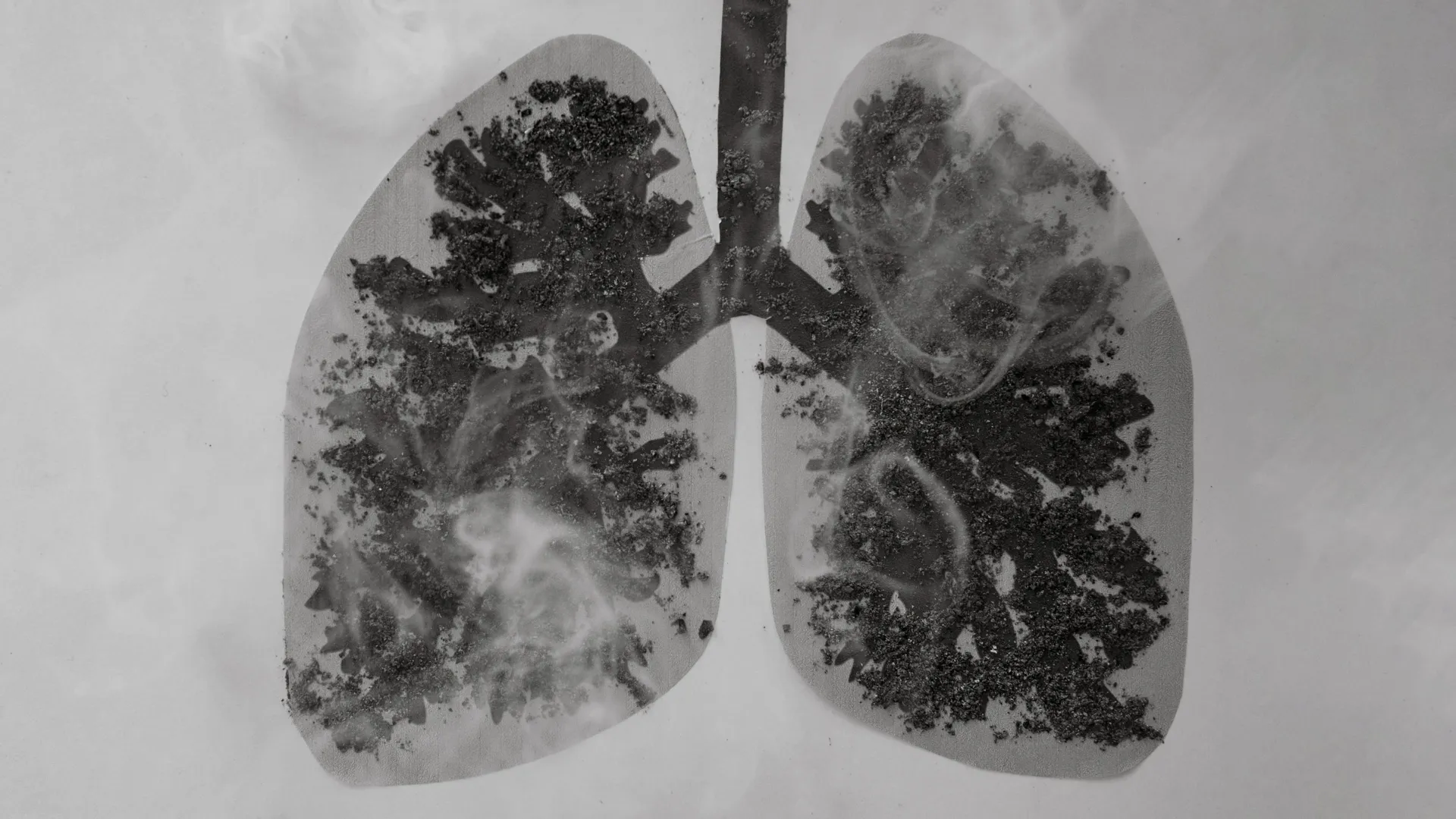
Manchester, UK – A groundbreaking study published on June 10 in ERJ Open Research has revealed a stark and concerning difference in the lungs of individuals with Chronic Obstructive Pulmonary Disease (COPD) compared to those who smoke but do not have the debilitating lung condition. Researchers at the University of Manchester have discovered that lung cells, specifically alveolar macrophages, from COPD patients accumulate substantially more soot-like carbon deposits than those from smokers without COPD. This finding sheds new light on the complex interplay between environmental pollutants, cellular function, and the progression of COPD, a disease affecting millions worldwide.
The Silent Accumulation: Carbon and Alveolar Macrophages
Alveolar macrophages are the immune cells residing in the tiny air sacs (alveoli) of the lungs, acting as the first line of defense against inhaled foreign particles, pathogens, and debris. Their primary function is to engulf and clear these intruders, thereby protecting the delicate lung tissue. However, the new research indicates that in the context of COPD, these crucial cells undergo a detrimental transformation when exposed to carbon particles.
The study, led by Dr. James Baker and Dr. Simon Lea from the University of Manchester, utilized lung tissue samples obtained during surgeries for suspected lung cancer. Importantly, only samples free from cancerous cells were selected for analysis, ensuring that the findings were attributable to the underlying lung conditions rather than malignancy. The research team examined tissues from 28 individuals diagnosed with COPD and 15 individuals who were regular smokers but had not developed COPD.
Under microscopic examination, the researchers meticulously measured the size of alveolar macrophages and quantified the amount of carbon accumulated within them. The results were striking: alveolar macrophages from COPD patients contained, on average, more than three times the amount of carbon compared to those from smokers without COPD. Furthermore, the study observed a consistent correlation between the presence of carbon and an increase in cell size. Macrophages visibly laden with carbon were invariably larger than their counterparts with no discernible carbon deposits.
The Link to Lung Function: Carbon Load and Impaired Breathing
The implications of this increased carbon burden extend beyond cellular morphology. The study revealed a direct correlation between the extent of carbon accumulation in alveolar macrophages and the severity of lung impairment. Patients exhibiting larger deposits of carbon in these cells demonstrated poorer lung function, as measured by FEV1% (Forced Expiratory Volume in one second percentage). FEV1% is a critical indicator of how much air a person can forcibly exhale in one second, a key metric for assessing the severity of airflow obstruction in respiratory diseases. This suggests that the excess carbon is not merely a passive passenger but actively contributes to the decline in respiratory capacity characteristic of COPD.
To further elucidate the mechanism, the researchers conducted in-vitro experiments. They exposed macrophages to carbon particles in a laboratory setting and observed a significant enlargement of these cells. Crucially, these enlarged cells also exhibited an increased production of pro-inflammatory proteins. This finding strongly suggests that the accumulation of carbon triggers an inflammatory response within the lungs, a hallmark of COPD that leads to irreversible airway damage and airflow limitation.
Unraveling the Causality: Beyond Simple Smoking
The distinction drawn between COPD patients and smokers without the disease is particularly significant. Dr. Lea emphasized, "As we compared cells from COPD patients with cells from smokers, we can see that this build-up of carbon is not a direct result of cigarette smoking. Instead, we show alveolar macrophages in COPD patients contain more carbon and are inherently different in terms of their form and function compared to those in smokers."
This observation challenges the simplistic assumption that all carbon inhaled via cigarette smoke directly contributes to COPD in a uniform manner. It points towards a more complex interplay where individuals with COPD may possess a compromised ability to clear inhaled carbon particles, leading to their persistent accumulation. Alternatively, the researchers posit that individuals with a higher propensity to accumulate carbon from environmental exposures, such as air pollution, may be more susceptible to developing COPD in the first place.
"Our research raises an interesting question as to the cause of the increased levels of carbon in COPD patients’ macrophages," Dr. Lea stated. "It could be that people with COPD are less able to clear the carbon they breathe in. It could also be that people exposed to more particulate matter are accumulating this carbon and developing COPD as a result."
Broader Context and Future Directions
The carbon particles in question can originate from various sources, including cigarette smoke, diesel exhaust fumes, and general air pollution. These microscopic particles, often referred to as black carbon or soot, are a significant component of particulate matter (PM) pollution. The World Health Organization (WHO) estimates that ambient air pollution, largely driven by PM, is responsible for millions of premature deaths annually worldwide.
The study’s findings align with existing epidemiological data linking exposure to air pollution with an increased risk and exacerbation of respiratory diseases, including COPD. For instance, studies have shown a dose-response relationship between long-term exposure to fine particulate matter (PM2.5) and the incidence of COPD. A 2019 study published in the Lancet Planetary Health estimated that air pollution contributed to approximately 1.8 million deaths globally from COPD in 2019 alone.
The University of Manchester study, by providing a cellular-level explanation for some of these observed associations, offers valuable insights into the biological mechanisms at play. The researchers are keen to explore these avenues further. "In future, it would be interesting to study how this carbon builds up and how lung cells respond over a longer period of time," Dr. Lea added, highlighting the need for longitudinal studies to track the progression of carbon accumulation and its long-term consequences on lung health.
Expert Commentary and Public Health Implications
Professor Fabio Ricciardolo, Chair of the European Respiratory Society’s group on monitoring airway disease, who was not involved in the research, lauded the study’s contribution to understanding COPD. "This set of experiments suggest that people with COPD accumulate unusually large amounts of carbon in the cells of their lungs," he commented. "This build-up seems to be altering those cells, potentially causing inflammation in the lungs and leading to worse lung function."
Professor Ricciardolo also underscored the study’s relevance to public health initiatives. "In addition, this research offers some clues about why polluted air might cause or worsen COPD," he stated. "However, we know that smoking and air pollution are risk factors for COPD and other lung conditions, so we need to reduce levels of pollution in the air we breathe and we need to help people to quit smoking."
The implications of this research are far-reaching. For individuals with COPD, it reinforces the importance of minimizing exposure to environmental pollutants. For policymakers, it strengthens the case for stricter air quality regulations and public health campaigns aimed at reducing both smoking rates and exposure to industrial and vehicular emissions.
A Deeper Understanding of a Complex Disease
COPD is a complex and progressive lung disease characterized by persistent airflow limitation. It is primarily caused by long-term exposure to irritants that damage the lungs, with cigarette smoking being the most common culprit. However, other factors, including occupational dust and fumes, air pollution, and genetic predispositions, also play a role. The disease is estimated to affect over 250 million people globally and is a leading cause of death and disability.
The current study adds a critical piece to the puzzle of how environmental exposures contribute to the pathogenesis of COPD at a cellular level. The increased carbon load in alveolar macrophages in COPD patients, coupled with their heightened inflammatory response, suggests a vicious cycle where environmental insults impair lung defense mechanisms, leading to further damage and disease progression.
The researchers’ methodology, which involved a direct comparison between COPD patients and smokers without the disease, provides a crucial distinction. It moves beyond simply identifying the presence of carbon to understanding how its accumulation differs and what functional consequences arise in the context of established COPD. This nuanced understanding is vital for developing more targeted and effective interventions for this chronic and often devastating disease.
The findings serve as a potent reminder of the pervasive impact of environmental pollutants on human health and underscore the urgent need for concerted global efforts to improve air quality and mitigate the burden of respiratory diseases. The University of Manchester’s study, by illuminating the cellular consequences of carbon accumulation, offers a powerful scientific foundation for these vital public health imperatives.
