
 By admin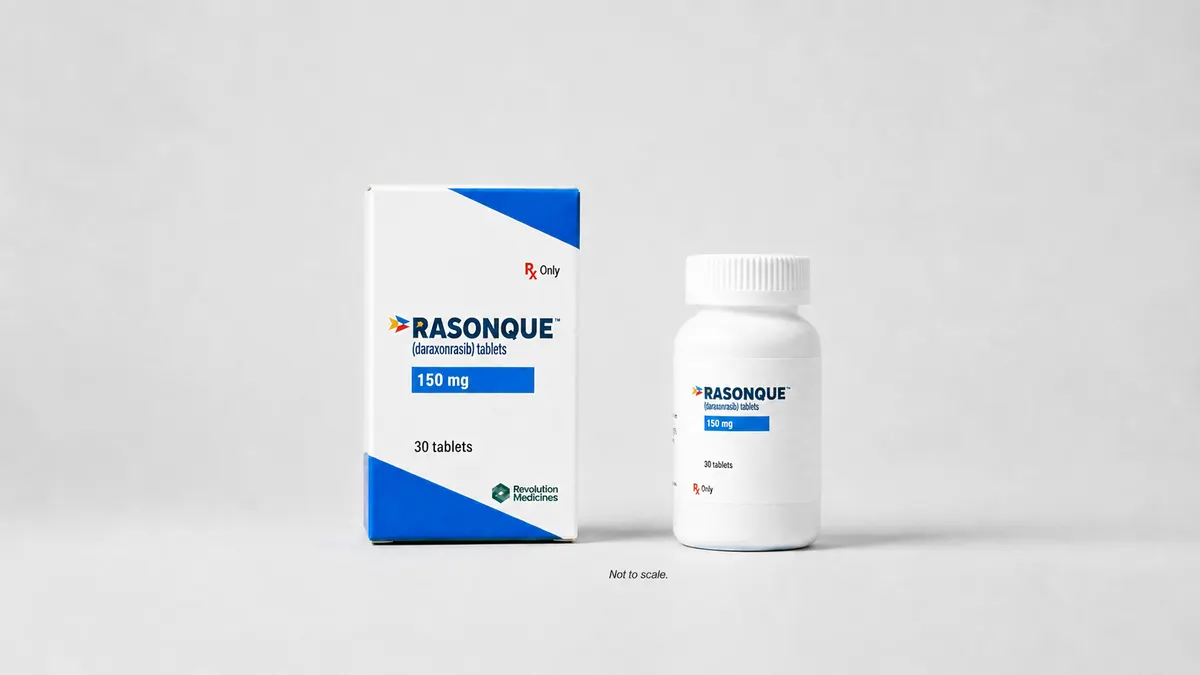
The pharmaceutical landscape for metastatic pancreatic cancer has been fundamentally reshaped with the immediate launch of Rasonque (daraxonrasib) by Revolution Medicines, following its lightning-fast approval by the U.S. Food and Drug Administration (FDA) this past Wednesday. The drug’s monthly list price of $39,800 has not only surpassed Wall Street’s initial forecasts but has also triggered significantly rosier sales projections, with industry analysts describing its introduction as a "historic" and "transformative" moment for oncology. This groundbreaking once-daily tablet targets a previously "undruggable" genetic pathway, offering a new beacon of hope for patients facing one of the most aggressive and lethal forms of cancer.
A New Horizon in Pancreatic Cancer Treatment
Pancreatic cancer remains a devastating diagnosis, characterized by its rapid progression, late-stage detection, and notoriously poor prognosis. Historically, treatment options have been severely limited, with most patients facing a median survival measured in months. The approval of Rasonque represents a monumental leap forward, specifically addressing tumors driven by RAS mutations – a genetic alteration found in approximately 90% of pancreatic cancers. For decades, the RAS pathway was considered an intractable target for drug development dueifying to its complex signaling network and the challenges in designing molecules that could effectively and safely inhibit its activity. Rasonque’s success in navigating these challenges underscores a significant scientific breakthrough.
The FDA’s decision to clear Rasonque was remarkably swift, taking just over a month after Revolution Medicines completed its submission. This expedited review reflects the urgent unmet medical need in metastatic pancreatic cancer and the compelling clinical data supporting the drug’s efficacy. An FDA official, in a press announcement, lauded the results for Rasonque as "unprecedented," a rare and powerful descriptor from the regulatory body. This rapid approval has set the stage for what analysts believe could be one of the fastest oncology launches in history.
Strategic Launch and Patient Support Initiatives
Revolution Medicines has wasted no time in capitalizing on this landmark approval, immediately pouring substantial resources into the commercial launch of Rasonque. The company has made the once-daily oral tablet available without delay, demonstrating a clear commitment to getting this vital treatment into the hands of patients as quickly as possible. Recognizing the complexities inherent in accessing high-cost specialty medications, Revolution Medicines has also established a comprehensive patient support program called (ON)Path. This program is designed to guide patients through various challenges, including navigating insurance intricacies, identifying potential financial assistance options, and providing support for managing any side effects associated with the treatment. Such initiatives are crucial for ensuring that the drug’s medical promise translates into real-world patient benefit.
Analyst Optimism and Market Dynamics
The financial community has reacted with considerable enthusiasm to Rasonque’s approval and its ambitious pricing. Cory Kasimov, an analyst at Evercore, articulated this sentiment in a note to clients, stating, "Rasonque has the ingredients to be one of the fastest oncology launches in history, if not the fastest." He further reinforced his conviction after the company’s conference call, writing that the introduction of Rasonque "will be transformative/historic, and our conviction is only reinforced with the label and pricing details." This strong analyst backing is indicative of the perceived market potential and the critical need Rasonque fulfills.
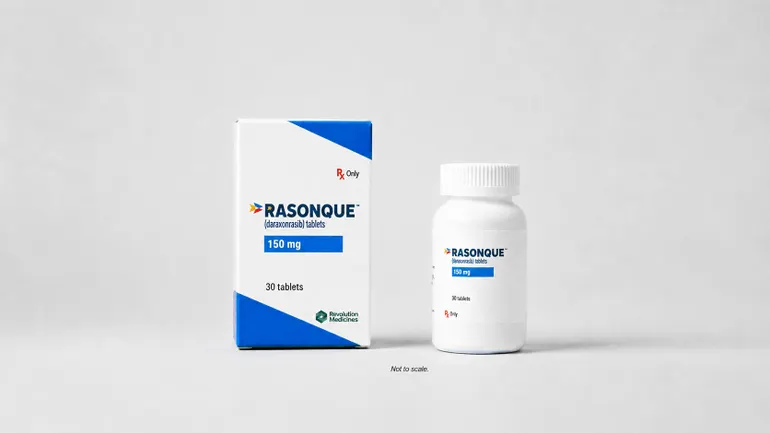
The $39,800 monthly list price for a 30-day supply of Rasonque positions it firmly within the upper echelon of specialty oncology drugs. While such prices often raise concerns about affordability and access, industry experts predict that payer friction for Rasonque will be relatively limited, at least initially. As RBC Capital Markets analyst Leonid Timashev noted, the severe lack of effective alternatives for many patients with metastatic pancreatic cancer provides strong leverage for Revolution Medicines in negotiations with insurers. The profound unmet need for therapies that can extend survival in this patient population means that payers are likely to view Rasonque as a necessary and valuable addition to the treatment armamentarium, despite its cost.
Label Flexibility and Future Expansion
A key aspect of Rasonque’s approved label that has garnered significant attention from analysts is its broad indication. The FDA cleared the drug for patients who have already received one systemic therapy for metastatic pancreatic adenocarcinoma, or for those who are not candidates for "multiagent systemic therapy." The inclusion of the "or" clause is particularly significant, as it grants physicians the crucial flexibility to consider Rasonque as a first-line treatment option for a subset of patients who may be too frail or medically compromised to endure aggressive multiagent chemotherapy regimens. This expanded utility could accelerate its adoption and impact a wider patient population.
Revolution Medicines is not resting on its laurels with the current approval. The company is actively pursuing further label expansion, with a strong focus on securing a definitive front-line approval for Rasonque. A Phase 3 trial (NCT07491445) investigating the drug’s efficacy and safety in the first-line setting is already underway. Positive results from this trial would solidify Rasonque’s position as a foundational therapy for newly diagnosed patients, further broadening its market reach and clinical utility. This strategic foresight highlights the company’s long-term vision for Rasonque as a cornerstone of pancreatic cancer treatment.
The "Undruggable" Target Conquered: A Scientific Triumph
The journey to Rasonque’s approval is deeply rooted in decades of scientific endeavor to understand and ultimately target the RAS oncogene. Mutations in RAS are not only prevalent in pancreatic cancer but also play a critical role in other difficult-to-treat malignancies, including colorectal and lung cancers. For a long time, the smooth, globular structure of the RAS protein made it notoriously challenging to design small molecules that could bind to it effectively and inhibit its function without causing unacceptable off-target effects. This led to RAS being dubbed the "undruggable" target.
Revolution Medicines’ daraxonrasib represents a triumph of modern drug discovery, demonstrating the ability to overcome these formidable obstacles. Unlike some other RAS inhibitors that target specific KRAS G12C mutations (a subtype less common in pancreatic cancer), Rasonque is designed to inhibit a broader spectrum of RAS mutations, making it applicable to a larger percentage of pancreatic cancer patients. This broad-RAS targeting approach distinguishes it from earlier efforts and underscores its potential to make a more widespread impact. The scientific community views this achievement as a validation of persistence and innovation in cancer research, opening doors for similar approaches in other RAS-driven cancers.
Clinical Profile: Efficacy and Side Effects
While the full clinical trial data that led to the FDA’s "unprecedented" assessment have been presented at scientific conferences, the core message is clear: Rasonque extends survival for patients with metastatic pancreatic cancer. In a disease where median survival for metastatic cases is often less than a year, even a modest extension can be profoundly meaningful for patients and their families. The drug’s ability to attack tumors and provide clinical benefit has been met with excitement from both clinicians and patients alike.

However, like all potent cancer therapies, Rasonque does come with significant side effects. While the specific profile was not detailed in the initial report, oncology drugs often carry risks such as gastrointestinal issues, fatigue, skin reactions, and hematological toxicities. The (ON)Path program’s focus on side effect management indicates that Revolution Medicines is proactive in helping patients navigate these challenges. The trade-off between efficacy in a deadly disease and the management of adverse events is a constant consideration in oncology, and for many patients facing limited options, the benefits of extended survival often outweigh the burden of side effects.
Human Impact: Stories of Hope
The impact of Rasonque extends beyond scientific papers and financial projections; it touches individual lives. Former U.S. Senator Ben Sasse, a Nebraska Republican, bravely shared his personal experience with pancreatic cancer and the hope that treatments like daraxonrasib offer. His public account, detailed in the New York Times, underscored the urgent need for new therapies and provided a poignant human perspective on the disease’s challenges and the profound significance of every additional day gained. Such testimonials highlight the real-world implications of these scientific advancements and amplify the sense of urgency and hope surrounding Rasonque’s launch.
Broader Implications for Oncology and Drug Development
Rasonque’s approval carries far-reaching implications for the broader oncology landscape. It reinforces the power of targeted therapies in revolutionizing cancer treatment, particularly for diseases with specific genetic drivers. The success of a broad-RAS inhibitor will likely spur further investment and research into other previously "undruggable" targets, potentially accelerating the development of new treatments across various cancer types.
Moreover, the rapid FDA approval via an accelerated pathway for an urgent unmet need demonstrates the agency’s commitment to expediting access to potentially life-saving drugs. This approach, while sometimes subject to debate, is critical for patients with aggressive diseases who cannot afford to wait for lengthy traditional approval timelines. It balances the need for robust evidence with the imperative to address dire clinical needs.
The pricing of Rasonque also contributes to the ongoing discussion about the cost of innovative medicines. While the drug’s price is high, it reflects the enormous investment in research and development, the high-risk nature of drug discovery, and the profound value of extending life in a historically fatal disease. The patient support programs offered by Revolution Medicines are an acknowledgment of these cost concerns and an effort to mitigate access barriers.
In conclusion, Rasonque’s launch marks a pivotal moment in the fight against pancreatic cancer. Its approval represents a scientific breakthrough, offering a new, effective treatment for a disease that has long defied therapeutic progress. While the cost is significant, the profound unmet need and the drug’s demonstrated ability to extend survival position it as a game-changer. As Revolution Medicines continues to pursue further clinical development and broader indications, Rasonque is poised to transform the treatment paradigm for metastatic pancreatic cancer, bringing renewed hope to countless patients and their families worldwide.
