
 By Budi Oetomo Narendra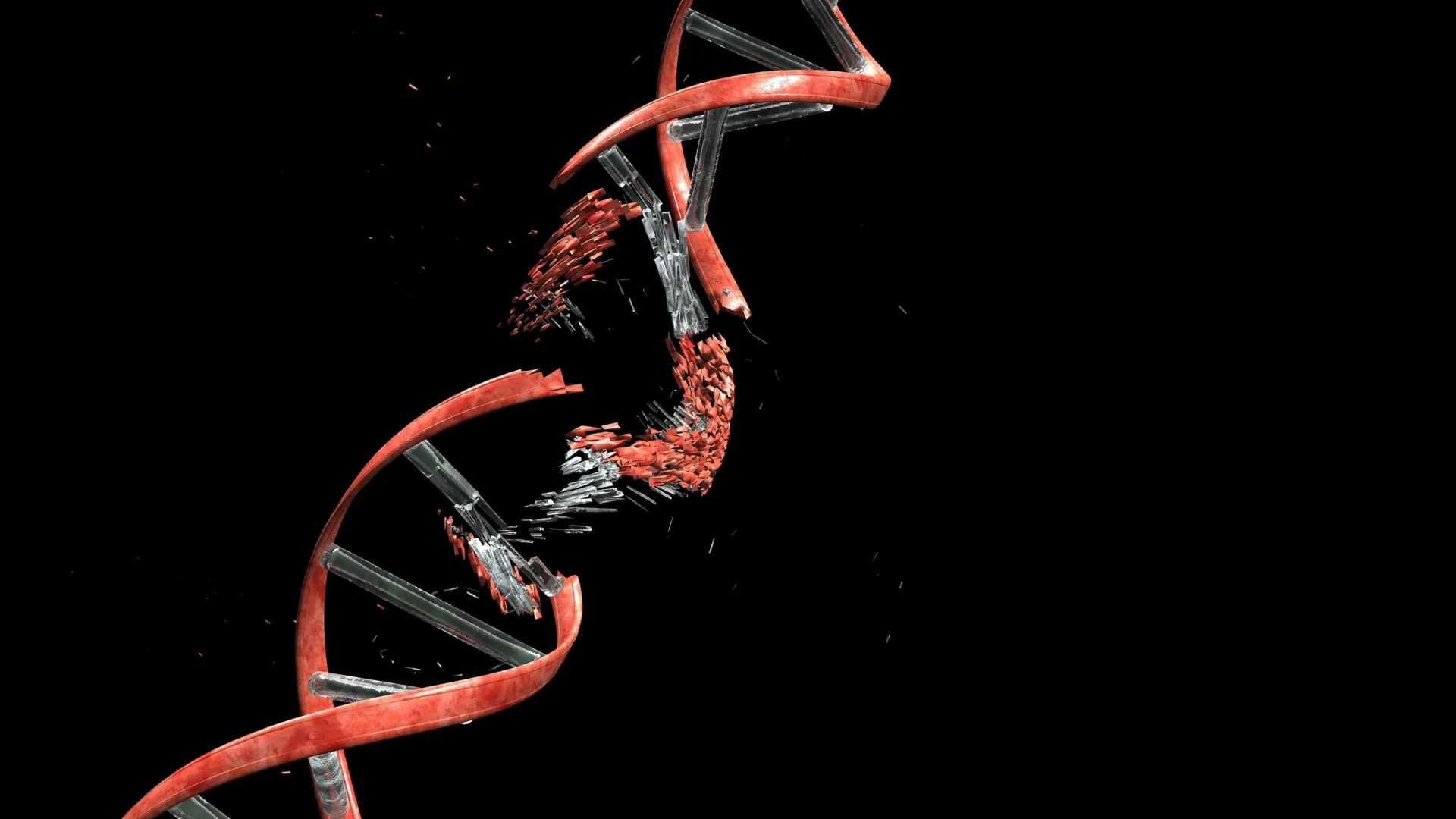
A groundbreaking study has revealed a previously overlooked mechanism contributing to cancer’s relentless progression: the very drive for rapid growth may force tumor cells to damage their own genetic material. New research indicates that powerful DNA control regions, termed super-enhancers, compel critical genes to operate at unusually intense levels. This sustained, high-output activity places immense strain on the delicate DNA double helix, leading to severe breaks and creating "hotspots" for mutations that accelerate tumor evolution and resistance. The findings, published in Science Advances, shift the paradigm of understanding genetic instability in cancer, suggesting it may not merely be a passive consequence but an active, self-perpetuating process intrinsic to aggressive tumor behavior.
The Engine of Cancer: Uncontrolled Gene Expression
For decades, the scientific community has understood that cancer is fundamentally a disease of uncontrolled cell division, driven by a series of genetic mutations. These mutations can activate oncogenes (genes that promote cell growth) or inactivate tumor suppressor genes (genes that prevent cell growth). However, the precise mechanisms by which these mutations accumulate and diversify, allowing tumors to adapt and evade treatment, remain a critical area of investigation. This new study from the Hebrew University of Jerusalem sheds light on a dynamic interplay between aggressive gene expression and genomic integrity, proposing a novel pathway for the accumulation of these crucial mutations.
Normal cellular function relies on a finely tuned orchestra of gene expression, where genes are switched on and off, or their activity levels modulated, in response to cellular needs and external signals. In cancer, this delicate balance is shattered. Tumor cells frequently hijack and amplify the activity of specific genes crucial for their proliferation, survival, and metabolic reprogramming. This hyperactivation often involves powerful regulatory elements known as enhancers, and more specifically, "super-enhancers."
Super-enhancers are clusters of multiple enhancer elements located close together on the DNA, often spanning thousands of base pairs. They are characterized by an unusually high density of transcription factors and co-activator proteins, enabling them to drive exceptionally high levels of gene expression in their vicinity. While super-enhancers play vital roles in regulating cell identity and differentiation during normal development, they are frequently aberrantly activated in cancer cells. In many tumor types, super-enhancers inappropriately drive the expression of oncogenes, effectively acting as "master switches" that dictate the tumor’s identity and its aggressive growth phenotype. For instance, super-enhancers are known to drive the expression of the MYC oncogene in many lymphomas and the ERG oncogene in prostate cancer, among others. Their presence is often correlated with poor prognosis and resistance to therapy.
A Physical Consequence: DNA Under Strain
The research, led by PhD student Osama Hidmi under the guidance of Prof. Rami Aqeilan of the Hebrew University of Jerusalem’s Faculty of Medicine, posits that this relentless, super-enhancer-driven gene activity has a direct physical toll on the DNA molecule. Imagine a machine designed to run at a certain speed, but it’s constantly forced to operate at maximum capacity, far beyond its normal parameters. Eventually, the components will wear down and break. Similarly, the continuous unwinding, transcription, and re-winding of DNA in these hyperactive regions place immense mechanical stress on the double helix.
The study employed sensitive genome-mapping methods to precisely identify locations of double-strand breaks (DSBs) across the cancer genome. DSBs are considered the most severe form of DNA damage, as both strands of the DNA molecule are severed. If left unrepaired or repaired incorrectly, DSBs can lead to large-scale chromosomal rearrangements, gene deletions, or translocations, all of which are hallmarks of advanced cancers. The researchers discovered a striking pattern: these severe DNA breaks did not occur randomly throughout the genome. Instead, they clustered specifically within the genes controlled by super-enhancers—the very regions driving aggressive tumor growth. This finding provides a direct, mechanistic link between intense transcriptional activity and physical damage to the DNA.
The Cycle of Damage, Repair, and Mutation
The human body possesses sophisticated DNA repair mechanisms designed to mend such damage and maintain genomic integrity. Cancer cells, in particular, often exhibit robust DNA repair capabilities, which enable them to survive the barrage of internal and external stressors, including the very damage they inflict upon themselves. The Hebrew University team observed that cancer cells repeatedly damage and then attempt to repair DNA within these intensely active super-enhancer-driven regions. They tracked natural cellular "alarm" signals—proteins like γH2AX—that rapidly localize to damaged DNA sites to initiate repair processes. The consistent presence of these markers in super-enhancer regions underscored the ongoing cycle of damage and repair.
While DNA repair is essential for cell survival, it is not always perfect. Every repair event, especially for complex DSBs, carries a risk of error. The cellular machinery involved in patching up broken DNA can introduce small inaccuracies, or "mutations," during the process. Over repeated cycles of breaking and faulty repair, these errors accumulate. This accumulation of mutations in critical, growth-promoting genes can have profound consequences. It can lead to the acquisition of new oncogenic drivers, alter protein function, or even modify regulatory sequences, further cementing the tumor’s aggressive phenotype.
Prof. Rami Aqeilan elaborated on this critical insight: "Cancer cells rely on super-enhancers to keep growth genes running at high speed. What we found is that this same high-output activity can put real strain on the DNA, creating break hotspots that the cell has to repair again and again. That cycle may help tumors survive in the short term, but it also increases the risk of mutations that can fuel cancer’s evolution." This statement encapsulates the paradoxical nature of the finding: what initially aids tumor survival by enabling rapid growth ultimately contributes to its genetic instability, paving the way for further malignant progression.
Implications for Cancer Evolution and Treatment
The findings from Hidmi and Aqeilan’s research carry significant implications for our understanding of cancer evolution and the development of novel therapeutic strategies. Genetic instability is a well-established "hallmark of cancer," recognized as a fundamental enabler of tumor heterogeneity and adaptation. Previously, this instability was often attributed to general defects in DNA repair pathways, exposure to carcinogens, or replication stress. This study adds a crucial, internally generated source of instability, directly linking it to the core machinery of aggressive cancer growth.
As mutations accumulate in these super-enhancer-driven regions, cancer cells gain a critical advantage: the ability to evolve. This evolution can manifest in various ways, including developing resistance to chemotherapy or radiation, acquiring the capacity to metastasize (spread to distant sites), or adapting to nutrient-deprived or hypoxic (low-oxygen) environments. This continuous genetic arms race between the tumor and therapeutic interventions is a major challenge in oncology. By understanding where and how these mutations preferentially arise, researchers can develop more targeted approaches.
Osama Hidmi, the lead PhD student, highlighted the therapeutic potential: "What is especially exciting is that because cancer cells depend on these high-stress DNA regions to keep growing, they may also be more vulnerable there. This opens the door to treatments that target the very processes tumors rely on to survive." This concept of turning a tumor’s strength into its weakness is a powerful paradigm in cancer research.
New Therapeutic Avenues: Targeting the Achilles’ Heel
The identification of super-enhancer-driven DNA damage hotspots suggests several promising avenues for future cancer therapies:
- Disrupting Super-Enhancer Activity: If super-enhancers are the source of the mechanical strain on DNA, then inhibiting their activity could reduce DNA damage and slow down mutation accumulation. Several experimental drugs, such as BET inhibitors (e.g., JQ1), are already being explored for their ability to disrupt super-enhancer function by targeting key proteins involved in their formation. This research provides a new rationale for such therapies, suggesting they might not only reduce oncogene expression but also improve genomic stability.
- Targeting DNA Repair Pathways in Specific Contexts: Cancer cells are caught in a double bind: they need robust DNA repair to survive the damage they incur, but this repair process also introduces mutations. Therapies that inhibit specific DNA repair pathways, such as PARP inhibitors (e.g., olaparib, niraparib), are already successful in treating cancers with existing DNA repair deficiencies (like BRCA-mutated breast and ovarian cancers). This new research suggests that targeting repair mechanisms specifically in super-enhancer-driven regions, or in tumors exhibiting high super-enhancer activity, could be a broadly effective strategy. By preventing the repair of these self-inflicted breaks, tumor cells might be pushed beyond their tolerance threshold, leading to cell death.
- Combination Therapies: The most effective strategies may involve combining approaches. For instance, pairing drugs that reduce super-enhancer activity with agents that impair DNA repair could create a synergistic effect, overwhelming the tumor’s capacity to cope with its self-generated damage. This could potentially lead to more potent and durable responses, overcoming drug resistance.
- Diagnostic and Prognostic Markers: The presence and localization of these DNA damage hotspots could potentially serve as novel biomarkers. Detecting high levels of DSBs in super-enhancer regions might indicate a more aggressive tumor phenotype, predict response to certain therapies, or inform treatment selection.
Broader Context and Future Directions
This study builds upon a growing body of research highlighting the dynamic nature of the cancer genome. For instance, previous work has shown that regions of active transcription are generally more susceptible to certain types of DNA damage. However, the specific linkage to super-enhancers and the resulting double-strand breaks provide a more precise and actionable understanding of this phenomenon.
From a public health perspective, understanding the mechanisms of cancer’s adaptability is crucial. Cancer remains a leading cause of mortality worldwide, with an estimated 1.9 million new cancer cases and 609,820 cancer deaths in the United States alone in 2023. The ability of tumors to evolve and become resistant to treatment is a primary obstacle to long-term survival for many patients. Research like that conducted at the Hebrew University offers hope by dissecting these fundamental processes, providing new targets for intervention.
The next steps in this research will likely involve further validation in diverse cancer models, including patient-derived samples and in vivo studies. Researchers will also seek to identify the specific repair pathways most frequently engaged in these super-enhancer hotspots and investigate whether inhibiting these pathways selectively impacts tumor cells. Elucidating the precise molecular players involved in transducing transcriptional stress into physical DNA damage will also be critical.
In conclusion, the work by Osama Hidmi and Prof. Rami Aqeilan marks a significant advance in oncology. By exposing the direct connection between aggressive, super-enhancer-driven gene activity and the induction of severe DNA damage, the study offers a compelling explanation for where and why genetic instability proliferates in cancer. It reveals a critical vulnerability within the very engine of tumor growth, providing a tantalizing new direction for the development of innovative therapies that could disarm cancer by turning its greatest strength against itself. The continuous pressure cancer places on its own DNA to fuel its growth creates an inherent fragility, one that scientists are now learning to exploit.
