
 By Lina carolina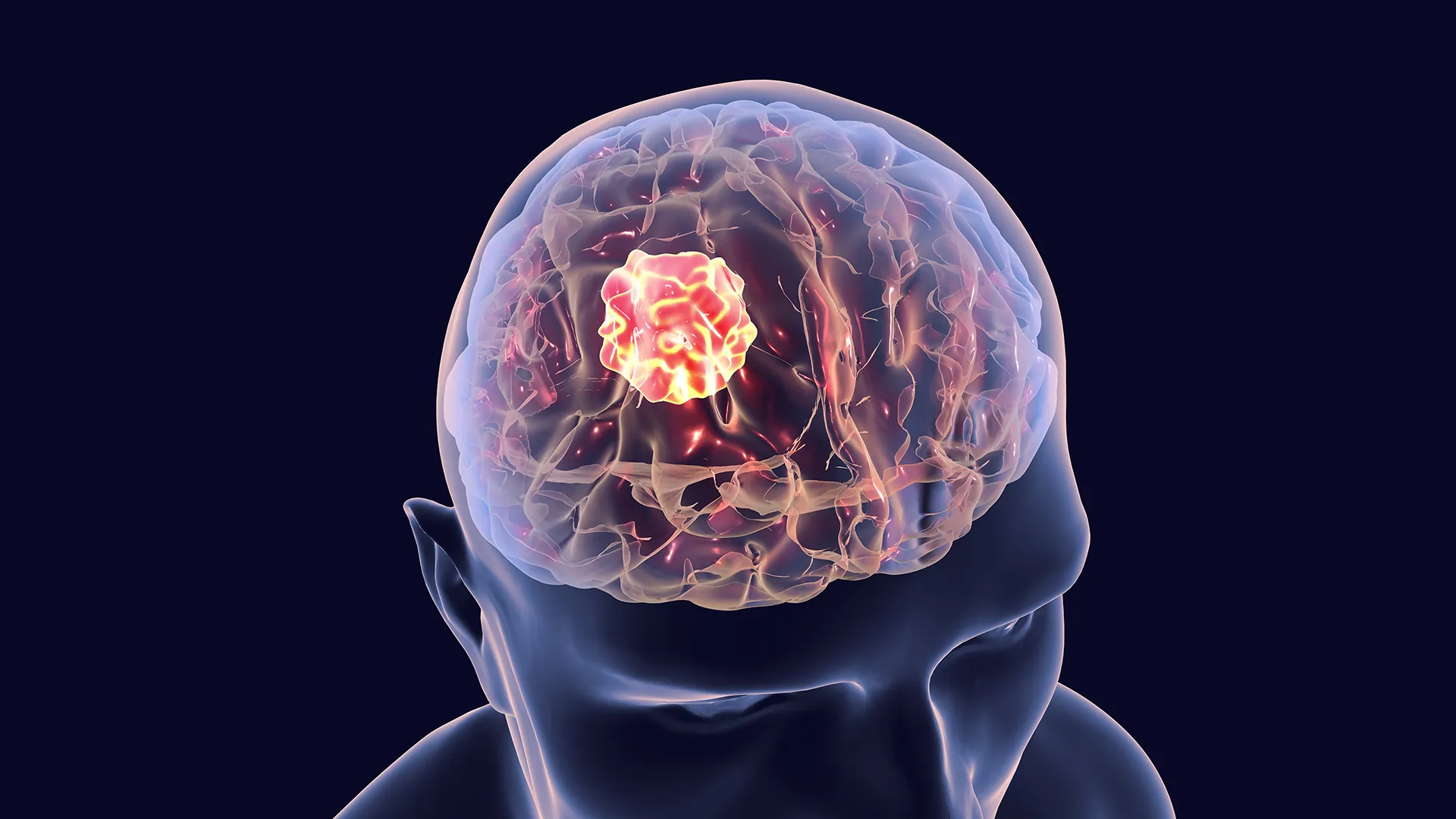
A groundbreaking study spearheaded by researchers at Keck Medicine of USC has illuminated a potential new path forward in the fight against glioblastoma, an aggressive and notoriously difficult-to-treat brain tumor. For patients diagnosed with this devastating condition, the prognosis has historically been grim, with the National Brain Tumor Society reporting an average survival rate of a mere eight months following diagnosis. This latest research, however, offers a beacon of hope, suggesting that a novel combination therapy, integrating Tumor Treating Fields (TTFields) with immunotherapy and chemotherapy, may significantly extend survival and enhance the body’s ability to combat this relentless disease.
The Science Behind the Synergy: TTFields as an Immune System Primer
At the heart of this potential breakthrough lies Tumor Treating Fields (TTFields) therapy, a non-invasive approach that utilizes low-intensity, alternating electric fields to disrupt tumor cell division and growth. Unlike conventional treatments that often rely on systemic delivery, TTFields are delivered directly to the tumor site through a series of mesh electrodes strategically placed on the scalp. These electrodes generate precise frequencies and intensities, creating an electric field that targets and impedes the intricate cellular machinery of cancerous cells. The continuous oscillation of these electric fields within the tumor environment effectively disrupts key cellular structures, making it exceedingly difficult for cancer cells to multiply and proliferate. This disruption of tumor growth is not merely about halting progression; it also plays a crucial role in preparing the ground for other therapeutic interventions.
One of the most compelling findings of the Keck Medicine study is the observed effect of TTFields on the tumor microenvironment. Researchers noted that TTFields therapy attracts a greater number of tumor-fighting T cells – a critical component of the immune system responsible for identifying and eliminating cancerous cells – into and around the glioblastoma. This influx of immune cells is a pivotal step, as it effectively "primes" the tumor site for subsequent immune-based attacks.
A New Era for Immunotherapy in Glioblastoma?
Immunotherapy, specifically the use of immune checkpoint inhibitors (ICIs) like pembrolizumab, has revolutionized cancer treatment for many types of malignancies. These therapies work by releasing the brakes on the immune system, allowing T cells to recognize and attack cancer cells more effectively. However, glioblastoma has proven to be a formidable adversary for immunotherapy when used in isolation. The unique immunosuppressive environment of the brain, further compounded by the blood-brain barrier, often prevents sufficient numbers of T cells from reaching and engaging with the tumor. This protective barrier, while essential for brain health, can inadvertently shield brain tumors from the very therapies designed to eliminate them.
Dr. David Tran, MD, PhD, chief of neuro-oncology at Keck Medicine, co-director of the USC Brain Tumor Center, and the study’s corresponding author, eloquently described the synergistic mechanism: "By using TTFields with immunotherapy, we prime the body to mount an attack on the cancer, which enables the immunotherapy to have a meaningful effect in ways that it could not before. Our findings suggest that TTFields may be the key to unlocking the value of immunotherapy in treating glioblastoma." This suggests a paradigm shift, where TTFields are not just a growth inhibitor but a crucial enabler of immunotherapy’s potential in this challenging cancer.
The Triad in Action: Chemotherapy, TTFields, and Immunotherapy
The study’s innovative approach involved combining TTFields with two established glioblastoma treatments: chemotherapy (temozolomide) and immunotherapy (pembrolizumab). Chemotherapy has long been a cornerstone of glioblastoma treatment, aiming to kill rapidly dividing cancer cells. However, even in conjunction with aggressive chemotherapy, the prognosis for glioblastoma has remained discouragingly poor. The addition of immunotherapy, therefore, represents a critical step in enhancing the efficacy of existing treatments.
The results from the study were striking. The integration of TTFields with immunotherapy and chemotherapy was associated with a remarkable 70% increase in overall survival for patients. This is a significant leap forward from the historical survival rates seen with conventional therapies.
A Surprising Revelation: Larger Tumors Yield Stronger Immune Response
An especially intriguing observation from the research was the enhanced immune response and improved survival seen in patients with larger, unresected (not surgically removed) glioblastomas. This finding might seem counterintuitive, as larger tumors typically indicate more advanced disease. However, the researchers hypothesize that a larger tumor mass may offer more targets for TTFields to interact with, thereby generating a more robust and potent immune reaction. In essence, the presence of more cancerous cells could provide a more substantial platform for TTFields to initiate the cascade of immune activation, ultimately leading to better therapeutic outcomes.
This suggests that for patients who are not candidates for surgical resection due to tumor location or extent, this combination therapy could offer a particularly valuable lifeline. "Further studies are needed to determine the optimal role of surgery in this setting," stated Dr. Tran, "but these findings may offer hope, particularly for glioblastoma patients who do not have surgery as an option."
Study Methodology and Key Findings: A Deeper Dive
The findings are derived from an analysis of data from the 2-THE-TOP Phase 2 clinical trial. This trial enrolled 31 patients newly diagnosed with glioblastoma who had already completed chemoradiation therapy. A significant subset of these patients, 26 in total, received the experimental combination of TTFields, chemotherapy, and immunotherapy. A particularly high-risk subgroup of seven patients within this cohort had inoperable tumors due to their critical locations, representing a patient population with historically the poorest prognoses and limited treatment alternatives.
The treatment regimen involved monthly cycles of chemotherapy, administered for six to 12 months, alongside TTFields therapy, which patients wore for approximately 18 hours a day for up to 24 months. Immunotherapy was administered every three weeks, commencing with the second dose of chemotherapy, and continuing for up to 24 months, with the duration of treatment tailored to individual patient responses.
The comparative survival data revealed a substantial improvement. Patients who received TTFields in conjunction with chemotherapy and immunotherapy lived approximately 10 months longer than historical control groups who had been treated with TTFields and chemotherapy alone. More remarkably, the subgroup of patients with large, inoperable tumors experienced an even greater survival benefit, living approximately 13 months longer. These patients also demonstrated significantly stronger immune activation compared to those who underwent surgical tumor removal.
The Road Ahead: From Phase 2 to Phase 3 and Beyond
The promising results from the Phase 2 trial have paved the way for further investigation. Keck Medicine is actively involved in a multicenter Phase 3 clinical trial designed to rigorously validate the efficacy of TTFields in combination with immunotherapy and chemotherapy. Dr. Tran is at the helm of this crucial endeavor, serving as the chair of the steering committee for this large-scale trial. Dr. Frances Chow, a neuro-oncologist with USC Norris, is the principal investigator at the Keck Medicine study site.
This Phase 3 trial, currently underway at 28 sites across the United States, Europe, and Israel, is projected to enroll over 740 patients by April 2029. A key objective of this expansive trial is to assess the influence of surgical tumor resection on immune response by including patients with varying degrees of tumor removal, from gross total resection to partial resection and biopsy-only cases. This comprehensive approach aims to refine our understanding of how surgical intervention interacts with the combined therapeutic strategy.
The research team from Keck School of Medicine of USC contributing to this study includes Dongjiang Chen, PhD, assistant professor of research neurological surgery; Son Le, PhD, assistant professor of research neurological surgery; Harshit Manektalia, research programmer; Ming Li, PhD, professor of research population and public health sciences; and Adam O’Dell, research lab specialist. Additionally, Ashley Ghiaseddin, MD, and Maryam Rahman, MD, MS, from the University of Florida, were integral collaborators.
The study received funding from Novocure, the manufacturer of the TTFields device (Optune) utilized in the research. Dr. Tran has also received honoraria from Novocure for his consultancy work, and both Dr. Chen and Dr. Tran are listed as inventors on patent applications related to the work presented in this study, highlighting their significant contributions to the development of this therapeutic approach.
Implications and Future Outlook
The potential implications of this research are profound. Glioblastoma remains one of the most challenging cancers to treat, with limited options and a devastating prognosis. The identified combination therapy offers a tangible hope for extending survival and improving the quality of life for patients facing this diagnosis. The ability of TTFields to prime the tumor microenvironment for a more robust immune response opens up new avenues for overcoming the long-standing hurdles in treating brain tumors with immunotherapy.
As the Phase 3 trial progresses, the medical community will be keenly watching for further validation of these early, yet highly encouraging, findings. If confirmed, this multimodal approach could redefine the standard of care for glioblastoma, offering a more effective and less toxic alternative to some of the current treatment paradigms. The ongoing research also underscores the importance of interdisciplinary collaboration and sustained investment in exploring novel therapeutic strategies for complex diseases. The journey from initial discovery to widespread clinical adoption is often long and arduous, but the work emerging from Keck Medicine of USC represents a significant stride forward in the ongoing battle against glioblastoma, offering a renewed sense of optimism for patients and their families.
