
 By Suherman Candra Maholtra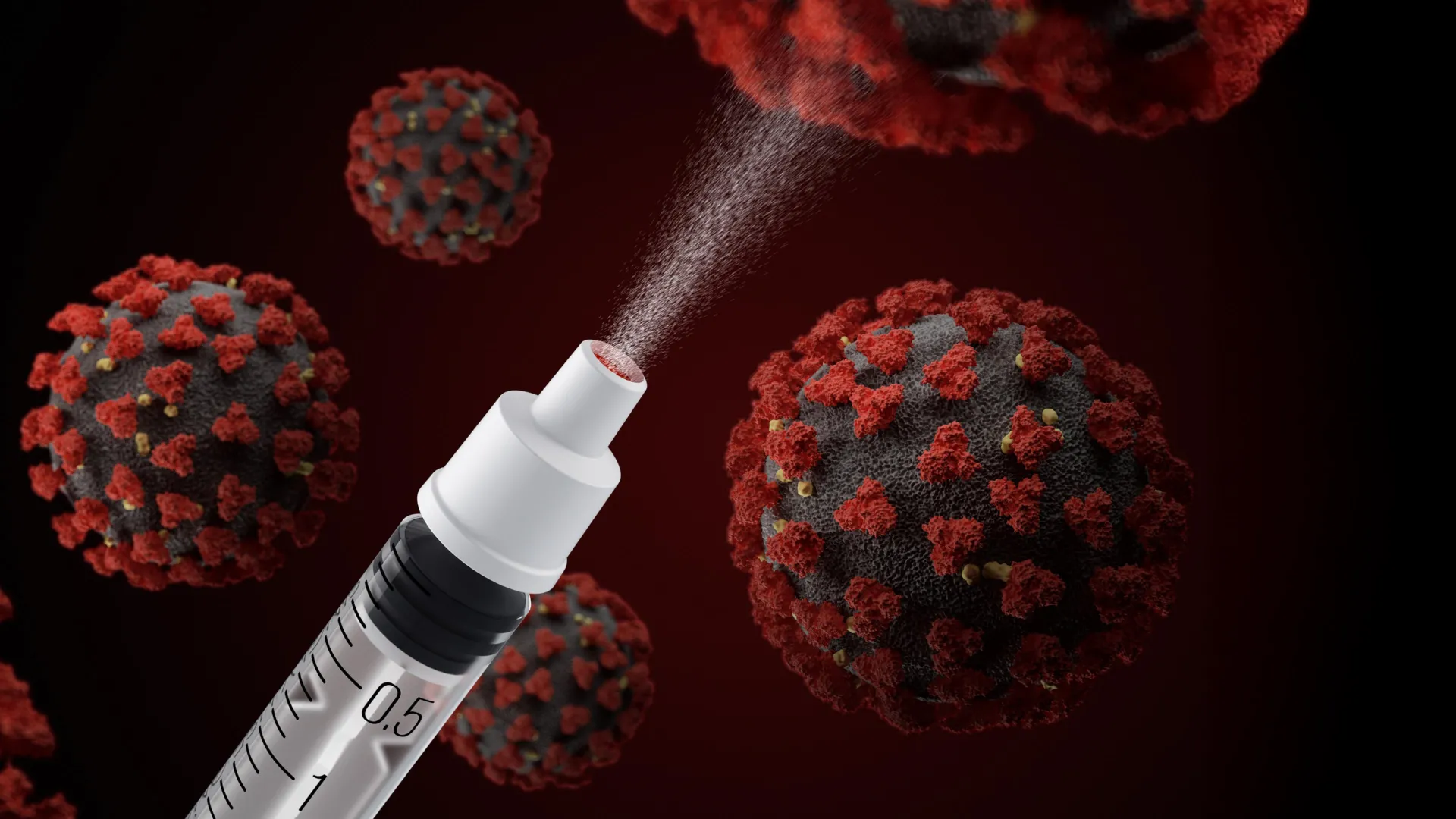
In a milestone for immunological research, a multidisciplinary team led by Stanford Medicine has announced the development of an experimental universal vaccine designed to provide broad-spectrum protection against a diverse array of respiratory threats. Published on February 19 in the journal Science, the study details a novel intranasal vaccine that effectively shields against various strains of coronaviruses, highly resilient hospital-acquired bacteria, and common environmental allergens. This breakthrough represents a significant departure from the traditional "one-pathogen, one-vaccine" model that has defined immunology for over two centuries, potentially ushering in a new era of proactive public health defense.
The research, headed by senior author Bali Pulendran, PhD, the Violetta L. Horton Professor II and professor of microbiology and immunology at Stanford, and lead author Haibo Zhang, PhD, a postdoctoral scholar, demonstrates that the vaccine provides robust protection in the lungs for several months. By utilizing a nasal spray delivery system, the formulation targets the primary entry point for most respiratory infections, creating a localized but powerful immune "alert state" that transcends the limitations of current seasonal and pathogen-specific shots.
The Limitations of Traditional Vaccinology
To appreciate the significance of the Stanford discovery, it is necessary to examine the historical context of vaccine development. Since 1796, when Edward Jenner pioneered the smallpox vaccine using cowpox material, the fundamental principle of vaccinology has been "antigen specificity." This approach involves introducing a specific, recognizable component of a pathogen—such as a protein or a weakened version of the virus—to the immune system. This allows the body to develop "memory" in the form of antibodies and T cells that can recognize and neutralize that specific threat in the future.
While this paradigm has successfully eradicated or controlled numerous diseases, it faces a critical challenge in the modern era: rapid viral evolution. Pathogens like influenza and SARS-CoV-2 are known for their ability to mutate frequently, changing the structural appearance of their surface antigens. When these "spots" change, the antibodies generated by previous vaccinations or infections may no longer recognize the threat, leading to breakthrough infections and the constant need for updated boosters. Professor Pulendran noted that the relentless pace of mutation in many respiratory viruses has made the traditional approach feel like a perpetual race that the medical community is struggling to win.
Previous attempts to create "universal" vaccines have typically focused on "broadly neutralizing antibodies" or targeting conserved regions within a single family of viruses, such as trying to find a common denominator among all flu strains. The Stanford team, however, sought a more ambitious goal: a single intervention capable of defending against entirely unrelated biological threats, ranging from viruses to bacteria and even non-infectious allergens.
A New Strategic Approach to Integrated Immunity
The experimental vaccine deviates from tradition by focusing on the synergy between the body’s two primary defense mechanisms: innate immunity and adaptive immunity. Historically, vaccines have focused almost exclusively on the adaptive system, which provides long-term memory but takes days or weeks to mobilize. In contrast, the innate immune system is the body’s first responder, reacting within minutes to any perceived threat. However, the innate response is typically short-lived, often fading within a few days.
The Stanford team’s strategy was inspired by observations of the Bacillus Calmette-Guerin (BCG) tuberculosis vaccine. For decades, researchers noticed that infants receiving the BCG vaccine appeared to have lower mortality rates from unrelated infections. In 2023, Pulendran’s laboratory published findings in mice explaining this phenomenon. They discovered that certain vaccinations could trigger T cells to migrate to the lungs and send persistent signals to innate immune cells, keeping them in a state of heightened activation for months rather than days.
By identifying the specific molecular signals—cytokines that activate pathogen-sensing receptors known as toll-like receptors (TLRs)—the researchers realized they could synthetically replicate this effect. The goal was to create a "bridge" that allows the adaptive immune system (specifically T cells) to keep the innate immune system (macrophages, neutrophils, and dendritic cells) on high alert.
Experimental Design and the GLA-3M-052-LS+OVA Formulation
The resulting formulation, currently designated as GLA-3M-052-LS+OVA, is a synthetic cocktail designed for intranasal administration. It consists of specific toll-like receptor stimuli combined with a harmless egg protein known as ovalbumin (OVA). In this context, the OVA serves as a decoy antigen that draws T cells into the lung tissue. Once there, these T cells produce the necessary signals to maintain the innate immune cells’ readiness.
During the study, researchers administered the vaccine to mice via nasal droplets. The experimental group received multiple doses spaced one week apart. Following the vaccination period, the mice were exposed to lethal or high doses of various respiratory pathogens. The results provided a stark contrast between vaccinated and unvaccinated subjects.
In challenges involving SARS-CoV-2 and other related coronaviruses, unvaccinated mice suffered from severe respiratory distress, significant weight loss, and high mortality rates. Their lung tissue showed extensive inflammation and high viral titers. Conversely, the mice that received three doses of the nasal vaccine remained protected for at least three months. These mice exhibited minimal weight loss, 100% survival rates, and a staggering 700-fold reduction in viral levels within their lungs compared to the control group.
Comparative Results and the Double Whammy Effect
The efficacy of the vaccine is described by Pulendran as a "double whammy." The first layer of defense is the sustained innate immune response, which acts as a broad-spectrum shield, immediately attacking any incoming pathogen. This significantly lowers the initial viral or bacterial load.
The second layer is an accelerated adaptive response. Because the immune environment in the lungs is already "primed" and alert, the body can mount a specific antibody and T-cell response much faster than usual. In unvaccinated mice, it typically takes roughly 14 days to develop a robust adaptive response to a new pathogen. In the mice treated with the experimental nasal vaccine, this timeframe was compressed to just three days. This rapid response prevents the pathogen from gaining a foothold and causing systemic illness.
Broad-Spectrum Efficacy Against Bacterial Pathogens
One of the most remarkable aspects of the study was the vaccine’s performance against non-viral threats. The researchers tested the formulation against Staphylococcus aureus and Acinetobacter baumannii. These bacteria are significant concerns in clinical settings; A. baumannii, in particular, is frequently multi-drug resistant and a leading cause of hospital-acquired pneumonia.
The vaccinated mice demonstrated a high level of resistance to these bacterial infections for approximately three months. This suggests that the "alert state" induced by the vaccine is not specific to the biological structure of a virus but is a generalized enhancement of the lung’s mucosal immunity. The ability to provide a non-antibiotic-based defense against such bacteria could have profound implications for combating the global crisis of antimicrobial resistance.
Mitigating the Allergic Th2 Response
Expanding the scope of the study further, the team investigated whether this immune modulation could affect the body’s reaction to environmental allergens. They exposed the mice to proteins from house dust mites, a ubiquitous trigger for allergic asthma.
Allergic reactions are typically driven by a Th2 immune response, which leads to airway inflammation and excessive mucus production. The study found that while unvaccinated mice developed the expected high Th2 response and clogged airways, the vaccinated mice showed a significantly dampened Th2 response. Their airways remained clear, suggesting that the vaccine’s recruitment of specific T cells and innate activation effectively "reprogrammed" the lung’s immune environment to be less reactive to allergens.
Clinical Outlook and Timeline for Human Implementation
While the results in murine models are highly promising, the transition to human application involves rigorous testing. The research team is currently preparing for a Phase I safety trial to ensure the formulation is well-tolerated in humans and does not induce over-inflammation or adverse localized reactions.
Pulendran estimates that if funding remains consistent and safety trials are successful, a universal respiratory vaccine could be commercially available within five to seven years. The vision is a seasonal nasal spray—perhaps administered twice—that could replace the current patchwork of annual flu shots and COVID-18 boosters.
"Imagine getting a nasal spray in the fall months that protects you from all respiratory viruses including COVID-19, influenza, respiratory syncytial virus and the common cold, as well as bacterial pneumonia and early spring allergens," Pulendran stated. Such a tool would not only simplify individual healthcare but also provide a critical "first line of defense" during the early stages of a future pandemic, before a pathogen-specific vaccine can be developed.
Global Health Implications and Future Preparedness
The implications of this research extend far beyond convenience. From an economic perspective, respiratory infections cost the global economy billions of dollars annually in healthcare expenses and lost productivity. A universal vaccine could drastically reduce this burden. Furthermore, in the context of pandemic preparedness, having a broad-spectrum "stop-gap" measure could prevent the rapid spread of novel zoonotic viruses, buying time for scientists to sequence and target new threats.
The study was a collaborative effort involving researchers from Emory University School of Medicine, the University of North Carolina at Chapel Hill, Utah State University, and the University of Arizona. Funding was provided by the National Institutes of Health, the Violetta L. Horton Professor endowment, the Soffer Fund endowment, and Open Philanthropy.
As the scientific community shifts its focus toward "agnostic" immune therapies—treatments that empower the body to fight regardless of the specific pathogen identity—the Stanford study stands as a foundational proof of concept. It challenges the 230-year-old reliance on antigen specificity and suggests that the "mythical" goal of a universal vaccine may finally be within reach.
