
 By Budi Oetomo Narendra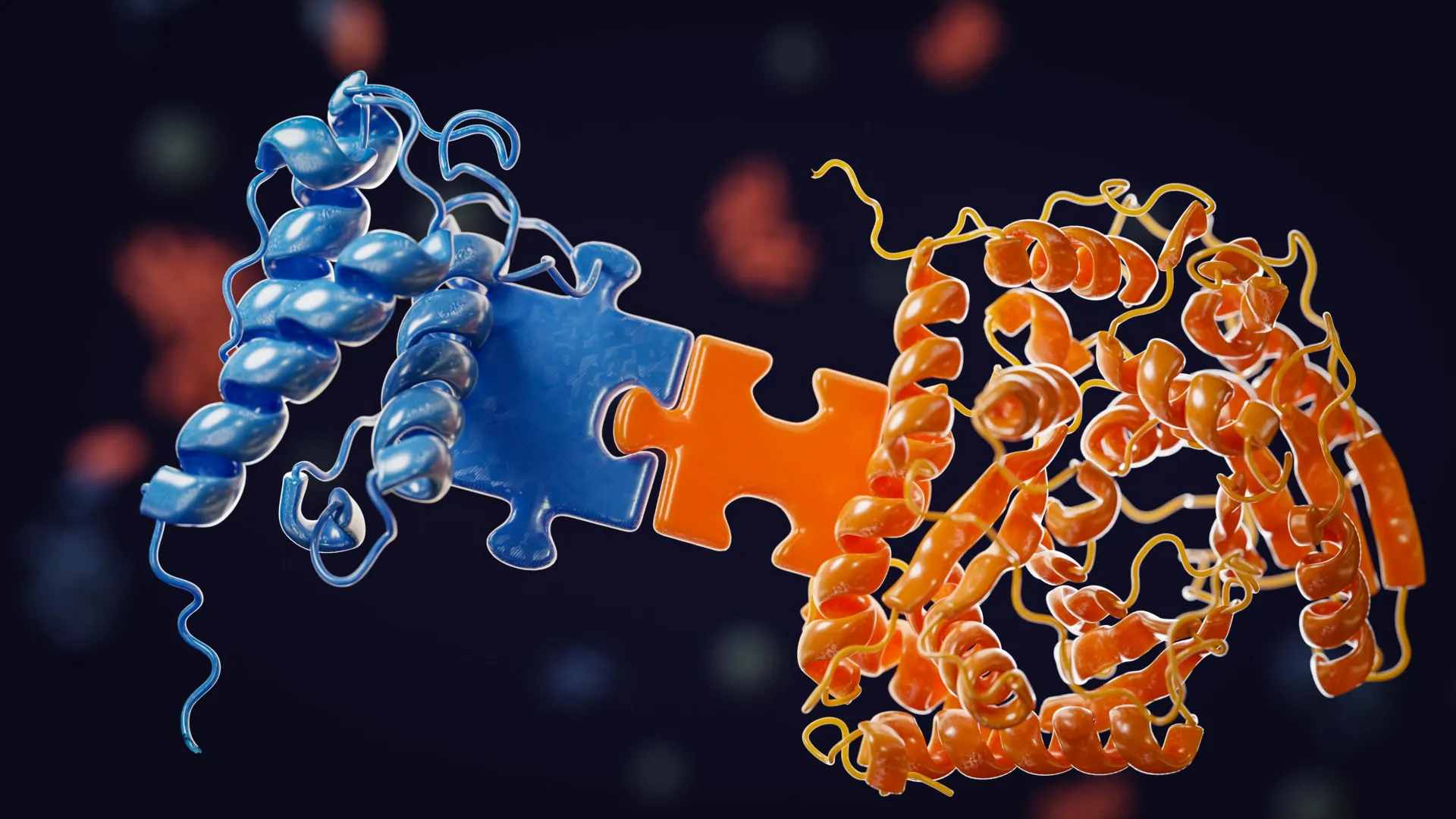
For many years, the scientific community has harbored ambitions to leverage bacterial enzymes for the creation of innovative drug variants through a technique known as combinatorial biosynthesis. This approach holds immense promise for generating a vast library of therapeutic candidates by mixing and matching biological building blocks. However, practical progress in this area has been severely hampered by a fundamental knowledge gap: researchers lacked a comprehensive understanding of how these intricate enzymes orchestrate their complex work, particularly how they coordinate to produce chemically diverse but structurally related molecules. The recent study, spearheaded by researchers from the University of Warwick and Monash University, finally cracks this enigmatic code, revealing the precise mechanisms of enzymatic communication.
Unraveling Nature’s Drug-Making Assembly Line
The core of the discovery lies in the identification of tiny molecular regions dubbed ‘docking domains.’ These domains serve as sophisticated connectors, acting as critical communication hubs between the central drug-building machinery and the various enzymes responsible for appending different chemical components. What makes these docking domains particularly ingenious is their conserved connection point, which allows them to interact flexibly with multiple enzyme partners. This elegant, flexible design provides a compelling explanation for how bacteria can generate a wide array of related drug molecules while simultaneously maintaining the exquisite precision necessary for these compounds to retain their therapeutic efficacy.
This natural "mix and match" system, now meticulously reproduced in the laboratory, establishes a novel and highly strategic pathway for designing future cancer therapies. Dr. Munro Passmore, a Research Fellow in the Department of Chemistry at the University of Warwick and the study’s first author, articulated the significance of this revelation. "For decades, we’ve known that bacteria can naturally produce multiple versions of powerful anti-cancer drugs, yet we had no idea how they achieved this," Dr. Passmore explained. "This work finally cracks that code. We’ve identified how the different enzymes communicate and cooperate to produce these drug variants, something that has eluded researchers because the system is so elegantly economical. It’s the breakthrough we needed to actually engineer these drugs ourselves." This statement underscores the profound shift from passive observation to active engineering that this discovery enables.
A Deeper Dive into HDAC Inhibitors and Their Therapeutic Impact
The research specifically focuses on a vital class of anti-cancer medicines known as histone deacetylase (HDAC) inhibitors. These drugs play a crucial role in oncology by blocking histone deacetylases, a group of enzymes that are instrumental in regulating gene expression within cells – essentially controlling which genes are switched "on" or "off." By inhibiting these enzymes, HDAC inhibitors can modulate gene activity, leading to desired anti-tumor effects such as inducing cell differentiation, arresting cell growth, or prompting programmed cell death (apoptosis) in cancer cells.
Romidepsin, marketed as Istodax, is a prominent example of an FDA-approved HDAC inhibitor. It is currently utilized for the treatment of certain T-cell lymphomas, including peripheral T-cell lymphoma (PTCL) and cutaneous T-cell lymphoma (CTCL). Its approval in 2009 marked a significant advancement in the therapeutic landscape for these aggressive and often difficult-to-treat blood cancers. For decades, a chemically related compound known as FR-901375 has been recognized by scientists, yet the precise biological pathway bacteria employ to produce it remained an unsolved mystery. This recent study meticulously fills in that crucial missing piece, providing a complete picture of its biosynthesis.
Like other HDAC inhibitors within its family, FR-901375 belongs to a group of complex cyclic molecules referred to as depsipeptides. These compounds are characterized by their intricate architecture, being assembled from amino acid building blocks alongside a conserved hydroxy acid pharmacophore, all intricately linked through a combination of peptide and ester bonds. This structural complexity contributes to their potent biological activity and makes their synthetic replication a formidable challenge.
The Intricate Machinery of PKS-NRPS Hybrids
Within the bacterial cellular machinery, these sophisticated molecules are constructed by massive protein complexes known as PKS-NRPS hybrids. These fascinating enzymatic factories combine the catalytic activities of polyketide synthases (PKS) and nonribosomal peptide synthetases (NRPS). PKS enzymes are responsible for assembling polyketides, a vast group of natural products with diverse biological activities, often starting from simple carboxylic acid precursors. NRPS enzymes, on the other hand, build peptides from amino acid building blocks, often incorporating unusual amino acids or modifications not found in ribosomal protein synthesis. The hybrid nature of these complexes allows for the creation of molecules that blend characteristics of both polyketides and nonribosomal peptides, leading to an extraordinary diversity of natural products, many of which have significant pharmacological utility.
The new research definitively demonstrates that the key to this complex assembly process, particularly the generation of multiple variants, lies squarely with the newly identified docking domains. These domains act akin to molecular connectors or adaptors, enabling one part of the elaborate production line to accurately recognize and efficiently pass its partially assembled product to the next enzymatic station. This precise hand-off mechanism is what underpins combinatorial biosynthesis, allowing bacteria to naturally generate an array of drug variants from a common biosynthetic pathway. This elegantly economical system is a testament to millions of years of natural selection, optimizing for both efficiency and diversity.
Evolutionary Insights and a Blueprint for Accelerated Drug Design
Beyond simply elucidating the mechanism, the study also offers profound insights into the evolutionary trajectory of these natural drug-producing systems. The researchers posit that the newly identified compound, FR-901375, most likely evolved from a related drug-producing pathway through processes of gene duplication and subsequent recombination over extended periods. This evolutionary perspective not only explains the diversity observed in nature but also provides a rational framework for how scientists can mimic and even accelerate such evolutionary processes in the lab to generate desired drug candidates.
Professor Greg Challis, a Monash Warwick Alliance Professor of Sustainable Chemistry at both the University of Warwick and Monash University, eloquently summarized the transformative potential of this research. "This research gives us a blueprint to do what nature does, but better and faster," he stated. "By reverse-engineering nature’s evolutionary logic, we can now design synthetic pathways that generate new anti-cancer drug candidates with properties optimized for clinical use, such as superior potency, improved selectivity, and fewer side effects." This statement highlights the paradigm shift from merely identifying natural products to actively designing and improving upon them. Professor Challis further elaborated on the immediate goals: "Our immediate goal is to build an expanded library of candidates for various cancers where new treatments are urgently needed. This discovery is moving us from understanding how the systems work to building new ones." This ambition points towards a future where drug discovery is less about serendipity and more about rational, targeted design.
Implications for Cancer Drug Development and Patient Care
The implications of this discovery for cancer drug development are vast and far-reaching. The ability to systematically generate new variants of existing powerful anti-cancer drugs, or even entirely novel compounds, offers a critical advantage in the ongoing battle against cancer. Many cancers, such as pancreatic cancer, glioblastoma, and certain aggressive forms of lung and ovarian cancers, remain notoriously difficult to treat, often developing resistance to existing therapies. The capacity to design new drug candidates with optimized properties—improved potency, enhanced selectivity for cancer cells over healthy ones, and reduced side effects—could revolutionize treatment strategies for these challenging malignancies.
Furthermore, this breakthrough could significantly accelerate the drug development timeline. Traditional drug discovery is a lengthy, costly, and high-risk endeavor, often taking over a decade and billions of dollars to bring a single drug to market. By providing a rational design framework, this research has the potential to streamline the early stages of drug discovery, moving beyond random screening towards targeted synthesis. This could translate into new therapies reaching patients much faster, offering hope to those for whom current treatments are inadequate. The global burden of cancer is immense, with millions of new cases and deaths annually, underscoring the urgent need for continuous innovation in oncology.
The Interdisciplinary Approach to Solving a Decades-Long Mystery
The successful unraveling of this complex bacterial mechanism was not the result of a single discipline but rather a testament to the power of interdisciplinary collaboration. The research team employed a sophisticated arsenal of scientific techniques, seamlessly integrating structural biology, biochemistry, genetics, and advanced computational modeling.
- Structural Biology: This involved determining the three-dimensional structures of the enzymes and their docking domains, providing atomic-level insights into how they interact. Techniques like X-ray crystallography or cryo-electron microscopy would have been crucial here.
- Biochemistry: Biochemical assays were used to study the enzymatic reactions in a controlled laboratory setting, allowing researchers to observe how the enzymes function, which substrates they process, and how they communicate.
- Genetics: Genetic manipulation of the bacterial strains was likely employed to knock out or modify specific genes encoding these enzymes, enabling researchers to understand the role of each component in the biosynthetic pathway.
- Computational Modeling: Sophisticated computer simulations and bioinformatics tools would have been used to predict protein interactions, model molecular dynamics, and analyze large datasets generated from experimental work, helping to piece together the complex puzzle.
This comprehensive, multi-faceted approach was essential in dissecting a system that had eluded scientists for so long, demonstrating the power of modern scientific tools when applied in a coordinated fashion.
A New Era for Natural Product Drug Discovery
This discovery heralds a new era in natural product drug discovery. Historically, natural products from microbes, plants, and marine organisms have been an unparalleled source of therapeutic agents, including antibiotics, anti-cancer drugs, and immunosuppressants. However, the reliance on isolating these compounds from nature and then attempting to chemically modify them has inherent limitations. The ability to ‘reverse-engineer’ nature’s own synthetic logic and then ‘forward-engineer’ novel compounds based on this understanding represents a paradigm shift.
The pharmaceutical industry, perpetually seeking novel compounds and more efficient development pathways, will undoubtedly take keen interest in these findings. While no specific industry reactions were immediately available, the general sentiment within the sector for breakthroughs that de-risk and accelerate drug development is consistently positive. Academic institutions and government funding bodies, such as the UK Research and Innovation (UKRI) or similar global organizations, are often instrumental in supporting such foundational research, recognizing its potential for long-term societal benefit and economic impact. The work by the University of Warwick and Monash University stands as a prime example of how sustained investment in basic science can lead to transformative breakthroughs with direct relevance to pressing global health challenges.
In conclusion, the elucidation of how bacteria orchestrate the production of diverse anti-cancer depsipeptides is far more than an academic curiosity. It is a fundamental discovery that provides a rational framework for designing the next generation of cancer therapeutics. By understanding and harnessing nature’s elegant "mix and match" system, scientists are now poised to create more potent, more selective, and safer drugs, ultimately offering renewed hope for millions of patients worldwide battling difficult-to-treat cancers. The journey from understanding to building is now well underway, promising a future where engineered biological systems can deliver precision medicines tailored to combat the complexities of cancer.
