
 By admin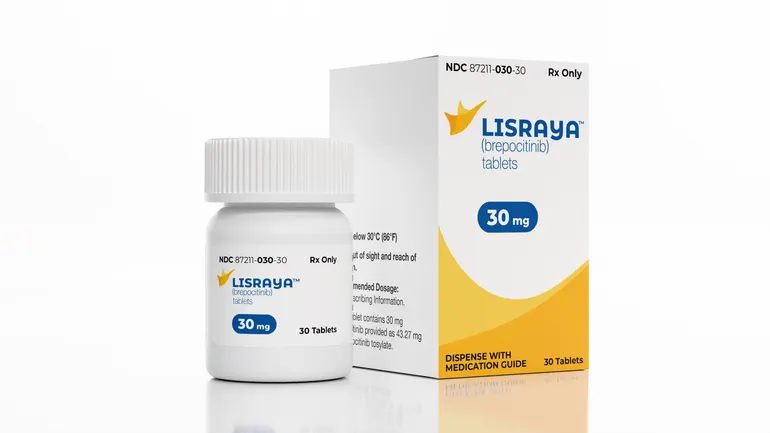
The U.S. Food and Drug Administration (FDA) has granted approval for brepocitinib, marketed as Lisraya, establishing it as the first oral therapy specifically indicated for the treatment of dermatomyositis in adults. This landmark decision, announced on Thursday, marks a significant advancement for patients suffering from this rare and often debilitating autoimmune condition, which causes distinctive skin lesions and progressive muscle weakness. The drug, originally discovered by pharmaceutical giant Pfizer and subsequently licensed to Priovant Therapeutics, a subsidiary of the innovative hub-and-spoke biotechnology firm Roivant Sciences, is set to address a substantial unmet need within the dermatomyositis patient community.
A New Horizon for Dermatomyositis Patients
Dermatomyositis is a chronic autoimmune inflammatory disease that primarily affects the skin and muscles. It is characterized by muscle weakness, often symmetrically affecting the proximal muscles (those closest to the torso), and a range of distinctive skin rashes. These dermatological manifestations can include a heliotrope rash (a purplish discoloration around the eyelids), Gottron’s papules (reddish-purple papules over the knuckles), and shawl sign (a rash over the back and shoulders). The disease can also impact internal organs, leading to complications such as interstitial lung disease, dysphagia (difficulty swallowing), and cardiac involvement, significantly impacting a patient’s quality of life and potentially leading to severe disability or even life-threatening conditions.
An estimated 34,000 individuals in the United States are affected by dermatomyositis, a population that has historically faced limited treatment options. Prior to Lisraya’s approval, management typically involved a combination of corticosteroids, intravenous immunoglobulin (IVIg), and off-label immunosuppressive agents like methotrexate, azathioprine, or mycophenolate mofetil. While these therapies can help manage symptoms, they often come with significant side effects, require frequent administration, and may not provide adequate disease control for all patients. The lack of a targeted, FDA-approved oral therapy has long been a critical gap in care, leaving many patients struggling with persistent symptoms and the burden of managing complex treatment regimens.
Lisraya’s Mechanism of Action and Clinical Efficacy
Lisraya (brepocitinib) operates through a targeted mechanism, inhibiting two key members of the Janus kinase (JAK) family of proteins: TYK2 and JAK1. The JAK-STAT pathway is a crucial signaling cascade involved in the regulation of immune responses, and its dysregulation is implicated in numerous autoimmune diseases. By selectively blocking TYK2 and JAK1, brepocitinib aims to interrupt the inflammatory pathways that drive the muscle damage and skin manifestations characteristic of dermatomyositis.
The development of JAK inhibitors has revolutionized the treatment of various autoimmune conditions, including rheumatoid arthritis, psoriatic arthritis, and atopic dermatitis. Drugs like AbbVie’s Rinvoq (upadacitinib) and Pfizer’s Xeljanz (tofacitinib) have demonstrated significant efficacy in these broader immune conditions and have achieved blockbuster status. However, the JAK inhibitor class has also been associated with serious safety concerns, including an increased risk of serious infections, cardiovascular events, and malignancies, leading to "boxed warnings" from regulatory bodies.
Priovant Therapeutics’ strategy with Lisraya has been to differentiate by focusing on rare diseases where the unmet need is exceptionally high and a targeted approach could yield substantial benefits with a more manageable risk-benefit profile within a specific patient population. This strategic focus allowed Priovant to pursue a path in dermatomyositis and other inflammatory eye and skin disorders, areas with less existing competition and potentially faster approval pathways. Roivant CEO Matt Gline articulated this approach in a July interview, stating, "We’ve chosen some markets that we’ve been able to pioneer, where they’re wide open and the unmet need is high. They were well-tailored to the biological nature of the drug."
The efficacy and safety of Lisraya were primarily evaluated in the Phase 3 VALOR trial, a pivotal study that enrolled adults with active dermatomyositis. The trial demonstrated that a 30-milligram once-daily dose of Lisraya was associated with statistically significant improvements in measures of disease activity over a 52-week period. Patients treated with Lisraya showed better scores on a composite scale evaluating muscle strength, physical function, skin health, and other signs of the disease, indicating a comprehensive improvement across the spectrum of dermatomyositis symptoms. A particularly noteworthy finding was the ability of a greater proportion of Lisraya-treated patients to reduce or eliminate their corticosteroid use, a critical outcome given the long-term side effects associated with steroid therapy.
Further detailed data, published recently in JAMA Dermatology, provided additional insights into Lisraya’s benefits, particularly concerning skin-related symptoms. The publication highlighted that approximately three-quarters of trial participants experienced a clinically meaningful improvement in itching after a year of treatment, a stark contrast to only 33% in the placebo group. Moreover, nearly half of the patients who presented with moderate-to-severe skin disease at the trial’s outset achieved "remission-level outcomes" in their skin condition over the same period, underscoring the drug’s potent dermatological effects.
Regulatory Journey and Safety Profile
The journey to FDA approval for Lisraya underscores a meticulous regulatory process. Following its initial discovery by Pfizer, the asset was strategically out-licensed to Priovant Therapeutics. Priovant then meticulously guided brepocitinib through comprehensive clinical development, culminating in the submission of a New Drug Application (NDA) to the FDA. The agency’s review included a thorough assessment of the VALOR trial data, alongside other supporting studies, to ascertain the drug’s efficacy and safety profile.
Regarding safety, the most commonly reported side effects in patients taking Lisraya during clinical trials included infections, headache, fatigue, nausea, and diarrhea. Priovant reported that Lisraya’s safety profile was "consistent" with that observed in other JAK inhibitors. As anticipated, the drug’s prescribing information includes a "boxed warning," also known as a Black Box Warning, which is the FDA’s strongest safety warning. This warning alerts healthcare providers and patients to potential serious risks, such as serious infections, increased risk of major adverse cardiovascular events (MACE), thrombosis, and malignancy, echoing similar warnings on other approved JAK inhibitors. Despite this, Leerink Partners analyst David Risinger noted in a client update that there were "no major surprises" in the label and importantly, "all important secondary endpoints" were included, suggesting a favorable overall assessment from a commercial perspective.
Dr. Nikolay Nikolov, the director of the FDA office responsible for evaluating immunology and inflammation drugs, emphasized the significance of this approval in a public statement. "For too long, patients with dermatomyositis have faced a significant unmet need for effective treatments, often relying on therapies meant for other diseases," Dr. Nikolov stated. "Today’s approval is a meaningful step forward, giving patients and their healthcare providers an approved oral therapy proven to help manage this rare and debilitating disease." This sentiment underscores the profound impact a dedicated, approved therapy can have on a patient population previously underserved by the pharmaceutical industry.
Roivant’s Strategic Model and Market Implications
The approval of Lisraya is not just a win for dermatomyositis patients but also a significant validation of Roivant Sciences’ unique "hub-and-spoke" business model. Roivant operates by acquiring promising drug candidates from larger pharmaceutical companies or academic institutions and then spinning them out into specialized "Vant" companies, like Priovant Therapeutics, each focused on developing a specific asset or therapeutic area. This model aims to de-risk drug development by providing dedicated resources, agile decision-making, and a clear focus for each program.
Matt Gline, Roivant’s CEO, has openly discussed this strategy, pointing to the success of other biotech startups like BridgeBio Pharma, Argenx, and Insmed in effectively marketing their own drugs as a blueprint. Roivant’s approach with Lisraya exemplifies this, as Priovant focused intensely on dermatomyositis, a rare disease where a new, effective treatment could quickly establish market presence due to the high unmet need and limited competition. This targeted strategy allowed Priovant to navigate regulatory pathways efficiently and prepare for commercialization, leveraging Roivant’s broader infrastructure while maintaining the nimbleness of a smaller, focused entity.
The list price for a 30-day supply of Lisraya has been set at $35,000. This pricing, while substantial, is consistent with the economic realities of the rare disease market. Developing treatments for small patient populations involves significant research and development costs, and the pricing reflects the high value placed on therapies that address conditions with severe impact and few alternatives. Pharmaceutical companies often argue that such pricing is necessary to recoup investment and incentivize future innovation in neglected disease areas. However, high prices inevitably raise concerns about patient access, affordability, and the burden on healthcare systems. Priovant Therapeutics will likely implement patient assistance programs and work with insurance providers to facilitate access for eligible patients, a common practice for rare disease drugs.
The commercial success of Lisraya will serve as an important test case for Roivant’s strategy and its ability to not only develop but also successfully launch and market specialized therapies. The company’s vision extends beyond dermatomyositis, with Lisraya also being investigated for other inflammatory eye and skin disorders, potentially expanding its market reach and impact.
Broader Impact and Future Outlook
The approval of Lisraya represents a monumental shift for individuals living with dermatomyositis. It offers the first oral, targeted treatment specifically designed for their condition, potentially simplifying treatment regimens, improving adherence, and offering a more consistent level of disease control than previous off-label or broadly immunosuppressive therapies. Patients may experience not only a reduction in physical symptoms but also an improvement in their overall quality of life, including mental health benefits stemming from better symptom management and reduced treatment burden.
For the broader pharmaceutical landscape, Lisraya’s approval underscores the growing interest and investment in rare diseases. The success of targeted therapies in these niche markets encourages further research into the underlying mechanisms of complex autoimmune conditions, paving the way for even more precise and effective treatments in the future. It also reinforces the viability of innovative business models like Roivant’s, demonstrating that smaller, focused entities can successfully bring novel therapies to market.
Looking ahead, ongoing real-world evidence collection will be crucial to further delineate Lisraya’s long-term efficacy, safety, and impact on patient outcomes outside of controlled clinical trial settings. Researchers will also continue to explore combination therapies and the potential for Lisraya in other related conditions, solidifying its role in the evolving therapeutic landscape of autoimmune diseases. The journey for dermatomyositis patients has been long and challenging, but with the advent of Lisraya, a new era of hope and improved management has finally arrived.
