
 By Gabriel Paijo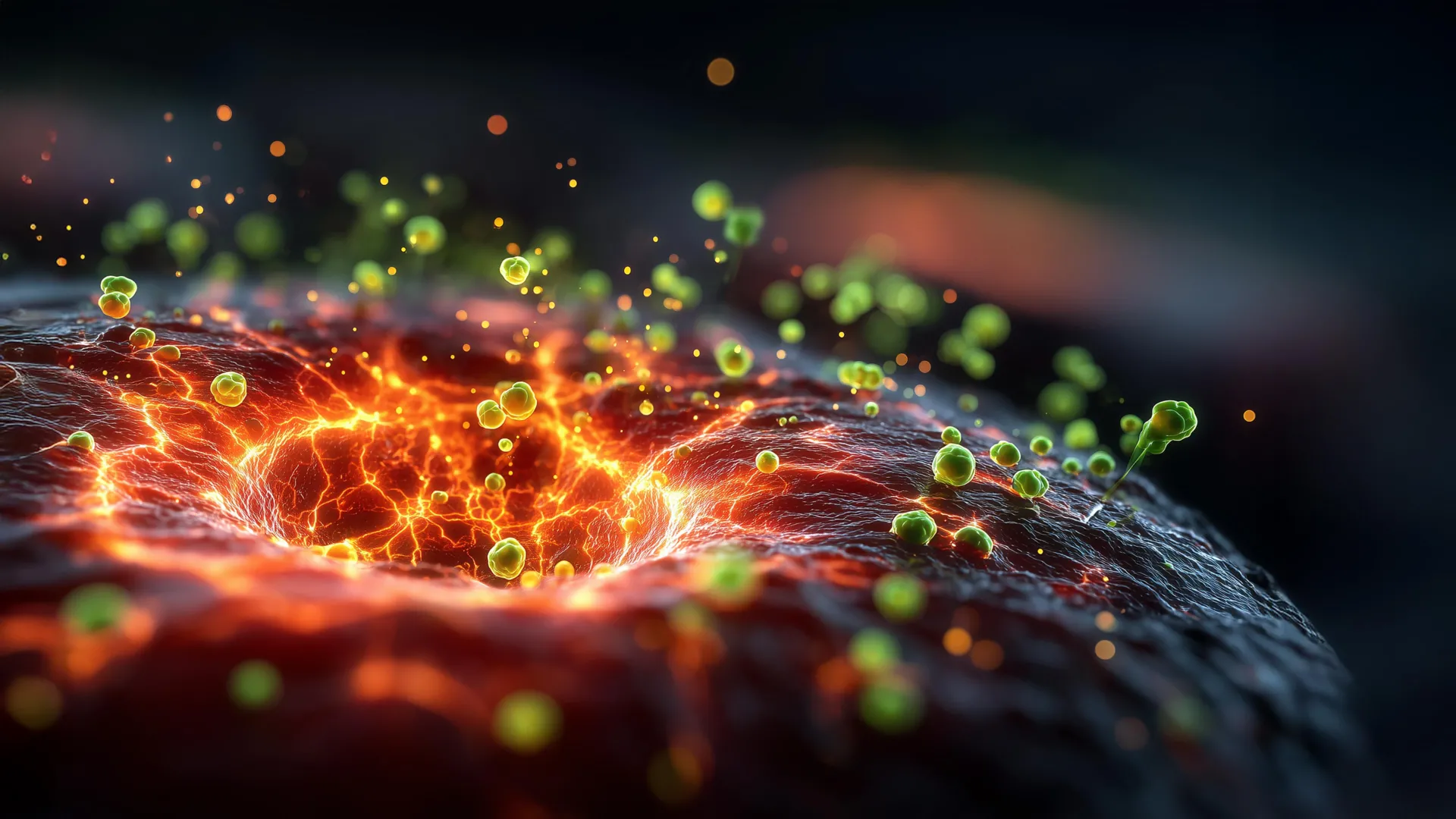
In a landmark study that bridges the gap between wildlife biology and oncology, researchers at the Japan Advanced Institute of Science and Technology (JAIST) have discovered a naturally occurring bacterium within the digestive tract of the Japanese tree frog (Dryophytes japonicus) that exhibits potent anticancer properties. The study, recently published in the prestigious journal Gut Microbes, details how the bacterial strain Ewingella americana was isolated and utilized to completely eradicate colorectal tumors in murine models. This discovery marks a significant shift in the field of bacteriotherapy, moving away from general microbiome modulation toward the use of specific, high-potency "living medicines" delivered intravenously to target malignant growths.
The research team, led by experts in biotechnology and microbiology, embarked on a mission to explore the untapped potential of amphibian and reptilian microbiotas. By screening dozens of bacterial strains harvested from various species native to Japan, the scientists identified a unique biological mechanism that allows E. americana to seek out, colonize, and destroy tumor cells while leaving healthy tissue untouched. The implications of this research are far-reaching, offering a potential new therapeutic avenue for solid tumors that have traditionally been resistant to conventional chemotherapy and immunotherapy.
Methodology and the Search for Microbial Allies
The genesis of the study lay in the hypothesis that the diverse and often extreme environments inhabited by amphibians might foster unique microbial life with specialized survival mechanisms. To test this, the JAIST researchers collected 45 distinct bacterial strains from the intestines of three specific species: the Japanese tree frog (Dryophytes japonicus), the Japanese fire belly newt (Cynops pyrrhogaster), and the Japanese grass lizard (Takydromus tachydromoides).
The selection process was rigorous. Each strain was cultured in laboratory settings and subjected to a series of screenings to evaluate its ability to survive in the complex environment of a living host and its specific affinity for malignant cells. Out of the 45 initial candidates, nine strains demonstrated varying degrees of anticancer activity. However, Ewingella americana, a Gram-negative, facultative anaerobic bacterium, emerged as the clear frontrunner.
Unlike previous attempts at bacterial therapy which often relied on genetically modified strains of Salmonella or E. coli, E. americana is a naturally occurring organism. The researchers focused on its innate ability to navigate the host’s circulatory system and concentrate within the specific microenvironment of a tumor.
Clinical Results: A 100% Success Rate in Murine Models
The most striking aspect of the JAIST study was the efficacy of the treatment in living subjects. Researchers utilized a mouse model of colorectal cancer, a disease known for its complex tumor microenvironment and resistance to many forms of treatment. The mice were administered a single intravenous dose of E. americana.
The results were unprecedented in the context of experimental bacteriotherapy. The treatment achieved a 100% complete response (CR) rate, meaning every tumor in the test group was entirely eliminated. To provide a benchmark for this success, the researchers compared the results against two pillars of modern oncology: immune checkpoint inhibitors (specifically anti-PD-L1 antibodies) and liposomal doxorubicin, a common chemotherapy drug. In the comparative trials, E. americana significantly outperformed both standard treatments in terms of tumor reduction and overall survival rates.
Data from the study showed that within 24 hours of the intravenous injection, the bacterial population within the tumors increased by approximately 3,000-fold. This rapid proliferation suggests that the tumor provides a "sanctuary" for the bacteria, allowing them to multiply at an exponential rate that is not possible in the rest of the host’s body.
The Dual-Action Mechanism: Direct Destruction and Immune Recruitment
The researchers identified a "dual-attack" strategy employed by E. americana that explains its high success rate. This mechanism addresses two of the greatest challenges in treating solid tumors: reaching the oxygen-starved core of the tumor and overcoming the tumor’s ability to "hide" from the host’s immune system.
1. Direct Oncolytic Attack
As a facultative anaerobe, E. americana is uniquely suited to survive in both oxygen-rich environments (like the bloodstream) and oxygen-poor environments (the interior of a tumor). Most solid tumors grow so rapidly that they outpace their blood supply, creating "hypoxic" or oxygen-deprived zones. These zones are often unreachable by traditional chemotherapy, which relies on blood flow for delivery. E. americana, however, thrives in these conditions. Once it reaches the tumor, it multiplies rapidly, causing direct structural damage to the cancer cells from the inside out.
2. Immunological Awakening
Beyond direct destruction, the presence of the bacteria acts as a biological "flare," signaling the host’s immune system to attack. Solid tumors often create an immunosuppressive environment that prevents T cells from recognizing them as a threat. The introduction of E. americana disrupts this environment. The study found that the treatment triggered a massive influx of T cells, B cells, and neutrophils into the tumor site. These immune cells released potent inflammatory signaling molecules, including Tumor Necrosis Factor-alpha (TNF-α) and Interferon-gamma (IFN-γ). This localized "cytokine storm" effectively re-educated the immune system to recognize and destroy the malignant tissue.
Safety Profiles and Tumor Specificity
One of the primary hurdles for bacterial cancer therapy is the risk of systemic infection or sepsis. If the bacteria were to colonize the liver, lungs, or heart, the treatment would be as dangerous as the disease. However, the JAIST team reported a remarkably favorable safety profile for E. americana.
The bacterium demonstrated an inherent "homing" instinct for tumors. After intravenous delivery, the bacteria were rapidly cleared from the general bloodstream, with a recorded half-life of only 1.2 hours. Within 24 hours, the bacteria were virtually undetectable in the blood and healthy organs, including the spleen, kidneys, and heart.
The researchers attribute this specificity to the "leaky" vasculature of tumors and the lack of effective immune clearance within the tumor mass. While the host’s immune system quickly identifies and removes the bacteria from healthy tissue, the bacteria find refuge within the tumor, where they can work undisturbed. The mice experienced only mild, transient inflammation that resolved within 72 hours, and no signs of chronic toxicity were observed during a 60-day post-treatment monitoring period.
Historical Context and Comparative Analysis
The concept of using bacteria to fight cancer is not entirely new. In the late 19th century, Dr. William Coley, often called the "Father of Immunotherapy," noticed that some cancer patients went into remission after developing skin infections. He developed "Coley’s Toxins," a mixture of killed bacteria, to stimulate the immune system. However, the rise of radiotherapy and chemotherapy in the 20th century pushed bacterial therapy to the fringes of medicine.
In recent decades, interest has been renewed through fecal microbiota transplants (FMT) and probiotics, which aim to improve the gut’s health to indirectly boost cancer treatment. The JAIST research represents a significant evolution of this concept. By using a specific, highly active strain delivered directly into the blood, it bypasses the unpredictability of the gut microbiome.
When compared to modern immunotherapies like PD-L1 inhibitors, which only work if the patient’s immune system is already "primed" to see the cancer, E. americana acts as a universal primer. It forces the immune system to pay attention to the tumor site, potentially making it a viable option for "cold" tumors that currently do not respond to immunotherapy.
Future Outlook: From Frogs to Human Clinical Trials
While the results in mice are categorized as a "proof of concept," the scientific community is optimistic about the path forward. The JAIST team has outlined several next steps to transition this discovery into a viable human therapy.
Future research will focus on expanding the scope of the treatment to other difficult-to-treat solid tumors, including pancreatic cancer, melanoma, and triple-negative breast cancer. There is also significant interest in "dose fractionation"—administering smaller, repeated doses to maximize efficacy while minimizing any potential side effects.
Furthermore, the researchers are investigating the potential for synergistic effects. Preliminary theories suggest that E. americana could be used as a "neoadjuvant" therapy, shrinking tumors and "warming" them up for more effective treatment with existing chemotherapy or radiation.
The discovery also underscores the critical importance of biodiversity. As species like the Japanese tree frog face habitat loss and environmental pressures, the potential loss of their unique microbial "pharmacies" becomes a concern for human medicine. The JAIST study serves as a reminder that some of the most potent weapons against modern diseases may be found in the most unexpected corners of the natural world.
Conclusion
The identification of Ewingella americana as a potent anticancer agent represents a promising frontier in oncology. By harnessing the natural survival mechanisms of a bacterium found in the Japanese tree frog, scientists have developed a targeted, dual-action therapy that achieves total tumor clearance in preclinical models with minimal systemic toxicity. As the research moves toward optimization and eventual human trials, it offers a glimmer of hope for a future where "living medicine" provides a safer, more effective alternative for patients battling the world’s most resilient cancers.
