
 By Hendra Lukman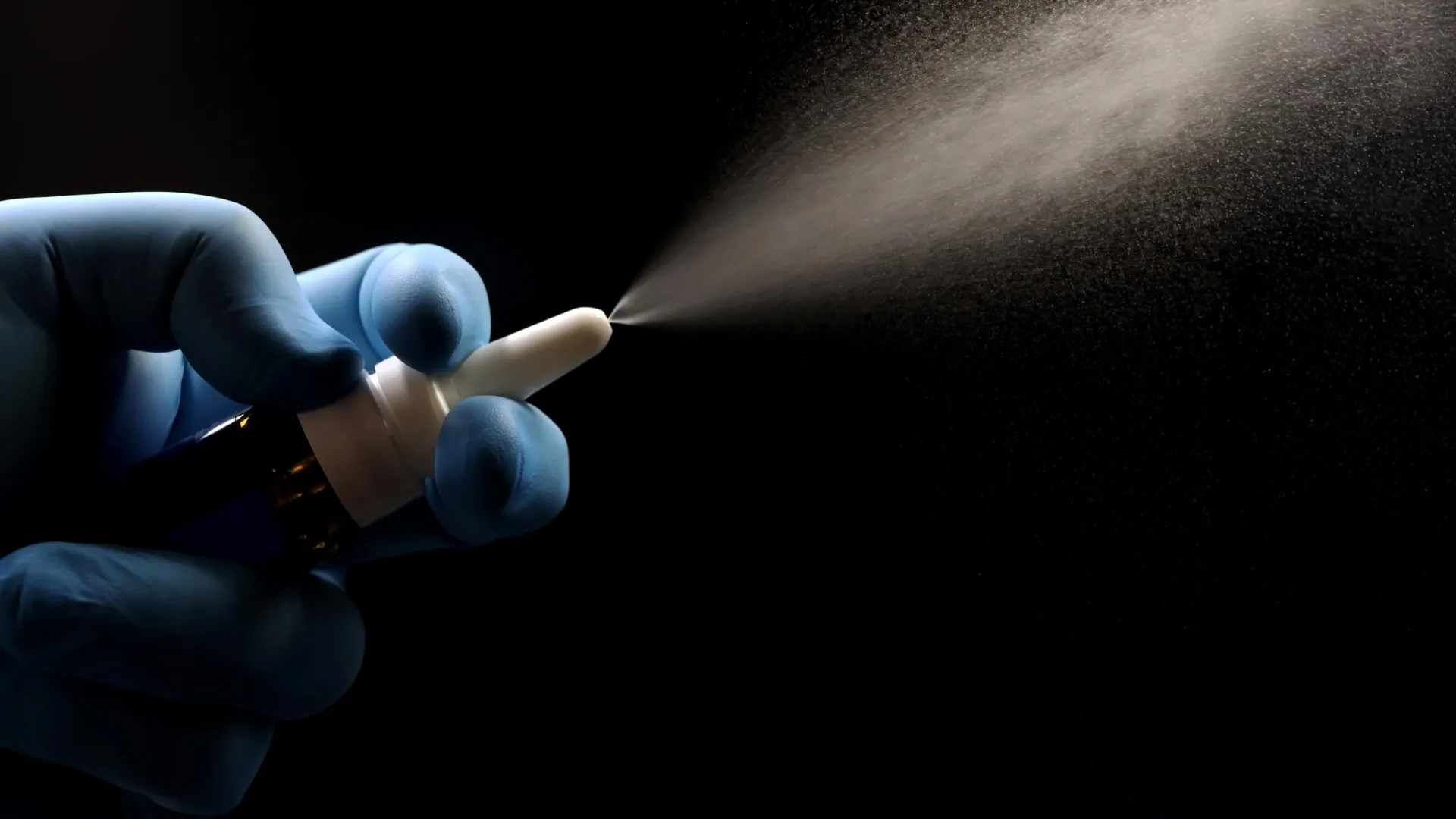
H5N1 avian influenza, commonly known as bird flu, has escalated from a concern primarily for wild birds to a significant threat across the United States, impacting livestock and, increasingly, humans. First identified in the U.S. in 2014, the virus has demonstrated a concerning capacity for adaptation and interspecies transmission. Since 2022 alone, the Centers for Disease Control and Prevention (CDC) has reported over 70 human cases, including two fatalities, underscoring the persistent and evolving nature of this zoonotic threat. The widespread circulation of H5N1 among animal populations fuels scientific apprehension about its potential to mutate further, potentially facilitating more efficient human-to-human transmission and raising the specter of a future pandemic.
In response to this escalating risk, researchers at Washington University School of Medicine in St. Louis have developed a groundbreaking intranasal vaccine designed to elicit a robust immune response directly within the respiratory tract, the primary entry point for many influenza viruses. This innovative approach, tested in preclinical models using hamsters and mice, has demonstrated significant success in inducing strong immunity and preventing H5N1 infection following exposure. Crucially, the vaccine appears to overcome a common hurdle in influenza vaccine development: the interference from pre-existing immunity acquired through seasonal flu infections or vaccinations.
A Shifting Landscape of Avian Influenza Threat
The emergence of H5N1 avian influenza in the United States in 2014 marked a critical turning point in the monitoring and management of this highly pathogenic avian influenza virus. Initially detected in poultry, the virus began to exhibit a broader host range, including its detection in wild migratory birds, which act as natural reservoirs. This expansion of its ecological niche provided increased opportunities for viral reassortment and adaptation.
The situation dramatically intensified in early 2024 with the unprecedented detection of H5N1 in dairy cattle across multiple U.S. states. This spillover event into mammalian livestock, a development not previously observed on such a large scale, heightened concerns among public health officials and scientists. The widespread movement of infected cattle across state lines and the potential for transmission within herds created new pathways for human exposure through occupational contact. The subsequent detection of H5N1 in domestic cats and other mammals further underscored the virus’s adaptability and its growing potential to jump between species, increasing the urgency for effective countermeasures.
The human cases reported in the U.S. since 2022, while currently limited in number, represent a direct indicator of the virus’s ability to breach the species barrier. The fact that these cases have occurred in individuals with no direct contact with sick birds, and in some instances, linked to exposure to infected mammals, highlights a more complex transmission dynamic than initially anticipated. The two reported deaths serve as a stark reminder of the potential severity of H5N1 infection in humans, even with modern medical interventions.
Innovating Vaccine Delivery for Enhanced Respiratory Protection
The development of an effective vaccine against H5N1 is paramount in mitigating the risk of a pandemic. Traditional influenza vaccines are administered via intramuscular injection, primarily stimulating systemic immunity. While this approach has proven effective for seasonal influenza, it may not be optimal for a virus that establishes itself and replicates within the nasal passages and upper respiratory tract.
The Washington University team’s intranasal vaccine leverages a platform that has shown promise in other respiratory viral vaccine development, including a COVID-19 vaccine that has been available in India since 2022 and is undergoing clinical trials in the U.S. This novel delivery method aims to stimulate mucosal immunity – the immune defenses present at the surfaces of the respiratory tract. By introducing the vaccine directly to the nasal cavity, the researchers aim to generate a localized immune response that can act as a first line of defense, preventing the virus from gaining a foothold and replicating.
"This particular version of bird flu has been around for some time, but the unique and totally unexpected event where it jumped across species into dairy cows in the United States was a clear sign that we should prepare for the event that a pandemic may occur," stated Jacco Boon, PhD, a professor in the WashU Medicine John T. Milliken Department of Medicine and co-senior author of the study. "Our vaccine to the nose and upper airway — not the shot-in-the-arm vaccine people are used to — can protect against upper respiratory infection as well as severe disease. This could provide better protection against transmission because it protects against infection in the first place."
Addressing Pre-existing Immunity Challenges
A significant challenge in developing effective influenza vaccines is the phenomenon of original antigenic sin, where prior exposure to influenza viruses through infection or vaccination can sometimes bias the immune response, potentially diminishing the effectiveness of new vaccines. This can occur because the immune system may preferentially recall responses to older, but similar, viral strains rather than mounting a robust defense against the novel target.
The research team specifically addressed this issue by designing their H5N1 vaccine to overcome potential interference from existing flu immunity. In their animal studies, the intranasal vaccine demonstrated strong protective capabilities even in animals that had previously been exposed to seasonal flu viruses or received seasonal flu vaccinations. This finding is particularly important given that the majority of the human population, with the exception of very young children, possesses some level of immune memory from past influenza encounters. The ability of the H5N1 vaccine to elicit a potent response despite this pre-existing immunity could significantly enhance its real-world applicability.
A Sophisticated Approach to Antigen Design and Delivery
The efficacy of any vaccine hinges on its ability to elicit a precise and potent immune response. To achieve this for H5N1, Boon and his colleagues, including Eva-Maria Strauch, PhD, an associate professor of medicine with expertise in antivirals and protein design, meticulously selected key proteins from H5N1 strains known to infect humans. These proteins serve as antigens – the components of the virus that the immune system recognizes and targets.
By identifying and utilizing shared features of these critical viral proteins, the researchers engineered an optimized antigen. This optimized antigen was then encapsulated within a harmless, non-replicating adenovirus vector. Adenoviruses are common viruses that have been engineered for use in vaccines as delivery vehicles. They are incapable of causing illness and effectively deliver the genetic material encoding the antigen into host cells, prompting the immune system to generate a defense. This antigen design and adenovirus delivery strategy closely mirrors the successful methodology employed in the development of the aforementioned COVID-19 nasal vaccine.
The study, published on January 30, 2024, in the journal Cell Reports Medicine, details the rigorous pre-clinical testing of this novel vaccine candidate.
Robust Protection Demonstrated in Animal Models
The results from the animal studies provided compelling evidence of the intranasal vaccine’s efficacy. When administered to hamsters and mice, the vaccine conferred near-complete protection against subsequent H5N1 infection. This level of protection was observed to be superior to that achieved with the same vaccine administered via a traditional intramuscular injection, highlighting the advantages of the intranasal route for inducing potent antiviral immunity in the respiratory tract.
Furthermore, the vaccine demonstrated remarkable resilience. It remained highly effective even when administered at low doses and when the animals were subsequently exposed to high concentrations of the H5N1 virus. This robustness suggests that the vaccine could offer a significant margin of safety and efficacy in challenging exposure scenarios, which are likely to be encountered in the context of ongoing viral circulation.
Implications for Pandemic Preparedness and Public Health
The successful development of a highly effective intranasal H5N1 vaccine holds profound implications for global pandemic preparedness. The ability to prevent infection at the point of entry – the nasal passages and lungs – could significantly disrupt the chain of transmission. Unlike injected vaccines that primarily aim to prevent severe disease, an intranasal vaccine that blocks initial infection could play a dual role in protecting individuals and curbing the spread of the virus within communities.
"We’ve shown that this nasal vaccine delivery platform we conceived, designed and conducted initial testing on at WashU Medicine can prevent H5N1 infection from taking hold in the nose and lungs," commented Michael S. Diamond, MD, PhD, the Herbert S. Gasser Professor of Medicine and a co-senior author of the study. "Delivering vaccine directly to the upper airway where you most need protection from respiratory infection could disrupt the cycle of infection and transmission. That’s crucial to slowing the spread of infection for H5N1 as well as other flu strains and respiratory infections."
The implications extend beyond H5N1. The research team’s success with this platform suggests its potential applicability to other respiratory viruses, including seasonal influenza strains, coronaviruses, and potentially novel emerging pathogens. The ability to rapidly adapt and deploy vaccines using this established platform could be critical in responding to future public health emergencies.
Future Directions and Next Steps
The Washington University School of Medicine team is actively pursuing the next stages of vaccine development. Their immediate plans include conducting further comprehensive studies in animal models to assess long-term immunity and explore different dosing strategies. They are also investigating the use of organoids – three-dimensional cell cultures that mimic human organ function – to model human immune responses in vitro, providing a more refined understanding of the vaccine’s mechanisms of action.
Moreover, the researchers are committed to refining the vaccine’s design. Efforts are underway to develop updated versions of the vaccine that could further minimize the influence of pre-existing seasonal flu immunity and enhance the potency of antiviral responses. These ongoing efforts underscore a proactive and iterative approach to vaccine innovation, aiming to create the most effective and broadly applicable countermeasures possible.
The study was supported by grants from the Cooperative Center for Human Immunology (U19AI181103) and the Center for Research on Structural Biology of Infectious Diseases (75N93022C00035). Disclosure statements indicate that the Boon laboratory has received funding from Novavax Inc. for influenza vaccine development and unrelated support from AbbVie Inc. Dr. Diamond has served as a consultant for or is on the Scientific Advisory Board of several biotechnology and pharmaceutical companies, including Inbios, IntegerBio, Akagera Medicines, GlaxoSmithKline, Merck, and Moderna. The Diamond laboratory has also received unrelated funding through sponsored research agreements from Moderna. These disclosures highlight the collaborative nature of scientific research and its engagement with the broader pharmaceutical industry.
