
 By admin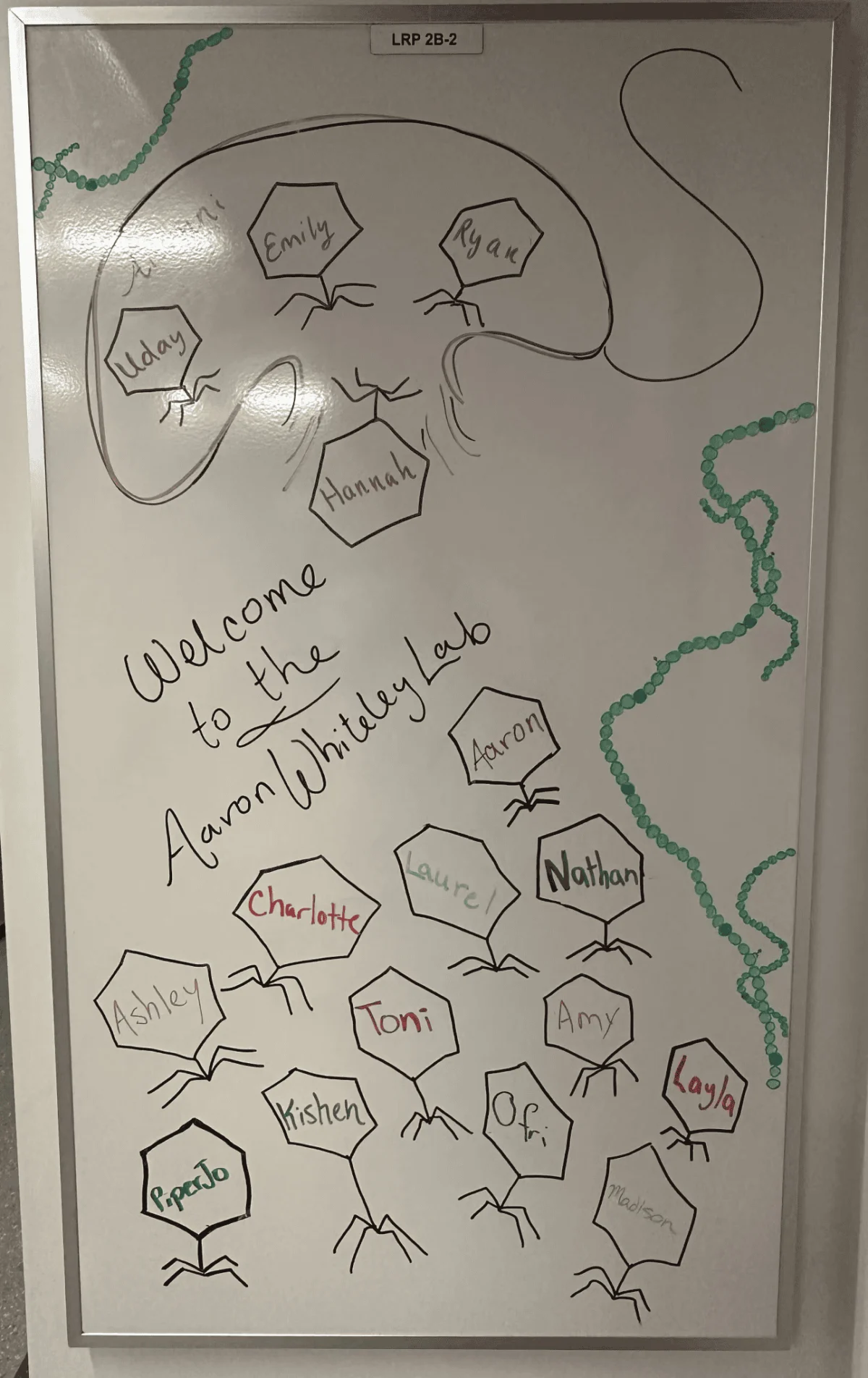
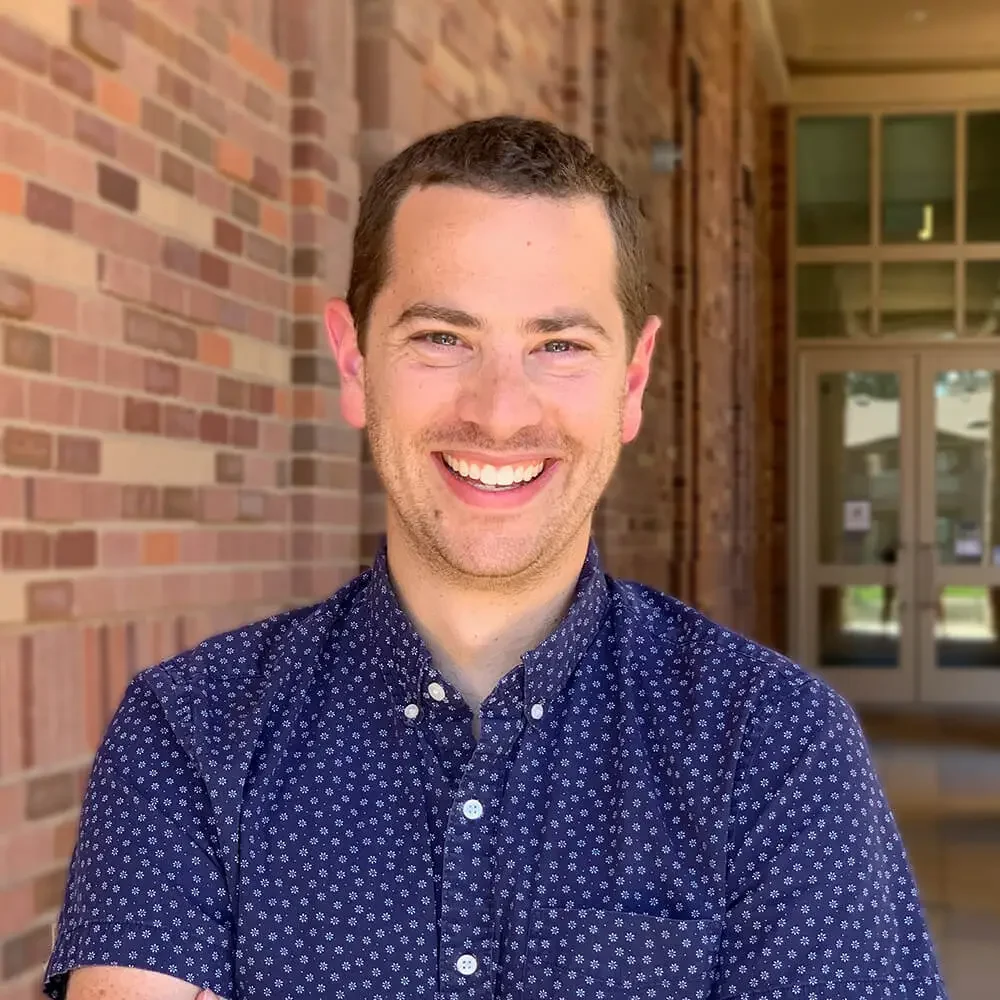
The Cancer Research Institute (CRI) has announced the prestigious STAR (Scientists Taking Risks) award for Dr. Aaron Whiteley, an Assistant Professor in the Department of Biochemistry at the University of Colorado Boulder. This significant award will empower Dr. Whiteley and his team to delve deeper into the molecular mechanisms and evolutionary origins of immune signaling, specifically focusing on how ancient bacterial pathways can be harnessed to revolutionize cancer immunotherapy. His groundbreaking work seeks to decode the intricate communication between bacteria and human cells, a scientific endeavor likened to finding a "Rosetta Stone" for host-microbe interactions, with the ultimate goal of developing customized probiotics to enhance anti-cancer immunity and improve patient responses to existing immunotherapies.
The Deep Roots of Immunity: From Microbes to Modern Medicine
Dr. Whiteley’s research challenges conventional views of immunity by demonstrating that some of the fundamental immune signaling pathways crucial for human health today trace their origins back more than a billion years to bacteria. This evolutionary perspective provides a novel lens through which to understand our immune system’s intricate workings. Over the past decade, his laboratory has been at the forefront of revealing how these ancient microbial mechanisms have been conserved and adapted across diverse life forms, eventually becoming integral to human innate immunity.
One particular pathway, central to Dr. Whiteley’s investigations, has emerged as a critical driver of successful cancer immunotherapy. This pathway, often involving the recognition of microbial or ‘danger’ signals within cells, activates a robust immune response that can target and eliminate cancerous cells. Historically, our understanding of immunity was largely focused on vertebrate systems, with less emphasis on the profound co-evolutionary dance between hosts and their microbial inhabitants. However, recent scientific advancements, greatly influenced by researchers like Dr. Whiteley, have illuminated the indispensable role of the microbiome in shaping immune responses, both beneficial and detrimental. For example, studies have increasingly shown that the composition of a patient’s gut microbiota can significantly influence their response rates to various immunotherapeutic agents, with certain microbial profiles correlating with better outcomes. This paradigm shift underscores the necessity of exploring microbial contributions to human health and disease, especially in complex conditions like cancer.
Decoding the Microbial "Rosetta Stone" for Cancer Therapy
The newly awarded CRI STAR grant will specifically fund Dr. Whiteley’s ambitious project to investigate newly discovered bacterial enzymes that possess the remarkable ability to activate this critical immune pathway in human cells. The "Rosetta Stone" analogy aptly describes the team’s objective: to translate the biochemical language spoken by bacteria into actionable insights for human immunology. Just as the Rosetta Stone unlocked the secrets of ancient Egyptian hieroglyphs by providing a parallel text in Greek, Dr. Whiteley aims to decipher the bacterial signals that can modulate human immune responses.
The potential implications of this research are profound. By understanding how these bacterial enzymes activate pro-immunogenic pathways, scientists could design novel therapeutic strategies. The long-term vision involves translating this knowledge into the development of customized probiotics. Unlike generic probiotic supplements, these tailored interventions would be engineered to deliver specific bacterial components or metabolic products that precisely activate the desired anti-cancer immune responses. Imagine a future where a patient undergoing immunotherapy could receive a personalized probiotic cocktail, designed based on their unique microbial profile and tumor characteristics, to enhance the efficacy of their treatment and overcome resistance mechanisms. This approach could significantly broaden the number of patients who respond to immunotherapies, which, despite their revolutionary impact, still face challenges with patient variability and resistance in a substantial proportion of cases. Current statistics indicate that while checkpoint inhibitors have transformed treatment for many cancers, a significant percentage of patients either do not respond or develop resistance, highlighting the urgent need for synergistic strategies. Dr. Whiteley’s work offers a promising avenue to address this unmet medical need by leveraging the natural immune-modulatory power of the microbial world.
The Cancer Research Institute’s STAR Program: Fueling Frontier Science
The CRI STAR program stands apart from traditional research funding models, precisely because it is designed to support "high-risk, high-reward" questions that have the potential to open entirely new frontiers in immunotherapy. Conventional grants, often from large governmental bodies like the National Institutes of Health (NIH), typically require highly detailed proposals with narrowly defined milestones and predictable outcomes. While essential for incremental progress, this structure can inadvertently stifle truly audacious and unconventional research ideas that might seem speculative at their outset but hold immense transformative potential.
The STAR program offers flexible, unrestricted funding, granting investigators the intellectual freedom not only to "think outside the box, but to go beyond it." This philosophical approach aligns perfectly with Dr. Whiteley’s ambitious research agenda. He articulates the critical difference, stating, "When you’re constantly focused on how do I get a little bit more data to get the next grant, especially when those grants are coming from the National Institutes of Health, they are a little bit more risk-averse. You can’t do the pie-in-the-sky paradigm-shifting experiments. This grant will enable us to push the limits, as it’s high risk, high reward. It is game-changing for my research program." This sentiment is echoed by Dr. Edward Chuong, a 2025 CRI STAR recipient also from the University of Colorado Boulder, who remarked, "The STAR award has inspired our lab to go all in on our ideas. The unrestricted support has allowed us to chase high-risk leads and provides an incredible chance to take big risks that have a chance of improving cancer immunotherapy." Such testimonials underscore the unique and vital role the STAR program plays in fostering truly innovative, paradigm-shifting scientific inquiry that might otherwise go unfunded.
The CRI, founded in 1953, has a long history of supporting breakthrough research in immunology and cancer. Its commitment to funding pioneering work in immunotherapy, even when unconventional, has contributed significantly to the development of several life-saving cancer treatments. The STAR program is a testament to CRI’s enduring belief that true scientific breakthroughs often emerge from unconventional thinking and the courage to explore uncharted territories.
Dr. Aaron Whiteley: A Profile in Scientific Innovation and Mentorship
Dr. Aaron Whiteley’s journey to this pivotal point in his career is marked by a deep-seated passion for microbiology and immune signaling, combined with a rigorous academic background. He earned his Ph.D. from the University of California, Berkeley, where his exceptional promise was recognized early on with a National Science Foundation Graduate Research Fellowship. Following his doctoral studies, he pursued postdoctoral training at the prestigious Harvard Medical School, further honing his expertise in cutting-edge biological research.
In 2020, Dr. Whiteley established his independent laboratory at the University of Colorado Boulder, quickly building a reputation for innovative and impactful research. His interdisciplinary approach, bridging microbiology, immunology, and biochemistry, has allowed his lab to make significant strides in understanding the complex interplay between host and microbe. He identifies himself first and foremost as a microbiologist, a perspective that has been instrumental in uncovering the ancient bacterial origins of human immune pathways.
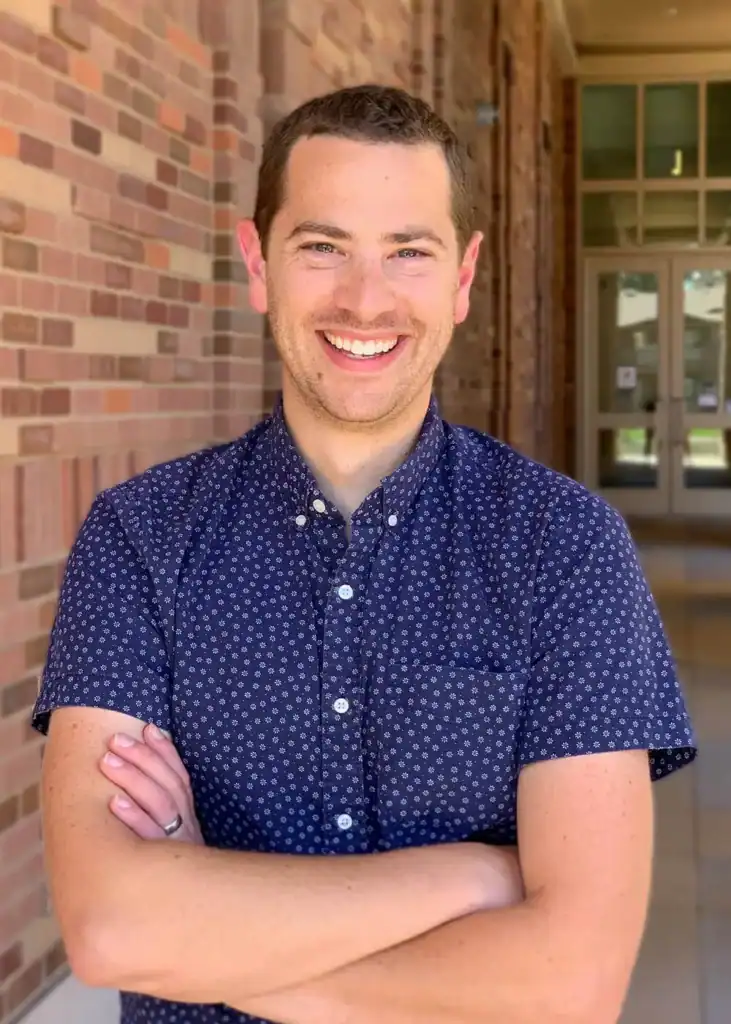
Beyond his scientific achievements, Dr. Whiteley is equally dedicated to nurturing the next generation of scientists. A recipient of multiple graduate mentoring awards, he understands that scientific progress is a relay race, requiring continuous inspiration and guidance for new talent. He passionately believes in empowering young researchers to pursue ambitious ideas, reflecting on the rapid advancements in cancer treatment: "If we look back at history, even 100 years ago at how bleak treating a disease like cancer was, and now I overhear patients in line at the supermarket saying they had gotten CAR T cell therapy, and I thought, could you imagine explaining that to someone from 100 years ago, even from 25 years ago? But that only happens if there’s another generation to keep moving the needle, keep pushing the envelope.” This commitment to both groundbreaking research and mentorship underscores Dr. Whiteley’s holistic vision for advancing scientific discovery and its translation into tangible human benefit.
Broader Implications: A Paradigm Shift in Cancer Treatment and Beyond
Dr. Whiteley’s research, supported by the CRI STAR award, holds broader implications that extend beyond specific cancer treatments. It represents a significant step towards a more integrated understanding of human biology, where the distinction between "self" and "non-self" is increasingly blurred by the omnipresent influence of the microbiome. The insights gained from decoding bacteria-immune interactions could inform strategies for a wide array of diseases with immunological components, from autoimmune disorders to infectious diseases.
The burgeoning field of microbiome research is already transforming our understanding of health and disease, with studies linking gut microbiota to conditions as diverse as obesity, neurological disorders, and cardiovascular disease. Dr. Whiteley’s focus on identifying specific bacterial enzymes capable of modulating critical immune pathways pushes this field into a new era of precision. Instead of broadly altering the microbiome, this approach aims for targeted, mechanistic interventions. This could lead to a new class of "live biotherapeutics" or even small molecule drugs derived from bacterial components, offering unprecedented control over immune responses.
Furthermore, this work highlights the crucial role of flexible funding mechanisms like the CRI STAR program in accelerating scientific discovery. In an era where research funding is often highly competitive and risk-averse, programs that champion bold, unproven ideas are indispensable for fostering true innovation. The investment in Dr. Whiteley’s vision is an investment in the future of personalized medicine, where treatments are not only tailored to the individual patient’s genetic makeup but also to their unique microbial ecosystem.
In conclusion, Dr. Aaron Whiteley’s receipt of the Cancer Research Institute STAR award signifies a pivotal moment in the quest to harness the power of the microbiome for cancer immunotherapy. His dedication to uncovering the ancient wisdom encoded within bacterial immune pathways, combined with CRI’s commitment to funding high-risk, high-reward science, promises to redefine our understanding of the intricate relationship between microbes, immunity, and cancer. The potential for developing customized probiotics that could dramatically improve patient outcomes represents a truly transformative frontier in oncology, offering new hope in the ongoing fight against cancer.
