
 By Billy Candra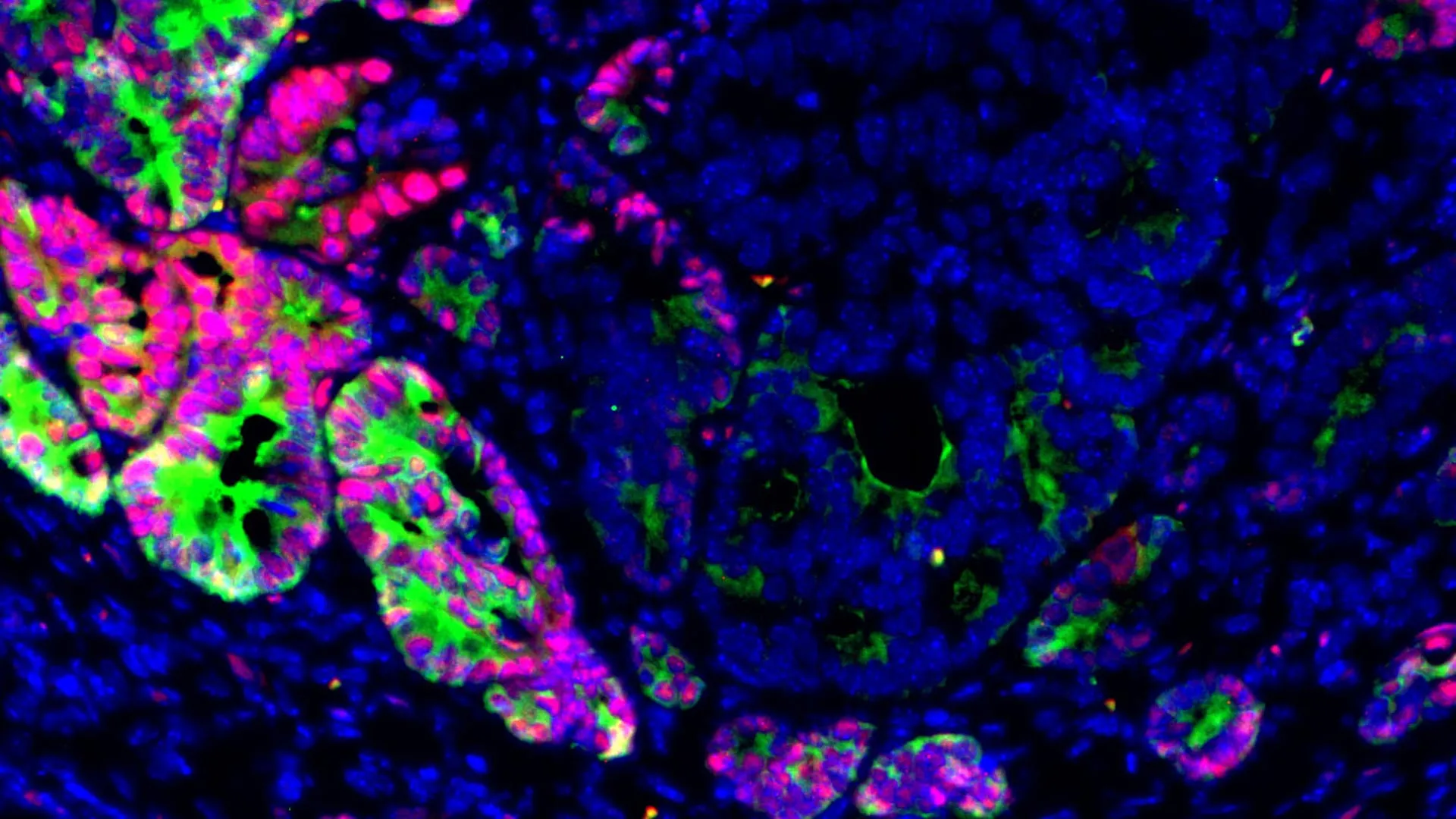
The discovery, published on June 22 in the esteemed journal Cell Stem Cell, represents a significant paradigm shift in understanding how colorectal cancer (CRC) metastasizes, particularly to the liver – a common and often fatal development. For years, the scientific community has diligently searched for specific genetic mutations that might act as clear drivers for this dreaded spread. However, despite extensive research, no single, definitive genetic trigger has consistently emerged. This new study pivots the focus from solely genetic alterations to epigenetic changes, highlighting a crucial mechanism that redefines cellular identity and promotes metastatic potential.
The Silent Killer: Colorectal Cancer and the Menace of Metastasis
Colorectal cancer is a formidable global health challenge. According to the World Health Organization (WHO), it is the third most commonly diagnosed cancer and the second leading cause of cancer-related deaths worldwide. In the United States alone, the American Cancer Society estimates over 150,000 new cases of colorectal cancer annually, with approximately 53,000 deaths. A significant portion of these fatalities are attributable not to the primary tumor itself, but to metastasis – the process by which cancer cells detach from the original tumor, travel through the bloodstream or lymphatic system, and establish new colonies in distant organs.
The liver is a particularly vulnerable target for colorectal cancer metastasis, owing to its extensive blood supply and its role as a filter for blood returning from the digestive tract. Once colorectal cancer spreads to the liver, the prognosis for patients dramatically worsens. Treatment options become far more complex and less effective, and the five-year survival rate plummets from over 90% for localized disease to less than 15% for metastatic disease. This stark reality underscores the urgent need for a deeper understanding of the metastatic process to develop more effective preventative and therapeutic strategies. The current study directly addresses this critical need by pinpointing a novel epigenetic mechanism that fuels liver metastasis.
A Shift in Understanding: Beyond Genetic Mutations
The conventional wisdom in cancer research has long centered on genetic mutations – permanent changes to the DNA sequence – as the primary drivers of cancer initiation and progression. While genetic mutations undoubtedly play a critical role, the lack of consistent "driver mutations" for liver metastasis from colorectal cancer suggested that other mechanisms might be at play. This new research points to epigenetic changes, which influence gene expression without altering the underlying DNA sequence.
Epigenetic modifications are like switches that turn genes on or off, or dial their activity up or down, thereby controlling which proteins a cell produces and, consequently, its characteristics and behavior. Unlike genetic mutations, which are fixed, epigenetic changes can be dynamic and reversible. This plasticity makes them particularly interesting targets for therapeutic intervention.
The study identified GATA6 as a central player in this epigenetic dance. GATA6 is a transcription factor, a type of protein that binds to specific DNA sequences, thereby controlling the rate of transcription of genetic information from DNA to messenger RNA. In simpler terms, transcription factors are master regulators that dictate which genes are active or inactive within a cell. Normally, GATA6 serves as a molecular "identity keeper" in the specialized cells that line the intestine, ensuring they maintain their unique functions and characteristics. However, the research found that GATA6 levels were significantly lower in liver metastases from both mouse models and human patients with colorectal cancer. Moreover, reduced GATA6 expression correlated with poorer patient outcomes, strengthening its link to aggressive disease.
"We discovered that GATA6 loss acts as a critical switch that can change cancer cells in the primary tumor from non-metastatic to pro-metastatic," explained Dr. Norihiro Goto, assistant professor of medicine in the Division of Gastroenterology & Hepatology at Weill Cornell, who co-led the groundbreaking research. "Our findings suggest that epigenetic changes may be more important for promoting liver metastasis than previously understood." Dr. Saori Goto, an instructor in medicine at Weill Cornell, served as the first author of the study, with Dr. Omer H. Yilmaz, associate professor of biology at the Massachusetts Institute of Technology, also co-leading the impactful work.
Pioneering Research Methods: Organoids and Mouse Models Unraveling Early Metastasis
One of the significant challenges in studying metastasis has been the difficulty in observing its earliest stages. When researchers analyze tissue samples taken from established liver metastases, they are essentially looking at the end-product of a complex journey. This provides a limited view of the critical events and cellular transformations that enable cancer cells to embark on their metastatic voyage.
"When researchers analyze patient samples from liver metastases, we fail to capture the important signals occurring in the early stages of the metastatic process," Dr. Norihiro Goto elaborated. To overcome this hurdle, the research team employed a sophisticated laboratory model utilizing organoids. These miniature, three-dimensional clusters of cancer cells, grown in a dish, are derived from actual tumors or metastatic lesions. They remarkably reproduce many of the structural and functional characteristics of real tumors, offering an unprecedented window into tumor biology.
The scientists implanted organoids derived from liver metastases into the colons of mice. These implanted organoids developed into increasingly aggressive primary tumors, which subsequently spread to the liver, mimicking the natural progression of colorectal cancer in humans. By repeating this process several times, essentially "passaging" the cancer cells through successive generations of metastasis, the team was able to observe and analyze how cancer cells gradually acquired and refined their metastatic capabilities. This innovative approach allowed them to identify the subtle, yet profound, changes occurring at the cellular level long before a macroscopic metastasis becomes apparent.
The Phenomenon of Lineage Plasticity: Cells Adopting a Fetal-like State
Their meticulous experiments revealed that the loss of GATA6 actively promotes a phenomenon known as lineage plasticity. Lineage plasticity refers to the remarkable ability of cells to alter their fundamental identity and behavior, essentially switching from one cell type or developmental pathway to another. In the context of cancer, this plasticity is a dangerous attribute.
When GATA6 was absent, colorectal cancer cells did not simply become more aggressive; they underwent a profound transformation. They activated alternative genetic programs that are typically dormant in mature intestinal cells and adopted a flexible, primitive, fetal-like state. This cellular reprogramming equipped them with a crucial survival advantage. These transformed, highly adaptable cells were far better equipped to detach from the primary tumor, survive the perilous journey through the bloodstream, evade immune surveillance, and successfully establish new tumors in distant organs like the liver.
Intriguingly, this type of cellular reshaping is not inherently pathological. The body normally utilizes lineage plasticity during essential physiological processes such as wound repair, tissue regeneration, and adaptation to stress. For instance, during injury, specialized cells might temporarily revert to a more progenitor-like state to facilitate healing. However, in the context of cancer, this very same process is hijacked and repurposed, serving as a powerful driver of metastasis and disease progression.
One compelling indicator of this induced plasticity was the appearance of cells lacking LGR5, a well-known marker commonly found in intestinal stem cells. Earlier research had already hinted at the significance of LGR5-negative cells, showing that they possess the capability to initiate liver metastases. The new study definitively demonstrated that shutting down GATA6 caused cancer cells to undergo a crucial phenotypic shift: they transitioned from an LGR5-positive state to an LGR5-negative state. These LGR5-negative cells, displaying distinct fetal-like characteristics, were found to possess a significantly enhanced ability to spread to other organs. Conversely, when the researchers genetically restored GATA6 activity, or activated related pathways, the metastatic potential of colorectal cancer cells was markedly reduced, reinforcing the critical role of GATA6 in maintaining cellular identity and suppressing metastasis.
"When we genetically delete GATA6, the frequency and burden of liver metastases in mouse models significantly increase, while having little effect on primary tumor growth," noted Dr. Norihiro Goto, who is also a member of the Jill Roberts Institute for Research in Inflammatory Bowel Disease and the Sandra and Edward Meyer Cancer Center, both at Weill Cornell. This observation is particularly salient, as it suggests that the metastatic cascade may not simply be a function of how rapidly a primary tumor grows or how large it becomes. Instead, it appears to be critically dependent on specific transitions between cellular states – a more nuanced and potentially targetable aspect of cancer biology.
Implications for Diagnosis: GATA6 as a Potential Biomarker
The profound findings of this study raise exciting possibilities for clinical application. Foremost among them is the potential for GATA6 to serve as a valuable biomarker for metastatic risk in colorectal cancer patients. If tumors with low GATA6 levels are indeed more likely to harbor cells capable of switching into a metastasis-promoting state, then assessing GATA6 expression in primary tumor biopsies could provide crucial prognostic information.
Such information could significantly enhance personalized medicine in oncology. Doctors could potentially identify patients at a higher risk of developing liver metastasis, allowing for closer monitoring, more aggressive upfront treatment strategies, or enrollment in clinical trials for novel preventative therapies. This proactive approach could be instrumental in intercepting metastasis before it becomes clinically apparent and significantly harder to treat. The medical community anticipates that further research will validate GATA6’s utility as a diagnostic tool, potentially leading to its integration into routine pathological assessments.
Towards New Therapeutic Avenues: Targeting Cellular Identity
Beyond its diagnostic potential, the study also points towards a compelling new therapeutic strategy. Instead of solely focusing on eliminating tumor cells, therapies could be designed to maintain cellular identity or, more specifically, prevent cancer cells from entering these highly flexible, pro-metastatic states driven by GATA6 loss. If GATA6 acts as a "molecular identity keeper," then finding ways to restore its function or mimic its effects could essentially "lock" cancer cells into a non-metastatic identity.
This approach would represent a significant shift from conventional cytotoxic therapies, which often target rapidly dividing cells and can have significant side effects. A therapy focused on restoring cellular identity or blocking epigenetic reprogramming might offer a more targeted approach, potentially with fewer adverse effects. However, Dr. Norihiro Goto prudently noted a critical challenge: researchers will need to find highly specific ways to target these processes without inadvertently interfering with normal tissue repair and regeneration, which rely on similar biological programs of cellular plasticity. Developing drugs that selectively modulate GATA6 pathways in cancer cells, while sparing healthy tissues, will be a complex but potentially rewarding endeavor.
The Road Ahead: Future Research Directions and Collaborative Endeavors
The current study represents a pivotal step, but it also opens numerous avenues for future research. The immediate focus will be on identifying specific vulnerabilities unique to GATA6-deficient cancer cells that could be exploited by novel therapeutic agents. This might involve exploring downstream targets of GATA6 or pathways that become hyperactive when GATA6 is lost.
Furthermore, the research team plans to delve deeper into understanding how the tumor microenvironment influences these critical cellular transitions. The microenvironment – the complex ecosystem surrounding the tumor, including immune cells, stromal cells, and signaling molecules – plays a crucial role in cancer progression. Investigating how liver-specific signals and immune responses interact with GATA6-deficient cancer cells in preclinical models will provide a more comprehensive picture of the metastatic process.
"In addition to treating primary tumors, we need to find strategies to target the mechanism of liver metastasis," Dr. Norihiro Goto emphasized. "Our study is a step toward developing therapies that block the spread of cancer at the earliest stages." This collaborative research effort, involving leading institutions like Weill Cornell Medicine and the Massachusetts Institute of Technology, highlights the power of interdisciplinary science in tackling complex diseases like cancer. The work was supported by a consortium of prestigious organizations, including the Astellas Foundation, Research Abroad from Japan Society for the Promotion of Science, the National Institutes of Health, Pew-Stewart Trust, AFAR and Glenn Foundation for Medical Research Breakthroughs in Gerontology, Kenneth Rainin Foundation, Crohn’s & Colitis Foundation, and Mark Foundation for Cancer Research, underscoring the broad recognition of its potential impact. The scientific community eagerly awaits the next steps in this promising line of inquiry, holding hope for a future where the deadly march of colorectal cancer metastasis can finally be halted.
