
 By Budi Oetomo Narendra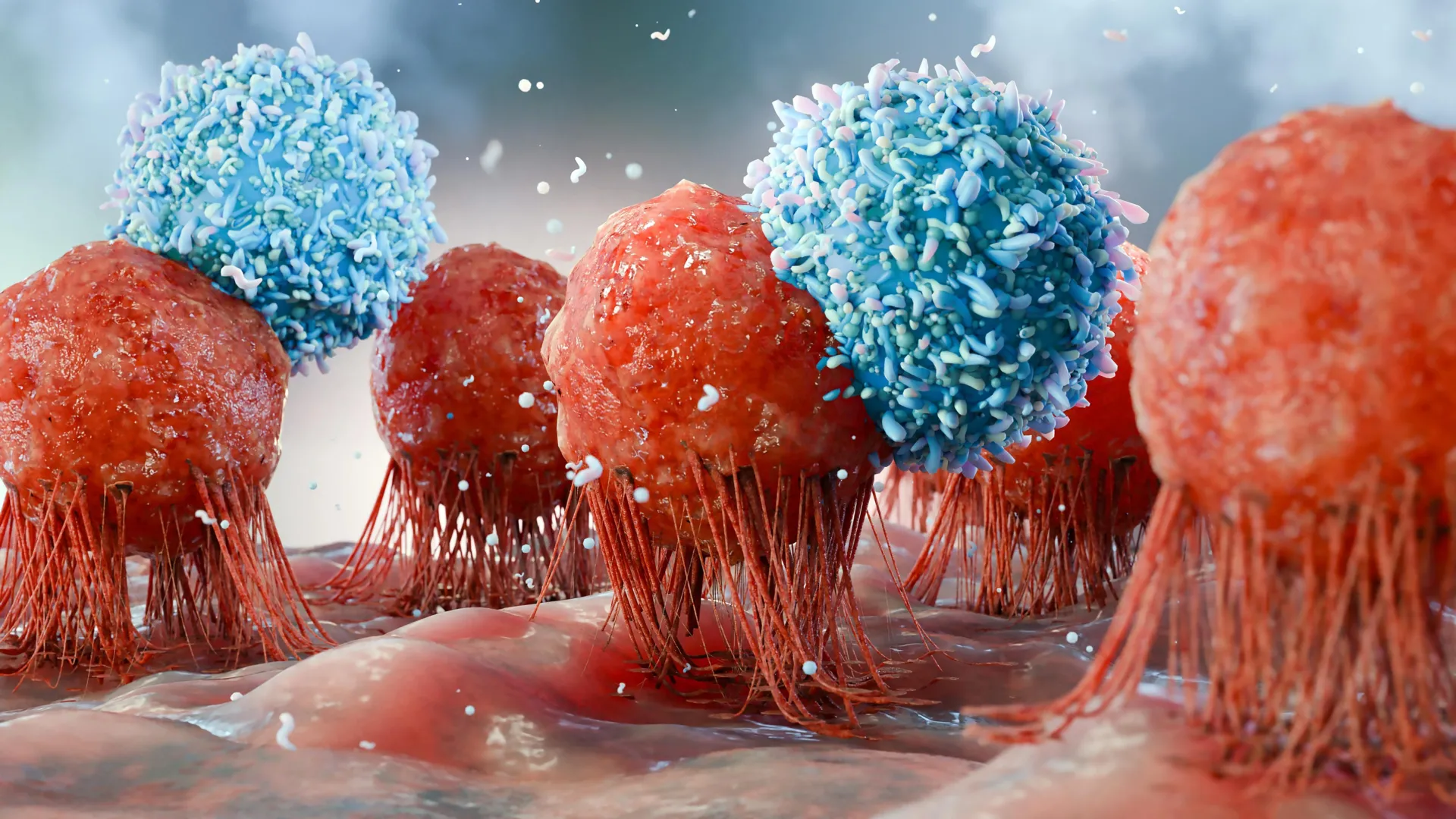
Researchers from Trinity College Dublin (TCD) and University College Dublin (UCD) have made a significant discovery, revealing that a common yeast-based dietary supplement can profoundly enhance the capacity of immune cells to combat cancer, particularly in obese laboratory mice. This pioneering research, published in the esteemed scientific journal Cell Reports, demonstrates for the first time that oral administration of yeast beta-glucan can reprogram early-stage immune cells in the bone marrow, thereby inducing a potent and long-lasting anti-tumor response. The findings hold substantial promise for developing novel dietary interventions to complement existing cancer treatments and address the persistent immune dysfunction associated with obesity.
The study, a collaborative effort led by Associate Professor in Immunology Frederick Sheedy of Trinity’s School of Biochemistry and Immunology, and Professor Helen Roche, Professor in Nutrigenomics at UCD’s School of Public Health, Physiotherapy and Sports Science and Director of the UCD Conway Institute, focused on the potential of yeast beta-glucan to "train" the innate immune system. Dr. Anna Ledwith, a postdoctoral researcher in Professor Roche’s group and the first author of the paper, spearheaded the experimental design. Their investigation specifically aimed to determine if this widely available supplement could not only bolster general anti-tumor immunity but also effectively counteract the immune compromises often observed in individuals with obesity, a critical global health challenge.
Delving into the Discovery: A Dietary Immunological Breakthrough
In a series of meticulously designed experiments, obese laboratory mice were given a diet supplemented with yeast beta-glucan for periods ranging from four to twelve weeks. Following this dietary intervention, the animals’ immune systems were challenged with various types of cancer cells, including colorectal, skin, and breast cancer. The results were compelling: the supplemented mice exhibited a remarkably stronger cancer-fighting response compared to control groups. Crucially, the researchers observed that the supplement altered the developmental trajectory of immune cells, leading to a more robust and effective anti-tumor immune response.
One of the most groundbreaking aspects of this research is the method of delivery. Previous studies that achieved similar immune-training effects typically relied on invasive methods such as injections. This study unequivocally demonstrates that simply incorporating yeast beta-glucan into the diet is sufficient to trigger a phenomenon known as "trained immunity." Professor Roche underscored this point, stating, "This is the first demonstration that dietary delivery of yeast beta-glucan is sufficient to induce trained immunity through reprogramming of bone marrow stem cells. Previous research required injections." This dietary approach significantly enhances the feasibility and accessibility of such an intervention for future human applications.
The Mechanism of ‘Trained Immunity’
To understand the profound implications of this study, it is essential to grasp the concept of "trained immunity." Traditionally, immunological memory has been primarily attributed to the adaptive immune system, specifically T and B lymphocytes, which "remember" specific pathogens after an initial encounter and mount a faster, stronger response upon re-exposure. However, in recent years, scientists have discovered that the innate immune system – the body’s first line of defense – also possesses a form of memory, termed "trained immunity" or "innate immune memory."
Unlike adaptive immunity, trained immunity involves epigenetic reprogramming of innate immune cells, such as monocytes and macrophages, at the progenitor cell level in the bone marrow. This reprogramming leads to long-lasting functional changes, making these cells more responsive and efficient in confronting subsequent challenges, whether from pathogens or cancer cells. Yeast beta-glucans, particularly those derived from baker’s yeast (Saccharomyces cerevisiae), are known to interact with specific receptors on immune cells, such as Dectin-1. This interaction initiates a cascade of intracellular signaling pathways that ultimately lead to epigenetic modifications in the bone marrow stem cells. These modifications alter gene expression patterns, resulting in the production of mature innate immune cells with enhanced phagocytic activity, cytokine production, and overall anti-tumor capabilities. The TCD-UCD study provides definitive evidence that this complex process can be initiated and sustained through simple dietary intake.
The Global Burden: Obesity, Immunity, and Cancer
The findings of this research are particularly pertinent given the escalating global health crises of obesity and cancer. Obesity, defined by excessive body fat accumulation, has reached epidemic proportions worldwide. According to the World Health Organization (WHO), global obesity rates have nearly tripled since 1975, with over 1.9 billion adults overweight and 650 million obese in 2016. In the European Union, an estimated 52.7% of the adult population is overweight, and 15.9% is obese. This condition is not merely a cosmetic concern; it is a major risk factor for numerous non-communicable diseases, including type 2 diabetes, cardiovascular disease, and a growing number of cancers.
Obesity’s Shadow on Immune Function
Beyond its metabolic consequences, obesity significantly impairs immune function, creating a state of chronic low-grade inflammation. Adipose tissue, particularly visceral fat, acts as an endocrine organ, secreting pro-inflammatory cytokines such as TNF-alpha, IL-6, and leptin, while reducing the production of anti-inflammatory adiponectin. This inflammatory milieu profoundly disrupts the delicate balance of the immune system. In obese individuals, immune cells like macrophages become polarized towards a pro-inflammatory M1 phenotype, T-cell function is often compromised (e.g., reduced cytotoxic T-lymphocyte activity), and natural killer (NK) cell activity, crucial for tumor surveillance, can be diminished. This systemic immune dysregulation makes the body less effective at responding to infections and, critically, at detecting and eradicating nascent tumor cells. Consequently, obesity is recognized as a significant risk factor for at least 13 types of cancer, including colorectal, breast (post-menopausal), endometrial, kidney, and liver cancers.
The Persistent Challenge of Post-Weight Loss Immune Defects
A particularly challenging aspect highlighted by the TCD-UCD research is that immune dysfunction linked to obesity can persist even after successful weight loss. Millions of people embark on weight loss journeys annually, often achieving significant reductions in body mass. While weight loss generally improves metabolic health markers, the immune system’s memory of its obese state can linger. This "immune memory defect" means that even after shedding excess pounds, the body may still struggle with impaired immune responses, leaving individuals vulnerable to infections and potentially cancer recurrence. Professor Roche emphasized this point, stating that the dietary intervention "reverses long-term immune memory defects that persist even after weight loss, a major unmet clinical challenge." Addressing this residual immune vulnerability is a crucial area of unmet clinical need, and the yeast beta-glucan supplement offers a promising avenue to tackle it.
Cancer: A Relentless Foe and the Search for Adjunct Therapies
Cancer remains one of the leading causes of death worldwide, responsible for an estimated 10 million deaths in 2020. The global incidence is projected to rise further in the coming decades, underscoring the urgent need for more effective prevention, detection, and treatment strategies. While advancements in chemotherapy, radiation therapy, surgery, and immunotherapy have significantly improved patient outcomes, these treatments often come with considerable side effects and are not universally effective. The scientific community is therefore continuously exploring novel, safe, and widely accessible approaches that can complement existing treatments, enhance their efficacy, and improve the overall immune health of cancer patients. Dietary interventions, particularly those leveraging well-understood immunomodulators like beta-glucans, present a particularly attractive and patient-friendly strategy.
Pioneering Research from Dublin’s Scientific Hubs
The collaborative spirit underpinning this research exemplifies the strength of Ireland’s scientific ecosystem. Trinity College Dublin and University College Dublin are two of the country’s most prestigious research institutions, renowned for their contributions to biomedical science. The synergy between Professor Sheedy’s expertise in immunology and Professor Roche’s leadership in nutrigenomics (the study of the interaction of nutrition and genes) was instrumental in driving this interdisciplinary project.
Collaborative Excellence
The UCD Conway Institute, directed by Professor Roche, is a hub for multidisciplinary research focused on understanding the mechanisms of disease and developing new diagnostic and therapeutic strategies. Similarly, Trinity’s School of Biochemistry and Immunology boasts a strong tradition of excellence in fundamental immunological research. This collaborative environment allowed the researchers to combine cutting-edge immunological techniques with a deep understanding of nutritional science, leading to a holistic investigation of the supplement’s impact on immune function. The study was also supported by various funding bodies, acknowledging the strategic importance of research into diet-immune interactions, especially in the context of chronic diseases.
The Journey of Discovery: From Hypothesis to Publication
Dr. Anna Ledwith, the first author, played a pivotal role in the experimental execution. Her meticulous work involved feeding mice either a standard or a high-fat diet, with a subset of each group receiving the yeast beta-glucan supplement. The duration of supplementation (4-12 weeks) was carefully chosen to allow for potential epigenetic reprogramming of bone marrow stem cells. The subsequent challenge with different cancer cell lines (colorectal, skin, and breast cancer) provided robust evidence of the supplement’s broad-spectrum anti-tumor effects. Furthermore, the inclusion of experiments to test the persistence of protective effects even after weight loss addressed a critical clinical question. This comprehensive experimental design allowed the researchers to definitively conclude that dietary yeast beta-glucan can induce trained immunity by altering bone marrow stem cells and can restore anti-tumor innate immunity in obese mice, reversing long-term immune memory defects.
The Power of Yeast Beta-Glucan: A Natural Immunomodulator
Beta-glucans are naturally occurring polysaccharides found in the cell walls of yeasts, fungi, bacteria, and cereal grains like oats and barley. They are recognized for their diverse biological activities, with immunomodulation being one of the most well-studied. Depending on their source, structure, and molecular weight, beta-glucans can exert different effects on the immune system.
What are Beta-Glucans?
Yeast beta-glucans, specifically beta-1,3/1,6-glucans, are particularly potent immunomodulators. They are indigestible by human enzymes and thus pass through the digestive tract, where they interact with immune cells lining the gut-associated lymphoid tissue (GALT). This interaction is crucial for initiating systemic immune responses. Historically, beta-glucans have been studied for their potential to enhance resistance to infectious diseases, accelerate wound healing, and even modulate allergic responses. Their ability to activate macrophages, neutrophils, and NK cells, and to influence cytokine production, has made them a subject of intense scientific interest for decades.
WellmuneTM: A Specific Formulation
The specific yeast beta-glucan used in the TCD-UCD study, WellmuneTM, is a proprietary ingredient from Kerry Group. This particular formulation is derived from a strain of baker’s yeast (Saccharomyces cerevisiae) and has a well-established safety record, having been affirmed as Generally Recognized As Safe (GRAS) by the US Food and Drug Administration (FDA) and approved for use in various food and beverage applications globally. Its commercial availability and established safety profile are significant advantages, as Professor Sheedy noted, "The yeast beta-glucan used, WellmuneTM, from Kerry Group, is already food-grade and commercially available, facilitating rapid clinical trials." This pre-existing regulatory clearance could significantly expedite the translation of these promising mouse findings into human clinical trials.
Expert Perspectives and Future Horizons
The enthusiasm from the lead researchers is palpable, reflecting the profound implications of their work. Professor Sheedy’s statement highlights the broader applicability beyond cancer, envisioning its use for "people living with obesity, chronic infections and other immunocompromised populations." This suggests that the immune-boosting effects of yeast beta-glucan could have far-reaching benefits for public health, potentially improving resistance to various pathogens and enhancing vaccine efficacy.
Researchers’ Insights: A Paradigm Shift in Delivery
Professor Roche’s emphasis on the "unmet clinical challenge" of obesity-related immune memory defects underscores the clinical relevance of their findings. The fact that a simple dietary intervention can reverse these persistent defects, even after weight loss, represents a significant scientific leap. It challenges previous assumptions about the irreversibility of some obesity-induced immune changes and offers a non-pharmacological strategy to restore immune competence. The ability to achieve trained immunity through diet rather than injections is a paradigm shift, making the intervention more practical, less invasive, and potentially more acceptable to a wider population. This could revolutionize how we approach immune support, moving towards preventative and complementary dietary strategies.
The Road Ahead: Clinical Translation and Human Trials
While the results in mice are highly encouraging, the next critical step is to determine whether these immune benefits can be reproduced in humans. The researchers are now poised to initiate dietary intervention studies in human populations. Such trials will need to carefully assess optimal dosages, efficacy in diverse human populations (varying ages, genetic backgrounds, and health statuses), and potential interactions with other medications or dietary components. The safety record of WellmuneTM is a strong asset, as it reduces the initial hurdles typically associated with novel therapeutic agents.
Broader Societal and Medical Implications
The potential implications of this research extend far beyond cancer treatment. If successful in humans, a dietary yeast beta-glucan supplement could represent a valuable tool in several medical contexts.
Beyond Cancer: A Panacea for Immunocompromised Populations?
Firstly, for individuals with chronic infections, where the immune system may be constantly challenged and potentially exhausted, a supplement that "trains" innate immunity could enhance their ability to clear pathogens and prevent recurrent infections. Secondly, for immunocompromised populations, such as the elderly, individuals undergoing chemotherapy, or those with underlying immune deficiencies, a safe dietary intervention to boost immune function could significantly improve their quality of life and reduce susceptibility to opportunistic infections. Thirdly, enhancing vaccine responses is another exciting prospect. A stronger innate immune system could potentially prime the adaptive immune response more effectively, leading to higher antibody titers and more robust cellular immunity following vaccination, particularly important for vulnerable groups or in the context of emerging pathogens.
A New Frontier in Nutritional Immunology
This study also contributes to the burgeoning field of nutritional immunology, which explores the intricate relationship between diet and immune function. It reinforces the idea that what we eat can have profound, long-lasting effects on our body’s defense mechanisms. As research continues to unravel the complexities of the microbiome, epigenetics, and immune cell metabolism, dietary interventions are increasingly being recognized as powerful tools for maintaining health and preventing disease. The TCD-UCD research positions yeast beta-glucan as a frontrunner in this new frontier, offering a tangible example of how specific dietary components can be harnessed for therapeutic benefit.
In conclusion, the groundbreaking research from Trinity College Dublin and University College Dublin offers a beacon of hope in the fight against cancer and obesity-related immune dysfunction. By demonstrating that a simple, widely available yeast-based dietary supplement can induce trained immunity and restore anti-tumor responses in obese mice, the scientists have opened a new pathway for potential human intervention. While clinical trials are the essential next step, the inherent safety and accessibility of yeast beta-glucan suggest that this discovery could rapidly translate into practical applications, offering a powerful, complementary strategy to bolster our immune defenses and improve global health outcomes. The future of cancer care and immune health may well include a daily dose of this humble yet potent yeast derivative.
