
 By Budi Oetomo Narendra
The Luminary and the Controversial Crusade
Linus Pauling, an intellectual giant of the 20th century, left an indelible mark on scientific thought. His groundbreaking work on the nature of the chemical bond earned him the Nobel Prize in Chemistry in 1954, revolutionizing fields from quantum mechanics to molecular biology. He further garnered the Nobel Peace Prize in 1962 for his tireless activism against nuclear weapons testing, making him one of only a handful of individuals to receive two Nobel Prizes in different categories. His scientific prowess extended to elucidating the alpha-helix and beta-sheet structures of proteins, foundational discoveries that shaped the nascent field of molecular biology.
However, in the later stages of his illustrious career, Pauling pivoted dramatically to advocate for megadoses of vitamin C as a panacea for various ailments, most notably cancer. This shift, beginning in the 1970s, was met with considerable skepticism and outright scorn from the mainstream medical community. Critics often cited Pauling as a prime example of the "halo effect," where expertise in one domain is mistakenly assumed to confer authority or wisdom in another unrelated field. His eventual death from prostate cancer at the age of 93, despite his lifelong devotion to high-dose vitamin C, was frequently invoked as definitive proof of his error.
Early Claims and the Mayo Clinic Rebuttal: A Tale of Two Delivery Methods
Pauling’s foray into vitamin C and cancer began in earnest with his collaboration with Scottish physician Ewan Cameron. Together, they conducted observational studies in the 1970s, administering very large amounts of vitamin C to patients with advanced, incurable cancers. Crucially, their initial protocol involved intravenous (IV) infusions, followed by oral supplementation. The preliminary reports from Pauling and Cameron were strikingly optimistic, suggesting that vitamin C-treated patients experienced significantly longer survival times and improved quality of life compared to historical controls. Some patients, they claimed, saw their survival extended by several fold.
The medical establishment, while acknowledging Pauling’s stature, demanded more rigorous, controlled trials. In response, the prestigious Mayo Clinic in the United States undertook two pivotal large-scale randomized controlled trials in the late 1970s and early 1980s, led by oncologist Charles Moertel. These trials aimed to replicate Pauling and Cameron’s findings. The results, published in the New England Journal of Medicine in 1979 and 1985, were unequivocal: the Mayo Clinic studies found no benefit from high-dose vitamin C in terms of survival or tumor progression for patients with advanced cancer. For most oncologists, these findings effectively closed the book on vitamin C as a viable cancer therapy. It was relegated to the realm of "alternative" remedies, and Pauling’s impassioned advocacy was widely considered a regrettable scientific detour.
The Critical Pharmacokinetic Revelation: Oral vs. Intravenous
What neither the proponents nor the initial detractors fully appreciated at the time was a fundamental pharmacokinetic difference that would later prove critical: the method of vitamin C administration. Pauling and Cameron had initiated treatment with intravenous infusions, transitioning to oral doses. The Mayo Clinic trials, however, exclusively utilized high-dose oral vitamin C tablets. This seemingly minor procedural variation held the key to reconciling the conflicting results.
The human body possesses a tightly regulated system for absorbing vitamin C from the gut. Once a modest daily dose is reached (typically around 200-400 mg), the intestinal transporters responsible for absorption become saturated. Consequently, regardless of how many more tablets are ingested, the plasma concentration of vitamin C in the blood plateaus. The excess is simply excreted. This means that even "high-dose" oral vitamin C, as used in the Mayo Clinic trials, results in blood plasma levels that are only marginally higher than those achieved through a standard diet or a typical daily supplement.
In stark contrast, intravenous administration bypasses the gastrointestinal absorption limits entirely. A drip directly into a vein can elevate blood plasma concentrations of vitamin C to tens, even hundreds, of times higher than what is achievable through oral intake. At these supraphysiological concentrations, vitamin C ceases to behave merely as a gentle antioxidant and begins to exhibit distinct, pharmacologically active properties within the body, particularly in the tumor microenvironment.
The Biochemical Pivot: Vitamin C as a Pro-oxidant
At physiological concentrations, vitamin C (ascorbate) is indeed a potent antioxidant, neutralizing harmful free radicals and protecting cells from oxidative damage. This is its well-known role in maintaining cellular health and immune function. However, at the extremely high concentrations achieved through intravenous infusion, especially within the specific biochemical milieu of solid tumors, vitamin C undergoes a remarkable role reversal.
Modern laboratory and preclinical studies have elucidated that high-dose vitamin C, under these conditions, acts as a "pro-drug" to generate hydrogen peroxide (H2O2). This reactive oxygen species is a potent oxidant capable of damaging cells. The mechanism involves the reduction of transition metal ions (like iron or copper) present in the extracellular fluid, leading to the formation of ascorbyl radical and subsequently hydrogen peroxide.
Crucially, cancer cells appear to be uniquely vulnerable to this sudden surge of oxidative stress. Tumors are often characterized by rapid, uncontrolled growth, leading to a highly metabolically active state. This rapid proliferation, combined with frequently poor blood supply within the tumor microenvironment, already places cancer cells under significant oxidative stress. Their intrinsic "cleanup" systems – the antioxidant defenses – are often overstretched or compromised. When confronted with an exogenous pulse of hydrogen peroxide generated by high-dose intravenous vitamin C, many cancer cells are pushed beyond their coping capacity. Their DNA can be damaged, their energy-producing machinery (mitochondria) can be disrupted, and ultimately, they can be driven into programmed cell death (apoptosis).
Normal, healthy cells, by contrast, are typically under less metabolic strain and possess more robust antioxidant defense systems (such as catalase and glutathione peroxidase). These defenses allow them to effectively neutralize the hydrogen peroxide, making them significantly more resistant to its damaging effects. In essence, at these extreme doses, intravenous vitamin C functions less like a nutritional supplement and more like a weak, yet selectively toxic, chemotherapy agent. This selectivity for cancer cells over healthy cells is a highly desirable characteristic in any cancer therapeutic.
Current Clinical Landscape: Promise, Limitations, and Quality of Life
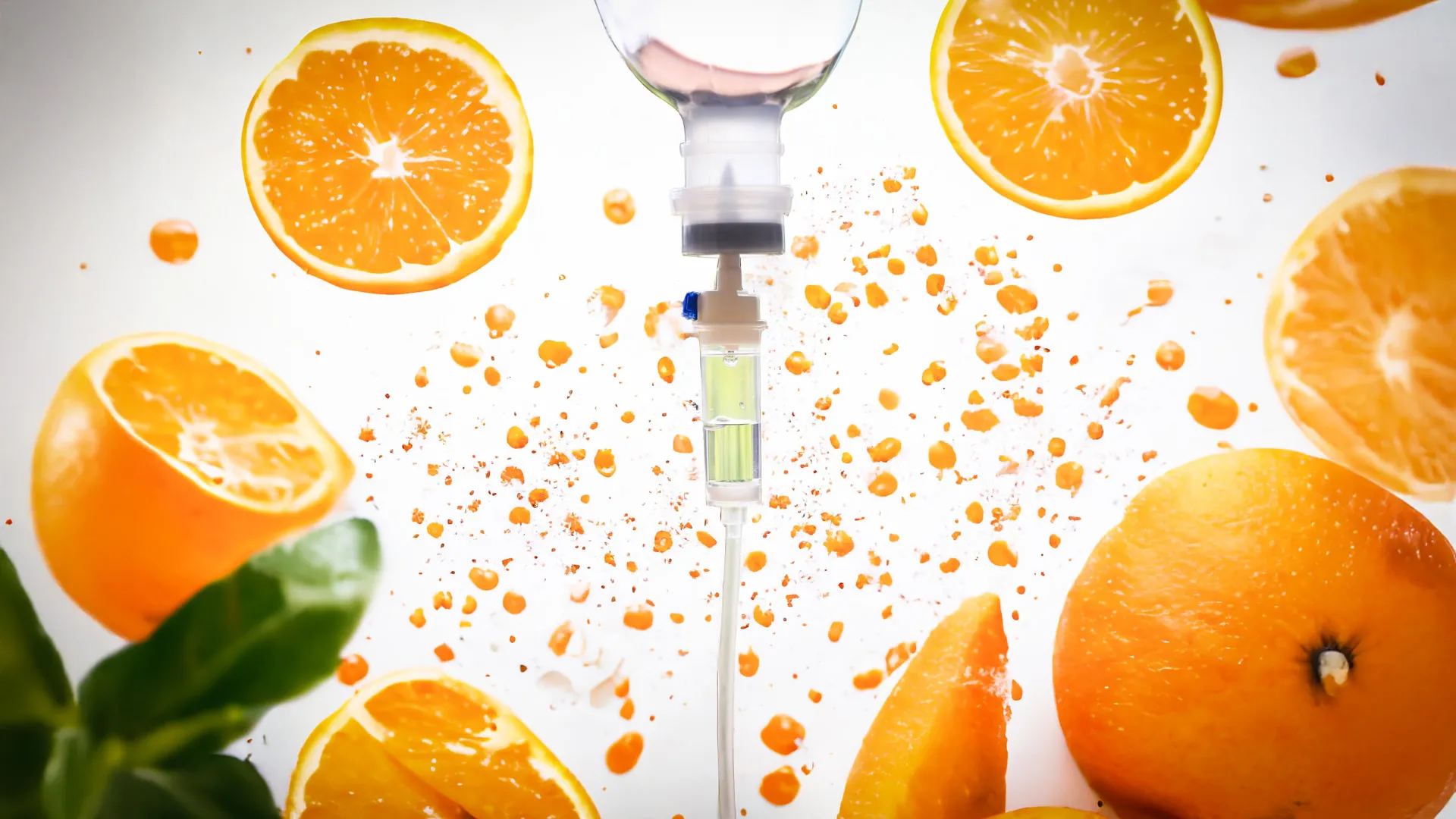
The scientific rationale for revisiting high-dose intravenous vitamin C in cancer treatment has spurred renewed interest and led to a series of modern clinical trials. These studies, primarily phase I and phase II trials, have focused on hard-to-treat cancers where conventional therapies offer limited success. Cancers such as ovarian, pancreatic, glioblastoma (a type of brain tumor), and non-small cell lung cancer have been the subject of these investigations.
The emerging evidence, while still early and somewhat mixed, offers cautious optimism. A significant finding is the generally favorable safety profile of high-dose IV vitamin C. Many patients can tolerate large doses, administered multiple times a week, with minimal serious side effects. However, it is not without risks. Individuals with compromised kidney function or rare inherited conditions (such as glucose-6-phosphate dehydrogenase deficiency) can experience adverse reactions, highlighting that this is a medical intervention requiring careful supervision, not a benign "wellness drip" to be indiscriminately offered.
In terms of efficacy, several studies suggest that adding IV vitamin C infusions to conventional chemotherapy regimens may yield benefits. Some trials have indicated a modest improvement in overall survival or progression-free survival for certain patient populations when combined with standard treatments. For instance, in some pancreatic cancer studies, patients receiving combined therapy showed better outcomes than those on chemotherapy alone. However, other studies have shown no clear survival advantage. The primary limitation of these trials is their relatively small size and heterogeneity in patient populations, cancer types, and treatment protocols, which prevents drawing definitive, broadly applicable conclusions about survival benefits.
One consistent and significant signal emerging from the trials is the profound impact on patients’ quality of life. Patients receiving IV vitamin C alongside chemotherapy frequently report experiencing less fatigue, reduced pain, and fewer side effects commonly associated with chemotherapy, such as nausea and vomiting. For individuals battling advanced cancer, improving quality of life, alleviating suffering, and enhancing tolerance to arduous treatments are critically important outcomes, even in the absence of a "cure." This aspect alone warrants further investigation and could make high-dose IV vitamin C a valuable supportive therapy.
Beyond Direct Cytotoxicity: Subtler Roles and Future Directions
Beyond its direct pro-oxidant effect on cancer cells, laboratory research hints at even subtler, yet potentially significant, roles for high-dose vitamin C in cancer biology. Vitamin C is known to be a vital cofactor for a family of enzymes, particularly dioxygenases, that play crucial roles in epigenetic regulation. These enzymes influence how our DNA is "marked" and read, impacting gene expression without altering the underlying genetic sequence. Epigenetic dysregulation is a hallmark of many cancers, and vitamin C’s involvement in these pathways suggests it could modulate cancer cell behavior, potentially making them less aggressive or more sensitive to other treatments.
Furthermore, vitamin C is involved in cellular processes related to cell division and the response to hypoxia (low oxygen conditions), which are highly relevant in the context of tumor growth and metastasis. Some in vitro and in vivo experiments have indicated that elevated vitamin C levels can make cancer cells grow less aggressively and enhance their susceptibility to chemotherapy and radiation therapy.
There are even nascent, more speculative suggestions that vitamin C might positively influence the immune system’s ability to recognize and attack tumors. Immunotherapy has revolutionized cancer treatment, and if vitamin C can enhance anti-tumor immune responses, it could open entirely new avenues for combination therapies. However, this area requires much more robust investigation.
The Verdict: Partially Right, For Different Reasons
So, was Linus Pauling ultimately vindicated? The most accurate and scientifically grounded answer is that he was partly right, but for reasons he did not fully comprehend, and he significantly oversimplified and exaggerated the promise.
He was fundamentally mistaken in promoting high-dose oral vitamin C tablets as a powerful, near-universal cure for established cancer. The rigorous, well-designed trials, particularly those by the Mayo Clinic, definitively showed no survival benefit from this route of administration, a conclusion reaffirmed by subsequent research. Pauling’s broad claims of vitamin C as a panacea for countless illnesses also lacked sufficient scientific backing and contributed to the widespread skepticism that enveloped his later work.
However, Pauling was not entirely wrong to suspect that vitamin C could play a special, therapeutic role in cancer. He intuitively grasped, long before the scientific community had the tools to prove it, that very high doses delivered intravenously might elicit a profoundly different biological response than ordinary supplements. He sensed a sliver of truth, even if his understanding of the underlying mechanisms and the precise conditions for its efficacy was incomplete.
Modern research has unequivocally confirmed that intravenous vitamin C achieves significantly higher plasma concentrations than oral intake, and these supraphysiological levels do indeed exert distinct pharmacological effects, including a selective pro-oxidant action against cancer cells. What remains to be fully established are large, definitive, randomized controlled trials demonstrating that high-dose intravenous vitamin C clearly and consistently prolongs the life of a broad range of cancer patients when used alone or in combination with standard therapies. Until such evidence is robustly generated, intravenous vitamin C should be considered an experimental therapy – promising enough to warrant intensive study, but not yet proven enough to replace established, evidence-based standard treatments. Its current appropriate use belongs within the confines of carefully designed clinical trials or under stringent medical supervision, far removed from unregulated clinics peddling expensive "immune boosts" without scientific validation.
Lessons from a Winding Road
The story of Linus Pauling and vitamin C in cancer treatment offers profound lessons about the nature of scientific progress. Science rarely moves in straight, predictable lines. It often involves bold hypotheses, followed by flawed initial studies, fierce backlash, periods of dismissal, and then, years or even decades later, a quieter, more meticulous return to the original question with new tools, new understanding, and refined methodologies.
Pauling’s journey serves as a powerful reminder of the "halo effect" and the critical importance of subjecting even the most brilliant minds’ claims to rigorous, impartial scientific scrutiny. Yet, it also illustrates that even when a genius makes a seemingly wrong turn, a kernel of truth, dimly perceived, might sometimes lie buried within the controversy, awaiting the maturation of scientific understanding to be properly unearthed and validated. While Linus Pauling may never be fully vindicated in the way he envisioned, his controversial pursuit inadvertently laid the groundwork for a re-examination that is now yielding genuinely promising, albeit cautious, avenues in oncology.
