
 By George Ongkojoyo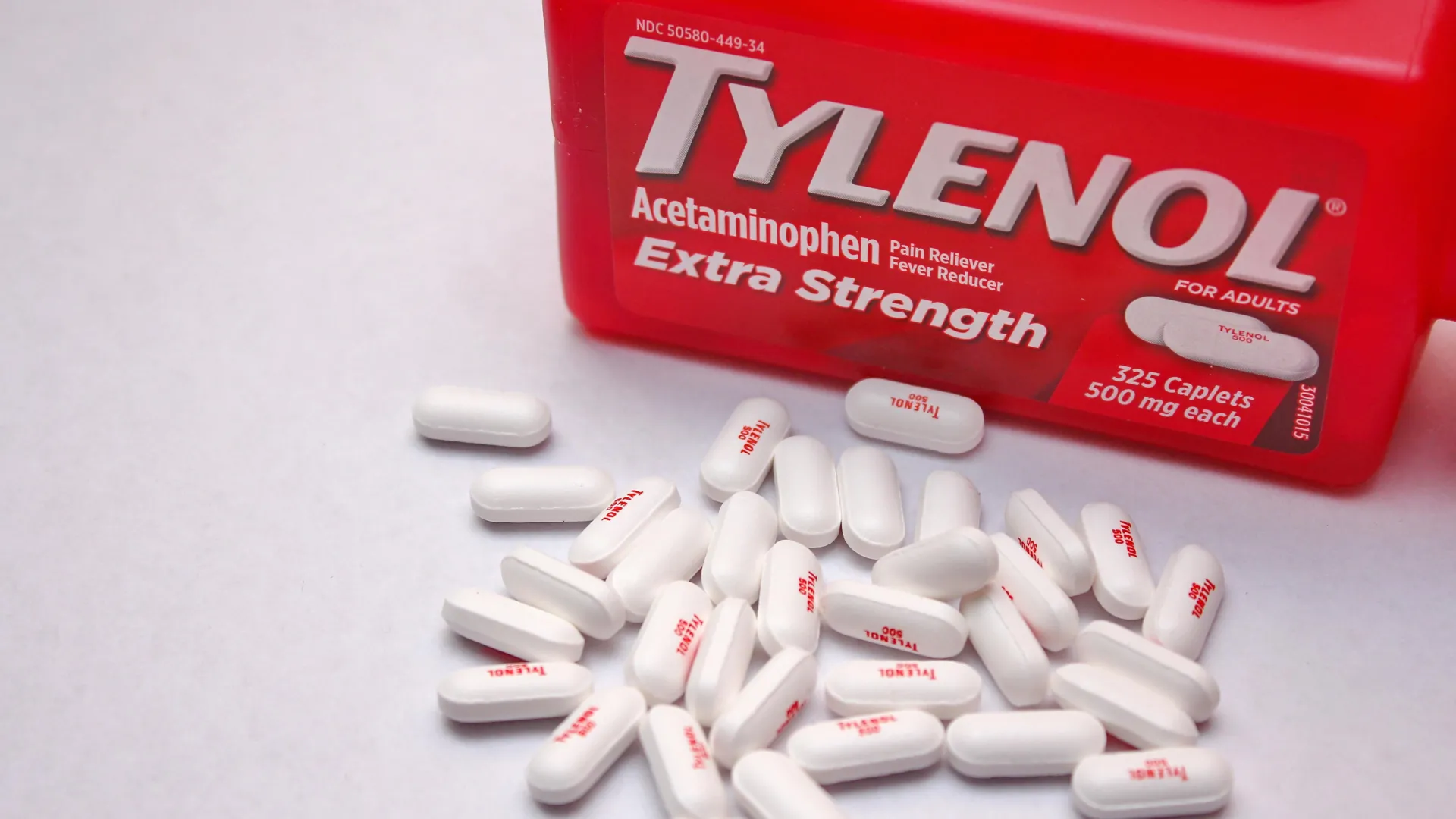
In a breakthrough study that challenges long-held assumptions regarding over-the-counter medication safety, researchers from the University of South Australia (UniSA) have identified a significant link between common painkillers and the rising tide of antimicrobial resistance (AMR). The research reveals that ibuprofen and acetaminophen—commonly known as paracetamol—do more than just alleviate pain and fever; they actively facilitate the genetic mutation of bacteria, rendering common antibiotics less effective. This phenomenon is particularly pronounced when these medications are used in combination, creating a synergistic effect that accelerates the development of "superbugs."
The study, which focused on the interaction between these non-antibiotic medications and the broad-spectrum antibiotic ciprofloxacin, utilized Escherichia coli (E. coli) as a primary testing subject. E. coli is a pervasive bacterium responsible for a vast array of human ailments, ranging from minor urinary tract infections to life-threatening sepsis. The findings indicate that the presence of these painkillers triggers a defensive response in the bacteria, leading to a higher rate of genetic mutation and the activation of mechanisms designed to expel medicinal compounds from the bacterial cell.
The Mechanism of Induced Resistance
At the heart of the UniSA study is the discovery of how non-antibiotic drugs influence bacterial behavior. Traditionally, antibiotic resistance was thought to be driven almost exclusively by the misuse or overuse of antibiotics themselves. However, Associate Professor Rietie Venter and her team have demonstrated that the chemical environment created by common painkillers can act as a catalyst for bacterial evolution.
When E. coli was exposed to ciprofloxacin in the presence of ibuprofen and acetaminophen, the researchers observed a marked increase in the frequency of mutations. These mutations allow the bacteria to survive doses of antibiotics that would otherwise be lethal. More concerningly, the study uncovered that these painkillers activate the bacteria’s "efflux pumps"—specialized proteins located in the cell membrane that function like bilge pumps on a ship, actively pumping out antibiotic molecules before they can reach their targets.
This activation does not just protect the bacteria from the specific antibiotic being administered; it provides a generalized defense. Consequently, the bacteria exhibited cross-resistance, showing increased resilience against multiple classes of antibiotics to which they had not even been directly exposed. This discovery suggests that the "silent pandemic" of antibiotic resistance is far more complex than previously understood, involving a wider web of pharmacological interactions.
A Chronology of the Antibiotic Resistance Crisis
To understand the weight of the UniSA findings, it is necessary to view them within the historical context of the antibiotic era. The timeline of antimicrobial development and the subsequent emergence of resistance highlights the precariousness of modern medicine.
- 1928 – The Discovery: Alexander Fleming discovers Penicillin, marking the beginning of the antibiotic era.
- 1940s – Mass Production: Antibiotics become widely available, drastically reducing mortality from common infections and surgical procedures.
- 1950s-1960s – The Golden Age: Dozens of new antibiotic classes are discovered. However, the first signs of resistance in Staphylococcus aureus begin to emerge.
- 1980s-1990s – The Discovery Void: The pharmaceutical pipeline for new antibiotics begins to dry up. Broad-spectrum drugs like ciprofloxacin (a fluoroquinolone) become the workhorses of clinical practice.
- 2010s – The Global Alarm: The World Health Organization (WHO) and other global bodies begin warning of a "post-antibiotic era" where minor injuries could once again become fatal.
- 2019 – The Lancet Landmark Study: A comprehensive analysis published in The Lancet reveals that bacterial AMR was directly responsible for 1.27 million deaths globally in 2019 and played a role in nearly 5 million deaths total.
- 2024 – The UniSA Breakthrough: New research identifies that common, non-antibiotic medications like ibuprofen and paracetamol are significant, previously overlooked drivers of this resistance.
The Perils of Polypharmacy in Aged Care
The implications of this research are perhaps most dire for the elderly population, particularly those residing in residential aged care facilities. Polypharmacy—the concurrent use of five or more medications—is a standard reality for many seniors. In these environments, residents are frequently prescribed a cocktail of drugs for chronic conditions such as hypertension, diabetes, and arthritis, alongside PRN (as needed) medications for pain and sleep.
The UniSA study assessed nine specific medications commonly found in the pill organizers of aged care residents:
- Ibuprofen: An anti-inflammatory used for pain relief.
- Acetaminophen (Paracetamol): A ubiquitous treatment for fever and mild pain.
- Diclofenac: A potent non-steroidal anti-inflammatory drug (NSAID) for arthritis.
- Furosemide: A diuretic used to manage high blood pressure and edema.
- Metformin: The primary medication for managing Type 2 Diabetes.
- Atorvastatin: A statin used to lower cholesterol.
- Tramadol: An opioid pain medication often used post-surgery.
- Temazepam: A benzodiazepine used to treat insomnia.
- Pseudoephedrine: A common decongestant.
The researchers noted that when these drugs interact within the human gut—the body’s primary reservoir for bacteria—they create an environment that encourages the development of resistant strains. Associate Professor Venter emphasized that residential aged care facilities are "ideal breeding grounds" for these resistant bacteria because of the sheer volume and variety of medications being administered to a vulnerable population.
Supporting Data and Statistical Context
The global scale of the antibiotic resistance crisis is staggering, and the UniSA findings add a new layer of urgency to the data. According to the World Health Organization, AMR is one of the top ten global public health threats facing humanity.
Statistical modeling suggests that if current trends continue, the annual death toll from AMR could rise to 10 million by 2050, surpassing the current annual death toll from cancer. The economic burden is equally significant; the World Bank estimates that AMR could result in an additional $1 trillion in healthcare costs globally by 2030, with a potential 3.8% decrease in global GDP by the middle of the century.
The UniSA study’s focus on ciprofloxacin is particularly relevant because fluoroquinolones are among the most frequently prescribed antibiotics worldwide. In many regions, resistance to ciprofloxacin in E. coli already exceeds 50%. The revelation that common painkillers can increase the mutation rate of this bacterium suggests that our reliance on OTC medications may be inadvertently sabotaging the efficacy of our most critical second-line treatments.
Official Responses and Expert Analysis
The medical community has reacted to the UniSA findings with a mixture of concern and a call for clinical caution. While the researchers are not advocating for the immediate cessation of ibuprofen or paracetamol use, they are urging healthcare providers to reconsider the "default" nature of these prescriptions.
"This study is a clear reminder that we need to carefully consider the risks of using multiple medications," stated Associate Professor Venter. "Antibiotic resistance isn’t just about antibiotics anymore. We need to be more mindful about how they interact… and that includes looking beyond just two-drug combinations."
Pharmacologists have noted that the "SOS response" in bacteria—a state of high-stress DNA repair that leads to mutations—is clearly being triggered by these non-antibiotic compounds. This suggests that the regulatory framework for drug-to-drug interactions needs to be expanded. Currently, most pharmaceutical safety trials focus on how drugs interact with human physiology (e.g., liver toxicity or blood pressure changes). The UniSA research suggests a new frontier of safety testing: how drugs interact with the human microbiome and the pathogens inhabiting it.
Broader Implications for Public Health Policy
The discovery that OTC painkillers fuel AMR necessitates a shift in public health strategy. For decades, the primary message of antibiotic stewardship has been directed at patients (to finish their courses) and doctors (to avoid over-prescribing). The new data suggests that stewardship must now encompass "medication reconciliation" on a much broader scale.
- Integrated Prescribing Guidelines: Clinical guidelines may need to be updated to advise against the simultaneous use of certain NSAIDs and specific antibiotics unless absolutely necessary.
- Aged Care Reform: There is a growing call for "deprescribing" initiatives in aged care, where medical teams actively work to reduce the number of non-essential medications a resident takes, thereby reducing the risk of bacterial mutation.
- Environmental Impact: Because many of these medications—both antibiotics and painkillers—are excreted into the wastewater system, the synergistic effect found in the lab may also be occurring in the environment. This could lead to the development of resistant bacteria in water sources and soil, further complicating the global health landscape.
- Public Awareness: There is a need for better public education regarding the "casual" use of painkillers. The perception of these drugs as entirely benign "household staples" may need to be corrected to reflect their potential role in a global health crisis.
Future Research Directions
The University of South Australia team is calling for an immediate expansion of research into the "non-antibiotic/antibiotic" nexus. Future studies will likely look at whether other common drug classes, such as antidepressants or proton pump inhibitors (used for acid reflux), have similar effects on bacterial mutation rates.
The researchers are also looking toward human clinical trials to confirm that the bacterial behavior observed in the laboratory translates to the complex environment of the human body. Understanding the "genetic mechanisms" uncovered in this study—specifically the activation of efflux pumps—could eventually lead to the development of "adjuvant" therapies: drugs designed to block these pumps and restore the effectiveness of antibiotics, even in the presence of painkillers.
As the global medical community grapples with the "silent pandemic" of AMR, the UniSA study serves as a pivotal turning point. It highlights that the fight against superbugs is not just a battle against the misuse of a single class of drugs, but a complex challenge involving the very staples of modern medicine. The findings underscore a fundamental truth in pharmacology: no drug acts in isolation, and the consequences of our most common treatments can resonate far beyond the symptoms they were designed to treat.
