
 By Hendra Lukman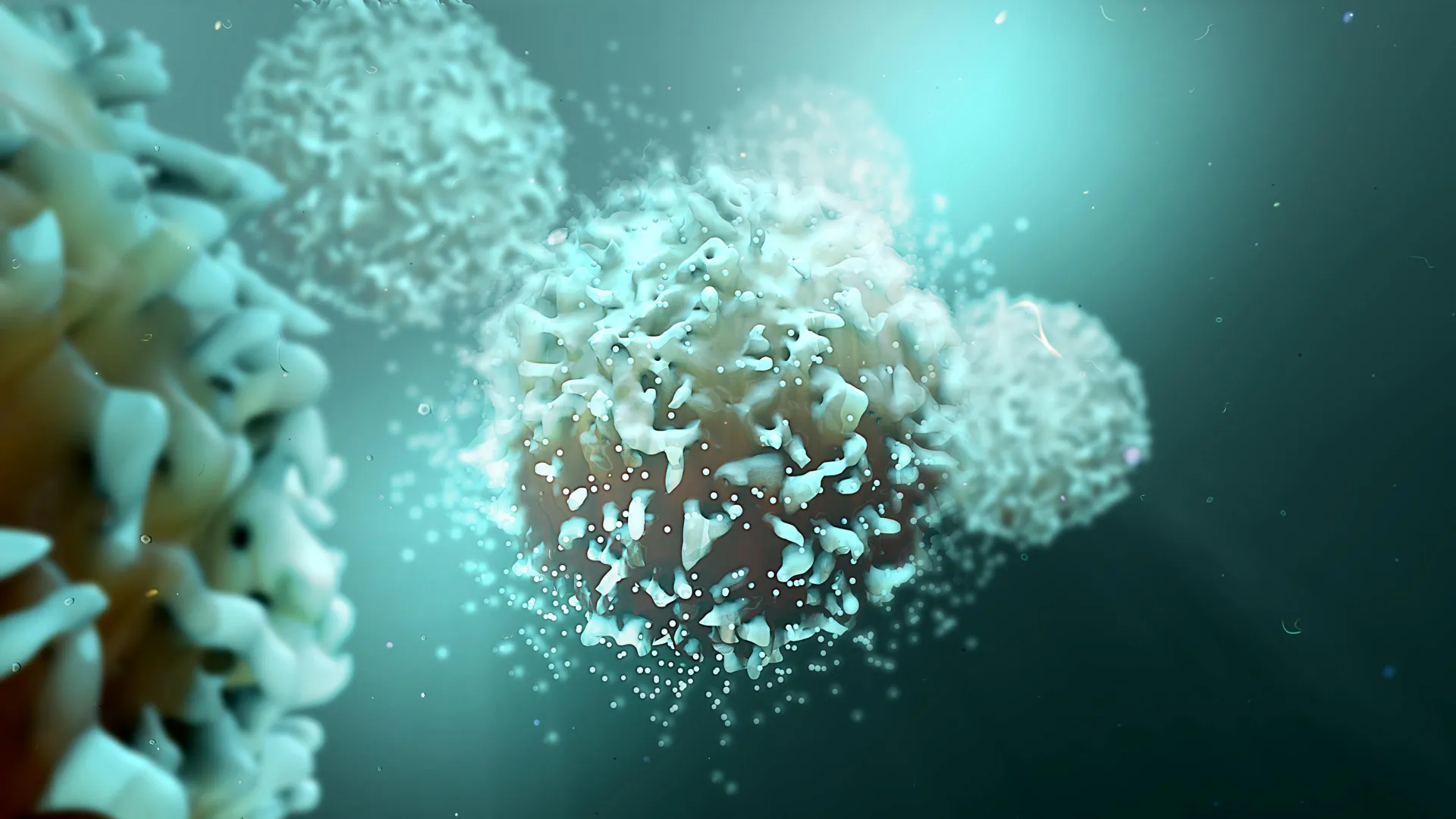
A groundbreaking gene therapy developed by scientists at University College London (UCL) and Great Ormond Street Hospital (GOSH) is demonstrating significant promise for individuals, both children and adults, battling T-cell acute lymphoblastic leukemia (T-ALL). This aggressive and relatively uncommon blood cancer, known for its rapid progression, has historically presented limited treatment avenues. The innovative approach leverages genome-edited immune cells to specifically target and eradicate the leukemia, offering a beacon of hope for patients facing dire prognoses.
A Novel Approach to an Unmet Need
The pioneering therapy, designated BE-CAR7, represents a significant advancement in the field of gene therapy. It utilizes base-edited immune cells, a sophisticated application of CRISPR technology, to precisely target and eliminate various forms of T-cell leukemia that have proven resistant to conventional treatments. Unlike traditional gene editing methods that involve cutting DNA, base-editing allows for the alteration of individual DNA letters within living cells with remarkable accuracy. This precision minimizes the risk of unintended genetic modifications and chromosomal damage, a critical safety consideration in therapeutic interventions.
The genesis of this transformative treatment traces back to 2022 when researchers at GOSH and UCL first employed this cutting-edge technology to treat Alyssa, a 13-year-old girl from Leicester. Her case marked a pivotal moment, as it was the first instance worldwide where a base-edited therapy was administered to a patient. Since this initial success, the treatment has been extended to an additional eight children and two adults at GOSH and King’s College Hospital (KCH), further validating its potential.
Promising Clinical Trial Outcomes Emerge
Early results from the clinical trial have been published in the prestigious New England Journal of Medicine and presented at the 67th American Society of Hematology Annual Meeting. These findings underscore the efficacy of BE-CAR7, reporting strong remission rates among treated patients. While specific remission percentages are detailed within the published data, the overarching narrative highlights a significant positive impact on patients who previously had few remaining options. The comprehensive data from these early trials will be crucial for informing future treatment protocols and regulatory approvals.
Understanding CAR T-Cell Therapy: A Foundation for Innovation
To appreciate the significance of BE-CAR7, it’s essential to understand the broader context of CAR T-cell immunotherapy. This established approach has revolutionized the treatment landscape for several types of blood cancers. The fundamental principle involves modifying a patient’s own T-cells, a type of white blood cell crucial for the immune response. These T-cells are engineered to express a chimeric antigen receptor (CAR) on their surface. This customized receptor acts as a sophisticated targeting mechanism, enabling the modified T-cells to identify and bind to specific markers, or "flags," present on the surface of cancer cells. Once bound, the CAR T-cells can effectively destroy the malignant cells.
However, developing CAR T-cell therapies for leukemias originating in T-cells has presented unique and formidable challenges. The inherent difficulty lies in the delicate balance required: the therapy must effectively eliminate cancerous T-cells without inadvertently triggering the engineered T-cells to attack healthy T-cells or even themselves, a phenomenon known as "on-target, off-tumor" or "on-target, on-tumor" toxicity. This risk has historically made CAR T-cell approaches less successful for T-cell malignancies compared to B-cell leukemias.
Base-Editing: Enabling "Off-the-Shelf" Universal Therapies
The advent of base-editing technology has provided a crucial breakthrough in overcoming these limitations. BE-CAR7 T-cells are produced using a next-generation genome editing method that does not involve cutting the DNA helix. This is a significant departure from earlier CRISPR techniques and substantially reduces the risk of chromosomal damage. By precisely altering single DNA letters within the T-cells, researchers have been able to reprogram them in a way that enhances their specificity and safety.
A key innovation stemming from this base-editing capability is the ability to create "universal" or "off-the-shelf" CAR T-cells. This means that instead of genetically engineering a patient’s own cells, which is a time-consuming and complex process, banked stores of pre-prepared, universally compatible CAR T-cells can be created. These universal cells, derived from healthy donors, can then be readily administered to different patients, streamlining the treatment process and potentially reducing costs. In the case of BE-CAR7, these universal CAR T-cells are engineered to specifically target T-cell leukemia while possessing built-in safeguards against self-destruction or attack on healthy immune cells.
The manufacturing process for these advanced CAR T-cells is highly sophisticated. For this study, the universal CAR T-cells were derived from the white blood cells of healthy donors. The intricate engineering steps took place within a state-of-the-art cleanroom facility at GOSH. This involved the use of custom RNA, messenger RNA (mRNA), and a lentiviral vector, all managed within an automated system that the research team had previously refined. The process ensures the highest standards of purity and efficacy in the final therapeutic product.
The Treatment Journey: From Eradication to Immune Restoration
Once administered to patients, the base-edited BE-CAR7 T-cells swiftly embark on their mission to locate and neutralize T-cells throughout the body, with a particular focus on eliminating the malignant leukemia cells. In instances where the leukemia is successfully cleared within the initial month of treatment, patients then typically undergo a bone marrow transplant. This crucial step is designed to reconstitute a healthy and functional immune system over the subsequent months, providing long-term protection and recovery.
Professor Waseem Qasim, a leading figure in cell and gene therapy and the principal investigator of this research, expressed profound optimism regarding the findings. Professor Qasim, who holds a professorship at UCL and serves as an honorary consultant immunologist at GOSH, stated, "We previously showed promising results using precision genome editing for children with aggressive blood cancer, and this larger number of patients confirms the impact of this type of treatment. We’ve shown that universal or ‘off the shelf’ base-edited CAR T-cells can seek and destroy very resistant cases of CD7+ leukemia."
He further elaborated on the collaborative nature of the research, acknowledging the extensive team effort across both institutions. "Many teams were involved across the hospital and university, and everyone is delighted for patients clearing their disease, but at the same time, deeply mindful that outcomes were not as hoped for some children. These are intense and difficult treatments – patients and families have been generous in recognizing the importance of learning as much as possible from each experience." This candid acknowledgment highlights the inherent complexities and challenges of developing novel cancer therapies, underscoring the dedication of all involved to continuous improvement.
A Lifeline for Refractory Cases
The implications of BE-CAR7 are particularly significant for a subset of T-cell leukemia patients who do not respond to standard therapies. Dr. Rob Chiesa, a study investigator and consultant in bone marrow transplantation at GOSH, emphasized this point. "Although most children with T-cell leukemia will respond well to standard treatments, around 20% may not. It’s these patients who desperately need better options, and this research provides hope for a better prognosis for everyone diagnosed with this rare but aggressive form of blood cancer."
Dr. Chiesa also highlighted the profound impact of the treatment on individual patients, citing Alyssa’s remarkable recovery. "Seeing Alyssa go from strength-to-strength is incredible and a testament to her tenacity and the dedication of an array of a small army of people at GOSH. Teamwork between bone marrow transplant, hematology, ward staff, teachers, play workers, physiotherapists, lab and research teams, among others, is essential for supporting our patients." His statement underscores the multidisciplinary approach required for optimal patient care in complex oncological treatments.
Dr. Deborah Yallop, a consultant hematologist at KCH, echoed this sentiment, noting the impressive efficacy of the treatment. "We’ve seen impressive responses in clearing leukemia that seemed incurable – it’s a very powerful approach."
Expanding Access and Fostering Future Research
The advancement of this promising therapy is supported by significant funding and collaborative efforts. The trial is sponsored by GOSH and receives crucial support from the Medical Research Council, Wellcome, and the National Institute for Health and Care Research (NIHR). For eligible patients receiving NHS care, discussions with their healthcare teams are the pathway to potentially participating in the trial.
In a significant move to broaden access, GOSH Charity has committed over £2 million to fund treatment for an additional 10 T-ALL patients. This substantial investment not only facilitates wider participation in the trial but also bolsters GOSH Charity’s ongoing fundraising campaign for a new Children’s Cancer Centre. This proposed centre is envisioned to be a hub for cutting-edge research, further accelerating the development of innovative treatments for childhood cancers.
Alyssa’s Journey: A Symbol of Hope and Resilience
Alyssa Tapley, now 16 years old, stands as a living testament to the transformative power of this experimental therapy. Her courageous decision to be the first person globally to receive a base-edited cell therapy has not only changed her life but has also paved the way for countless others. Recounting her experience, Alyssa shared her motivation for participating in the research: "I chose to take part in the research as I felt that, even if it didn’t work for me, it could help others."
Her leukemia was undetectable following the treatment, and while she remains under careful monitoring, she is now in long-term follow-up and fully engaged in daily life. Alyssa was diagnosed with T-cell leukemia in May 2021, a diagnosis that followed months of symptoms initially attributed to recurring viral illnesses and fatigue. Standard treatments, including chemotherapy and a bone marrow transplant, proved unsuccessful, and palliative care options were being considered when the research team offered her the experimental therapy.
Reflecting on her recovery, Alyssa expressed profound gratitude: "Years later, we know it worked, and I’m doing really well. I’ve done all those things that you’re supposed to do when you’re a teenager. I’ve gone sailing, spent time away from home doing my Duke of Edinburgh Award, but even just going to school is something I dreamed of when I was ill. I’m not taking anything for granted." Her future aspirations are inspiring: "Next on my list is learning to drive, but my ultimate goal is to become a research scientist and be part of the next big discovery that can help people like me."
Infrastructure and Sustained Commitment
The development and manufacturing of BE-CAR7 cells have been facilitated by a long-standing research program at the UCL Great Ormond Street Institute of Child Health, under the leadership of Professor Qasim. His role as an honorary consultant at GOSH further strengthens the collaborative ties between the institutions. The sustained support from NIHR, Wellcome, the Medical Research Council, and GOSH Charity has been instrumental in driving the progress of these innovative genome-editing treatments.
The research team now operates from the Zayed Centre for Research into Rare Disease in Children, a testament to a significant partnership between UCL and GOSH. This state-of-the-art facility was made possible by a substantial £60 million gift in 2014 from Her Highness Sheikha Fatima bint Mubarak, in honor of her late husband, Sheikh Zayed bin Sultan Al Nahyan. This center is dedicated to advancing research into rare diseases affecting children, fostering collaboration and innovation.
The researchers also extended their sincere gratitude to Anthony Nolan, a leading UK charity that works to save lives by managing the Anthony Nolan Register, and to the many volunteer blood and stem cell donors whose generosity is vital. Crucially, their thanks also go to the patients and their families who bravely chose to participate in this groundbreaking work, contributing invaluable data and insights that are shaping the future of cancer treatment. The success of BE-CAR7 is a powerful illustration of how scientific ingenuity, coupled with dedicated funding and unwavering patient courage, can lead to life-changing medical breakthroughs.
