
 By Budi Oetomo Narendra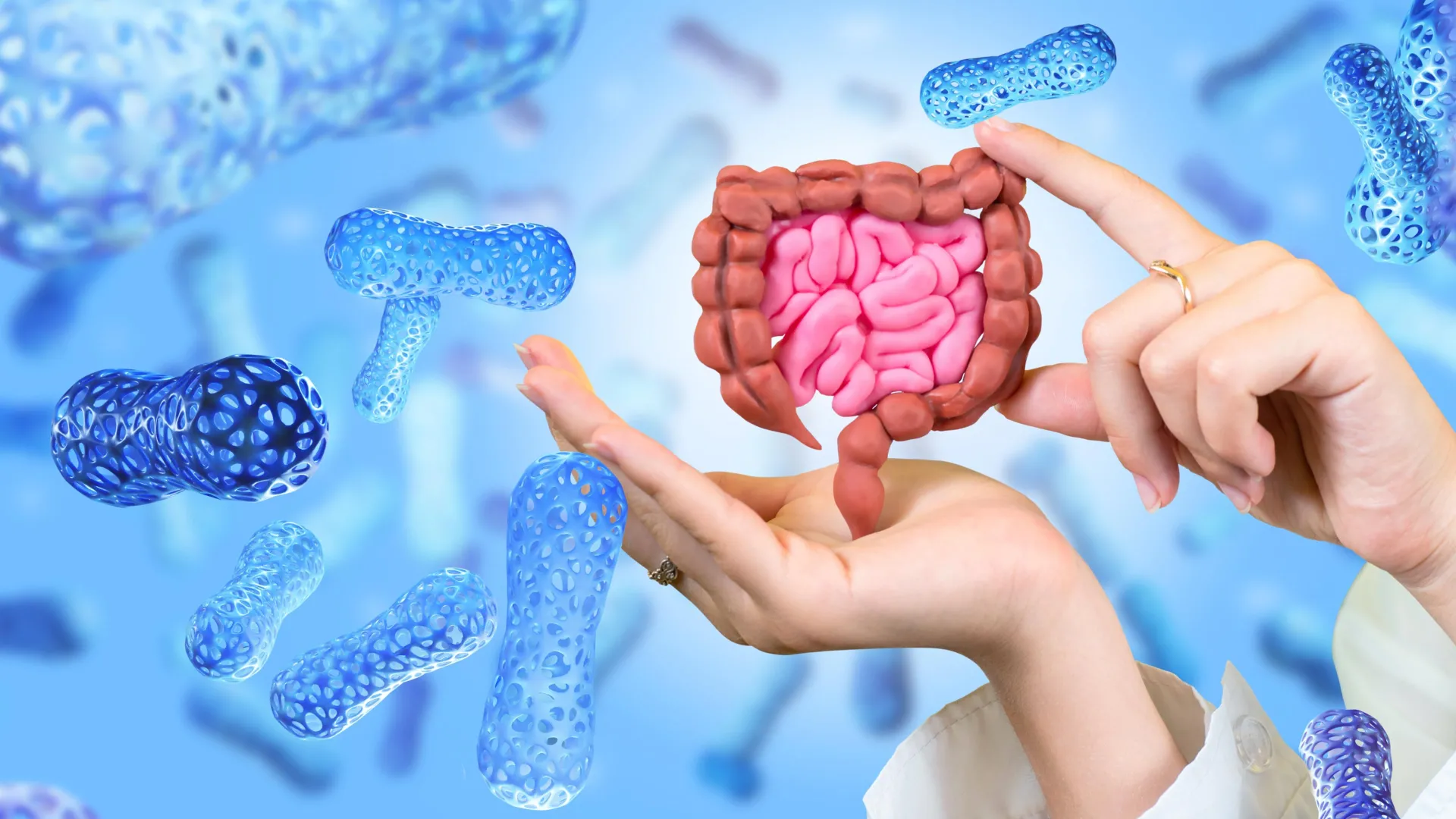
Cancer immunotherapy has dramatically changed how doctors treat many forms of cancer, yet pancreatic cancer has remained particularly resistant to these advances. A major obstacle is the hostile environment that develops around pancreatic tumors, often referred to as a "cold" tumor microenvironment, which actively blocks immune cells from launching an effective attack. This formidable challenge has driven researchers to seek innovative strategies, and a recent breakthrough from the University of Chicago offers a new beacon of hope. Scientists have developed an ingenious approach utilizing an engineered probiotic bacterium, Bifidobacterium longum, to deliver immune-stimulating treatment directly into these stubborn tumors, showing promising results in preclinical models.
This groundbreaking research, published in Science Advances, details the creation of BifidoSumIL-2, a modified strain of Bifidobacterium longum—a bacterium naturally found in the human gut and commonly recognized as a safe probiotic. The core innovation lies in its ability to act as a microscopic, self-propelling drug factory, selectively migrating to pancreatic tumors and releasing a potent, modified version of interleukin-2 (IL-2), an immune signaling molecule crucial for activating cancer-fighting T cells. In animal models, this targeted therapy demonstrated a significant capacity to slow the growth of pancreatic tumors. Crucially, its therapeutic effects were amplified when combined with established cancer treatments such as chemotherapy, radiotherapy, and conventional immunotherapy, suggesting a powerful synergistic potential. These findings mark a pivotal step, hinting that BifidoSumIL-2 could eventually provide a novel pathway to improve how notoriously difficult pancreatic tumors respond to treatment.
The Unrelenting Challenge of Pancreatic Cancer
Pancreatic cancer stands as one of the most lethal malignancies worldwide, characterized by its aggressive nature, late diagnosis, and dismal prognosis. It is projected to become the second leading cause of cancer-related deaths in the United States by 2030. The statistics are stark: the five-year survival rate for pancreatic cancer remains tragically low, hovering around 12% across all stages, a figure that has seen only incremental improvements over decades despite significant advancements in other cancer types. This grim reality underscores the urgent and profound unmet medical need for more effective therapies.
One of the primary reasons for pancreatic cancer’s formidable resistance lies in its unique tumor microenvironment (TME). Unlike "hot" tumors, which are infiltrated by immune cells and respond well to immunotherapies like checkpoint inhibitors, pancreatic tumors are typically "cold." This "cold" characteristic is due to several factors: a dense fibrotic stroma (a barrier of connective tissue), a paucity of effector T cells, and an abundance of immunosuppressive cells suchms as myeloid-derived suppressor cells (MDSCs) and regulatory T cells (Tregs). This complex biological shield not only physically obstructs immune cell infiltration but also actively suppresses any immune response that might attempt to form, rendering traditional immunotherapies largely ineffective. Therapies that have revolutionized the treatment landscape for melanoma, lung cancer, and kidney cancer often hit a wall when confronted with the pancreatic tumor’s intricate defenses.
A Novel Approach: Bacteria as Targeted Drug Delivery Vehicles
The concept of using bacteria to deliver cancer therapy, often termed "bugs as drugs," represents a burgeoning frontier in oncology. This strategy leverages the inherent biological properties of certain bacteria to selectively colonize tumors, where they can then produce and release therapeutic agents at high concentrations, minimizing systemic exposure and associated side effects. For pancreatic cancer, where systemic toxicity from aggressive treatments is a major concern, this targeted approach holds immense appeal.
"A big unmet medical need has been pancreatic cancer, and so that was going to be our mountain to climb," stated Dr. Ralph Weichselbaum, the Daniel K. Ludwig Distinguished Service Professor and Chair of Radiation and Cellular Oncology at the University of Chicago, highlighting the magnitude of the challenge the research team undertook. The choice of Bifidobacterium longum as the therapeutic delivery system was a strategic one, rooted in its unique physiological characteristics. Bifidobacterium species are obligate anaerobes, meaning they thrive in environments with very low or no oxygen. Solid tumors, including pancreatic tumors, are often characterized by hypoxic (low oxygen) regions due to rapid growth and inefficient vasculature. Healthy tissues, in contrast, are generally well-oxygenated. This differential oxygen gradient provides a natural homing mechanism for Bifidobacterium. When injected systemically, the bacteria are cleared from oxygen-rich healthy tissues but preferentially accumulate and become active within the low-oxygen core of tumors, effectively turning the tumor itself into a localized drug factory.
Beyond its tumor-targeting capabilities, Bifidobacterium also boasts an excellent safety profile. It is a well-known probiotic organism, commonly found in the human gut microbiome and frequently incorporated into fermented foods like yogurt. This "generally recognized as safe" (GRAS) status significantly de-risks its potential for clinical translation compared to other bacterial strains.
Engineering Precision: From IL-2 to SumIL-2
The therapeutic payload carried by BifidoSumIL-2 is a modified version of interleukin-2 (IL-2). Conventional IL-2 has been a cornerstone of immunotherapy for certain cancers, particularly renal cell carcinoma and melanoma, due to its potent ability to stimulate the proliferation and activity of T cells and natural killer (NK) cells—key components of the immune system’s anti-cancer arsenal. However, systemic administration of high-dose conventional IL-2 is associated with severe, dose-limiting toxicities, including capillary leak syndrome, and can also paradoxically stimulate regulatory T cells (Tregs). Tregs suppress immune responses, effectively dampening the very anti-tumor attack that IL-2 is intended to unleash.
To circumvent these critical drawbacks, the University of Chicago researchers engineered SumIL-2. This modified form of IL-2 is designed to more precisely activate effector T cells (the cancer-fighting T cells) while significantly reducing the stimulation of immunosuppressive regulatory T cells. By placing this refined SumIL-2 inside Bifidobacterium longum, the therapeutic molecule could be concentrated precisely where it was needed – within the tumor microenvironment – rather than circulating throughout the entire body, thereby enhancing efficacy and mitigating systemic side effects. This innovative design exemplifies the sophisticated approach required to harness the immune system effectively without causing undue harm.
A Symphony of Science: The Interdisciplinary Effort
The development of BifidoSumIL-2 was not a solo endeavor but the culmination of a highly interdisciplinary effort, bringing together diverse scientific expertise. "This was a highly interdisciplinary effort," emphasized Dr. Mark Mimee, Assistant Professor of Microbiology at the University of Chicago. "We had to bring together people who understand bacteria, people who understand tumors, and people who understand the immune system to make something like this possible." This collaborative synergy spanned microbiology, synthetic biology, oncology, and immunology, underscoring the complex challenges inherent in engineering living therapeutics.
The process of engineering Bifidobacterium itself presented unique obstacles. " Bifidobacterium is not the easiest organism to work with," Mimee elaborated. "It’s anaerobic, it grows slowly, and the genetic tools for manipulating it are much more limited compared to model bacteria like E. coli. A lot of the work was just figuring out how to reliably engineer it." This aspect highlights the meticulous foundational research required before any therapeutic application could even be considered, involving countless hours of optimizing genetic circuits and culturing conditions for these fastidious microbes.
Preclinical Validation: A Glimmer of Hope
The rigorous preclinical testing in animal models yielded encouraging results. The studies confirmed that BifidoSumIL-2 preferentially accumulated within pancreatic tumors, a testament to the effectiveness of its anaerobic targeting mechanism. Once localized, the engineered bacteria effectively stimulated immune activity. Researchers observed a significant slowing of tumor growth, a crucial benchmark for any new cancer therapy.
More profoundly, BifidoSumIL-2 demonstrated its ability to favorably alter the tumor microenvironment. It increased the activity and infiltration of cancer-fighting CD8+ T cells, transforming the "cold" pancreatic tumors into a more "hot," immune-responsive state. This shift is critical because it addresses the fundamental barrier that has historically rendered pancreatic cancer resistant to immunotherapies.
Perhaps one of the most impactful findings was the demonstration of synergistic potential. The results improved further and more dramatically when BifidoSumIL-2 was combined with existing cancer treatments. Pairing the bacterial therapy with chemotherapy, radiation therapy, or anti-PD-L1 immunotherapy led to superior tumor control and significantly longer survival rates compared to any of the individual treatments alone. "This combination potential is one of the study’s most important findings; BifidoSumIL-2 not only works by itself — it works with radiotherapy, chemotherapy, and immunotherapy," Dr. Weichselbaum affirmed. This suggests that BifidoSumIL-2 might serve as an effective "sensitizer," priming the tumor microenvironment to respond better to established treatment modalities, thereby enhancing overall therapeutic outcomes. The combination with anti-PD-L1 immunotherapy, a type of immune checkpoint blockade, is particularly noteworthy, as it suggests that BifidoSumIL-2 could overcome the intrinsic resistance of pancreatic cancer to these otherwise powerful agents.
Looking Ahead: The Path to Clinical Translation
Despite these highly encouraging preclinical findings, BifidoSumIL-2 has not yet been tested in humans. The journey from laboratory discovery to clinical application is long and arduous, with numerous critical questions requiring thorough investigation. Future research will need to meticulously examine its long-term safety profile, including any potential off-target effects outside the intended tumor sites. Researchers will also need to determine the durability of the induced immune response – how long do the activated T cells persist and continue to fight cancer?
Another practical consideration is the route of administration. While systemic injection was used in the animal models, the researchers are keen to explore whether the bacteria could eventually be given orally, which would significantly enhance patient convenience and potentially expand accessibility. Oral delivery presents its own set of challenges, including survival through the digestive tract and efficient systemic distribution to tumors.
Furthermore, the team plans to investigate whether this strategy can be effectively combined with newer, emerging pancreatic cancer treatments, such as KRAS inhibitors. Mutations in the KRAS gene are a hallmark of pancreatic cancer, present in over 90% of cases, making KRAS inhibitors a highly anticipated targeted therapy. Combining BifidoSumIL-2 with such specific molecular inhibitors could open new avenues for highly personalized and potent treatment regimens.
Broader Implications: The "Bugs as Drugs" Revolution
This research significantly contributes to the rapidly expanding field of "bugs as drugs," an area poised to redefine therapeutic strategies across various diseases, not just cancer. By engineering probiotic bacteria to seek out disease sites and produce therapies directly within them, scientists are crafting a new paradigm for precision medicine. This approach offers the promise of concentrating powerful therapeutic agents where they are most needed, maximizing efficacy while simultaneously minimizing the systemic toxicity that often plagues conventional treatments. This targeted delivery mechanism holds immense potential for reducing the debilitating side effects associated with cancer therapies, thereby improving patients’ quality of life.
The successful demonstration of BifidoSumIL-2’s efficacy in pancreatic cancer models could pave the way for similar bacterial-based therapies for other "cold" or immune-resistant tumors. The adaptability of this platform, where different therapeutic payloads could be engineered into the bacterial chassis, offers a versatile toolkit for tackling a broad spectrum of oncological challenges.
The University of Chicago Medicine and its Biological Sciences Division continue to stand at the forefront of cancer care and research, committed to pushing the boundaries of scientific discovery. Their dedication to innovation is further exemplified by the upcoming opening of the AbbVie Foundation Cancer Pavilion in April 2027. This freestanding cancer pavilion, the first of its kind in Chicago, is designed to integrate advanced diagnostics, innovative treatments, translational discoveries, and comprehensive support services, ensuring that patients and the community benefit directly from cutting-edge research like the BifidoSumIL-2 project. The study, titled "Engineered probiotic Bifidobacterium for tumor-targeted pancreatic cancer therapy," was made possible through vital support from the Ludwig Foundation and the National Institutes of Health, underscoring the collaborative effort and significant investment required to tackle such complex medical challenges. Additional authors included Jaehyun Lee, Kaiting Yang, Christina Nowicki, Wei Liu, Emile Naccasha, and Hua Liang from the University of Chicago; Zhichen Sun from the University of Texas Southwestern, Dallas; and Yang-Xin Fu from Tsinghua University, Beijing, China, reflecting the global nature of scientific collaboration in the fight against cancer.
