
 By admin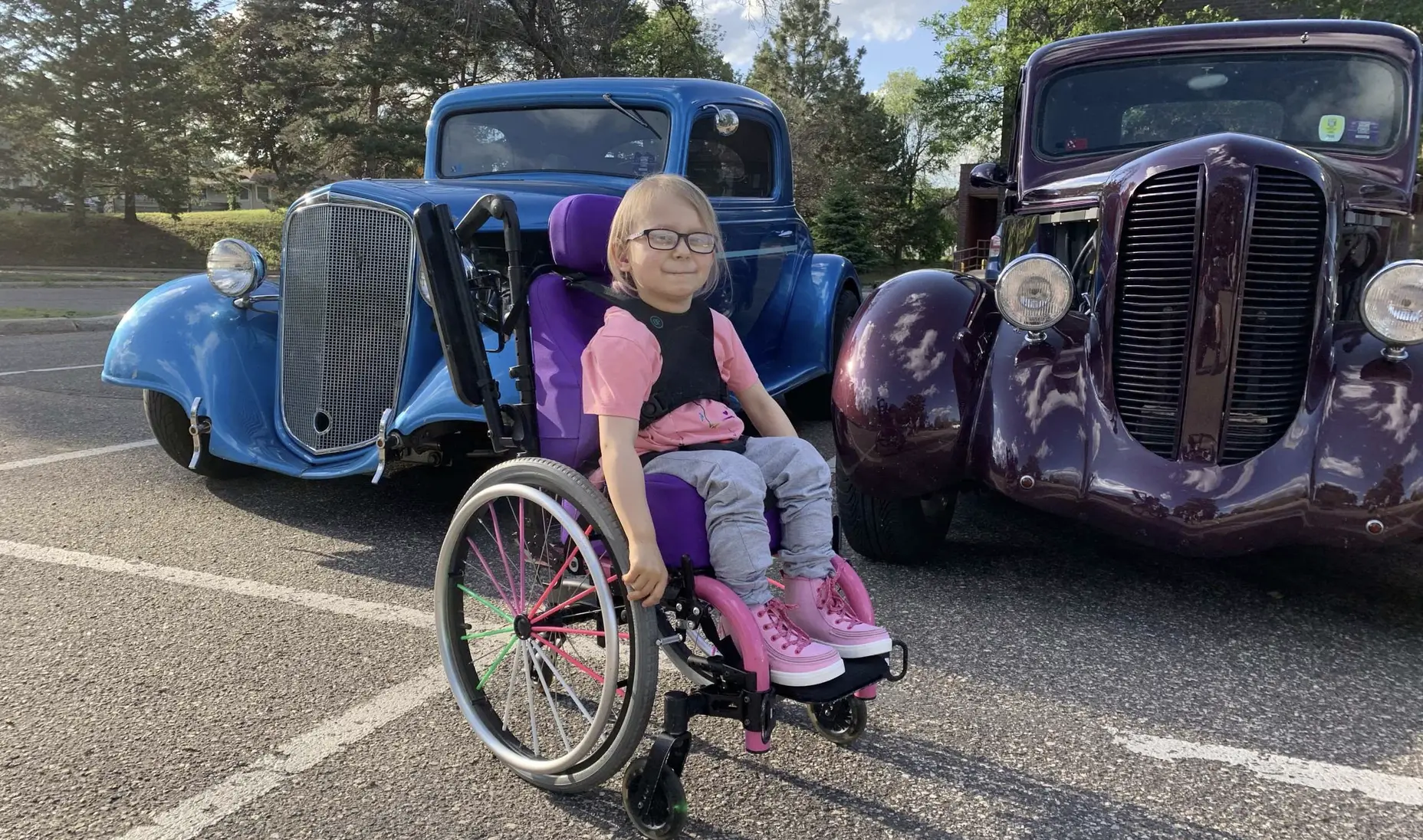
The trajectory of pediatric oncology is often defined by the resilience of its youngest patients and the relentless pursuit of scientific breakthroughs by researchers dedicated to narrowing the gap between survival and long-term quality of life. For Emma, a young girl whose life was upended at the age of two, the battle against neuroblastoma serves as a poignant case study in the complexities of modern cancer treatment. Neuroblastoma, a malignancy that arises from immature nerve cells, remains one of the most challenging pediatric cancers to treat when diagnosed in its high-risk form. Emma’s journey—marked by intensive medical interventions, profound physical tolls, and the ongoing shadow of late-stage side effects—highlights both the progress made in pediatric oncology and the urgent need for more precise, less toxic therapeutic options.
A Sudden Onset and a Grueling Diagnosis
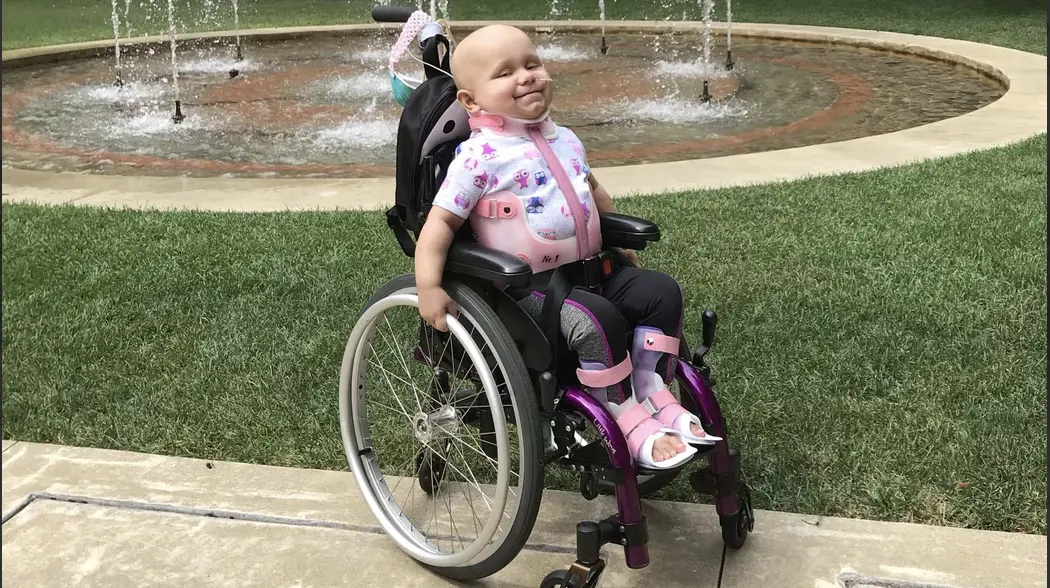
The onset of Emma’s illness was not marked by a gradual decline but by a sudden, terrifying loss of physical function. At just two years old, an age characterized by rapid motor development, Emma lost her ability to walk. This alarming symptom prompted her family to seek immediate medical intervention, bypassing the routine check-ups that typically monitor early childhood milestones. Diagnostic imaging and subsequent tests revealed a devastating cause: a neuroblastoma tumor was pressing directly against her spinal cord.
Neuroblastoma is a cancer of the sympathetic nervous system, most commonly originating in the adrenal glands, but it can develop anywhere along the nerve chains in the chest, abdomen, or neck. In Emma’s case, the location of the tumor was particularly precarious, as its proximity to the spine threatened permanent neurological damage and necessitated an aggressive, multi-pronged treatment strategy. Because the cancer was classified as high-risk and aggressive, the medical team had to move with extraordinary speed to arrest the tumor’s growth and prevent further metastasis.
The Chronology of Intensive Treatment
What followed was an 18-month odyssey through the most intensive protocols available in modern pediatric oncology. Emma’s treatment plan was a "kitchen sink" approach, designed to eradicate a cancer known for its high rate of recurrence and resistance to standard therapies. The timeline of her care illustrates the sheer volume of physical trauma a young body must endure to achieve remission.
The initial phase involved systemic chemotherapy, aimed at shrinking the primary tumor and addressing any circulating cancer cells. However, for high-risk neuroblastoma, chemotherapy is rarely sufficient on its own. Emma underwent complex spinal cord surgery to alleviate the pressure from the tumor, a procedure fraught with risks given the delicate nature of the pediatric nervous system. This was followed by a partial lung removal, a testament to the invasive nature of the disease’s spread.
As the treatment progressed, Emma underwent proton beam radiation, a specialized form of radiotherapy that uses protons rather than X-rays to target tumors more precisely, theoretically sparing surrounding healthy tissue. To ensure the total eradication of the cancer, she also underwent a stem cell transplant. This process involves harvesting a patient’s own healthy stem cells, administering "megadose" chemotherapy that effectively destroys the bone marrow, and then reinfusing the stored stem cells to rebuild the immune system. The final stages of her primary treatment included immunotherapy, a burgeoning field of medicine that trains the body’s own immune system to recognize and destroy remaining cancer cells.
The Hidden Cost of Survival: Long-Term Side Effects
While Emma is today classified as a survivor, the "cure" has come at a significant cost. The intensity of high-risk neuroblastoma protocols often leaves children with "late effects"—chronic health problems that persist or emerge years after treatment has ended. Emma’s reality is a stark reminder that survival is not synonymous with a return to normalcy.
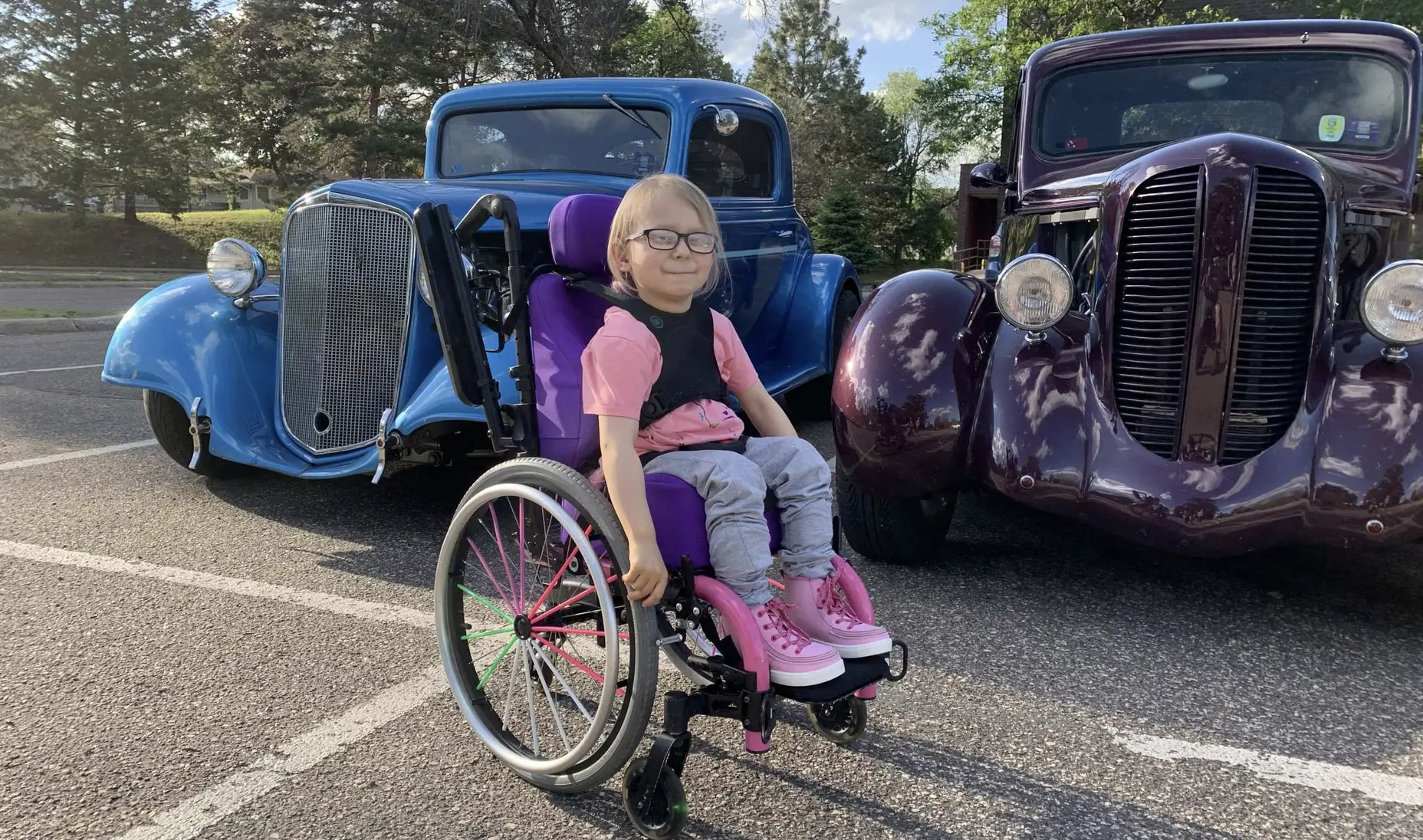
Emma currently lives with profound hearing loss, a common side effect of the platinum-based chemotherapy drugs often used to treat neuroblastoma. She also faces partial paralysis, a direct consequence of the tumor’s initial pressure on her spine and the subsequent surgical interventions. Furthermore, her immune system remains permanently weakened, leaving her exceptionally vulnerable to common illnesses that most children navigate with ease.
Beyond the physical manifestations, the psychological burden is equally heavy. Emma experiences ongoing mental exhaustion and the "scanxiety" associated with the constant fear of relapse. For families of high-risk neuroblastoma patients, the five-year survival mark is a significant milestone, but the threat of the cancer returning—often in a more treatment-resistant form—is a source of perpetual stress.
Navigating the Logistical Barriers to Specialized Care
Emma’s case also sheds light on the geographic and logistical challenges inherent in pediatric cancer care. Her family lives approximately one hour away from the nearest hospital, and her multidisciplinary care team is spread across two different states. This fragmentation of care makes the essential components of recovery—such as physical, occupational, and speech therapy—difficult to access and maintain.
For a child with paralysis and hearing loss, these therapies are not optional; they are the primary means of regaining independence and navigating the world. The "financial toxicity" and logistical strain of traveling long distances for specialized appointments add a layer of hardship to an already exhausted family. Emma’s situation underscores a systemic issue in healthcare: even when life-saving treatments are successful, the infrastructure for long-term rehabilitative care is often inadequate for those living outside major metropolitan medical hubs.
The Science of Neuroblastoma: Why High-Risk Cases are Different
To understand why Emma’s treatment was so grueling, one must look at the biological profile of neuroblastoma. This cancer is characterized by its heterogeneity; while low-risk cases have an excellent prognosis with survival rates exceeding 95%, high-risk cases are a different clinical entity entirely.
High-risk neuroblastoma is often defined by specific genetic markers, such as the amplification of the MYCN oncogene, which drives rapid cell division and resistance to apoptosis (programmed cell death). In these cases, the survival rate drops significantly, hovering between 50% and 60%. Despite the intensification of treatment over the last three decades, the survival curve for high-risk patients has reached a plateau, leading researchers to conclude that more chemotherapy is not the answer. Instead, the focus has shifted toward precision medicine and immunotherapy.
Pioneering Research: The Emory University Study
A new study funded by the Children’s Cancer Research Fund (CCRF) and led by Kelly Goldsmith, MD, at Emory University, is seeking to break this plateau. Dr. Goldsmith’s research focuses on a novel form of immunotherapy that utilizes gamma delta T cells.
Most current T-cell therapies, such as CAR-T cell therapy, use alpha-beta T cells. While effective in some blood cancers, these cells have limitations in treating solid tumors like neuroblastoma. Gamma delta T cells, however, represent a unique subset of the immune system. They possess the ability to recognize and attack cancer cells without the need for the specific "tags" (major histocompatibility complex molecules) that alpha-beta T cells require. This makes them more versatile and potentially more effective at infiltrating the "cold" immune environment of a solid tumor.
One of the most significant advantages of gamma delta T cells is that they can be produced from healthy donors. This is a critical development for patients like Emma, whose own immune systems have been decimated by high-dose chemotherapy and stem cell transplants. By using "off-the-shelf" cells from healthy donors, clinicians can provide treatment more quickly and to patients who would otherwise be ineligible for autologous (self-derived) T-cell therapies.
Targeting GFRA2 and the Brain Metastasis Challenge
A major hurdle in treating neuroblastoma is its ability to spread to the brain. Because of the blood-brain barrier—a protective membrane that prevents most drugs from entering the central nervous system—traditional chemotherapy often fails to reach metastatic sites in the brain.
Dr. Goldsmith’s team is engineering gamma delta T cells to specifically target GFRA2, a protein found on the surface of neuroblastoma cells, particularly those that have metastasized to the brain. By modifying these cells to recognize GFRA2 and enhancing their "persistence"—their ability to stay active and multiply within the patient’s body—the researchers hope to create a treatment that can cross the blood-brain barrier and provide a targeted strike against the most elusive cancer cells.
The Broader Impact and Future Implications
The implications of this research extend far beyond neuroblastoma. If successful, the use of engineered gamma delta T cells could provide a blueprint for treating other recalcitrant solid tumors in both children and adults. The shift toward targeting specific proteins like GFRA2 represents the next frontier of oncology: moving away from the "scorched earth" approach of traditional chemotherapy and toward "smart" therapies that spare healthy tissue.
For survivors like Emma, this research offers hope that future generations of children will not have to pay such a high price for their lives. The goal is a world where a neuroblastoma diagnosis does not automatically mean a lifetime of disability or the constant fear of a return to the oncology ward.
The work being done at Emory University, supported by the CCRF, is a vital component of this transition. It acknowledges that while survival is the first victory, the ultimate goal is a cure that preserves the quality of life. As Emma continues to navigate the challenges of her post-treatment world, her story serves as a powerful catalyst for the scientific community to continue pushing the boundaries of what is possible in the fight against pediatric cancer. Through the integration of patient-centered care and cutting-edge laboratory research, the hope is to finally turn the tide for the 50% of high-risk neuroblastoma patients for whom current treatments are still not enough.
