
 By admin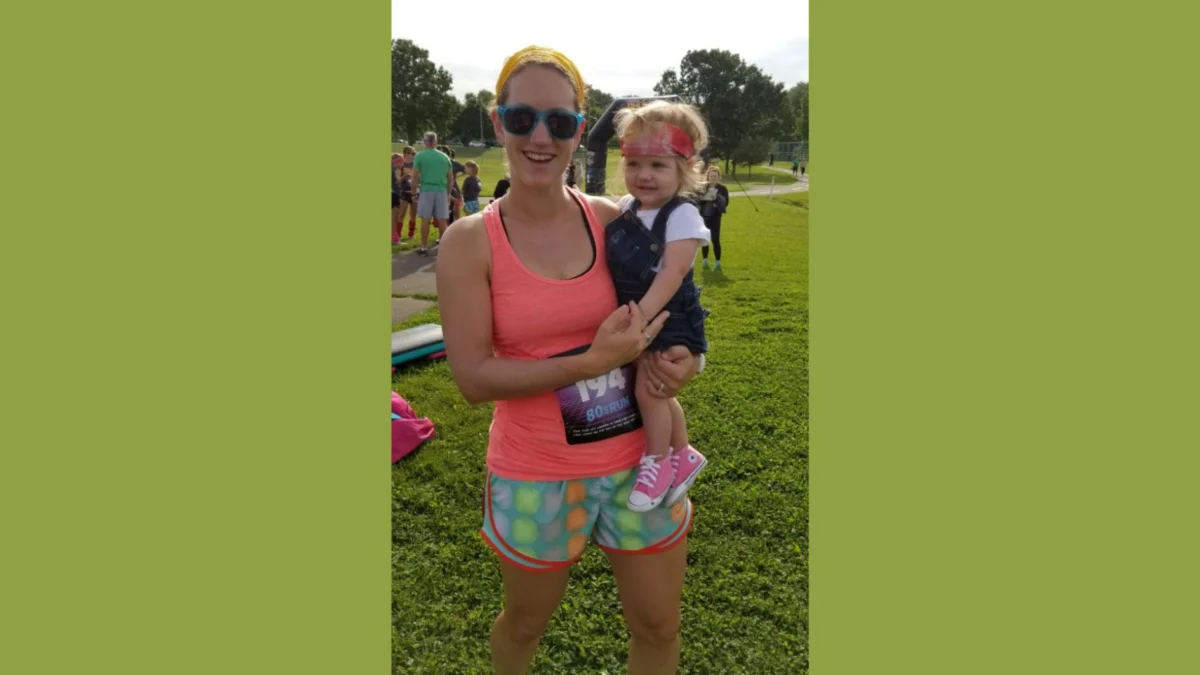
As the city of Duluth prepares to host the annual Grandma’s Marathon, a premier event in the American long-distance running calendar, the focus extends beyond the elite athletes and personal bests to a group of participants running for a cause of national significance. Among the thousands of runners expected to navigate the scenic route along the North Shore of Lake Superior are members of Team CCRF, a fundraising arm of the Children’s Cancer Research Fund (CCRF). This year, the stories of two specific runners, Tim Lapping and Tami Swenson, highlight the intersection of personal resilience, professional expertise in clinical research, and the urgent need for expanded funding in the field of pediatric oncology.
Grandma’s Marathon, which began in 1977 with just 150 participants, has grown into a world-class event that draws over 20,000 runners across its various weekend races. While the event is a significant economic driver for Northern Minnesota, generating millions of dollars in local revenue, it has also become a vital stage for charitable organizations. Team CCRF leverages this visibility to address a critical gap in medical funding: the disparity between adult and pediatric cancer research. According to National Cancer Institute data, pediatric cancer research historically receives only about 4% of the federal budget for cancer research, making private donor-funded initiatives like Team CCRF essential for the development of new therapies.
Professional Experience and Personal Stakes: The Journey of Tim Lapping
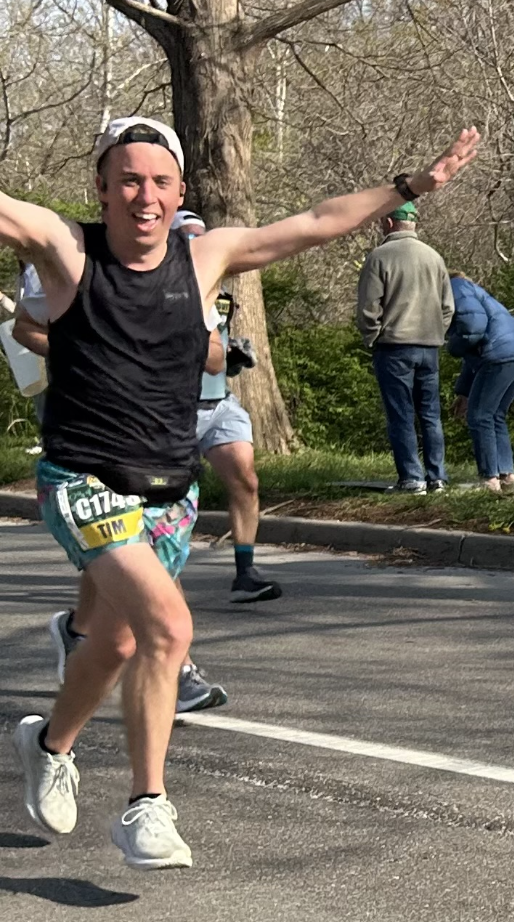
For Tim Lapping, a Kansas City resident making his first trip to Duluth for the marathon, the race represents the culmination of both a professional career and a family’s triumph over illness. Lapping has spent more than a decade working within the clinical research sector, a field dedicated to the rigorous testing and validation of new medical treatments. His work has frequently brought him into contact with oncology studies at local children’s hospitals, providing him with a unique perspective on the mechanics of medical progress.
Lapping’s professional understanding of the "bench-to-bedside" pipeline—the process by which laboratory discoveries become clinical realities—was put to the ultimate test when his nephew was diagnosed with leukemia at the age of four. Leukemia remains the most common form of cancer in children and adolescents, accounting for roughly one out of every three pediatric cancer diagnoses. While survival rates for certain types of pediatric leukemia have seen dramatic improvements over the last several decades, the treatment protocols are often grueling and rely on decades of accumulated research data.
Lapping’s nephew has now been cancer-free for two years, a milestone that Lapping attributes directly to the infrastructure of clinical trials and the donor-funded research that precedes them. This personal connection transformed Lapping’s view of his professional life, leading him to transition from an observer of research to an active fundraiser. By choosing Grandma’s Marathon for his first-ever 26.2-mile challenge, Lapping aims to bridge the gap between the laboratory and the patient. His training regimen, consisting of four dedicated runs per week, is framed not merely as a personal fitness goal but as a symbolic extension of the endurance required by families navigating a cancer diagnosis.
The Resilience of Legacy: Tami Swenson’s Mission for Ada
While Lapping runs to celebrate a survival story, fellow Team CCRF member Tami Swenson runs to honor a legacy of loss and the hope for future prevention. Swenson, a veteran marathoner with more than 15 races completed across California, is participating in Grandma’s Marathon for the first time. Her motivation is rooted in the memory of her daughter, Ada, who passed away in 2023 at the age of five following a 15-month battle with leukemia.
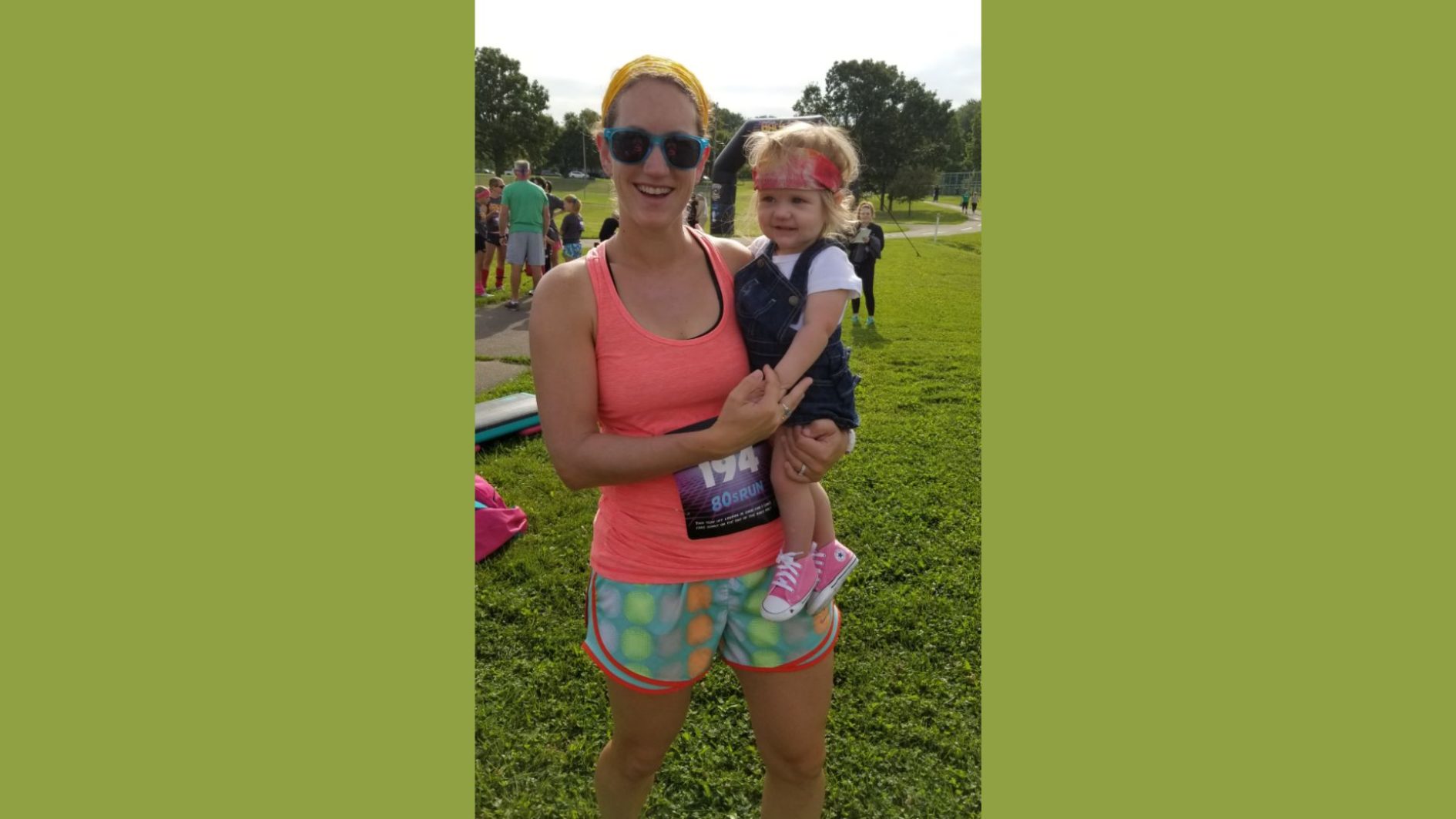
Ada’s medical journey was exhaustive, involving standard chemotherapy, a bone marrow transplant, and participation in two separate clinical trials. Clinical trials are often the final hope for pediatric patients who do not respond to conventional treatments, yet these trials are expensive to operate and require consistent funding to remain viable. Throughout her treatment, Ada became a symbol of resilience within her community, famously riding her bicycle through hospital hallways and finding comfort in a "C.C. Bear," a signature stuffed animal provided by the Children’s Cancer Research Fund to children undergoing treatment.
For Swenson, the transition from the relatively flat coastal courses of California to the rolling terrain of the North Shore serves as a physical manifestation of the grief process. She noted that the difficulty of marathon training often pales in comparison to the challenges faced by children in oncology wards. By joining Team CCRF, Swenson aims to ensure that the clinical trials that were available to Ada continue to evolve, potentially offering better outcomes for future patients. Her participation underscores a critical reality in the pediatric cancer community: even when a life is lost, the data gathered from their treatment and the funding raised in their name contribute to the broader scientific understanding of the disease.
The Critical Role of Private Funding in Pediatric Oncology
The participation of runners like Lapping and Swenson is part of a broader movement to address the funding "bottleneck" in pediatric medicine. While adult cancers receive significant investment from pharmaceutical companies due to the larger market size, pediatric cancers are often classified as "orphan diseases" because of their relatively lower incidence rates. This makes federal and non-profit funding the primary drivers of innovation in the field.
The Children’s Cancer Research Fund focuses its efforts on several key areas:
- Seed Grants: Providing initial funding for young investigators with "high-risk, high-reward" ideas that are too early-stage for federal grants.
- Clinical Trials: Supporting the infrastructure necessary to test new drugs and therapies in a safe, controlled environment.
- Quality of Life Research: Investigating the long-term side effects of cancer treatments, such as heart damage or secondary cancers, which often affect survivors later in life.
Data from the American Cancer Society indicates that while the five-year survival rate for all childhood cancers has risen to approximately 85%, certain types of brain tumors and high-risk leukemias still have much lower success rates. Furthermore, survivors often face lifelong health challenges due to the toxicity of current treatments. The funds raised by Team CCRF at events like Grandma’s Marathon are directed toward finding "kinder" treatments that minimize these long-term impacts.
Chronology of an Iconic Race: Grandma’s Marathon and Its Impact
The selection of Grandma’s Marathon as a venue for Team CCRF is strategic. Since its inception, the race has built a reputation for its "point-to-point" course that starts outside Two Harbors and finishes in Duluth’s Canal Park. The race is celebrated for its cool temperatures and scenic views of Lake Superior, factors that make it a favorite for runners seeking to qualify for the Boston Marathon.
The timeline of the race weekend has expanded significantly over the decades:
- Thursday & Friday: The Essentia Health Fitness Expo serves as the hub for packet pickup and vendor displays, where Team CCRF and other charities engage with the public.
- Friday Evening: The William A. Irvin 5K provides a shorter-distance option for families and casual runners.
- Saturday Morning: The Garry Bjorklund Half Marathon and the full Grandma’s Marathon take place, involving a massive logistical operation including specialized busing for thousands of runners and a volunteer force of over 3,000 people.
The economic impact of the weekend is substantial. In 2023, local officials estimated that the race brought over $20 million in economic activity to the Arrowhead region. However, for the non-profits involved, the "social impact" is the primary metric of success. Charity bibs—entries reserved for those who commit to a specific fundraising goal—have become a staple of the event, allowing organizations like CCRF to secure guaranteed spots for their athletes in a race that typically sells out months in advance.
Broader Implications: The Future of Charity Athletics
The stories of Tim Lapping and Tami Swenson reflect a growing trend in the philanthropic sector: the "athletic fundraiser." This model has proven resilient even during economic fluctuations, as it combines personal health goals with social responsibility. For organizations like the CCRF, these athletes serve as ambassadors who humanize the cold statistics of medical research.
From a sociological perspective, the "Team CCRF" model creates a community of support for those affected by childhood cancer. For Swenson, it provides a space to process her daughter’s death among others who understand the gravity of the cause. For Lapping, it offers a way to utilize his professional knowledge for a tangible, altruistic outcome.
As the race approaches, the focus remains on the starting line in Two Harbors. While the elite field will chase course records and prize money, the members of Team CCRF will be measuring their success in dollars raised and miles completed in honor of those who cannot run. The Children’s Cancer Research Fund continues to invite participants of all skill levels to join their ranks, emphasizing that the fight against pediatric cancer is a marathon, not a sprint—requiring endurance, sustained funding, and a collective commitment to a future where no child dies from the disease.
The 2024 edition of Grandma’s Marathon stands as a testament to the power of community-driven science. Through the efforts of Tim, Tami, and their teammates, the miles covered along the North Shore will contribute to the next generation of breakthroughs, ensuring that more children like Tim’s nephew can celebrate being cancer-free and that the memories of children like Ada continue to fuel the search for a cure.
