
 By admin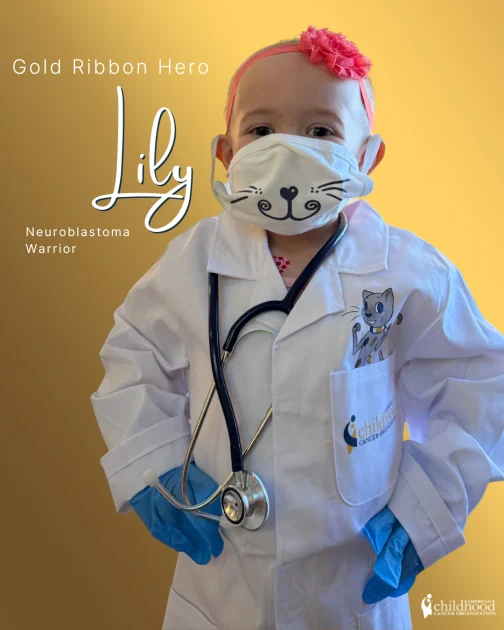
The case of Lily, a two-year-old child who has twice confronted the rigors of high-risk neuroblastoma, underscores the persistent challenges and medical complexities inherent in treating pediatric solid tumors. Diagnosed at just 18 months old, Lily’s journey through the healthcare system serves as a poignant illustration of the intensive protocols required to combat one of the most common and aggressive forms of childhood cancer. Her transition from a successful remission in late 2025 to a sudden relapse involving the central nervous system highlights the volatile nature of the disease and the critical importance of vigilant post-treatment monitoring.
The Initial Diagnosis and Clinical Presentation
In the early stages of her medical history, Lily’s symptoms were deceptively common, mirroring routine pediatric ailments. At 18 months of age, she began experiencing persistent abdominal discomfort. Her family, initially suspecting a gastrointestinal issue such as constipation, sought emergency medical intervention when the pain failed to subside. This clinical decision proved pivotal. Upon arrival at the emergency department, medical staff ordered diagnostic imaging to rule out acute surgical issues.
The results of the imaging were transformative for the family’s trajectory; instead of a routine blockage, the scans revealed a significant mass localized within her abdomen. Subsequent biopsies and staging confirmed a diagnosis of neuroblastoma, a cancer that develops from immature nerve cells found in several areas of the body. Most frequently, neuroblastoma arises in and around the adrenal glands, which have similar origins to nerve cells, but it can also develop in the abdomen, chest, neck, and near the spine.
Understanding Neuroblastoma: A Medical Overview
Neuroblastoma is a complex malignancy that accounts for approximately 7% to 10% of all pediatric cancers in the United States. Despite its relatively low incidence compared to adult cancers, it is responsible for nearly 15% of all pediatric cancer-related deaths, making it a primary focus of oncological research. The disease is characterized by its heterogeneity; in some cases, the tumor may spontaneously regress, while in others—particularly in high-risk cases—it remains stubbornly resistant to conventional therapies.
The staging of neuroblastoma depends on several factors, including the age of the patient, the location of the tumor, and the molecular characteristics of the cancer cells, such as the amplification of the MYCN oncogene. For patients like Lily, who are diagnosed after infancy with large abdominal masses, the treatment protocol is often aggressive, involving a multi-modality approach designed to eradicate microscopic disease and prevent recurrence.
The Intensive Treatment Protocol and First Remission
Following her diagnosis, Lily was enrolled in an intensive treatment regimen that reflects the modern standard of care for high-risk neuroblastoma. This multifaceted approach included:
- Induction Chemotherapy: A series of high-dose chemical agents designed to shrink the primary tumor and eliminate circulating cancer cells throughout the body.
- Surgical Resection: Once the tumor had been sufficiently reduced in size, surgeons performed a procedure to remove the primary abdominal mass.
- Consolidation Therapy (Bone Marrow Transplants): To ensure the elimination of any remaining malignant cells, Lily underwent autologous bone marrow transplants. This involves harvesting the patient’s own healthy stem cells, administering lethal doses of chemotherapy to kill residual cancer, and then reinfusing the stem cells to rescue the immune system.
- Radiation Therapy: Targeted external beam radiation was applied to the site of the original tumor to minimize the risk of local recurrence.
- Immunotherapy: A relatively recent advancement in pediatric oncology, immunotherapy involves the use of monoclonal antibodies (such as dinutuximab) that help the patient’s immune system identify and destroy neuroblastoma cells.
Throughout this grueling process, Lily’s clinical team and family noted her remarkable resilience. Despite the systemic toxicity of the treatments, she maintained a disposition described by her mother as "playful" and "loving." In September 2025, after nearly a year of rigorous intervention, Lily was declared to be in remission, a milestone that offered a brief period of hope and normalcy for her family.
The Challenge of Central Nervous System Relapse
The reprieve of remission was tragically short-lived. Just two months later, in November 2025, Lily began experiencing persistent headaches. Her parents, sensitized to the subtle signs of illness following her previous battle, acted with urgency. Their quick response led to a series of neurological examinations and imaging that revealed a devastating development: the neuroblastoma had relapsed, and this time, the malignancy was located in her brain.
Relapse in the central nervous system (CNS) represents a significant clinical hurdle in neuroblastoma management. While modern treatments have improved the survival rates for abdominal and systemic neuroblastoma, the blood-brain barrier often prevents many standard chemotherapy drugs from reaching the brain in effective concentrations. Consequently, the brain can serve as a "sanctuary site" where dormant cancer cells may survive and eventually proliferate.
Upon the discovery of the relapse, Lily underwent immediate brain surgery to remove the new growth. Following the surgical intervention, her medical team initiated a secondary line of treatment. As of early 2026, Lily is once again undergoing a combination of chemotherapy, immunotherapy, and radiation specifically tailored to target the CNS involvement.
Chronology of Events
- Mid-2024: Lily (18 months old) presents with abdominal pain; imaging reveals a large abdominal mass.
- Late 2024 – Mid-2025: Implementation of the primary treatment protocol, including chemotherapy, surgery, and bone marrow transplants.
- September 2025: Lily completes her initial treatment and is officially declared to be in remission.
- November 2025: New symptoms (headaches) emerge; clinical tests confirm a relapse in the brain.
- Late 2025 – Present: Lily undergoes brain surgery and resumes a multi-modal treatment plan involving chemotherapy, radiation, and immunotherapy.
Supporting Data and Pediatric Cancer Statistics
The trajectory of Lily’s illness highlights several critical data points regarding pediatric cancer. According to the American Cancer Society, while the five-year survival rate for neuroblastoma has improved significantly—from approximately 50% in the 1990s to about 80% today—these figures vary wildly based on risk categories. For children in the "high-risk" group, which often includes those with relapsed disease, the long-term survival rates remain closer to 40% to 50%.
Furthermore, the financial and emotional burden on families is substantial. Research indicates that families of children with cancer face significant "out-of-pocket" expenses, often leading to financial toxicity. Organizations like the American Childhood Cancer Organization (ACCO) emphasize that because pediatric cancers are biologically different from adult cancers, they require specialized research and funding. Currently, pediatric cancer research receives only a small fraction of the total federal funding allocated for cancer research in the United States, a disparity that advocates argue slows the development of less toxic and more effective treatments.
Official Responses and Advocacy
The ACCO, which has documented Lily’s journey, continues to advocate for increased awareness and funding. In a statement accompanying Lily’s story, the organization emphasized the necessity of community support, noting that "kids can’t fight cancer alone." This sentiment is echoed by pediatric oncologists who argue that the success of patients like Lily depends not only on medical technology but also on the robust support systems surrounding the patient.
Lily’s mother has described her daughter as "spicy" and "endlessly inspiring," a testament to the psychological resilience often seen in pediatric patients. Child life specialists and pediatric psychologists note that maintaining a sense of play and personality is a vital component of a child’s ability to navigate the trauma of long-term hospitalization and invasive procedures.
Broader Implications and the Path Forward
The case of Lily serves as a stark reminder of the "relapse gap" in pediatric oncology. While initial remission is a cause for celebration, the high rate of recurrence in high-risk neuroblastoma necessitates a lifelong commitment to monitoring. It also highlights the urgent need for new therapeutic targets. Current research is focusing on molecularly targeted therapies and "vaccine" trials designed to train the immune system to prevent relapse before it occurs.
Moreover, Lily’s story underscores the importance of parental intuition. The rapid discovery of her relapse was due in large part to her parents recognizing that headaches in a toddler who has previously fought cancer are never "just a headache." This proactive approach to healthcare is often the difference between a treatable recurrence and an untreatable progression.
As Lily continues her second battle, her story remains a focal point for the pediatric cancer community. It illustrates the bravery of the youngest patients and the tireless work of the medical professionals dedicated to their care. It also serves as a call to action for continued investment in pediatric-specific medical research, ensuring that future "warriors" have access to the most advanced and effective treatments possible. The goal remains a world where the word "remission" is not a temporary reprieve, but a permanent victory.
