
 By admin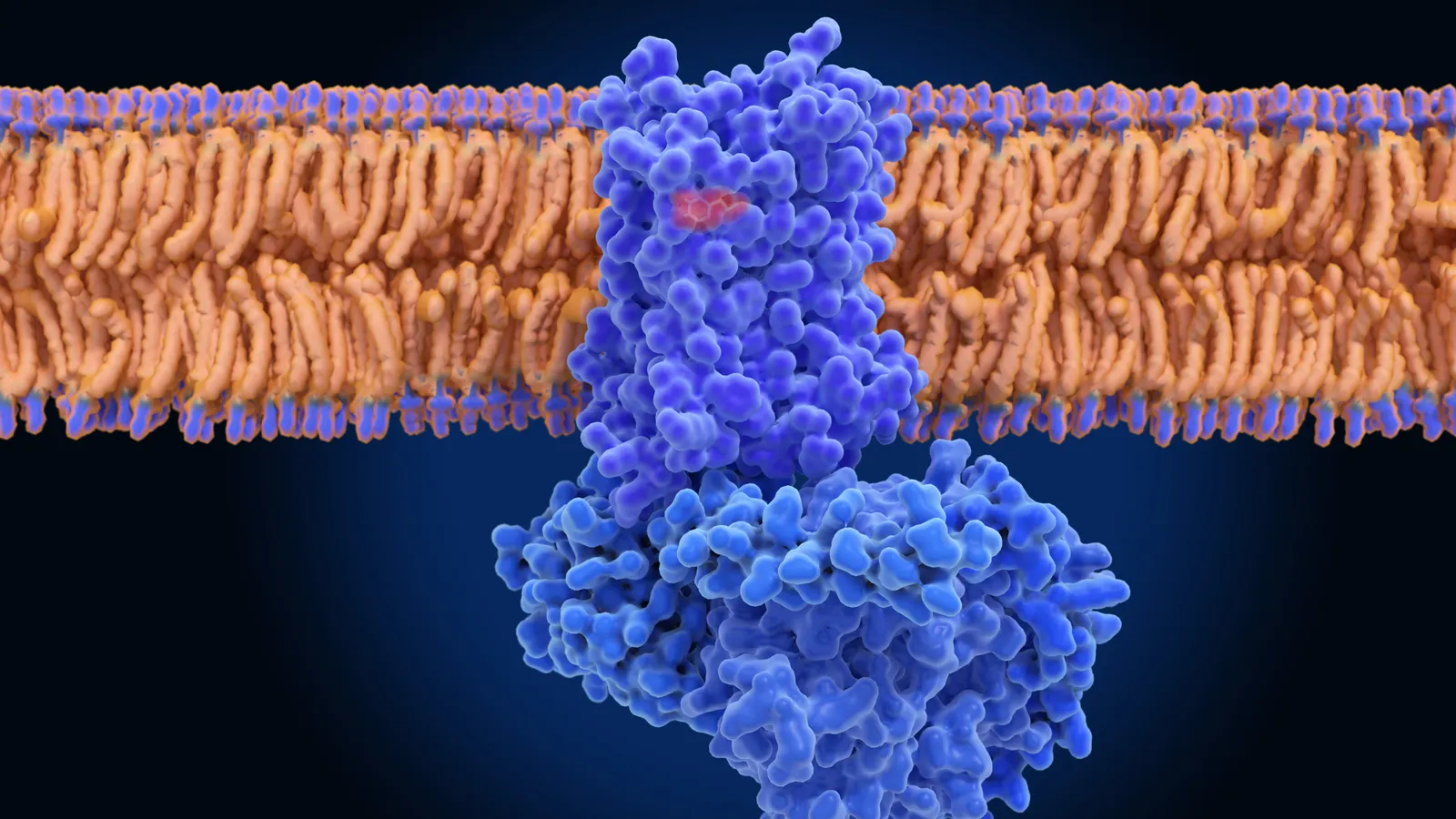
Superluminal Medicines, an emerging biotechnology firm leveraging artificial intelligence for drug discovery, has successfully closed an oversubscribed Series B financing round, raising $60 million. This significant capital infusion, announced on September 3, 2026, is earmarked to accelerate the development of its lead drug candidate, an investigational therapy designed to mimic, and potentially improve upon, the mechanism of action of Rhythm Pharmaceuticals’ Imcivree (setmelanotide) for rare genetic forms of obesity. The funding round signals robust investor confidence in Superluminal’s AI-driven platform and its differentiated approach to targeting G protein-coupled receptors (GPCRs), particularly the melanocortin-4 receptor (MC4R) pathway, which plays a crucial role in appetite regulation and energy expenditure.
A Strategic Capital Injection for Clinical Advancement
The $60 million Series B round was led by BVF Partners, a prominent investor in the biotech sector, and saw participation from a diverse syndicate of both life sciences and technology-focused investors, including RA Capital Management, Nvidia, and Eli Lilly. This diverse investor base underscores the growing convergence of biotechnology and advanced computational methods in drug discovery. With this latest financing, Superluminal Medicines has now amassed a substantial $213 million in venture capital since its inception, demonstrating sustained investor belief in its long-term potential. In addition to the direct investment, the company has also forged a strategic partnership with pharmaceutical giant Eli Lilly, focusing on the identification of novel small molecule drugs for cardiometabolic diseases and broader obesity indications, further validating Superluminal’s platform and scientific capabilities. Nandita Shangari, a managing director at RA Capital, commented on the funding, stating, “Bringing together leading healthcare investors alongside existing strategic and technology partners reflects growing confidence in both the company’s platform and the team’s ability to translate that technology into meaningful clinical programs.” This sentiment highlights the dual appeal of Superluminal: its innovative technology platform and its potential to deliver tangible clinical assets.
Targeting GPCRs and the MC4R Pathway: A Foundation in Biology
Superluminal Medicines specializes in developing drugs that modulate G protein-coupled receptors (GPCRs), a vast and therapeutically significant family of cell surface receptors. GPCRs are integral to virtually every physiological process in the human body, responding to a wide array of stimuli including hormones, neurotransmitters, and light. Their critical roles in cellular communication make them primary targets for approximately 30-40% of all currently marketed drugs, making GPCR modulation a highly competitive yet lucrative area for pharmaceutical innovation. Superluminal’s AI-powered platform is designed to navigate the complexities of GPCR biology, aiming to discover novel ligands with improved selectivity and efficacy.
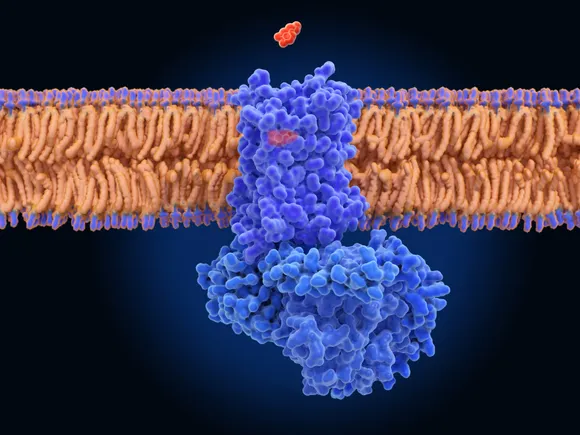
The company’s lead program specifically targets the melanocortin-4 receptor (MC4R), a Class A GPCR predominantly expressed in the hypothalamus, the brain region responsible for controlling hunger, satiety, and energy homeostasis. Activation of MC4R leads to a decrease in appetite and an increase in energy expenditure, making it a highly attractive target for treating obesity and related metabolic disorders. Dysregulation of the MC4R pathway, often due to genetic mutations, is a known cause of severe, early-onset obesity. By developing an MC4R agonist, Superluminal seeks to restore this crucial signaling pathway in patients where it is deficient. The company anticipates initiating human testing for its lead candidate by the end of the year, marking a critical step towards clinical validation.
Addressing Unmet Needs in Rare Genetic Forms of Obesity
Superluminal Medicines’ initial focus for its MC4R agonist is on rare genetic forms of obesity, conditions characterized by severe, unremitting hunger (hyperphagia) and profound weight gain from early childhood. These include Bardet-Biedl syndrome and hypothalamic obesity, for which effective and well-tolerated treatments remain limited.
-
Bardet-Biedl Syndrome (BBS): A rare, ciliopathic genetic disorder affecting multiple organ systems, including the brain, kidneys, eyes, and reproductive organs. A hallmark symptom of BBS is severe hyperphagia and early-onset obesity, significantly impacting patients’ quality of life and long-term health. The genetic basis of BBS is complex, involving mutations in over 20 different genes, many of which are involved in ciliary function, indirectly affecting signaling pathways like MC4R. Current management is largely symptomatic, underscoring the high unmet medical need for targeted therapies.
-
Hypothalamic Obesity: This condition results from damage to the hypothalamus, often due to brain tumors, surgery, radiation therapy, or trauma. The damage disrupts the delicate neural circuits that regulate appetite and energy balance, leading to profound hyperphagia, rapid weight gain, and metabolic dysfunction. Patients often struggle with intractable hunger that cannot be satisfied, making weight management exceptionally challenging.
Beyond these initial indications, Superluminal has ambitions to broaden its therapeutic scope to include Prader-Willi syndrome and even general obesity. Prader-Willi syndrome (PWS) is another complex genetic disorder characterized by insatiable hunger (hyperphagia), developmental delays, and behavioral issues. PWS patients often struggle with life-threatening obesity due to their constant drive to eat. Expanding into general obesity would position Superluminal’s drug alongside or in combination with the burgeoning class of GLP-1 receptor agonists, which have revolutionized the treatment landscape for type 2 diabetes and obesity.
Navigating a Competitive and Challenging Landscape
Superluminal Medicines enters a therapeutic space that is both promising and fiercely competitive, particularly within the MC4R pathway. Rhythm Pharmaceuticals has already established a presence with Imcivree (setmelanotide), an MC4R agonist approved by the U.S. Food and Drug Administration (FDA) for chronic weight management in specific rare genetic conditions that cause obesity, including proopiomelanocortin (POMC) deficiency, proprotein convertase subtilisin/kexin type 1 (PCSK1) deficiency, and leptin receptor (LEPR) deficiency. Imcivree has also shown potential in Prader-Willi syndrome, although it is not yet approved for this indication. While Imcivree represents a significant advancement, it is an injectable medication and its broad applicability is still being explored, leaving room for alternative therapies with potentially improved profiles.

Furthermore, the Prader-Willi syndrome treatment landscape is particularly challenging. Neurocrine Biosciences, through its acquisition of Soleno Therapeutics, now markets Vykat XR, an extended-release formulation of diazoxide, which treats hyperphagia associated with Prader-Willi syndrome. This orally administered drug provides a direct competitor in this specific indication. The history of drug development for Prader-Willi syndrome is also fraught with setbacks, highlighting the complexity of treating this condition. Aardvark Therapeutics, for example, faced an FDA clinical hold on its experimental treatment for Prader-Willi, underscoring the rigorous safety and efficacy standards required. Similarly, Acadia Pharmaceuticals discontinued development of its investigational drug for Prader-Willi after it failed to meet primary objectives in clinical trials. These past failures serve as a cautionary tale, emphasizing that efficacy alone may not be sufficient, and a comprehensive profile encompassing safety, tolerability, and chronic usability is paramount for success.
Superluminal’s Differentiated Approach: Selectivity, Safety, and Oral Convenience
Cony D’Cruz, Superluminal’s CEO, articulated the company’s strategy for differentiation, emphasizing several key advantages of its lead candidate. Foremost among these is the potential for superior selectivity. D’Cruz explained that Superluminal’s prospect is designed to affect only certain signaling pathways downstream of MC4R activation, while leaving others untouched. This selective modulation could translate into an improved safety and tolerability profile compared to less selective MC4R agonists, minimizing off-target effects that often lead to adverse events. Such precision is a direct output of their AI-driven drug discovery platform, which can explore vast chemical spaces and predict compound-receptor interactions with greater accuracy than traditional methods.
Another significant differentiator is the drug’s intended oral administration. Both Rhythm Pharmaceuticals’ Imcivree and Neurocrine Biosciences’ Vykat XR are injectable or orally administered, respectively. Superluminal’s goal to develop a daily oral treatment could significantly enhance patient convenience and adherence, particularly for chronic conditions requiring lifelong management. This ease of use is a critical factor for patient acceptance and long-term compliance, potentially offering a considerable competitive edge.
D’Cruz also acknowledged the valuable lessons learned from the successes and failures of competitors. He noted that while some competitors "are pursuing very different biology from ours," their experiences have provided crucial insights that have helped Superluminal refine its drug design and development strategy. "More broadly, these experiences reinforce our view that efficacy alone is not enough," D’Cruz stated. "To meaningfully improve treatment for patients with rare obesity, we believe a therapy ultimately needs to combine meaningful effects on weight and hyperphagia with a safety and tolerability profile that supports chronic use." This philosophy underpins Superluminal’s development approach, aiming for a holistic therapeutic solution that goes beyond mere symptom alleviation.
The Broader Obesity Market: A Converging Landscape
The broader obesity treatment market is currently experiencing a revolutionary shift, primarily driven by the emergence of GLP-1 receptor agonists like Novo Nordisk’s Wegovy (semaglutide) and Eli Lilly’s Zepbound (tirzepatide). These drugs have demonstrated unprecedented weight loss efficacy in general obesity populations, transforming treatment paradigms and sparking intense competition and investment in metabolic disease research. While Superluminal’s initial focus is on rare genetic forms of obesity, its ambition to potentially expand into general obesity positions it within this rapidly evolving landscape.

Should Superluminal pursue general obesity, its MC4R agonist could be tested as a monotherapy or, more likely, in combination with GLP-1 drugs. Combination therapies are increasingly seen as the future of obesity management, aiming to harness multiple complementary mechanisms of action to achieve greater weight loss and metabolic improvements, potentially overcoming the plateaus often observed with single agents. For patients with rare genetic obesities, an MC4R agonist may offer a more targeted and effective treatment, addressing the underlying genetic defect. For general obesity, it could provide an additional tool, particularly for those who do not respond adequately to GLP-1s or experience intolerable side effects. The partnership with Eli Lilly, a leader in the cardiometabolic space and a major player in GLP-1 development, provides Superluminal with a strategic ally and potential pathway for broader market penetration if its drug proves successful.
Investor Confidence and Future Outlook
The robust Series B funding round, coupled with the strategic partnership with Eli Lilly and the involvement of technology investors like Nvidia, underscores the significant confidence in Superluminal Medicines’ innovative approach. Investors are increasingly seeking companies that combine cutting-edge science with advanced technological platforms to de-risk drug discovery and accelerate development. Superluminal’s AI-driven platform for GPCR targeting positions it at the forefront of this trend.
The successful navigation of early clinical trials will be crucial for Superluminal. Proving the safety, tolerability, and efficacy of its MC4R agonist in humans will be the next major milestone. If successful, the company has the potential to offer a much-needed therapeutic option for patients suffering from severe rare genetic obesities, conditions that have historically lacked effective treatments. Furthermore, the strategic optionality to expand into the broader, multi-billion dollar general obesity market, possibly in combination with existing or future therapies, presents a compelling long-term growth trajectory. The biotechnology community will closely watch Superluminal’s progress as it seeks to translate its scientific innovation into meaningful clinical outcomes, potentially reshaping the landscape of obesity treatment with a new generation of precise and patient-friendly therapies.
