
 By admin
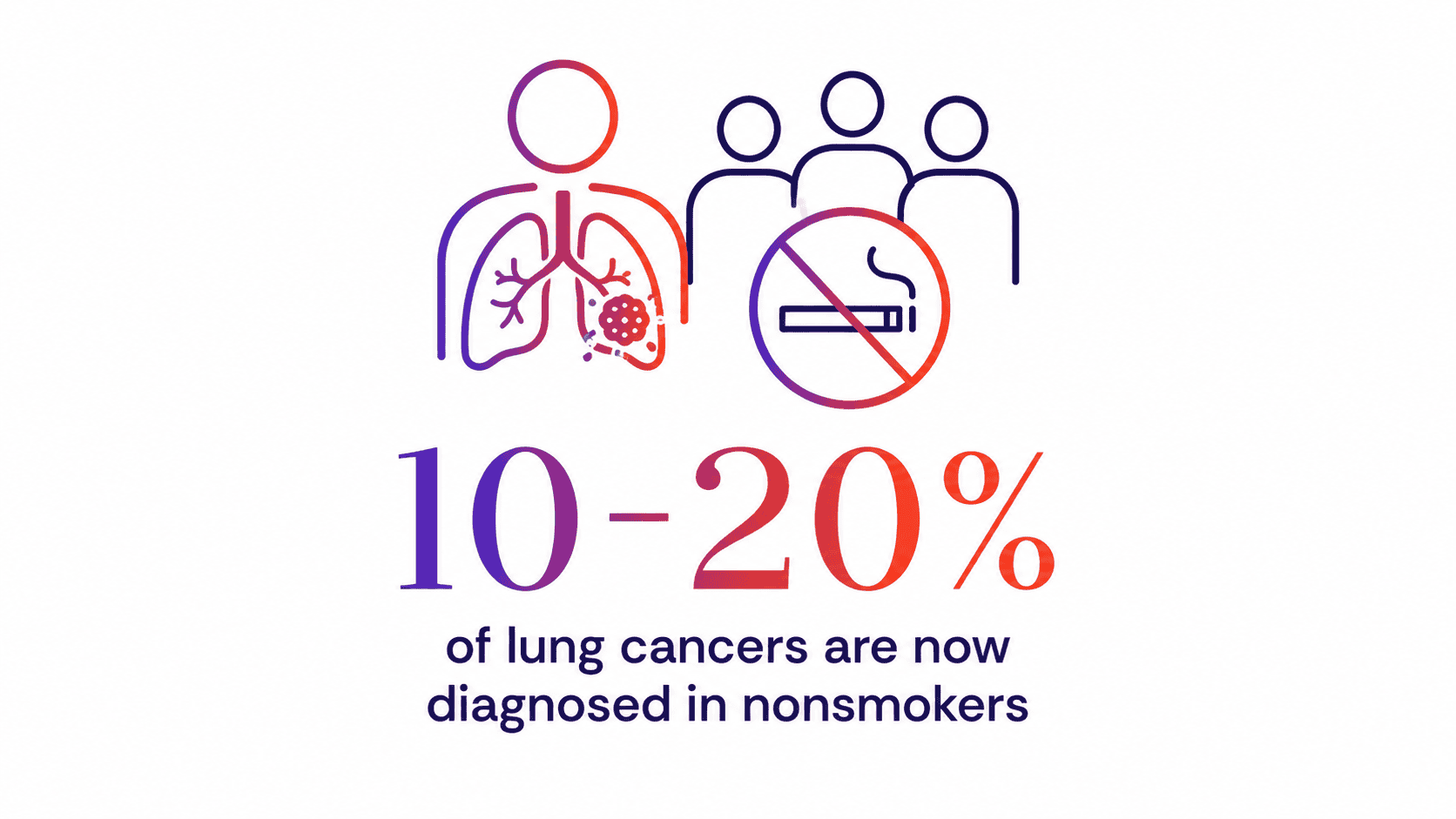
For decades, lung cancer has been inextricably linked to smoking, a perception historically grounded in the stark reality that tobacco use remains its predominant cause worldwide. However, a significant and increasingly recognized shift in the epidemiology of this devastating disease is challenging this long-held association: an estimated 10% to 20% of all lung cancer diagnoses are now occurring in individuals who have never smoked. This growing demographic, often referred to as Lung Cancer in Never-Smokers (LCINS), is prompting a fundamental re-evaluation of its etiology, biology, and treatment strategies, marking it as a distinct and complex disease entity with profound implications for public health and medical research globally.
A Paradigm Shift: Recognizing a Different Disease Profile
The traditional understanding of lung cancer largely centered on older adults with a history of heavy smoking, a group for whom the accumulation of DNA damage from thousands of tobacco-derived carcinogens over years was the primary driver. This historical perspective, while crucial for public health campaigns aimed at smoking cessation, has inadvertently obscured the rising incidence of lung cancer among individuals without this exposure. Researchers and clinicians now firmly categorize LCINS as a biologically distinct illness, characterized by unique genetic drivers, molecular pathways, and, consequently, different optimal treatment approaches.
Unlike smoking-related lung cancers, which typically exhibit a high tumor mutational burden (TMB) due to widespread DNA damage, LCINS tumors often present with a smaller number of specific, "actionable" gene mutations that act as potent oncogenic drivers. These include mutations in genes such as Epidermal Growth Factor Receptor (EGFR), Anaplastic Lymphoma Kinase (ALK), ROS1, BRAF, and MET, among others. The prevalence of these mutations varies geographically and ethnically, with certain mutations being more common in specific populations. For instance, EGFR mutations are notably more frequent in LCINS patients, particularly those of East Asian descent, highlighting a complex interplay of genetic susceptibility and environmental factors. This molecular distinctiveness underscores the necessity for personalized diagnostic and therapeutic strategies tailored specifically to LCINS patients.
Epidemiological Trends and Demographic Insights
The increasing recognition of LCINS is not merely an artifact of improved diagnostic techniques but reflects a genuine rise in incidence, particularly among certain demographics. While exact global figures are challenging to consolidate due to varying data collection methods, major cancer registries worldwide have noted this trend. Approximately two-thirds of LCINS cases are diagnosed in women, a striking gender disparity that has spurred focused research into potential hormonal influences, differential environmental exposures, and specific genetic susceptibilities. Furthermore, women of Asian descent appear to be disproportionately affected, with studies suggesting higher rates of certain driver mutations within these populations, possibly linked to factors such as exposure to indoor air pollution from cooking fumes, coupled with genetic predispositions.
The average age of diagnosis for LCINS patients also tends to be slightly younger than for smokers, and these individuals often present with adenocarcinoma, the most common subtype of non-small cell lung cancer (NSCLC). NSCLC accounts for approximately 85% of all lung cancer cases, and adenocarcinoma is the predominant type observed in never-smokers. In contrast, small cell lung cancer (SCLC), a more aggressive form, maintains a strong and consistent association with heavy cigarette smoking. The rise of LCINS in younger adults, traditionally considered low-risk, presents a significant challenge to existing screening paradigms and public health messaging.
Unraveling the Etiology: A Multifactorial Web of Risk
While the precise reasons behind the global increase in LCINS cases are still under intense investigation, current research points to a complex interplay of environmental exposures, inherited genetic susceptibilities, and acquired gene mutations. It is highly probable that no single cause accounts for the entirety of the rise, but rather a combination of factors acting synergistically.
-
Secondhand Smoke Exposure: Despite significant progress in reducing smoking rates in many developed countries, exposure to secondhand smoke remains a potent carcinogen. Containing over 7,000 chemicals, including at least 70 known carcinogens such as benzene, formaldehyde, and polonium-210, secondhand smoke is far from benign. Even brief or intermittent exposure can damage the delicate cells lining the lungs, initiating DNA alterations that can accumulate over time and lead to cancer. Public health campaigns have successfully reduced direct smoking, but residual exposure in homes, workplaces, and public spaces continues to pose a risk, particularly to vulnerable populations like children and non-smoking adults living with smokers. The World Health Organization (WHO) consistently reiterates that there is no safe level of exposure to secondhand smoke.
-
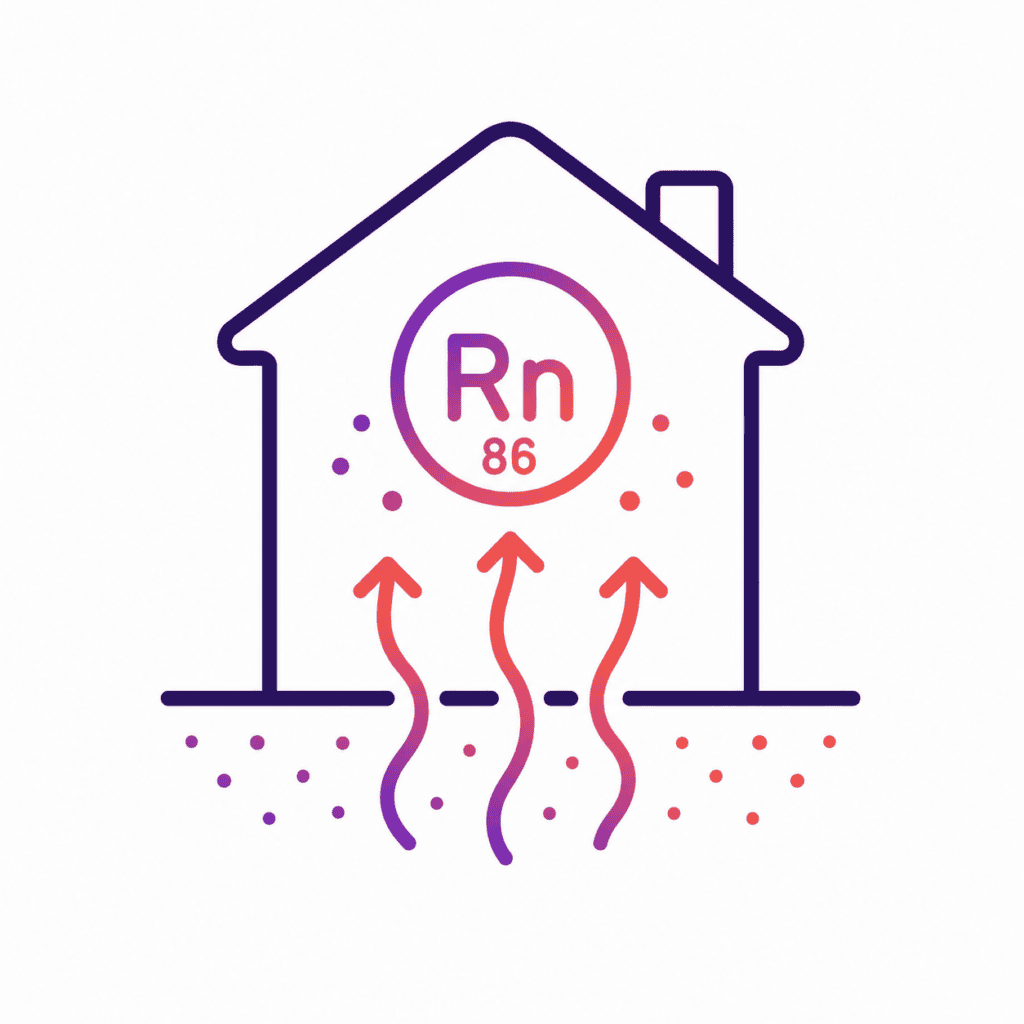
Radon Gas Exposure: Radon is unequivocally the leading cause of lung cancer among never-smokers. This colorless, odorless, and tasteless radioactive gas is a naturally occurring byproduct of the radioactive decay of uranium in soil and rock. It seeps into buildings through cracks in foundations, walls, and openings around pipes, accumulating in indoor environments, especially in basements or poorly ventilated spaces. As radon decays, it releases radioactive particles that, when inhaled, deposit in the airways. These alpha particles bombard lung cells, causing DNA damage and increasing the risk of malignant transformation. The U.S. Environmental Protection Agency (EPA) estimates that radon causes about 21,000 lung cancer deaths per year in the United States, with approximately 2,900 of these occurring among people who have never smoked. Fortunately, radon levels in homes can be measured with inexpensive test kits, and elevated levels can be significantly reduced through mitigation systems installed by certified professionals. Awareness and testing remain critical public health priorities.

-
Ambient Air Pollution: Air pollution, particularly fine particulate matter (PM2.5), is increasingly recognized as a significant environmental carcinogen. These microscopic particles, less than 2.5 micrometers in diameter, are small enough to bypass the body’s natural defenses and travel deep into the respiratory tract, reaching the alveoli. Chronic exposure to PM2.5, derived from sources such as vehicle exhaust, industrial emissions, and burning of fossil fuels, triggers persistent inflammation, oxidative stress, and direct DNA damage within lung cells. Studies have established a strong causal link between long-term exposure to elevated PM2.5 concentrations and an increased risk of developing lung cancer in never-smokers, by promoting new genetic mutations in lung tumors.
The global disparity in air pollution exposure is stark. While the World Health Organization recommends PM2.5 concentrations remain below 5 µg/m³ for optimal health, the average in many industrialized nations, including the U.S. (around 7 µg/m³), frequently exceeds this. In rapidly developing economies like India, average PM2.5 levels can approach 50 µg/m³, with major cities often experiencing concentrations well over 100 µg/m³. This highlights a profound environmental justice issue, where populations in heavily polluted regions bear a disproportionate burden of LCINS.
-
Wildfire Smoke: A burgeoning concern in the context of air pollution is the escalating frequency and intensity of wildfires, a phenomenon exacerbated by climate change. These fires release vast plumes of hazardous smoke laden with extremely high levels of fine particulate matter, along with a complex cocktail of toxic gases and volatile organic compounds. For instance, the summer of 2026 witnessed unprecedented Canadian wildfires that propelled pollution values in the New York City metropolitan area and across vast swathes of the U.S. to over 175 µg/m³, several times higher than even highly polluted urban centers. The long-term health consequences of such acute, widespread, and recurrent exposures to wildfire smoke are only beginning to be understood but are expected to contribute to a range of respiratory illnesses, including a heightened risk of lung cancer. Public health agencies are increasingly issuing air quality advisories and recommending protective measures during these events.
-
Inherited Genetic Susceptibility: Beyond environmental exposures, an individual’s genetic makeup plays a role. Researchers are investigating inherited genetic variations (germline mutations) that may increase an individual’s susceptibility to developing lung cancer even without traditional risk factors. These susceptibilities can influence DNA repair mechanisms, detoxification pathways, or immune responses, making some individuals more vulnerable to the carcinogenic effects of environmental agents.
The Challenges of Early Diagnosis
One of the most critical challenges in improving outcomes for LCINS patients is the difficulty of early diagnosis. Over 70% of all lung cancer cases, including those in never-smokers, are diagnosed at advanced stages. This alarming statistic is primarily due to the insidious nature of early-stage lung tumors, which often produce no discernible symptoms. When symptoms do emerge, they are frequently non-specific and can mimic common respiratory ailments like asthma, allergies, bronchitis, or persistent coughs associated with post-nasal drip.
Current lung cancer screening guidelines, such as those from the U.S. Preventive Services Task Force (USPSTF), recommend annual low-dose computed tomography (LDCT) scans primarily for adults aged 50 to 80 with a significant history of heavy smoking (e.g., 20 pack-years or more) and who currently smoke or have quit within the last 15 years. This targeted approach is based on a risk-benefit analysis, aiming to detect cancers early in the highest-risk group while minimizing false positives, unnecessary procedures, and radiation exposure in lower-risk populations.
However, these guidelines inherently exclude the vast majority of never-smokers and younger adults, who are not traditionally considered high-risk. Consequently, when a never-smoker or a younger individual presents with persistent respiratory symptoms, lung cancer is often not the initial suspicion. This can lead to diagnostic delays, with patients undergoing rounds of antibiotics, allergy treatments, or asthma medications before a definitive diagnosis of lung cancer is made. By this time, the disease may have progressed to a more advanced, less treatable stage, severely impacting prognosis.

Early signs of lung cancer, regardless of smoking status, can include:
- A persistent cough that worsens or does not go away.
- Chest pain, especially with deep breathing, coughing, or laughing.
- Shortness of breath.
- Wheezing.
- Hoarseness.
- Coughing up blood or rust-colored sputum.
- Fatigue and weakness.
- Unexplained weight loss and loss of appetite.
- Recurrent infections such as bronchitis or pneumonia.
- Swelling of the face or neck.
While having one or more of these symptoms does not automatically indicate lung cancer, their persistence for several weeks or worsening over time, particularly without a clear explanation, warrants prompt medical evaluation. Healthcare providers must maintain a heightened index of suspicion for lung cancer in never-smokers, especially given the evolving understanding of the disease’s epidemiology.
Precision Medicine: Tailoring Treatment for LCINS
The recognition of LCINS as a distinct disease has revolutionized its treatment, moving away from a one-size-fits-all approach to highly personalized medicine. Since LCINS tumors frequently harbor specific genetic alterations, molecular profiling (testing the tumor tissue for specific gene mutations) has become an indispensable first step in treatment planning.

-
Targeted Therapies: For LCINS patients whose tumors harbor specific "driver" mutations, targeted therapies represent a groundbreaking advance. These oral medications are designed to precisely inhibit the activity of the mutated proteins that fuel cancer cell growth. For example:
- EGFR inhibitors (e.g., gefitinib, erlotinib, osimertinib) are highly effective for patients with EGFR mutations, which are found in up to 50% of LCINS cases in some populations.
- ALK inhibitors (e.g., crizotinib, alectinib) target tumors with ALK rearrangements.
- ROS1 inhibitors (e.g., crizotinib, entrectinib) are used for tumors with ROS1 fusions.
- Other targeted agents exist for mutations in BRAF, MET, RET, and NTRK genes.
These therapies can lead to dramatic tumor shrinkage and significantly prolong progression-free survival, often with fewer systemic side effects compared to traditional chemotherapy.
-
Immunotherapy: Immunotherapy, particularly checkpoint inhibitors (e.g., pembrolizumab, nivolumab, atezolizumab), works by unleashing the body’s own immune system to recognize and attack cancer cells. While highly effective in many smoking-related lung cancers due to their high tumor mutational burden (which makes tumors "visible" to the immune system), LCINS tumors typically have fewer mutations. This lower mutational burden can make immunotherapy alone less effective for some LCINS patients. However, researchers are actively investigating combination approaches, such as immunotherapy combined with chemotherapy, which have shown improved responses in certain LCINS subgroups. The expression of PD-L1 on tumor cells is also a key biomarker used to guide immunotherapy decisions.
-
Conventional Treatments: Standard treatments like surgery, radiation therapy, and chemotherapy remain vital components of LCINS management, often integrated with targeted or immunotherapies. Surgery is frequently the primary treatment for early-stage LCINS, while radiation therapy can be used pre-operatively, post-operatively, or as a definitive treatment in advanced cases. Chemotherapy is still a cornerstone, particularly when no actionable mutations are found or in combination regimens.
The critical importance of comprehensive molecular testing for all newly diagnosed lung cancer patients, irrespective of smoking history, cannot be overstated. This testing guides treatment selection, allowing oncologists to match the right therapy to the patient’s specific tumor biology.
Global Implications and Future Outlook
The rising incidence of lung cancer in never-smokers poses significant global public health challenges. It necessitates a broader re-evaluation of risk factors, particularly in regions facing high levels of environmental pollution. International collaborations are crucial for pooling data, identifying common genetic predispositions, and understanding the geographic variations in LCINS incidence and molecular profiles.
Future research efforts are focused on several key areas:
- Early Detection: Developing novel screening methods that can identify high-risk never-smokers without the drawbacks of current LDCT guidelines. This includes exploring biomarkers in blood (liquid biopsies), advanced imaging techniques, and artificial intelligence-powered risk assessment models.
- Etiological Research: Further unraveling the precise mechanisms by which environmental factors, genetic susceptibility, and lifestyle choices interact to drive LCINS development. This includes more detailed studies on indoor air pollution, occupational exposures, and the role of the microbiome.
- Treatment Refinement: Continuously developing new targeted therapies for emerging mutations and optimizing combination strategies for immunotherapy to improve response rates and overcome resistance.
- Public Awareness: Launching targeted public health campaigns to educate never-smokers about potential environmental risks (like radon) and to encourage prompt medical consultation for persistent respiratory symptoms, ensuring that lung cancer is considered in differential diagnoses even without a smoking history.
- Policy Changes: Advocating for stricter environmental regulations to reduce air pollution and promoting initiatives for radon testing and mitigation in residential and commercial buildings.
While no individual can entirely eliminate every risk factor for cancer, increased awareness of environmental exposures, proactive radon testing, vigilant monitoring of air quality, and prompt medical evaluation for persistent, unexplained symptoms are crucial steps. As scientists continue to unravel the complex biology of LCINS, each new discovery brings the global community closer to earlier detection, more personalized and effective treatments, and ultimately, improved outcomes for patients affected by this silent epidemic.
