
 By admin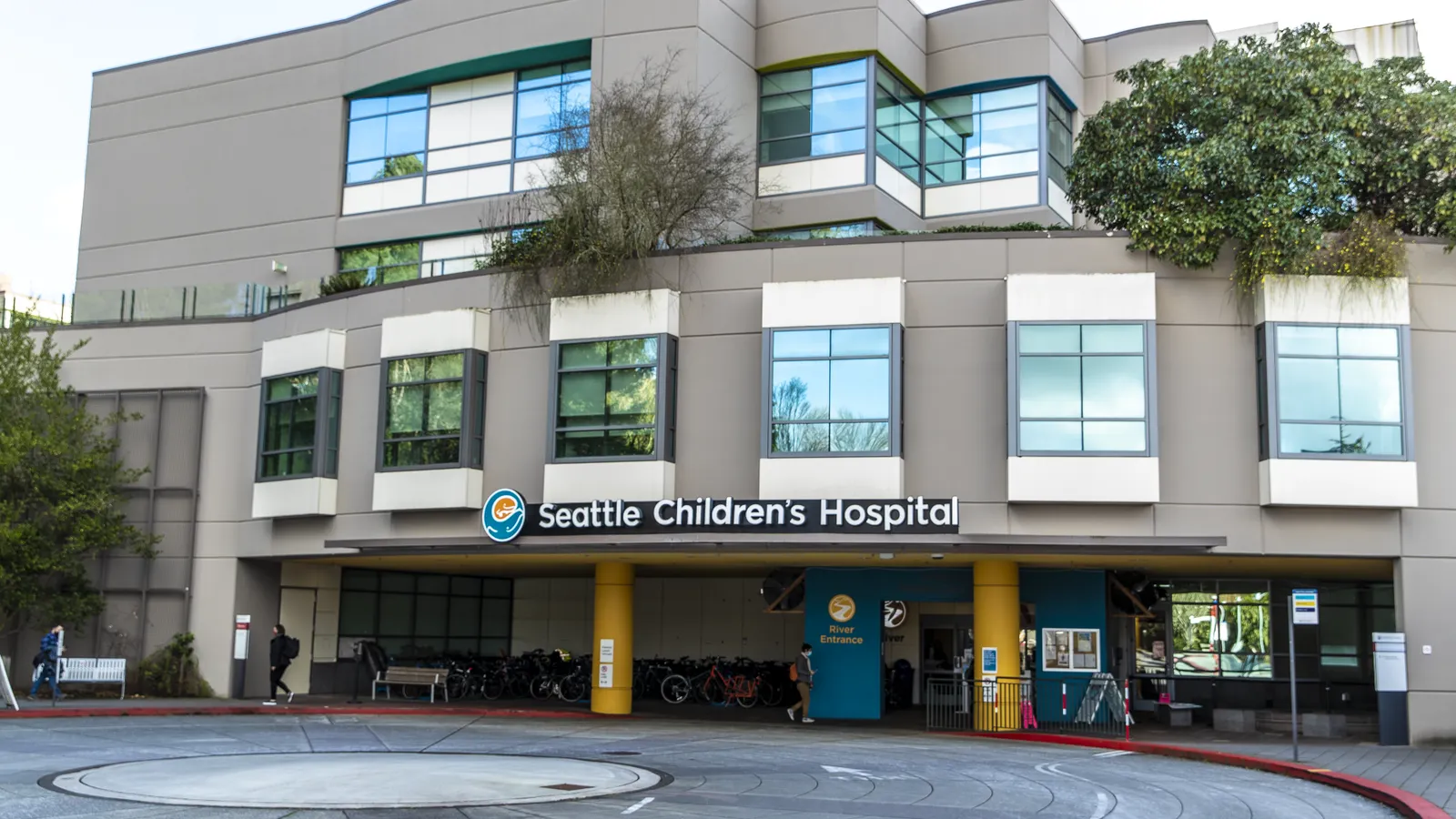
BrainChild Bio, a burgeoning cell therapy developer at the forefront of treating rare and aggressive pediatric brain cancers, has successfully closed a Series A venture financing round, securing an impressive $116 million. The company, which emerged from groundbreaking research at Seattle Children’s Hospital three years prior, made the announcement on Tuesday, September 8, 2026, marking a pivotal moment in its mission to bring innovative CAR-T treatments to children facing devastating diagnoses. This substantial capital infusion is poised to accelerate the development of its lead programs, including a promising therapy currently in mid-stage testing for diffuse intrinsic pontine glioma (DIPG), a notoriously deadly brain stem tumor.
The Funding Round and Its Significance
The $116 million Series A round was led by an unnamed private family fund and foundation, underscoring a blend of philanthropic vision and strategic investment in a high-risk, high-reward therapeutic area. Additional key investors included Seattle Children’s itself and the venture arm of the Washington Research Foundation, signaling continued confidence from its academic roots. This significant financial backing is critical for BrainChild Bio, enabling the company to push its novel CAR-T (Chimeric Antigen Receptor T-cell) therapies through rigorous clinical trials and further expand its research pipeline. In the competitive landscape of biotech funding, securing over $100 million for a company focused on rare pediatric cancers, which often present smaller market opportunities compared to adult malignancies, is a testament to the perceived potential of BrainChild’s science and the urgent unmet medical need it addresses.
Steven Brugger, CEO of BrainChild Bio, articulated the inherent challenges in this specialized field, stating, "Financing pediatric programs is and has always been more challenging. While I understand the business we’re in, it is still so very disappointing to me and [Jensen], and especially for these patients and their families." Despite these hurdles, the success of this funding round highlights a growing recognition among certain investors of the profound impact that innovative therapies can have on children’s lives, even if the patient population is smaller. It represents a significant vote of confidence in BrainChild’s scientific platform and its unique approach to tackling some of the most formidable cancers.
Addressing an Unmet Need: The Scourge of Pediatric Brain Cancers
Brain tumors represent the most common solid tumors in children, and tragically, they are the leading cause of cancer-related death in this demographic. Within this grim reality, diffuse intrinsic pontine glioma (DIPG) stands out as particularly devastating. This highly aggressive brain stem tumor affects approximately 300 children in the U.S. each year, according to the National Cancer Institute. The prognosis for DIPG patients is exceptionally poor, with most children succumbing to the disease within two years of diagnosis. Standard treatments typically involve radiation therapy, and sometimes chemotherapy, but these offer only transient relief and are rarely curative. Surgical resection is often not an option due to the tumor’s location within the brainstem, which controls vital bodily functions. The lack of effective treatments underscores a critical and urgent unmet medical need that BrainChild Bio aims to address.

Another formidable adversary in pediatric neuro-oncology is glioblastoma, though more commonly associated with adults, it also impacts children and adolescents. Glioblastoma is an aggressive form of brain cancer characterized by rapid growth and invasion into surrounding brain tissue, making it extremely difficult to treat. Despite advances in surgery, radiation, and chemotherapy, the median survival for glioblastoma patients remains stubbornly low. BrainChild Bio’s pipeline, targeting both DIPG and glioblastoma, positions it at the forefront of efforts to revolutionize treatment paradigms for these high-mortality pediatric brain cancers.
Pioneering CAR-T in the Brain: A Counter-Intuitive Approach
CAR-T therapies represent a revolutionary class of immunotherapy that harnesses the patient’s own immune cells to fight cancer. T-cells are extracted from the patient, genetically engineered in a lab to express a Chimeric Antigen Receptor (CAR) that specifically recognizes and binds to proteins on cancer cells, then multiplied and reinfused into the patient. While several CAR-T therapies have achieved remarkable success and regulatory approval for certain blood cancers, their application in solid tumors, especially brain cancers, has been fraught with challenges.
One of the primary obstacles has been the "prejudice," as described by BrainChild founder and Chief Scientific Officer Michael Jensen, that "the brain would be intolerant to having cells directly administered." This conventional wisdom stems from concerns about potential neurotoxicity, inflammation, and the general sensitivity of brain tissue to direct cellular interventions. Furthermore, the blood-brain barrier (BBB), a highly selective semi-permeable border that separates the circulating blood from the brain and extracellular fluid in the central nervous system, presents a significant hurdle for systemic drug delivery, including T-cells.
BrainChild Bio, however, has taken a bold and innovative stance, directly challenging this long-held belief. By administering its CAR-T cells directly into the brain, the company aims to bypass the blood-brain barrier and deliver a concentrated dose of therapeutic cells precisely where they are needed most. This localized delivery strategy not only maximizes the therapeutic effect at the tumor site but, counter-intuitively, also leverages the blood-brain barrier as an "ally," as Jensen puts it. The barrier helps to contain the engineered cells within the central nervous system, thereby reducing the risk of systemic side effects commonly associated with CAR-T therapies, such as the potentially life-threatening cytokine release syndrome (CRS) or neurotoxicity that occurs when T-cells activate broadly in the body. This approach represents a paradigm shift, moving beyond the traditional constraints that have limited CAR-T development for solid tumors.
From Bench to Bedside: BrainChild’s Promising Pipeline
BrainChild Bio’s pipeline currently features two leading candidates designed specifically for children with brain cancers.

BCB-276 for Diffuse Intrinsic Pontine Glioma (DIPG):
The most advanced program, BCB-276, is currently in Phase 2 clinical testing for DIPG. This therapy targets a protein called B7-H3, which is known to be overexpressed on a wide range of tumors, including DIPG cells. The overexpression of B7-H3 makes it an attractive target for CAR-T cell recognition and attack. A notable advantage of BCB-276 is that recipients do not require a chemotherapy conditioning regimen prior to treatment, a standard practice for many approved CAR-T therapies. Chemotherapy conditioning, which involves depleting the patient’s existing immune cells, is often necessary to create "space" for the infused CAR-T cells to expand and persist. By circumventing this requirement, BCB-276 potentially offers a less toxic and more accessible treatment option for vulnerable pediatric patients. The ability to avoid chemotherapy conditioning also opens the door for administering multiple doses of the treatment, a strategy that could enhance efficacy and prolong therapeutic response, especially given the aggressive nature of DIPG. The ongoing Phase 2 study for BCB-276 has a primary completion date slated for 2028, according to federal clinical trial databases, indicating a clear path toward potential regulatory approval in the coming years.
BCB-214 for Glioblastoma:
Behind BCB-276 is BCB-214, an experimental treatment currently in preclinical development and poised to commence human testing next year (2027). BCB-214 takes a multi-pronged approach, designed to target not only B7-H3 but also two other proteins that are overexpressed in glioblastoma. This multi-target strategy is crucial for glioblastoma, a highly heterogeneous tumor known for its ability to evade single-target therapies. By attacking multiple antigens simultaneously, BCB-214 aims to reduce the likelihood of tumor escape mechanisms. Michael Jensen highlighted that BCB-214 incorporates specific components engineered to help the re-programmed cells function effectively within the "immunosuppressive" environment characteristic of glioblastomas. Glioblastomas are notorious for creating a microenvironment that actively suppresses immune responses, making it difficult for T-cells to mount an effective attack. The inclusion of these specialized components in BCB-214 underscores BrainChild Bio’s sophisticated understanding of the biological challenges posed by these aggressive brain tumors.
The Genesis: Seattle Children’s Hospital’s Legacy of Innovation
BrainChild Bio’s roots are firmly planted in the rich soil of academic research at Seattle Children’s Hospital, a renowned institution known for its commitment to pediatric health and cutting-edge medical advancements. The company’s spin-out three years ago (late 2023/early 2024) reflects a growing trend in biotechnology where promising academic discoveries are commercialized to accelerate their journey from the lab to patients. Dr. Michael Jensen, a leading figure in pediatric oncology and cell therapy research, serves as both the founder and Chief Scientific Officer, bringing a wealth of expertise and a deep understanding of the unique challenges of treating childhood cancers. This academic-industry collaboration model is vital for translating complex scientific breakthroughs into tangible clinical solutions, especially in niche areas like pediatric rare diseases where traditional pharmaceutical development might shy away due due to market size considerations. The ongoing investment from Seattle Children’s in BrainChild Bio further solidifies this synergistic relationship, ensuring that the foundational research continues to inform and guide the company’s therapeutic development.
Overcoming Investment Hurdles in Pediatric Oncology
The journey of developing treatments for rare pediatric cancers is often fraught with financial challenges. The smaller patient populations mean that the potential market size for such therapies is significantly smaller than for common adult cancers or chronic diseases. This economic reality can make it difficult to attract the substantial venture capital needed to fund lengthy and expensive clinical trials. As CEO Steven Brugger candidly acknowledged, "Financing pediatric programs is and has always been more challenging." This sentiment resonates across the rare disease community, where patient advocacy groups and foundations often play a crucial role in bridging funding gaps.
However, the success of BrainChild Bio’s Series A round demonstrates a shifting paradigm. The involvement of a private family fund and foundation as the lead investor suggests a growing trend of impact investing, where financial returns are sought alongside measurable social or environmental benefits. For diseases like DIPG, where there are virtually no effective treatments, the potential for impact is immense, potentially outweighing purely commercial considerations for certain investors. Furthermore, the innovative nature of BrainChild’s CAR-T platform and its early clinical progress likely provided a compelling case for investment, signaling the potential for a breakthrough therapy that could fundamentally alter the prognosis for these children. The fact that the company has already brought a treatment into Phase 2 testing within three years of its founding is a testament to its operational efficiency and the strength of its underlying science.

Broader Implications for Cell Therapy and Rare Diseases
The success of BrainChild Bio holds broader implications for the field of cell therapy and the development of treatments for rare diseases. Should BrainChild’s unique approach to direct intracranial CAR-T administration prove successful, it could pave the way for other companies to explore similar strategies for various brain tumors and other central nervous system disorders. It challenges the conventional understanding of the brain’s "intolerance" to direct cellular therapies and offers a blueprint for overcoming the formidable blood-brain barrier.
Moreover, this significant funding round for a pediatric rare cancer company could catalyze increased investment and research into other underserved pediatric indications. It highlights the potential for innovative scientific platforms to attract capital, even in markets perceived as financially less lucrative. The advancements made by BrainChild Bio could inspire further academic spin-outs and collaborations, fostering an ecosystem where groundbreaking research is more readily translated into clinical applications for children who desperately need them. This could ultimately lead to a more robust pipeline of therapies for childhood cancers, transforming what are currently often fatal diagnoses into manageable or even curable conditions.
Looking Ahead: Milestones and Future Prospects
With the $116 million Series A funding secured, BrainChild Bio is well-positioned to achieve critical milestones in the coming years. The immediate focus will be on advancing BCB-276 through its ongoing Phase 2 trial for DIPG, with the primary completion date in 2028 being a significant benchmark. Concurrently, the company will be accelerating the preclinical development of BCB-214, preparing for its entry into human testing in 2027. These clinical advancements will provide crucial data on the safety, tolerability, and efficacy of their pioneering CAR-T therapies.
Beyond these immediate goals, BrainChild Bio’s long-term vision likely includes expanding its pipeline to address other types of pediatric brain tumors and potentially exploring the application of its technology in adult brain cancers, leveraging its expertise in overcoming the unique challenges of central nervous system drug delivery. The company’s commitment to innovation, coupled with substantial financial backing and a clear scientific strategy, offers a beacon of hope for children and families grappling with the devastating realities of rare and aggressive brain cancers. The world will be watching closely as BrainChild Bio endeavors to rewrite the narrative for these challenging diseases, one groundbreaking therapy at a time.
