
 By admin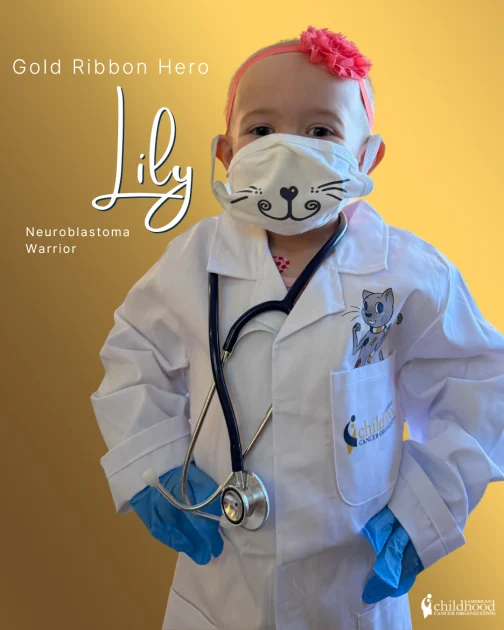
The clinical landscape of pediatric oncology is often defined by a series of rigorous medical interventions and profound personal resilience, a reality currently exemplified by the case of Lily, a two-year-old girl who has twice confronted the challenges of neuroblastoma. Diagnosed at the age of 18 months, Lily’s medical journey underscores the complexities of early-stage detection and the aggressive nature of high-risk neuroblastoma. Her case provides a critical look at the current protocols for pediatric solid tumors and the persistent threat of relapse within the central nervous system, highlighting the urgent need for continued research and support for families navigating the pediatric healthcare system.
Initial Diagnosis and the Challenges of Early Detection
The onset of Lily’s medical challenges began in early 2024 when she was 18 months old. Her family initially sought emergency medical care for what appeared to be routine abdominal distress and symptoms consistent with constipation. This diagnostic starting point is common in pediatric neuroblastoma cases, as the symptoms often mimic more benign gastrointestinal issues. However, upon clinical evaluation and subsequent diagnostic imaging, a large mass was discovered in her abdomen, leading to a definitive diagnosis of neuroblastoma.
Neuroblastoma is a cancer that develops from immature nerve cells found in several areas of the body, most commonly arising in and around the adrenal glands. It is the most frequent extracranial solid tumor in children and accounts for approximately 7% to 10% of all childhood cancers. Because the symptoms are often non-specific—ranging from abdominal pain and swelling to fever and weight loss—early detection remains a significant hurdle in the field of pediatric oncology.
The Intensive Multi-Modal Treatment Protocol
Following her diagnosis, Lily was immediately enrolled in a high-risk treatment protocol designed to combat the aggressive nature of the tumor. The standard of care for high-risk neuroblastoma is among the most intensive in all of medicine, requiring a multi-phased approach to eliminate malignant cells.
Lily’s initial treatment regimen included:
- Induction Chemotherapy: A series of high-dose pharmacological agents intended to shrink the primary tumor and address any metastatic spread.
- Surgical Intervention: Once the tumor had been sufficiently reduced, surgeons worked to remove the primary mass from her abdomen.
- Consolidation Therapy (Bone Marrow Transplant): This phase involves extremely high doses of chemotherapy to kill remaining cancer cells, followed by a rescue of the patient’s immune system through an autologous bone marrow or stem cell transplant.
- Radiation Therapy: Targeted external beam radiation was used to treat the site of the original tumor to minimize the risk of local recurrence.
- Immunotherapy: This advanced biological therapy uses the body’s own immune system to identify and destroy any lingering microscopic cancer cells.
Throughout 2024 and much of 2025, Lily underwent these procedures, showing a level of physical and emotional fortitude that her family describes as "spicy" and "inspiring." In September 2025, after more than a year of intensive therapy, clinical scans indicated that she had reached a state of remission.
The Dynamics of Relapse and Central Nervous System Involvement
The period of remission was unfortunately brief. In November 2025, only two months after completing her initial treatment, Lily began experiencing persistent headaches. Her parents’ rapid response to these new symptoms led to a series of neurological evaluations and imaging. The results confirmed a relapse, with the cancer manifesting this time in her brain.
The recurrence of neuroblastoma in the central nervous system (CNS) presents a distinct set of clinical challenges. Historically, CNS relapse in neuroblastoma was considered rare; however, as systemic treatments for the body have improved, the brain has occasionally served as a "sanctuary site" where cancer cells may evade traditional chemotherapy due to the blood-brain barrier.
The timeline of Lily’s relapse—occurring so soon after a comprehensive treatment cycle—highlights the refractory nature of certain high-risk neuroblastoma subtypes. Medical literature indicates that patients who experience early relapse often require highly specialized salvage therapies and may be candidates for clinical trials exploring new molecular targets.
Current Medical Management and Salvage Therapy
Upon the discovery of the brain metastasis, Lily underwent immediate neurosurgery to remove the tumor. Following the surgical resection, she has returned to a rigorous multi-modal treatment schedule. Her current regimen includes a combination of chemotherapy, immunotherapy, and targeted radiation.
The goal of this secondary phase of treatment is to stabilize the disease while managing the side effects of repeated high-intensity interventions. The pediatric oncology team must balance the necessity of aggressive treatment with the developmental needs of a two-year-old child. According to her mother, despite the physical toll of surgery and ongoing infusions, Lily maintains a playful and loving disposition, a factor that clinicians often note contributes significantly to the quality of life for pediatric patients during long-term hospitalizations.
Supporting Data: The Global Impact of Neuroblastoma
To understand the broader implications of Lily’s case, it is essential to examine the statistical landscape of pediatric cancer. According to data from the American Cancer Society and the National Cancer Institute:
- Approximately 800 new cases of neuroblastoma are diagnosed each year in the United States.
- The median age at diagnosis is 1 to 2 years, placing Lily exactly within the most common demographic for this disease.
- While the five-year survival rate for low- and intermediate-risk neuroblastoma is high (above 90%), the survival rate for high-risk cases remains approximately 50%.
- Relapsed neuroblastoma remains one of the most difficult challenges in pediatric medicine, as the cancer often develops resistance to the drugs used during the initial treatment phase.
The financial and emotional burden on families is equally significant. A study published in the Journal of Clinical Oncology suggests that families of children with high-risk cancer experience significant "financial toxicity," including lost wages and high out-of-pocket costs for travel and specialized care. Organizations like the American Childhood Cancer Organization (ACCO) advocate for increased federal funding to alleviate these burdens and to accelerate the development of less toxic, more effective treatments.
Broader Implications and the Role of Advocacy
Lily’s journey is a microcosm of the larger struggle faced by thousands of families worldwide. It highlights a critical gap in pediatric medicine: while survival rates for many childhood cancers have improved over the last 30 years, the treatment for high-risk neuroblastoma remains exceptionally harsh, often leaving survivors with long-term health complications such as hearing loss, heart issues, or secondary cancers.
The "Gold Ribbon" movement, championed by the ACCO, seeks to bring the same level of public awareness and funding to childhood cancer as that seen in adult oncology sectors. The phrase "Kids can’t fight cancer alone" serves as a reminder that the responsibility for progress lies with the scientific community, policy makers, and the public.
For Lily, the immediate focus remains on her current treatment cycle. Her family and medical team are closely monitoring her response to the new chemotherapy and immunotherapy protocols. The quick action taken by her parents during both the initial diagnosis and the relapse underscores the importance of parental vigilance and the need for medical systems that prioritize rapid diagnostic imaging for pediatric patients presenting with persistent symptoms.
Future Outlook in Pediatric Oncology
The future of neuroblastoma treatment is increasingly focused on precision medicine. Researchers are currently investigating the genetic markers of neuroblastoma, such as MYCN amplification, to develop drugs that target the specific mutations driving tumor growth. For patients like Lily, who experience CNS relapse, new delivery methods—such as liquid biopsies of cerebrospinal fluid and intraventricular chemotherapy—are being explored to better penetrate the brain’s protective barriers.
As Lily continues her battle, her story serves as a testament to the resilience of the human spirit and a call to action for the medical community. The complexity of her case—moving from a successful remission to a rapid brain relapse—illustrates that the fight against pediatric cancer is rarely a straight line. It is a process of constant adaptation, requiring the latest medical technologies and a robust support system to navigate the emotional and physical hurdles of a life-threatening illness.
The American Childhood Cancer Organization continues to provide resources for families in similar situations, offering educational materials and support networks to ensure that no child or family faces these challenges in isolation. As Lily’s treatment progresses, her story will remain a vital part of the ongoing narrative of pediatric oncology, driving home the necessity of innovation and the power of advocacy in the quest for a cure.
