
 By Budi Oetomo Narendra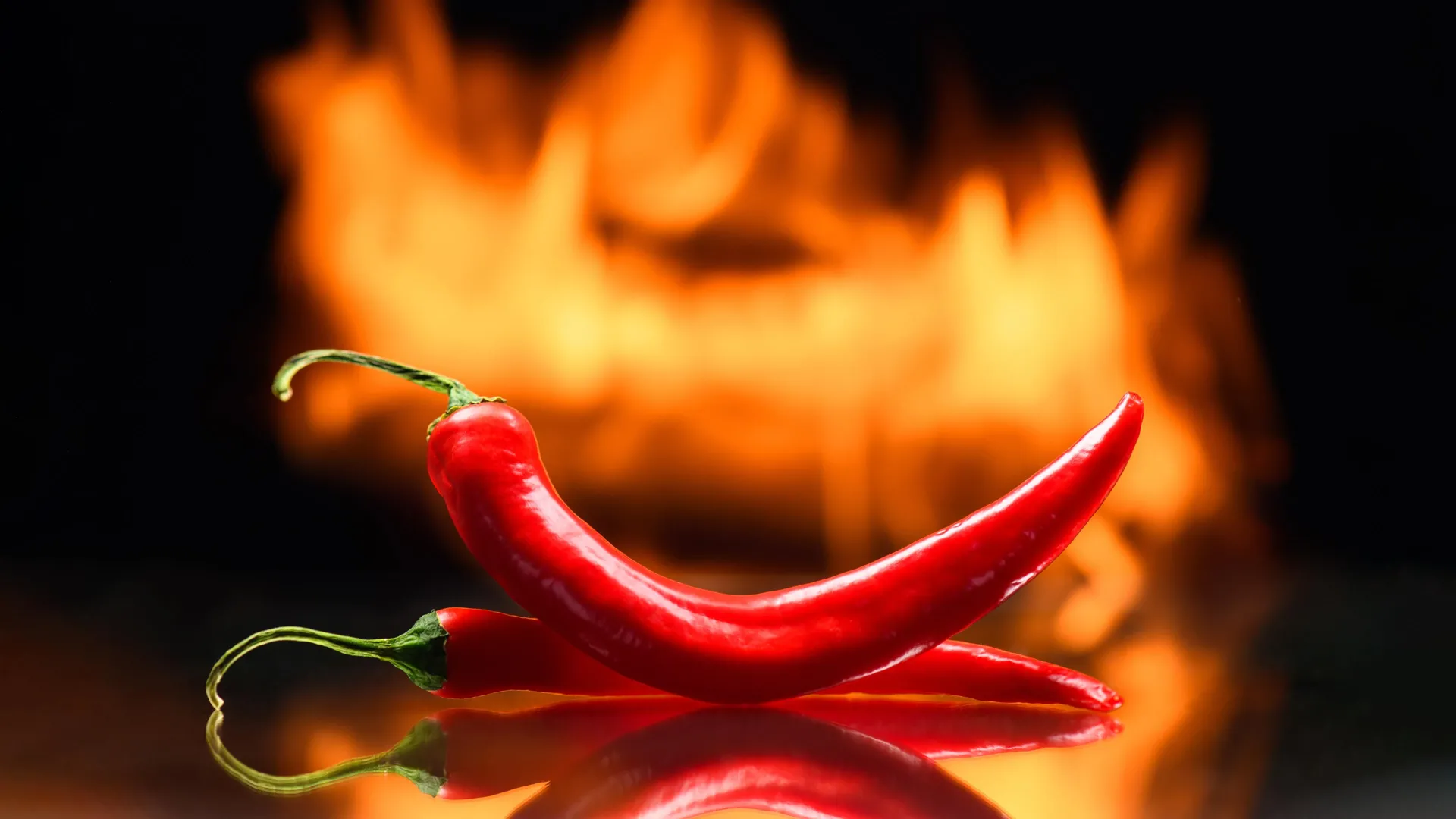
Could eating substantial amounts of chili peppers influence your cancer risk? This question has long been a subject of scientific inquiry and public fascination, with definitive answers remaining elusive. While these piquant fruits are celebrated globally for their distinctive flavor and potential health benefits, a large-scale review published in Frontiers in Nutrition has added a nuanced, and in some aspects, cautionary perspective to the ongoing discourse. The comprehensive analysis suggests that individuals who consume the most chili peppers may face a heightened risk of developing certain gastrointestinal cancers, particularly esophageal cancer. However, researchers are quick to underscore that this association, derived from observational studies, does not establish a direct causal link, emphasizing the critical need for more rigorous, long-term investigations.
The Global Love Affair with Chili Peppers and a Lingering Question
Chili peppers, belonging to the Capsicum genus, are an integral component of daily diets for billions across the globe, defining the culinary landscapes of Asia, Latin America, Africa, and numerous other regions. Their characteristic heat, a sensation often described as a pleasant burn, is primarily attributed to capsaicin, a potent natural compound. Beyond its culinary appeal, capsaicin has garnered considerable scientific interest due to its diverse biological activities, including analgesic, anti-inflammatory, and even potential anti-cancer properties observed in laboratory settings. This dual nature – a widely consumed food item with complex biochemical effects – has fueled a prolonged scientific debate regarding its overall impact on human health, especially concerning chronic diseases like cancer.
Gastrointestinal (GI) cancers, encompassing malignancies of the esophagus, stomach, and colorectum, represent a significant global health burden. Annually, millions are diagnosed with these cancers, which collectively rank among the leading causes of cancer-related mortality worldwide. For instance, in 2020, colorectal cancer was the third most commonly diagnosed cancer and the second leading cause of cancer death globally, while stomach and esophageal cancers also contributed significantly to cancer morbidity and mortality. The insidious nature of many GI cancers, often detected at advanced stages when treatment options are limited, intensifies the scientific community’s quest to identify modifiable dietary and lifestyle factors that could influence risk. It is within this critical public health context that the potential link between chili pepper consumption and GI cancer risk becomes a focal point of research.
Capsaicin: A Compound of Contradictions
At the heart of the chili pepper puzzle lies capsaicin. Its interaction with transient receptor potential vanilloid 1 (TRPV1) receptors, found on nerve cells, is responsible for the burning sensation. Yet, this same molecular pathway is implicated in its potential therapeutic effects. Laboratory studies, utilizing cell cultures and animal models, have demonstrated capsaicin’s ability to induce apoptosis (programmed cell death) in various cancer cell lines, inhibit tumor growth, and reduce inflammation, a known precursor to cancer. These findings have led to explorations of capsaicin as a potential chemopreventive or therapeutic agent in preclinical settings. For example, some studies have shown capsaicin inhibiting the proliferation of prostate, lung, and pancreatic cancer cells in vitro.
However, the scientific narrative surrounding capsaicin is not uniformly positive. Other experimental studies, conducted under different conditions or at varying concentrations, have presented a more complex picture. Some research suggests that capsaicin could, under specific circumstances, promote tumor growth, contribute to chronic tissue irritation, or even act as a co-carcinogen. For instance, high doses or prolonged exposure might lead to cellular damage and inflammation, which, over time, could foster an environment conducive to carcinogenesis. This conflicting evidence highlights the intricate biological pathways involved and the challenges in extrapolating laboratory findings directly to human health outcomes, particularly given the myriad other compounds present in chili peppers and the complexities of human diets. The presence of other non-capsaicinoid compounds like carotenoids, flavonoids, and vitamins in chili peppers further complicates the precise attribution of health effects to capsaicin alone.
The Frontiers in Nutrition Review: Synthesizing the Evidence
Recognizing the fragmented and often contradictory nature of existing research, a team of international researchers undertook a meta-analysis published in Frontiers in Nutrition in late 2022. Their objective was to synthesize data from multiple observational studies to gain a clearer understanding of the relationship between chili pepper intake and gastrointestinal cancer risk. The review meticulously combined data from 14 distinct observational studies, a robust dataset encompassing more than 11,000 participants, including over 5,000 individuals who had been diagnosed with various gastrointestinal cancers. This approach, known as a meta-analysis, is a powerful statistical tool for pooling results from independent studies, thereby increasing statistical power and providing a more precise estimate of an effect than any single study alone.
The findings from this extensive review revealed several compelling associations:
- Overall Gastrointestinal Cancer Risk: Compared to individuals who consumed the least amount of chili peppers, those with the highest intake were approximately 64% more likely to develop gastrointestinal cancers collectively. This substantial increase points towards a potential dose-response relationship, where higher consumption correlates with greater risk.
- Elevated Esophageal Cancer Risk: The most striking and statistically significant association was observed for esophageal cancer. Participants in the highest chili pepper consumption group faced nearly three times (approximately 190% higher) the risk of developing this aggressive cancer compared to those in the lowest intake group. This specific vulnerability of the esophagus suggests unique physiological interactions at play. Esophageal cancer, with its generally poor prognosis, is a particularly concerning finding.
- Less Clear Picture for Other GI Cancers: The relationship between chili pepper consumption and other digestive tract cancers, such as stomach cancer and colorectal cancer, was less definitive. While the analysis did not find a statistically significant increase in the risk of stomach or colorectal cancer, stomach cancer did show a notable trend toward higher risk, estimated to be about 77% higher among heavy chili pepper consumers. However, this difference did not meet the conventional threshold for statistical significance, meaning it could potentially be due to chance. The absence of a clear link for colorectal cancer, in particular, contrasts with some previous hypotheses and underscores the varying impacts across different segments of the GI tract. This suggests that the impact of chili peppers might be highly specific to certain tissues or organs.
Based on these comprehensive findings, the researchers cautiously concluded that the accumulated evidence "suggest[s] that chili pepper is a risk factor for certain GI cancers (e.g., EC)." This statement, while carefully worded to avoid definitive causation, marks a significant contribution to the ongoing debate.
Geographical Variations: A Complex Web of Factors
One of the most intriguing aspects of the review’s findings was the significant variation in results based on geographical region. Studies originating from Asia, Africa, and North America consistently identified higher cancer risks among populations with greater chili pepper consumption. Conversely, studies conducted in Europe and South America either reported no increased risk or, in some instances, even suggested a lower risk. This stark contrast underscores the complexity of dietary epidemiology.
This geographical divergence highlights the multifaceted nature of dietary research and underscores the importance of context. Researchers hypothesize that several interplaying factors could account for these regional differences:
- Average Intake Levels: The sheer quantity of chili peppers consumed varies dramatically across cultures. Populations in regions like parts of India, Mexico, and Thailand, for example, typically consume far greater quantities of chili peppers daily than those in many European countries. The "highest intake" in one region might still be considerably lower than the "moderate intake" in another, making direct comparisons challenging.
- Chili Pepper Varieties and Potency: Different regions cultivate and consume distinct varieties of chili peppers, each with varying levels of capsaicin and other bioactive compounds. For instance, the notorious ghost pepper (Bhut jolokia) from India or the Carolina Reaper possess Scoville Heat Units (SHU) orders of magnitude higher than common jalapeños or bell peppers. The specific chemical profile, beyond just capsaicin, could also play a role.
- Cooking Methods and Preparation: How chili peppers are prepared and consumed also differs. Raw versus cooked, dried versus fresh, inclusion in fermented dishes, or combination with other ingredients can alter the chemical profile and bioavailability of compounds. For example, some traditional methods of drying chilies can lead to mold contamination (e.g., aflatoxins), which are potent carcinogens.
- Genetic Predisposition: Population genetics may play a role in how individuals metabolize capsaicin and other compounds, as well as their susceptibility to chronic inflammation or cancer development. Genetic variations in enzymes involved in detoxification or inflammatory responses could modify risk.
- Lifestyle and Dietary Synergies: Regional diets are complex ecosystems. Other dietary habits (e.g., consumption of highly salted foods, smoked meats, high intake of processed foods, or low intake of protective fruits and vegetables), prevalence of smoking, alcohol consumption patterns, and exposure to environmental carcinogens can all act as confounders or synergistically influence cancer risk. For instance, in some parts of Asia, high chili intake often co-occurs with high salt intake, which is an independent risk factor for stomach cancer. Similarly, the combination of smoking and alcohol is a known strong risk factor for esophageal cancer, and if heavy chili consumption is correlated with these habits in certain regions, it could confound the results.
The researchers explicitly noted that "geographical regions influence the risk of GI cancers," emphasizing that broad, generalized dietary recommendations regarding chili peppers may not be appropriate and that regional specificities must be considered in public health messaging.
Why the Esophagus Appears Uniquely Vulnerable
The particularly strong association found with esophageal cancer warrants closer examination. The esophagus, the muscular tube connecting the throat to the stomach, appears to be disproportionately affected compared to other segments of the digestive tract. Scientists have put forth several hypotheses to explain this specific vulnerability:
- Chronic Irritation and Inflammation: Capsaicin activates TRPV1 receptors, producing the intense burning sensation. Repeated, frequent exposure of the delicate esophageal lining to extremely spicy foods could potentially lead to chronic irritation and inflammation. Chronic inflammation is a well-established precursor to various cancers, as it can damage cellular DNA and promote uncontrolled cell proliferation. Unlike the stomach, which has a protective mucous layer and robust acid-neutralizing mechanisms, the esophagus may be less equipped to handle repeated chemical insults from highly concentrated capsaicin. The constant repair and regeneration stimulated by chronic irritation could increase the chance of cellular errors leading to malignancy.
- Cellular Repair Mechanisms: There might be differences in the speed and efficiency of cellular repair and regeneration throughout the digestive tract. If esophageal cells are slower to repair damage or replace irritated cells compared to, say, stomach or intestinal cells, this could contribute to a cumulative effect of irritation and increased cancer risk over time.
- Direct Contact Time and Exposure: While the esophagus has relatively brief contact time with food, the intensity of the capsaicin during that transit might be more acutely damaging to its lining than to the more robust and chemically adapted linings of the stomach and intestines, where food is processed for much longer periods. The sheer concentration of capsaicin encountered by esophageal cells might be higher and more impactful during the brief passage.
It is crucial to remember that these explanations remain hypotheses, awaiting further empirical validation through dedicated mechanistic studies in humans and animal models. Scientists are exploring biomarkers of inflammation and cellular damage in the esophagus of individuals with high chili consumption to test these theories.
The Bigger Picture: Association Versus Causation
Despite the compelling nature of the findings, medical experts and public health organizations universally caution against oversimplification. A fundamental principle in epidemiology is the distinction between association and causation. Every study included in the Frontiers in Nutrition review was observational, meaning researchers observed patterns and correlations within populations. While these studies are invaluable for generating hypotheses and identifying potential risk factors, they cannot definitively prove that chili peppers themselves cause cancer.
Several critical confounding factors could influence the observed associations:
- Lifestyle Factors: Habits such as smoking, excessive alcohol consumption, and physical inactivity are well-established, independent risk factors for various GI cancers. If heavy chili pepper consumers are also more likely to engage in these behaviors, the chili peppers might be merely correlated with the true underlying causes. For example, smoking and alcohol are synergistically linked to esophageal squamous cell carcinoma.
- Socioeconomic Status: Dietary patterns often correlate with socioeconomic status. Nutritional deficiencies or exposure to other environmental carcinogens linked to specific socioeconomic strata could inadvertently be linked to chili pepper consumption.
- Infections: Certain infections, like Helicobacter pylori (a major risk factor for stomach cancer) or Human Papillomavirus (HPV) in some esophageal cancers, could confound the relationship.
- Overall Dietary Patterns: People who eat a lot of chili peppers may also have other distinct dietary patterns – perhaps diets high in processed foods, low in fruits and vegetables, or high in fermented/salted foods – which could independently influence cancer risk. Isolating the effect of a single food item within a complex human diet is notoriously challenging.
As Dr. Susan Gapstur, vice president of epidemiology at the American Cancer Society, often states in similar contexts, "Observational studies can identify associations, but they can’t prove cause and effect. Many factors influence cancer risk, and it’s difficult to isolate the impact of one food item from a person’s entire diet and lifestyle."
Evolution of Scientific Understanding and Future Directions
The scientific journey into understanding chili peppers and health has been a long one. Initial interest in capsaicin was often driven by its traditional medicinal uses (e.g., pain relief) and its potent effects on pain receptors. Early laboratory research often focused on its potential benefits, leading to a general perception of chili peppers as health-promoting. However, as research methodologies advanced and population-level studies became more sophisticated, the nuances began to emerge. The conflicting in vitro and in vivo findings prompted the need for systematic reviews and meta-analyses to synthesize the growing body of human observational data.
Since the Frontiers in Nutrition review, broader analyses, such as umbrella reviews that synthesize multiple systematic reviews and meta-analyses, have continued to paint a mixed picture. For instance, some evidence points towards potential benefits of spicy foods and capsaicin, including lower risks of cardiovascular disease and premature mortality, suggesting that the compound’s effects are highly context-dependent. Yet, when specifically examining digestive cancers, the evidence remains inconsistent, reinforcing the complexity of the issue.
One of the most significant unanswered questions highlighted by public health researchers and medical professionals, including those at organizations like the World Cancer Research Fund and American Institute for Cancer Research (AICR), pertains to dose-response. It remains unclear whether moderate or occasional chili pepper consumption carries the same potential risks observed among the heaviest consumers. Is there a safe threshold, below which chili peppers are benign or even beneficial, and above which risk begins to accrue? What constitutes "heavy consumption" in a globally applicable sense? These questions are crucial for formulating practical dietary guidelines.
Future research efforts will need to transcend the limitations of observational studies. Large-scale prospective cohort studies, which follow healthy individuals over many years, meticulously tracking their dietary habits and health outcomes, will be vital. These studies, coupled with advanced statistical methods, can help disentangle confounding factors. Furthermore, research focusing on specific genetic predispositions, the microbiome’s role, and the precise molecular mechanisms of capsaicin in human tissues will be essential. Understanding how different chili pepper varieties, preparation methods, and combinations with other foods interact will also provide a more granular picture. Public health bodies will continue to monitor these developments closely to provide updated evidence-based recommendations.
Concluding Thoughts for Consumers
For now, the overarching advice from nutrition and public health experts remains consistent: a balanced, varied diet rich in fruits, vegetables, and whole grains, combined with a healthy lifestyle (avoiding smoking, limiting alcohol, maintaining a healthy weight, and regular physical activity), is the most robust strategy for cancer prevention.
While the Frontiers in Nutrition review offers valuable insights into a potential link between very high chili pepper consumption and certain GI cancers, particularly esophageal cancer, it does not warrant an immediate, widespread cessation of chili pepper intake for the general population. For individuals who are heavy consumers of extremely spicy foods, especially those with other risk factors for GI cancers (such as a family history, smoking, or excessive alcohol use), it may be prudent to discuss these findings with a healthcare provider and consider moderation. Ultimately, the joy of a flavorful meal often comes from variety and balance, and the scientific community continues its work to provide clearer, more definitive answers to these complex dietary questions.
