
 By Suherman Candra Maholtra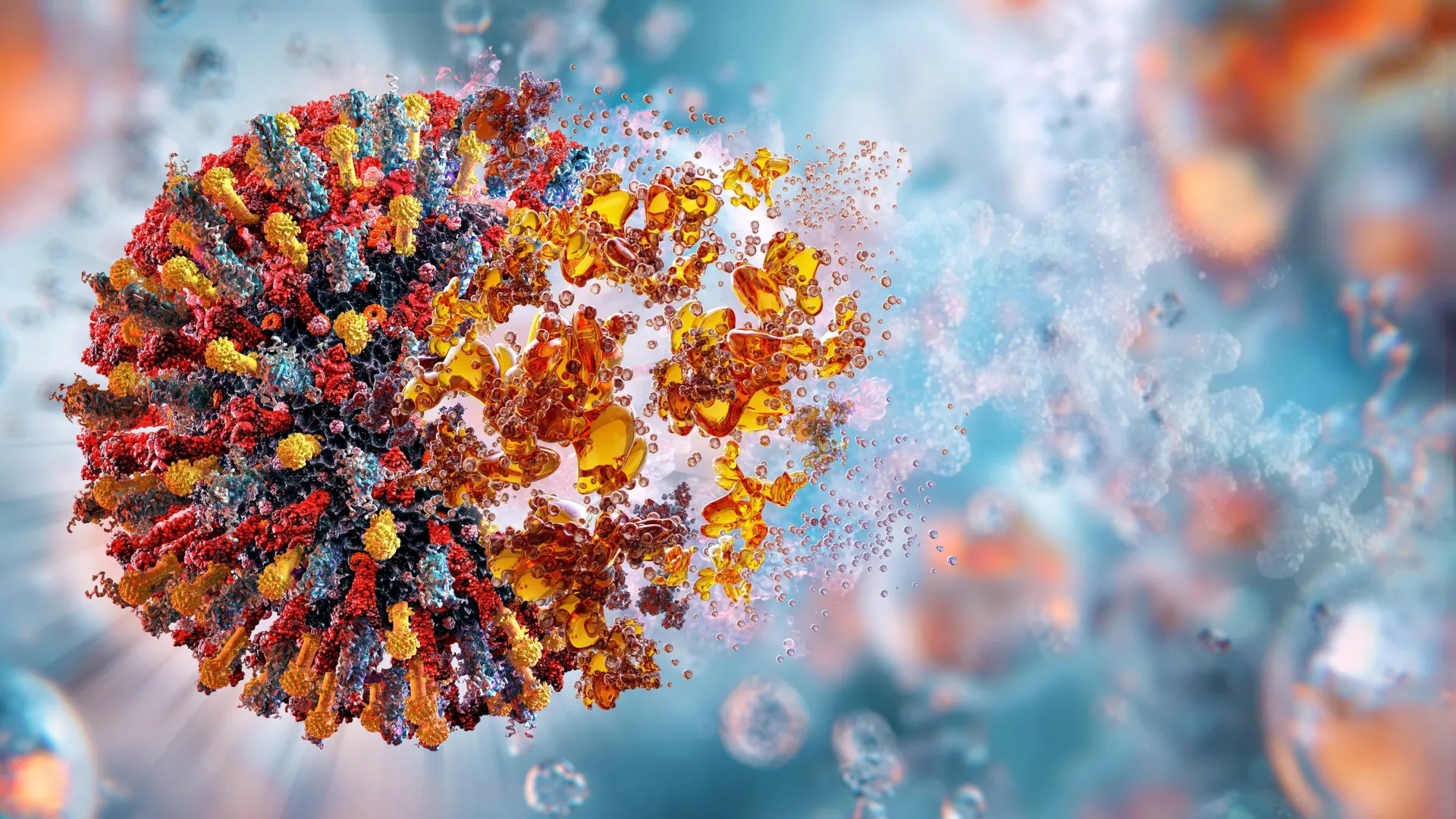
In a significant advancement for the field of oncology and immunotherapy, researchers at the University of Massachusetts Amherst have engineered a nanoparticle-based vaccine capable of preventing the onset of several highly aggressive cancers in animal models. The study, published in the October 9 edition of the journal Cell Reports Medicine, demonstrates that the vaccine can achieve tumor-free survival rates of up to 88% in mice, while simultaneously providing a robust defense against metastasis—the primary cause of cancer-related mortality. The research marks a pivotal shift from treating established tumors to priming the immune system for long-term surveillance and prevention.
The team, led by Prabhani Atukorale, an assistant professor of biomedical engineering in the Riccio College of Engineering at UMass Amherst, focused on three of the most challenging malignancies in modern medicine: melanoma, pancreatic ductal adenocarcinoma, and triple-negative breast cancer. By utilizing a "super adjuvant" nanoparticle delivery system, the researchers were able to activate the innate immune system through multiple pathways, effectively training T cells to recognize and eliminate cancer cells before they could coalesce into detectable tumors.
The Architecture of the Super Adjuvant
At the core of this scientific breakthrough is a sophisticated lipid nanoparticle (LNP) design. Traditional vaccines consist of two primary elements: an antigen, which serves as a molecular "wanted poster" for the immune system, and an adjuvant, a substance that acts as an alarm to trigger an immune response. While many potent adjuvants exist, they are often chemically incompatible, making it difficult to deliver them in a single, stable formulation.
The UMass Amherst team overcame this hurdle by engineering a nanoparticle platform capable of encapsulating and co-delivering two distinct immune adjuvants. This dual-pathway activation mimics the way natural pathogens stimulate the body’s defenses, providing the "danger signals" necessary to transition the immune system from a passive state to an active, predatory state.
"By engineering these nanoparticles to activate the immune system via multi-pathway activation that combines with cancer-specific antigens, we can prevent tumor growth with remarkable survival rates," stated Professor Atukorale. This approach builds upon her previous work, which demonstrated that similar nanoparticles could shrink existing tumors. The new study, however, proves the platform’s efficacy as a prophylactic, or preventative, measure.
Experimental Success Against Melanoma
The first phase of the study utilized a vaccine formulated with well-characterized melanoma peptides. These antigens are specific proteins found on the surface of melanoma cells. When combined with the nanoparticle super adjuvant, the vaccine successfully trained T cells to seek out and destroy cells expressing these proteins.
The results of the melanoma trials were stark. In a controlled experiment, mice were vaccinated and then exposed to melanoma cells three weeks later. Eighty percent of the mice receiving the nanoparticle vaccine remained entirely tumor-free and survived for the duration of the 250-day study. In contrast, every mouse in the control groups—including those that received traditional vaccines, non-nanoparticle formulations, or no treatment at all—developed aggressive tumors and died within 35 days.
Beyond preventing primary tumor growth, the vaccine demonstrated a near-total inhibition of metastasis. In a model designed to mimic the systemic spread of cancer to the lungs, the nanoparticle-vaccinated mice showed no signs of lung tumors. "Metastases across the board is the highest hurdle for cancer," Atukorale noted. "The vast majority of tumor mortality is still due to metastases, and it almost trumps us working in difficult-to-reach cancers, such as melanoma and pancreatic cancer."
Expanding the Scope: Pancreatic and Triple-Negative Breast Cancer
While specific antigens like those used for melanoma are effective, identifying them for every patient or cancer type is a complex and costly process involving deep genome sequencing. To create a more versatile and accessible platform, the researchers tested a second version of the vaccine using tumor lysate—essentially "killed" tumor cells derived directly from the cancer itself. This method provides the immune system with a broad spectrum of potential targets rather than a single protein.
This "lysate" approach was tested against some of the most treatment-resistant forms of cancer. The results showed that 88% of mice exposed to pancreatic cancer cells remained tumor-free. For triple-negative breast cancer—a subtype known for its lack of hormonal receptors and aggressive growth—75% of the mice rejected tumor formation. Additionally, 69% of mice in the melanoma group using the lysate formulation remained healthy.
Griffin Kane, a postdoctoral research associate at UMass Amherst and the study’s first author, emphasized the intensity of the immune response. "The tumor-specific T-cell responses that we are able to generate—that is really the key behind the survival benefit," Kane explained. "There is really intense immune activation when you treat innate immune cells with this formulation, which triggers these cells to present antigens and prime tumor-killing T cells."
The Mechanism of Memory Immunity
A critical component of the vaccine’s success is the creation of "memory immunity." Unlike traditional chemotherapy or targeted therapies that work only as long as the drug is present in the system, immunotherapy trains the immune system to remember the "enemy."
This systemic memory ensures that the body remains vigilant throughout its entire "geography," as Atukorale described it. Once the T cells are primed, they circulate through the blood and lymphatic system, providing a long-term surveillance mechanism that can intercept stray cancer cells years after the initial vaccination. This is particularly vital for preventing recurrence, a common issue in pancreatic and breast cancers where dormant cells can "wake up" and cause a relapse.
Broader Implications and the Path to Clinical Translation
The implications of this research extend far beyond the laboratory. The ability to prevent cancer in high-risk populations—such as those with genetic predispositions (e.g., BRCA mutations) or those with pre-cancerous lesions—could fundamentally change the landscape of oncology.
Recognizing the translational potential of their work, Atukorale and Kane have co-founded a startup called NanoVax Therapeutics. The company aims to move the nanoparticle platform into human clinical trials, focusing on both preventative and therapeutic applications. The researchers are currently taking "de-risking" steps to ensure the technology is safe and scalable for human use.
The success of lipid nanoparticle technology in the COVID-19 mRNA vaccines has already laid the groundwork for public and regulatory acceptance of LNP-based therapies. However, cancer presents a more complex challenge than viral infections because tumors are derived from the body’s own cells, making it difficult for the immune system to distinguish between "self" and "non-self." The UMass Amherst study suggests that the "super adjuvant" approach provides the necessary inflammatory context to overcome this biological hurdle.
Institutional Support and Future Research
The study was a collaborative effort involving the Department of Biomedical Engineering and the Institute for Applied Life Sciences at UMass Amherst, along with the UMass Chan Medical School. The research was supported by funding from the National Institutes of Health (NIH), reflecting the federal interest in advancing next-generation immunotherapies.
Moving forward, the team plans to investigate how this vaccine can be used therapeutically to treat existing, large-scale tumors in combination with other treatments like checkpoint inhibitors. They also aim to further refine the nanoparticle design to minimize potential side effects while maximizing the "training" efficiency of the immune cells.
By simplifying the vaccine production process through the use of tumor lysates and a universal nanoparticle platform, the researchers hope to create a treatment model that can be rapidly adapted for various cancer types and individual patient needs. If the results seen in mice can be replicated in humans, the "super adjuvant" nanoparticle vaccine could become a cornerstone of 21st-century cancer care, shifting the focus from the management of terminal illness to the proactive maintenance of a cancer-free state.
The transition from preclinical success to clinical reality remains a rigorous process, but the UMass Amherst team’s findings provide a robust roadmap for the future of preventative oncology. As Kane noted, the ultimate goal remains clear: "improving patients’ lives" through technology that empowers the body’s own defenses to win the war against cancer before the first battle even begins.
