
 By admin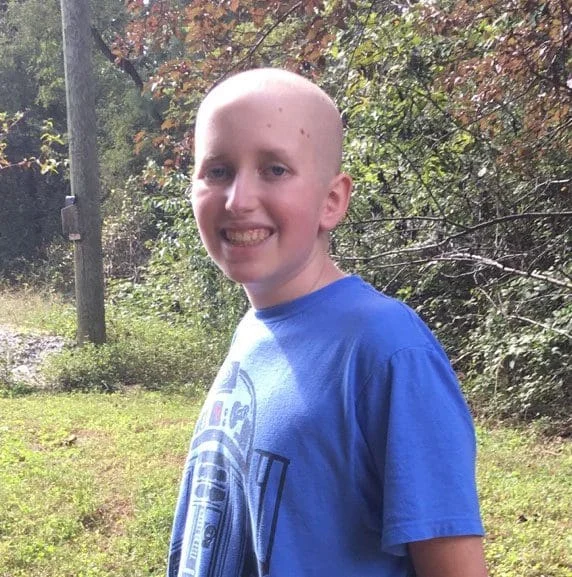
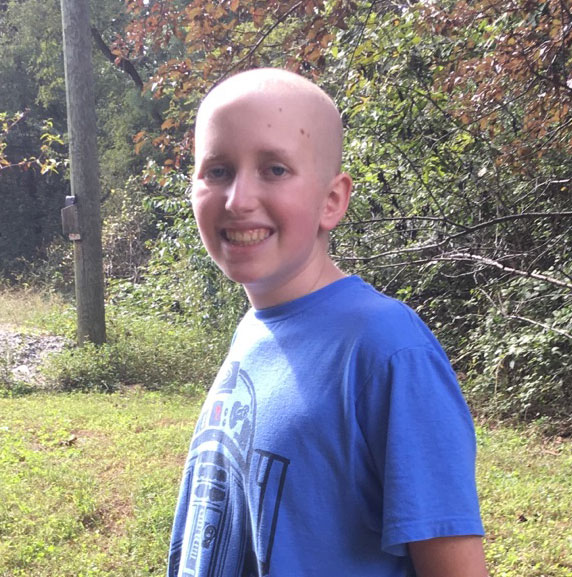
The landscape of pediatric oncology is often defined by a stark dichotomy between the rapid advancement of medical technology and the harrowing, lived reality of the families caught in the crosshairs of aggressive malignancies. Among the most challenging of these diagnoses is pediatric acute myeloid leukemia (AML), specifically when compounded by the FLT3-ITD genetic alteration. The case of Luke Getchell, a 13-year-old from Virginia who was diagnosed with this condition in July 2018, serves as a poignant case study in the limitations of current therapeutic protocols and the critical necessity for less toxic, more targeted interventions. Despite the rigorous application of modern medicine, the trajectory of Luke’s illness—from diagnosis to his untimely passing at age 14—highlights a systemic gap in the ability to treat high-risk pediatric cancers without inflicting catastrophic secondary damage on the patient’s developing body.
The Biological Challenge: Understanding AML and FLT3-ITD
Acute myeloid leukemia is a cancer of the blood and bone marrow, characterized by the overproduction of immature white blood cells. These leukemic blasts crowd out healthy cells, leading to anemia, susceptibility to infection, and easy bleeding. While pediatric AML is less common than acute lymphoblastic leukemia (ALL), it is significantly more difficult to treat, with lower overall survival rates.
The prognosis becomes increasingly grim when the FLT3-ITD mutation is present. FLT3 (FMS-like tyrosine kinase 3) is a gene that plays a vital role in the proliferation and survival of hematopoietic stem cells. The "Internal Tandem Duplication" (ITD) is a specific type of mutation that causes the FLT3 receptor to remain permanently "switched on," signaling the cancer cells to divide uncontrollably. For Luke Getchell, this genetic marker meant that his cancer was not only aggressive but also highly resistant to standard chemotherapy. Medical literature indicates that patients with FLT3-ITD mutations face a higher risk of relapse and lower rates of long-term survival, necessitating the most intensive treatments available—treatments that carry profound risks of toxicity.
A Fourteen-Month Chronology: The Progression of Treatment and Relapse
The medical journey of Luke Getchell began in the summer of 2018. Following his diagnosis in July, he was immediately entered into a grueling regimen of high-dose chemotherapy. The goal of such intensive treatment is to achieve complete remission, yet the collateral damage to the patient’s physiological systems is often severe.
Throughout late 2018 and early 2019, Luke’s clinical course was marked by a series of life-threatening complications. The toxicity of the chemotherapy agents, designed to kill rapidly dividing cells, does not discriminate between malignant blasts and healthy tissue. Luke suffered from a severe colon infection, sepsis—a systemic inflammatory response to infection that can lead to organ failure—and significant heart damage. These secondary health issues are common in pediatric AML patients, as their immune systems are virtually obliterated by treatment.
In February 2019, approximately six months after his initial diagnosis, clinical tests indicated no detectable signs of leukemia. This state of "remission" is the primary objective of frontline therapy, offering families a brief window of respite. However, in Luke’s case, this reprieve lasted only seven days. Within a week of being told he was cancer-free, his blood counts began to fluctuate, and subsequent testing confirmed a rapid and aggressive relapse.
The second phase of Luke’s battle was defined by the diminishing returns of salvage therapy. By September 2019, 14 months into his journey, the cumulative effect of the cancer and its treatment had caused a total systemic breakdown. He developed diabetes as a direct side effect of high-dose prednisone, a steroid used to manage inflammation. He also battled graft-versus-host disease (GVHD), thrush, and severe dermatological issues. The final weeks of Luke’s life saw a rapid decline in neurological and physical function; he lost the ability to walk and, eventually, his sight. On October 20, 2019, Luke Getchell passed away, just 14 months after his initial diagnosis.
The Human Impact and the "Lego-cy" at VCU Health
Beyond the clinical data, the story of Luke Getchell is one of a young life defined by kindness and creativity. Known for his affinity for penguins and his skill in the kitchen—where he frequently hosted "Chopped" style competitions for his family—Luke was a teenager whose personality remained vibrant despite the physical toll of his illness.
His passion for Legos has become a permanent fixture at the Children’s Wonder Tower at VCU Health in Richmond, Virginia. The "Luke’s Lego-cy" display serves as a memorial to his spirit and a reminder of the thousands of children who spend their formative years in hospital corridors. This display also highlights the psychological burden placed on pediatric patients, who must find ways to maintain a sense of childhood while undergoing treatments that are, by any standard, traumatic.
The emotional toll on the family is equally significant. The Getchell family’s experience illustrates the harrowing reality of pediatric oncology: the "calm" facade parents must maintain while witnessing their child suffer from side effects such as bleeding from the eyes or the desperate hope pinned on a single pill. This psychological strain is a byproduct of a medical system that, for many high-risk cancers, still relies on "blunt force" treatments developed decades ago.
The Crisis of Toxicity in Pediatric Oncology
The central conflict in Luke’s story is the toxicity of modern cancer treatment. While survival rates for some pediatric cancers have improved, the methods used to achieve those results often leave survivors with lifelong health challenges. According to the National Cancer Institute, more than 95% of childhood cancer survivors will have a significant health-related issue by the time they are 45 years old, often stemming from the intensity of their initial treatment.
In Luke’s case, the treatment itself contributed to a host of secondary conditions—sepsis, heart damage, and diabetes—that complicated his care and diminished his quality of life. The "cure" for pediatric cancer is often nearly as dangerous as the disease. This reality has fueled a global movement toward "precision medicine," which seeks to target the specific genetic mutations of a tumor without harming the surrounding healthy cells.
Advancing Research: The Role of the Wagenblast Laboratory
To address the shortcomings of current AML treatments, organizations like CureSearch for Children’s Cancer are focusing on funding innovative research that targets the root causes of leukemia. A primary example is the work being conducted by Dr. Elvin Wagenblast at Mount Sinai.
Dr. Wagenblast’s research focuses on the "early steps" of childhood leukemia. By utilizing advanced gene-editing technologies like CRISPR, his team is investigating how and why hematopoietic stem cells transform into leukemic blasts. Understanding the precise molecular triggers that lead to the development of AML in children could allow for the development of "smart" drugs that interrupt these pathways early in the process.
The goal of this research is twofold: first, to increase the efficacy of treatment for high-risk mutations like FLT3-ITD, and second, to reduce the toxicity of the treatment. If researchers can identify the specific vulnerabilities of cancer cells, they can move away from systemic chemotherapy and toward therapies that preserve the patient’s overall health. CureSearch has set a goal of raising $25,000 during Childhood Cancer Awareness Month to support Dr. Wagenblast’s efforts, emphasizing that private funding is often the catalyst for breakthroughs that federal grants may overlook.
The Funding Gap and Broader Implications
The struggle to find better treatments for children like Luke is exacerbated by a significant funding disparity. In the United States, only about 4% of the National Cancer Institute’s annual budget is dedicated specifically to pediatric cancer research. The vast majority of oncology funding is directed toward adult cancers, which are biologically distinct from pediatric malignancies.
Because pediatric cancers are relatively rare compared to adult lung or breast cancers, there is less financial incentive for pharmaceutical companies to develop new drugs specifically for children. This "orphan disease" status means that pediatric oncologists are often forced to use adult drugs "off-label," adjusting dosages based on weight rather than the unique biology of a child’s developing body.
The implications of this funding gap are profound. Without targeted research, the medical community will continue to rely on toxic, outdated protocols that fail to account for the genetic complexities of diseases like FLT3-ITD AML. The advocacy of families like the Getchells and the work of investigators like Dr. Wagenblast represent the front lines of a movement to change the fundamental philosophy of pediatric cancer care from "survival at any cost" to "cure through precision."
Conclusion: A Call for Systematic Change
Luke Getchell’s fourteen-month battle with AML serves as a sobering reminder that for many families, the current standard of care is insufficient. His "Lego-cy" at VCU Health is not just a tribute to a young boy’s hobby; it is a call to action for the scientific and philanthropic communities.
The pursuit of $25,000 for lifesaving research is a small but critical step in a larger effort to ensure that no other child has to endure the "stomach-turning reality" of systemic toxicity and rapid relapse. By focusing on the earliest mechanisms of leukemia, the medical community can move toward a future where a diagnosis of AML is no longer a death sentence, and where the treatment is as compassionate as the care provided by the families who endure it. Childhood Cancer Awareness Month provides a platform for these stories, but the need for sustained, targeted research remains a year-round priority for those seeking to end the devastation of pediatric cancer.
