
 By Suherman Candra Maholtra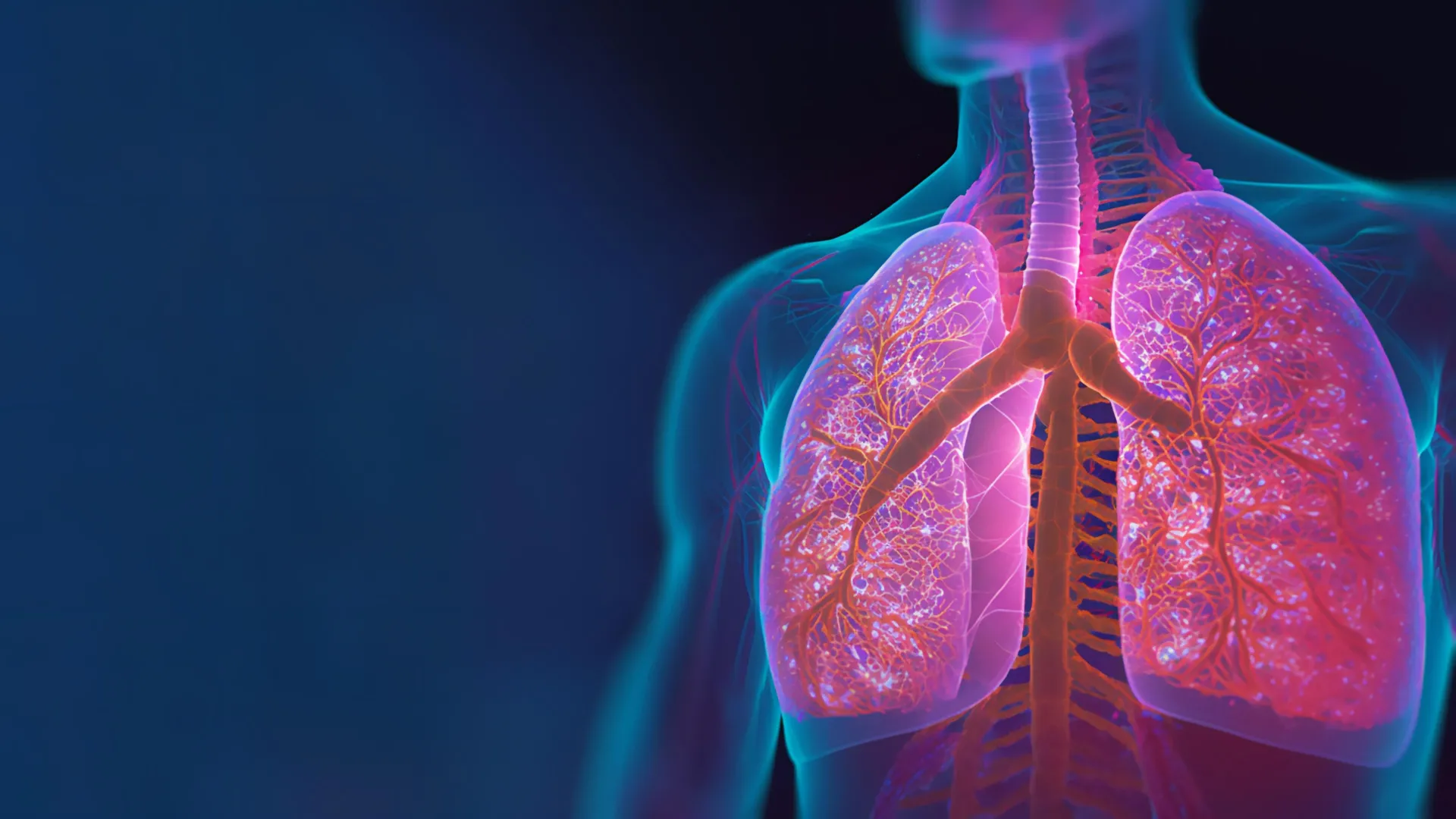
The medical community has long understood that severe respiratory infections like COVID-19 and influenza can cause significant short-term morbidity and mortality. However, groundbreaking research from UVA Health’s Beirne B. Carter Center for Immunology Research and the UVA Comprehensive Cancer Center has revealed a far more persistent and concerning consequence: severe viral infections may fundamentally alter the cellular environment of the lungs, creating a "pro-tumor" landscape that facilitates the development and rapid progression of lung cancer months or even years after the initial illness.
Led by Jie Sun, PhD, a prominent scientist at the UVA School of Medicine, the study highlights a critical link between the immune system’s response to acute injury and long-term oncological risk. The findings, recently published in the prestigious scientific journal Cell, suggest that the "immune scarring" left behind by severe pneumonia or viral distress acts as a catalyst for malignancy. Conversely, the research offers a significant silver lining, demonstrating that prior vaccination remains the most effective tool in preventing these harmful long-term cellular transformations.
The Mechanistic Link Between Infection and Malignancy
To understand how a viral infection could influence cancer risk years later, Dr. Sun and his team conducted a multi-phase study involving both laboratory mouse models and extensive human clinical data. The focus was on how the body repairs the lungs after a catastrophic inflammatory event. When a virus like SARS-CoV-2 or a virulent strain of influenza invades the lower respiratory tract, it triggers a massive immune response. While this response is necessary to clear the virus, in severe cases, it can become dysregulated.
The researchers observed significant behavioral shifts in two specific types of immune cells: neutrophils and macrophages. Under normal circumstances, these cells act as the body’s first line of defense, identifying and destroying pathogens. However, following a severe infection, the researchers found that these cells can enter a persistent, abnormal state. Instead of returning to their baseline "sentry" roles, they continue to produce inflammatory signals that characterize a "pro-tumor" environment.
This chronic inflammatory state essentially prepares the "soil" of the lung tissue, making it easier for "seeds"—potentially cancerous cells—to take root and proliferate. Furthermore, the study identified structural changes in the epithelial cells that line the lungs and the alveoli, the tiny air sacs where oxygen exchange occurs. These damaged cells may lose their regulatory safeguards, becoming more susceptible to the genetic mutations that lead to cancer.
Statistical Evidence: A 24% Increase in Risk
The implications of this cellular shift are not merely theoretical. When the research team analyzed vast datasets of human patients, the statistical correlation was stark. The study revealed that individuals who had been hospitalized with severe COVID-19 experienced a 1.24-fold increase in lung cancer incidence compared to those who did not experience severe infection. This represents a 24% elevation in risk.
Crucially, this increased risk was observed across all demographics, independent of traditional risk factors such as smoking history, age, or pre-existing comorbidities. While smoking remains the leading cause of lung cancer globally, this study suggests that severe viral injury may serve as an independent "hit" to the respiratory system, potentially accelerating the timeline of cancer development in those already at risk or initiating it in those who were not.
"These findings have important immediate implications for how we monitor patients after severe respiratory viral infection," noted Jeffrey Sturek, MD, PhD, a UVA physician-scientist and study collaborator. Dr. Sturek emphasized that just as clinicians use smoking history to trigger routine screenings, a history of severe hospitalization for pneumonia or COVID-19 may soon become a standard metric for determining a patient’s need for enhanced surveillance.
The Role of Vaccination as a Preventative Measure
One of the most vital takeaways from the UVA research is the protective power of vaccines beyond the acute phase of illness. The data showed that individuals who were vaccinated prior to infection did not exhibit the same "pro-tumor" immune remodeling. By preventing the infection from reaching a level of severity that requires hospitalization or causes extensive tissue damage, vaccines effectively block the pathway to long-term lung injury.
The researchers noted that patients who experienced only mild cases of COVID-19—often those with prior immunity from vaccination—actually showed a slight decrease in lung cancer incidence. This suggests that a robust, controlled immune response to a virus might actually provide a form of "immune training" that could potentially help the body recognize and eliminate early-stage cancer cells. However, when the infection becomes "severe" and uncontrolled, that benefit is lost and replaced by the dangerous pro-tumor inflammatory environment.
"The encouraging news is that vaccination largely prevents those harmful changes for cancer growth in the lung," said Dr. Sun. "We believe that vaccines don’t just prevent acute hospitalization after contracting the virus. They may also reduce the long-term fallout of severe infection, including the kind of immune scarring that can increase cancer risk."
A New Paradigm for Post-Viral Clinical Care
With tens of millions of people worldwide having survived severe bouts of COVID-19 since 2020, the clinical community is now facing a massive population that may be at an elevated risk for pulmonary sequelae. The UVA study advocates for a paradigm shift in how "recovery" is defined.
Historically, a patient was considered recovered once they were discharged from the hospital and their viral load was undetectable. However, Dr. Sun’s research suggests that for many, the "recovery" process involves a hidden period of vulnerability. The researchers propose that patients who have survived severe viral pneumonia should be integrated into lung cancer screening programs, similar to the protocols used for long-term smokers.
Current guidelines often recommend annual low-dose CT (LDCT) scans for individuals aged 50 to 80 who have a 20 pack-year smoking history. If the UVA findings are adopted into broader clinical practice, a history of severe COVID-19 or influenza-related respiratory failure could become a secondary criterion for these life-saving screenings. Early detection is the single most important factor in lung cancer survival, and identifying high-risk individuals through their viral history could significantly improve outcomes.
Institutional Context and the Future of Translational Research
The success of this study underscores the importance of interdisciplinary collaboration at institutions like UVA Health. The research was a joint effort between the Beirne B. Carter Center for Immunology Research and the UVA Comprehensive Cancer Center. The latter is one of only 57 centers in the United States to hold the National Cancer Institute’s "comprehensive" designation, a mark of excellence in both clinical care and high-impact research.
Furthermore, the study aligns with the mission of the Paul and Diane Manning Institute of Biotechnology at UVA. The institute is dedicated to accelerating the transition of laboratory discoveries into real-world medical treatments. By identifying the specific immune cells (neutrophils and macrophages) that drive the pro-tumor environment, Dr. Sun’s team has provided a roadmap for future drug development. It may be possible, in the future, to develop therapies that "reset" the immune environment in the lungs after a severe infection, effectively neutralizing the increased cancer risk before a tumor can ever form.
Broader Implications for Global Public Health
The global burden of respiratory viruses is cyclical and persistent. While the acute crisis of the COVID-19 pandemic has subsided, influenza and other forms of viral pneumonia continue to hospitalize millions annually. This research suggests that the public health impact of these seasonal surges may have a "long tail" that has previously gone unrecognized.
The findings also provide a new angle for public health messaging regarding vaccine hesitancy. While much of the debate around vaccination has focused on immediate survival and the prevention of transmission, the UVA study introduces a long-term wellness component: cancer prevention. Framing vaccines as a tool to protect long-term lung health and prevent "immune scarring" could potentially resonate with demographics that are less concerned about the acute symptoms of the flu or COVID-19.
Conclusion and Scientific Publication
The study, titled "Severe respiratory viral infection induces a pro-tumor immune microenvironment in the lung," was a massive undertaking involving a diverse team of researchers including Wei Qian, Xiaoqin Wei, Andrew J. Barros, and many others. The work was supported by numerous grants from the National Institutes of Health (NIH) and various fellowships, reflecting the scientific community’s recognition of the study’s importance.
As the medical world continues to grapple with the long-term effects of the SARS-CoV-2 virus, the work of Dr. Sun and his colleagues at UVA provides a vital piece of the puzzle. It serves as a reminder that the human body is a complex, interconnected system where an injury in one year can dictate health outcomes decades later. By bridging the gap between immunology and oncology, this research paves the way for a more proactive, preventative approach to lung health in the post-pandemic era.
The goal now shifts to clinical implementation. Dr. Sun and his team hope their work will empower primary care physicians and pulmonologists to maintain a high index of suspicion for lung cancer in survivors of severe respiratory distress. Through a combination of increased surveillance, continued promotion of vaccination, and the potential development of targeted anti-inflammatory therapies, the medical community can work to ensure that a severe case of the flu or COVID-19 does not become a death sentence years after the fever has broken.
