
 By Lina carolina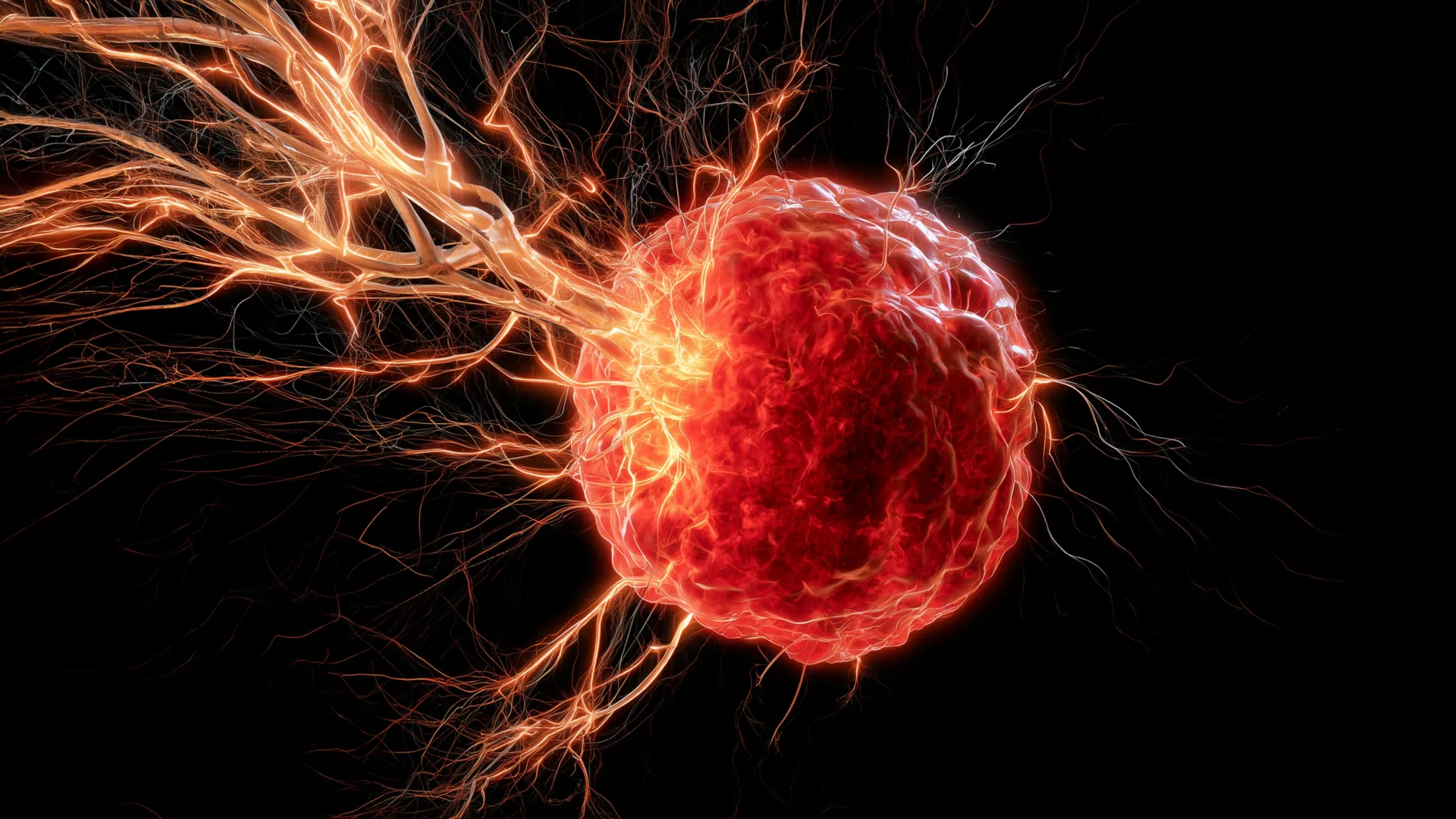
A groundbreaking study from the University of Oklahoma (OU) has illuminated a sophisticated mechanism by which aggressive triple-negative breast cancer manipulates the body’s own immune system, effectively luring nerve fibers into tumorous growths. This intricate biological dance, detailed in the latest issue of the esteemed journal Cell Death & Differentiation, suggests a novel approach to combating a particularly challenging form of cancer by disrupting this neural infiltration.
For years, the presence of extensive nerve networks within solid tumors has been a recognized phenomenon, but the precise pathways by which these nerves establish a presence within the cancerous environment remained largely elusive. This new research not only demystifies this process in the context of triple-negative breast cancer (TNBC) – a subtype notorious for its rapid progression and limited treatment options – but also identifies key players and potential vulnerabilities.
The Immune System’s Unwitting Role in Tumor Neuralization
The OU team’s investigation pinpointed macrophages, a crucial component of the innate immune system, as central to this tumor-promoting neural recruitment. Macrophages are typically tasked with defending the body against pathogens and facilitating tissue repair. However, in the complex microenvironment of TNBC, these immune cells appear to be co-opted by the cancer.
According to the study, macrophages drawn into the tumor initiate a critical signaling cascade. Upon infiltrating the tumor mass, these macrophages release a protein known as brain-derived neurotrophic factor (BDNF). While BDNF is primarily recognized for its vital role in supporting the growth, survival, and function of nerve cells in the central nervous system, the OU researchers discovered that breast cancer tumors can exploit this same signaling molecule to their own advantage.
"Macrophages are the critical source for drawing nerves into the tumor," stated Dr. Maureen Cox, an assistant professor in the Department of Microbiology and Immunology at the OU College of Medicine and a research member of the OU Health Stephenson Cancer Center, who led the study. "Although macrophages typically play a positive role in the body, they are facilitating a negative function in this scenario of breast cancer."
The implication of this finding is profound: by promoting the growth of nerves within the tumor, the cancer establishes an environment that may not only foster its own proliferation but also enhance its resistance to existing therapeutic interventions. This suggests a complex interplay where the immune system, intended to fight disease, inadvertently aids its progression.
Experimental Evidence: Blocking BDNF Halts Tumor Growth in Pre-Clinical Models
The research took a significant step forward by translating these findings into a therapeutic strategy tested in pre-clinical models. Dr. Cox and her colleagues administered a drug designed to block BDNF signaling in mice bearing TNBC tumors. The results were striking: the infiltration of nerves into the tumors was significantly curtailed, and consequently, tumor growth was substantially inhibited.
This experimental success offers a beacon of hope for developing new treatment paradigms. Instead of solely focusing on the direct eradication of cancer cells, future therapies could target the intricate signaling pathways that support tumor survival and progression. The ability to interrupt the dialogue between macrophages and nerves represents a paradigm shift in cancer treatment, moving towards modulating the tumor microenvironment.
"It looks really promising that we can use this drug, which is already on the market, to target BDNF," Dr. Cox remarked. "We believe that the nerves are immunosuppressive, so if we can stop the nerves from growing in the first place, maybe we can boost the immune response to help fight the cancer."
This hypothesis suggests a dual benefit of inhibiting nerve growth: not only does it directly impede tumor development, but it may also reverse the immunosuppressive effects attributed to tumor-associated nerves, thereby re-energizing the patient’s own immune system to mount a more effective anti-cancer response.
Human Data Corroborates Pre-Clinical Findings: A Link to Patient Outcomes
To ascertain the relevance of these observations to human patients, the OU researchers analyzed existing data from individuals diagnosed with triple-negative breast cancer. Their analysis revealed a compelling correlation: tumors exhibiting higher concentrations of both macrophages and BDNF were associated with poorer patient survival rates. This real-world evidence strongly suggests that the mechanism identified in laboratory mice is indeed at play in human TNBC, underscoring the clinical significance of this discovery.
The precise ways in which these tumor-infiltrating nerves contribute to cancer progression are still areas of active investigation. Emerging hypotheses suggest that nerves may play a role in stimulating angiogenesis – the formation of new blood vessels that supply tumors with essential oxygen and nutrients. Furthermore, there is evidence to suggest that cancer cells might utilize nerve pathways as conduits for migration, facilitating the process of metastasis, where cancer spreads to distant parts of the body.
Future Directions: Expanding Therapeutic Strategies to Other Aggressive Cancers
Buoyed by the promising results in TNBC, the OU research team is eager to delve deeper into the functional roles of tumor-associated nerves. Their ongoing research aims to elucidate the exact mechanisms by which nerves promote tumor growth, which could unlock further therapeutic targets.
Looking ahead, the researchers are not limiting their scope to breast cancer alone. They plan to investigate the applicability of their findings and therapeutic strategies to high-grade ovarian cancer, another aggressive malignancy known for its challenging treatment landscape and propensity for resistance. The hope is that by understanding and interrupting the neuralization process, a broader spectrum of aggressive cancers could become more treatable.
"Ultimately, we want to turn the anti-tumor immunity back on in cancer patients so their own immune systems can reject the tumors," Dr. Cox concluded, emphasizing the overarching goal of empowering the body’s natural defenses against cancer.
Background and Context: The Evolving Landscape of Cancer Research
The discovery of how cancer manipulates the immune system and recruits neural components is part of a broader paradigm shift in oncology. For decades, cancer research primarily focused on targeting cancer cells directly through chemotherapy, radiation, and surgery. While these modalities have saved countless lives, their limitations, particularly in aggressive and metastatic cancers, have spurred the exploration of more nuanced therapeutic strategies.
The advent of immunotherapy has revolutionized cancer treatment, demonstrating the power of harnessing the patient’s immune system to fight cancer. However, many cancers, including triple-negative breast cancer, have proven resistant to conventional immunotherapies. This has led researchers to investigate the complex tumor microenvironment – the ecosystem of cells, blood vessels, and signaling molecules that surround and support a tumor.
Triple-negative breast cancer, accounting for approximately 10-15% of all breast cancers, is particularly aggressive and often diagnosed in younger women. It is characterized by the absence of three key receptors: estrogen receptor (ER), progesterone receptor (PR), and human epidermal growth factor receptor 2 (HER2). This lack of specific molecular targets makes it unresponsive to hormone therapies and HER2-targeted drugs, leaving chemotherapy as the primary treatment option, often with significant side effects and a higher risk of recurrence.
The understanding that tumors can actively recruit nerves is a relatively recent development. Historically, nerves were thought to be passive bystanders or merely associated with pain sensation. However, a growing body of evidence suggests that nerves can actively influence tumor growth, vascularization, and even immune suppression. This OU study provides a critical piece of the puzzle by identifying a specific pathway through which this recruitment occurs in TNBC, driven by immune cells and a well-known neurotrophic factor.
Broader Implications and Future Research
The implications of this research extend beyond immediate therapeutic possibilities. It highlights the intricate and often counterintuitive ways in which biological systems can be subverted by disease. Understanding these mechanisms is crucial for developing more effective and personalized cancer treatments.
The fact that a drug already on the market can be repurposed to block BDNF signaling is particularly significant. Drug repurposing can dramatically accelerate the timeline for bringing new therapies to patients, as the safety and pharmacokinetic profiles of these drugs are already well-established. This could lead to faster clinical trials and quicker access to potentially life-saving treatments.
Future research will likely focus on:
- Elucidating the role of nerves in immune suppression: Further investigating how tumor-associated nerves dampen the anti-cancer immune response could lead to combination therapies that simultaneously block nerve growth and enhance immune surveillance.
- Exploring the interaction with other tumor types: The success in TNBC warrants investigation into whether similar mechanisms are at play in other aggressive cancers, such as pancreatic cancer, glioblastoma, and advanced prostate cancer.
- Developing biomarkers: Identifying reliable biomarkers for the presence and activity of tumor-associated nerves could help stratify patients and predict response to targeted therapies.
- Investigating synergistic therapies: Combining BDNF blockade with existing immunotherapies or chemotherapy could yield superior outcomes compared to single-agent treatments.
The research was supported by significant funding from federal agencies and state initiatives, including the National Institute of General Medical Sciences of the NIH, Oklahoma’s Tobacco Settlement Endowment Trust (TSET), and the Oklahoma Shared Clinical and Translational Resources. This collaborative effort underscores the importance of sustained investment in basic science research to address complex medical challenges.
This discovery represents a significant stride in understanding the complex biology of aggressive breast cancer and offers a promising new avenue for therapeutic intervention. By unraveling how cancer hijacks the body’s own systems, scientists are paving the way for more targeted and effective treatments, ultimately aiming to improve outcomes for patients facing the most challenging diagnoses.
