
 By Budi Oetomo Narendra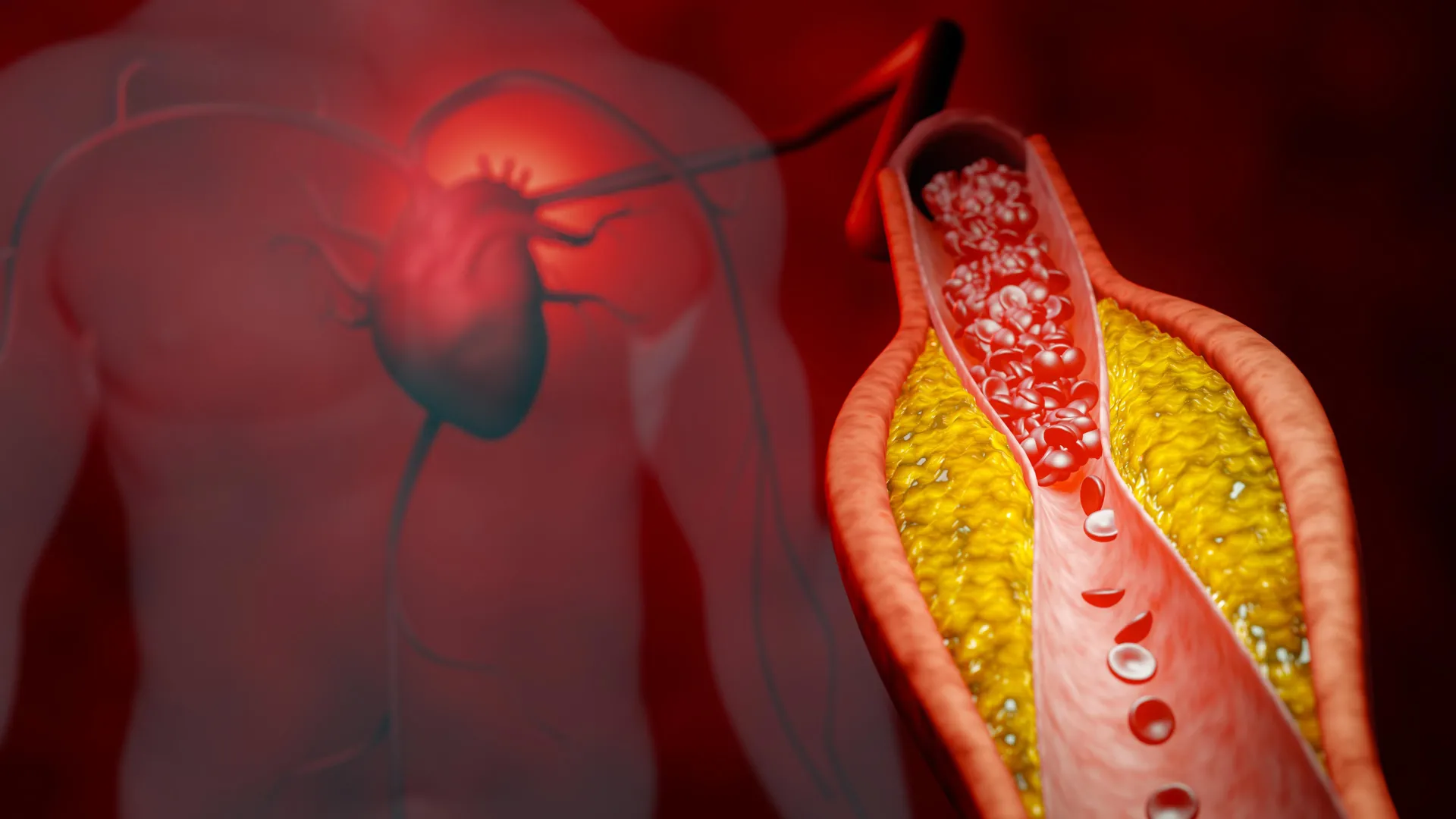
High cholesterol, particularly elevated levels of low-density lipoprotein cholesterol (LDL-C), commonly referred to as "bad" cholesterol, remains a silent yet pervasive threat to global health. It insidiously damages arteries over years, laying the groundwork for atherosclerosis, a condition characterized by the buildup of fatty plaques that can lead to heart attacks, strokes, and other severe cardiovascular problems. Despite significant advancements in medical science, a substantial portion of the population struggles to manage their cholesterol effectively, highlighting an ongoing need for innovative therapeutic strategies. In a significant development, researchers from the University of Barcelona and the University of Oregon have unveiled an experimental strategy that leverages novel DNA molecules to precisely reduce cholesterol levels, presenting a potential paradigm shift in the fight against cardiovascular disease.
The core of this pioneering approach lies in its ability to target PCSK9 (proprotein convertase subtilisin/kexin type 9), a protein that plays a critical role in regulating LDL-C levels in the bloodstream. By effectively suppressing the production of PCSK9, the experimental treatment facilitates the removal of more cholesterol from circulation by cells, thereby mitigating the risk of plaque formation within arterial walls. This method diverges from traditional statin therapies, which primarily work by inhibiting cholesterol synthesis in the liver. Instead, it employs specially designed DNA molecules known as polypurine hairpins (PPRHs) to interfere with specific gene activity, specifically reducing the expression of the PCSK9 gene. The findings, which promise a new avenue for cholesterol management, were recently published in the esteemed journal Biochemical Pharmacology. The collaborative research effort was spearheaded by Professors Carles J. Ciudad and Verónica Noé from the University of Barcelona’s Faculty of Pharmacy and Food Sciences and the Institute of Nanoscience and Nanotechnology (IN2UB), alongside Dr. Nathalie Pamir of the University of Oregon in Portland, United States. This international scientific endeavor received crucial financial backing from the Spanish Ministry of Science, Innovation and Universities (MICINN) and the National Institutes of Health (NIH) of the United States, underscoring the global importance of this research.
Understanding the Silent Threat: Hypercholesterolemia and its Global Burden
Cardiovascular diseases (CVDs) remain the leading cause of death globally, claiming an estimated 17.9 million lives each year, according to the World Health Organization (WHO). High cholesterol is a major modifiable risk factor for CVDs. Elevated LDL-C levels contribute directly to atherosclerosis, where cholesterol and other substances accumulate in the arteries, forming plaques that harden and narrow the blood vessels. This process can reduce blood flow to vital organs, leading to angina, heart attacks, and strokes. The economic burden of CVDs is immense, encompassing healthcare costs, lost productivity, and premature mortality. In the United States alone, heart disease and stroke cost the healthcare system approximately $363 billion annually, a figure that continues to rise. Effective cholesterol management is therefore not just a clinical imperative but also a significant public health and economic priority.
For decades, statins have been the cornerstone of cholesterol-lowering therapy. Drugs like atorvastatin (Lipitor), simvastatin (Zocor), and rosuvastatin (Crestor) have revolutionized the treatment of hypercholesterolemia by inhibiting HMG-CoA reductase, an enzyme critical for cholesterol synthesis in the liver. While highly effective for many patients, statins are not universally tolerated, with potential side effects including muscle pain (myalgia), liver enzyme elevations, and, in rare cases, more severe myopathies. Moreover, some patients do not achieve target LDL-C levels even with maximal statin therapy, or they experience statin intolerance, necessitating alternative or complementary treatments. This clinical gap has driven the search for new mechanisms and therapeutic targets.
PCSK9: A Crucial Regulator in Cholesterol Metabolism
The discovery of PCSK9 and its profound influence on cholesterol metabolism marked a significant breakthrough in cardiovascular medicine over the past two decades. PCSK9, a secreted protein, plays a pivotal role in regulating the number of LDL receptors (LDLRs) on the surface of liver cells. These receptors are essential for capturing LDL cholesterol circulating in the blood and internalizing it for degradation. PCSK9 interferes with this vital process by binding to LDLRs and promoting their degradation within the cell. Consequently, when PCSK9 levels are high, fewer LDL receptors are available on the cell surface to remove cholesterol, leading to an accumulation of LDL-C in the bloodstream and contributing to hypercholesterolemia. Conversely, individuals with naturally occurring mutations that lead to lower PCSK9 activity tend to have significantly reduced LDL-C levels and a substantially lower risk of cardiovascular disease. This compelling evidence established PCSK9 as a prime therapeutic target.
The scientific community swiftly moved to develop therapies that could neutralize PCSK9. The first generation of PCSK9 inhibitors, monoclonal antibodies such as evolocumab (Repatha) and alirocumab (Praluent), gained regulatory approval in 2015. These injectable drugs work by binding directly to PCSK9 in the bloodstream, preventing it from interacting with LDL receptors. While highly effective in lowering LDL-C, often by 50-60% in addition to statin therapy, their high cost and the need for frequent injections (typically every two to four weeks) have limited their widespread adoption. More recently, Inclisiran (Leqvio), an siRNA-based medication, emerged as a second-generation PCSK9 inhibitor. Administered via subcutaneous injection only twice a year after an initial loading dose, Inclisiran works by interfering with the messenger RNA (mRNA) that codes for PCSK9, thus reducing the production of the protein in the liver. This genetic silencing approach represents a more sustained form of PCSK9 inhibition.
The Novelty of Polypurine Hairpins (PPRHs)
The new strategy developed by the University of Barcelona and University of Oregon teams attempts to halt the detrimental PCSK9 process even closer to its source: by directly reducing the expression of the PCSK9 gene itself, at the transcriptional level. This is where polypurine hairpins (PPRHs) enter the picture. PPRHs are short, single-stranded DNA molecules, classified as oligonucleotides, designed with exquisite precision to recognize and bind to very specific DNA or RNA sequences. Their unique hairpin structure allows them to form stable interactions with their target.
In this study, the researchers specifically designed PPRHs to interfere with gene transcription. Transcription is the fundamental biological process by which cells create RNA copies from DNA instructions, serving as the first step in gene expression. By binding to the PCSK9 gene’s DNA sequence, PPRHs can disrupt the activity of RNA polymerase – the enzyme responsible for synthesizing RNA – or prevent transcription factors from attaching to the DNA, effectively "silencing" the gene’s ability to produce PCSK9 mRNA. This contrasts with siRNA-based therapies like Inclisiran, which primarily act post-transcriptionally by degrading existing mRNA.
The research team investigated two specific PPRHs, designated HpE9 and HpE12. Both molecules demonstrated a remarkable capacity to reduce PCSK9 RNA and protein levels while simultaneously increasing the levels of LDLR, the crucial receptor responsible for cellular uptake of LDL cholesterol. Professor Carles J. Ciudad from the Department of Biochemistry and Physiology elaborated on their precise mechanism: "Specifically, one of the arms of each chain of the HpE9 and HpE12 polypurines binds specifically to polypyrimidine sequences of exons 9 and 12 of PCSK9, respectively, via Watson-Crick bonds." This fundamental molecular interaction, leveraging the complementary base pairing rules of DNA, underpins the PPRHs’ ability to precisely target and interfere with PCSK9 gene transcription.
Compelling In Vivo Results: Halving Cholesterol in Mice
To validate their promising in vitro findings, the researchers moved to in vivo studies, utilizing transgenic mice specifically engineered to express the human PCSK9 gene. This model provides a physiologically relevant platform to assess the therapeutic potential of the PPRHs in a living system. The results from these animal studies were particularly striking, with HpE12 demonstrating the strongest therapeutic effect.
Professor Verónica Noé detailed the efficacy observed: "The results show that both HpE9 and HpE12 are highly effective in HepG2 cells [a human liver cell line]. HpE12 decreases PCSK9 RNA levels by 74% and protein levels by 87%. In the case of transgenic mice, a single injection of HpE12 reduces plasma PCSK9 levels by 50% and cholesterol levels by 47% on the third day." This dramatic reduction in both PCSK9 protein and overall cholesterol levels in a living organism, achieved with a single injection, underscores the potent therapeutic potential of HpE12. The findings strongly suggest that by effectively suppressing PCSK9 at the gene expression level, PPRHs can significantly enhance the availability of LDL receptors, enabling cells to extract substantially more cholesterol from circulation. In principle, this mechanism could drastically reduce the amount of cholesterol available to contribute to the dangerous plaque formation within artery walls.
While these results are highly encouraging, it is crucial to emphasize that they were obtained in a mouse model. As with all preclinical research, additional extensive studies will be required to determine the safety, efficacy, optimal dosing, and long-term effects of this approach in humans. The transition from animal models to human clinical trials is a complex and lengthy process, but the robust initial data provides a strong foundation for future translational research.
A Potential Alternative and Complement to Existing Therapies
The landscape of cholesterol-lowering therapies has evolved considerably, with PCSK9 already being a validated and successful target for several existing medications. Gene silencing approaches, including siRNAs (like Inclisiran), antisense oligonucleotides, and even CRISPR gene-editing techniques, have been explored for PCSK9 inhibition. Furthermore, monoclonal antibodies like evolocumab and alirocumab directly target the PCSK9 protein itself.
Against this backdrop, the researchers argue that PPRHs could offer a distinct and advantageous option. They highlight several practical benefits that could position PPRHs as a valuable addition to the therapeutic arsenal. These include potentially inexpensive production costs, inherent stability of the molecules, and a low likelihood of provoking an immune response in patients. The latter is a critical consideration for any novel biologic therapy, as immunogenicity can lead to adverse reactions or reduced drug efficacy over time.
"PPRHs, especially HpE12, are therapeutic oligonucleotides with many advantages, including low cost of synthesis, stability and lack of immunogenicity," the experts conclude. They further posit that "such a PPRH-based approach against PCSK9 would not lead to side effects such as the myopathies associated with statin therapy." This potential absence of statin-related side effects, coupled with the unique advantages of PPRHs, could make them particularly attractive for patients who are statin-intolerant or require additional LDL-C reduction beyond what current therapies can provide. The ability to directly interfere with gene transcription offers a different kinetic profile and potentially a more sustained effect compared to protein-binding antibodies or even mRNA-degrading siRNAs, though further research is needed to fully characterize these differences in a clinical setting.
Broader Implications and the Road Ahead
If future studies successfully confirm these promising findings in human clinical trials, the strategy of targeting PCSK9 with polypurine hairpins could represent a significant advancement in cardiovascular medicine. It would add another sophisticated tool to the growing range of treatments designed to lower LDL cholesterol and protect cardiovascular health, potentially benefiting millions worldwide.
The development of PPRHs for PCSK9 inhibition speaks to a broader trend in pharmaceutical research: the increasing sophistication of oligonucleotide-based therapies. These molecules, which can be precisely designed to interact with specific genetic sequences, are opening new frontiers in medicine, offering unprecedented specificity and the potential to treat diseases at their genetic roots. From rare genetic disorders to common chronic conditions like hypercholesterolemia, oligonucleotide therapeutics are rapidly moving from niche applications to mainstream medicine.
The international collaboration between the University of Barcelona and the University of Oregon also underscores the interconnected nature of modern scientific discovery. Tackling complex global health challenges like cardiovascular disease often requires pooling expertise, resources, and perspectives from across geographical boundaries. The support from major funding bodies like the Spanish Ministry of Science, Innovation and Universities and the National Institutes of Health in the United States highlights the strategic importance placed on developing innovative solutions for hypercholesterolemia.
Looking ahead, the next critical steps will involve rigorous preclinical toxicology studies to assess the safety profile of HpE12 and other PPRHs, followed by the design and execution of Phase 1 clinical trials in humans. These initial trials will focus on confirming safety and pharmacokinetics, followed by larger Phase 2 and 3 trials to evaluate efficacy and long-term outcomes. While the journey from laboratory discovery to widespread clinical application is long and fraught with challenges, the potential impact of this DNA-based therapy on public health is immense, offering a new beacon of hope in the ongoing battle against cardiovascular disease. The prospect of a cost-effective, stable, and well-tolerated therapy that can dramatically lower cholesterol levels by precisely targeting gene expression is a compelling vision for the future of preventive cardiology.
