
 By admin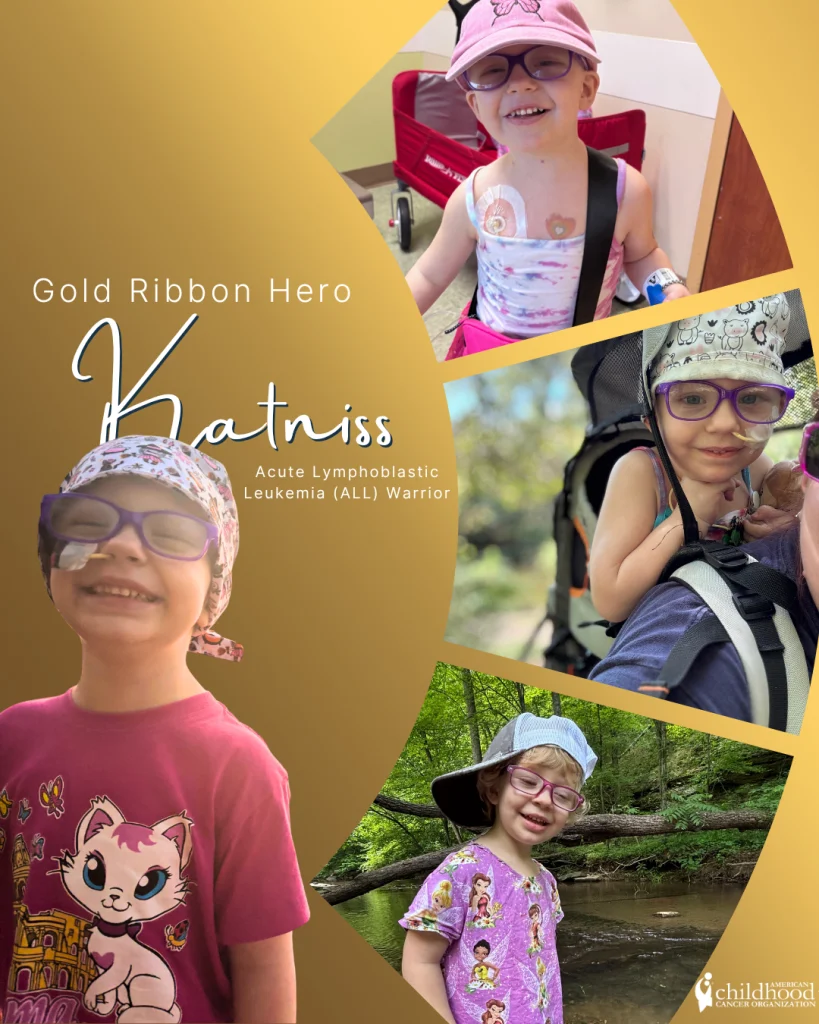
The landscape of pediatric oncology is defined by both the rigors of modern medical protocols and the profound personal narratives of the families navigating them. In June 2025, the family of a young girl named Katniss entered this complex world following what initially appeared to be a routine childhood illness. Her diagnosis of Acute Lymphoblastic Leukemia (ALL) has since become a focal point for local advocacy in Nashville, Tennessee, highlighting the intersection of clinical treatment, community support, and the unique psychological challenges faced by multi-generational cancer survivors. As Katniss embarks on a multi-year treatment plan, her story serves as a case study in the resilience of pediatric patients and the critical importance of organizations like the American Childhood Cancer Organization (ACCO) in bridging the gap between medical care and community engagement.
The Clinical Presentation and Diagnosis Timeline
The progression of Katniss’s condition underscores the often-ambiguous nature of early leukemia symptoms, which can frequently mimic common pediatric infections. In early June 2025, Katniss began experiencing symptoms consistent with streptococcal pharyngitis, commonly known as strep throat. However, when standard interventions failed to alleviate her condition and she began vomiting blood—a significant clinical red flag—her parents sought emergency medical intervention.
Upon admission to the emergency department, clinical evaluations revealed that Katniss was both neutropenic and anemic. Neutropenia, characterized by an abnormally low count of neutrophils (a type of white blood cell), leaves the body significantly vulnerable to infections. Anemia, the deficiency of red blood cells, explains the fatigue and systemic strain often seen in leukemia patients. Within days of these findings, further diagnostic testing confirmed a diagnosis of Acute Lymphoblastic Leukemia.
ALL is a type of cancer of the blood and bone marrow that affects white blood cells. It is the most common form of cancer in children, representing approximately 25% of all pediatric cancer diagnoses. The disease progresses rapidly, creating an urgency for immediate therapeutic intervention. For Katniss, this meant the swift transition from a household managing a suspected infection to a specialized oncology unit preparing for years of intensive treatment.
A Legacy of Survival: The Intergenerational Context
One of the most striking elements of Katniss’s journey is the historical context of her family. Her mother, Katherine, is herself a survivor of childhood leukemia. This intergenerational encounter with the disease adds a layer of psychological complexity to the family’s experience. According to Katherine, the news of her daughter’s diagnosis was particularly devastating because of her firsthand knowledge of the grueling nature of the treatment.
From a clinical and psychological perspective, the "survivor-parent" dynamic presents unique challenges. While Katherine possesses an intimate understanding of the medical environment, the emotional weight of seeing a child undergo the same life-threatening ordeal she survived is profound. This shared history, however, also provides Katniss with a unique support system—a parent who can navigate the nuances of long-term chemotherapy and the long-term side effects that may follow.
Understanding Acute Lymphoblastic Leukemia (ALL) and Treatment Protocols
To understand the journey ahead for Katniss, it is essential to examine the medical standards for treating ALL. The objective of treatment is to achieve a complete remission and then maintain that state until the cancer is eradicated. This process is rarely brief; for Katniss, the projected timeline for chemotherapy is two and a half years.
The treatment of ALL typically involves several phases:
- Induction Therapy: The initial goal is to kill the leukemia cells in the blood and bone marrow to induce remission.
- Consolidation (Intensification) Therapy: This phase aims to eliminate any remaining leukemia cells that may not be active but could cause a relapse.
- Maintenance Therapy: This is the longest phase, involving lower doses of chemotherapy to prevent the cancer from returning.
For Katniss, the regimen includes invasive procedures such as port placement—a device installed under the skin to allow for easier administration of medication and blood draws—as well as frequent bone marrow biopsies and lumbar punctures. Lumbar punctures, or spinal taps, are necessary to ensure that leukemia cells have not migrated to the central nervous system. Despite the physical and emotional toll of these procedures, medical observers and family members note that Katniss’s resilience and "sassy personality" have remained intact, a factor that many pediatric specialists believe contributes to the overall well-being of the patient during long-term hospitalization.
Supporting Data: The State of Pediatric Oncology
Katniss’s diagnosis occurs within a broader statistical framework of pediatric health in the United States. While the survival rate for ALL has seen remarkable improvement—rising from less than 10% in the 1960s to approximately 90% today—the treatment remains one of the most demanding in medicine.
Data from the National Cancer Institute indicates that:
- Approximately 10,500 children under the age of 15 are diagnosed with cancer annually in the U.S.
- Leukemia remains the leading cause of cancer-related deaths in children, despite high survival rates, due to the sheer volume of cases.
- The long-term effects of chemotherapy in pediatric patients can include cardiovascular issues, secondary cancers, and cognitive changes, necessitating lifelong follow-up care.
The economic impact on families is also significant. The cost of a two-year chemotherapy regimen, including hospital stays, specialized procedures, and supportive care, can reach hundreds of thousands of dollars. This financial burden is often exacerbated by the need for parents to take leaves of absence from work to manage their child’s care, highlighting the necessity of community-funded support systems.
Community Integration: The Grand Ole Opry Chili Cook-Off
In the midst of her medical battles, Katniss was selected as an ambassador for the Grand Ole Opry Chili Cook-Off in Nashville, Tennessee. This event, which serves as a major fundraiser and awareness campaign, partners with the American Childhood Cancer Organization to highlight the stories of local "warriors."
The role of an ambassador is vital for humanizing the statistics of childhood cancer. While Katniss’s health prevented her from attending the actual event during its scheduled time—a common occurrence for pediatric patients whose immune systems are compromised—the organizers facilitated a private experience. Several weeks later, Katniss and her family were given a comprehensive tour of the Grand Ole Opry facility and attended a live show.
The Grand Ole Opry, a cornerstone of American country music and Nashville culture, provides a high-visibility platform for cancer advocacy. By hosting events like the Chili Cook-Off, the venue helps generate the funds necessary for the ACCO to provide free resources to families, such as educational books, medical play kits, and peer support networks. These resources are designed to help children like Katniss understand their diagnosis and reduce the trauma associated with frequent medical procedures.
Official Responses and Advocacy Impact
The American Childhood Cancer Organization has emphasized that stories like Katniss’s are the driving force behind their mission. In statements regarding their ambassador programs, the ACCO notes that visibility is a primary tool for securing research funding. Currently, pediatric cancer research receives a disproportionately small percentage of federal funding compared to adult cancers, despite the fact that childhood cancer survivors will live with the effects of their treatment for decades.
Advocates argue that by featuring ambassadors like Katniss, they can influence policy and public perception. The "Gold Ribbon" movement, which symbolizes childhood cancer awareness, relies on these personal narratives to advocate for the Research to Accelerate Cure and Equity (RACE) for Children Act and other legislative efforts aimed at increasing the development of pediatric-specific drugs.
Medical professionals at the facilities treating Katniss have also noted the importance of "normalcy" in a patient’s life. Events like the Opry visit are not merely recreational; they are considered therapeutic interventions that help maintain the child’s psychological health. The ability to engage with the community and be celebrated as a "warrior" rather than just a "patient" can have measurable impacts on a child’s outlook and cooperation with treatment protocols.
Broader Implications and Future Outlook
As Katniss continues her two-and-a-half-year journey, her case highlights several critical areas of concern and hope in the field of pediatric oncology. First, it underscores the necessity of early detection and the importance of parents trusting their instincts when a common illness like strep throat takes an unusual turn. Second, it brings to light the reality of "cancer families"—those where the disease is a recurring theme across generations—and the need for specialized psychological support for these households.
The future for Katniss, statistically speaking, is optimistic. The high success rate of modern ALL protocols suggests a strong likelihood of long-term remission. However, the journey to that point is a marathon, not a sprint. It requires a robust infrastructure of medical expertise, family stamina, and community support.
The integration of Katniss into the Nashville community through the Grand Ole Opry event serves as a model for how local institutions can support families in crisis. By transforming a fundraiser into a personal experience for the child, the community provides a sense of belonging that transcends the isolation of the hospital room.
In conclusion, the story of Katniss is more than a medical report; it is a testament to the evolving nature of cancer care, where the focus has expanded from mere survival to the quality of life and the strength of the human spirit. As she continues her treatment through 2025 and beyond, her role as an ambassador will continue to inspire others and draw attention to the ongoing need for dedicated pediatric cancer research and support services. The fight against ALL is ongoing, but with the support of organizations like the ACCO and the resilience of patients like Katniss, the path toward a cure becomes increasingly clear.
