
 By Budi Oetomo Narendra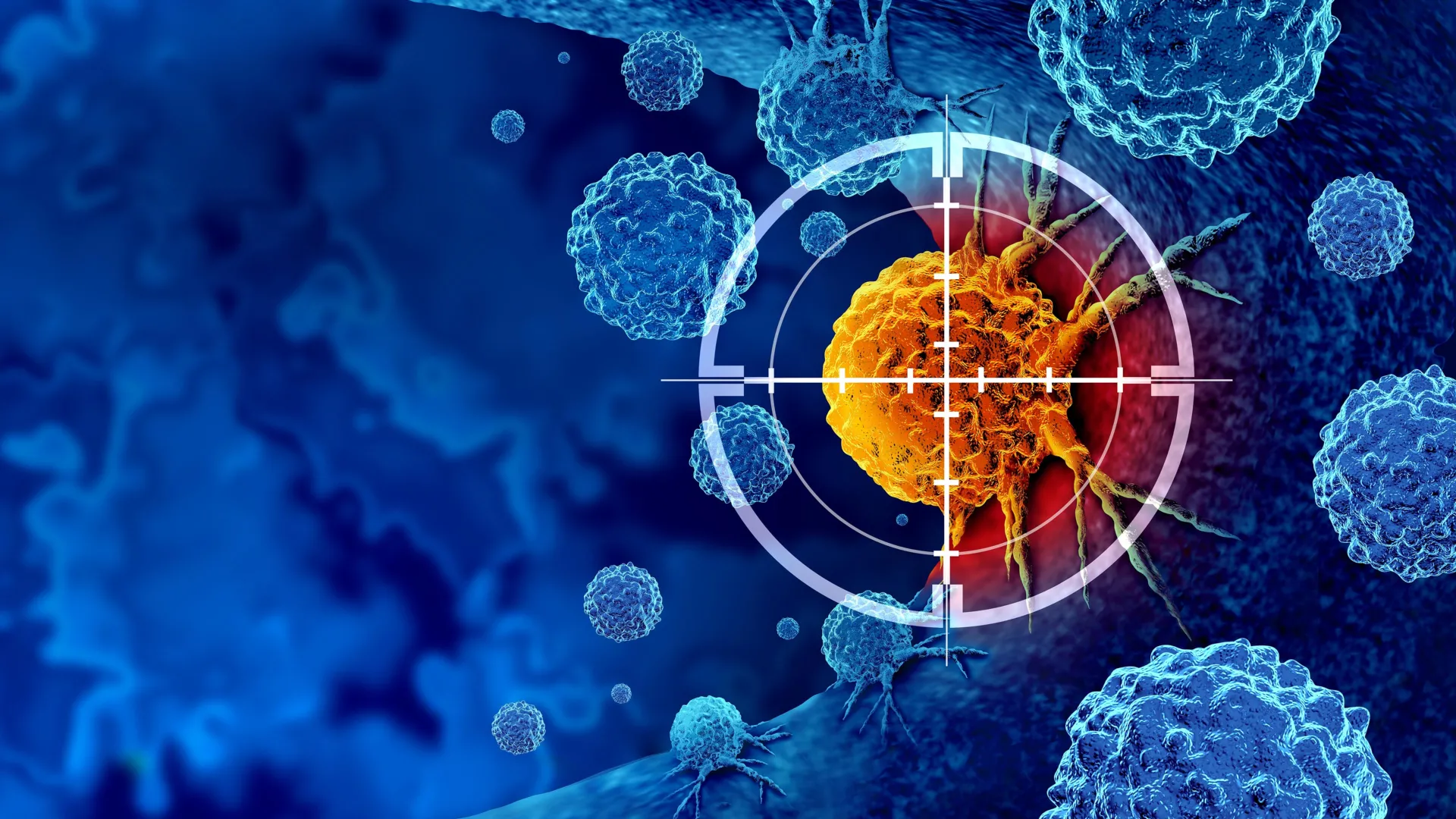
Prostate cancer, a pervasive and often lethal malignancy, has long presented a formidable challenge to immunotherapy, a revolutionary treatment modality that harnesses the body’s own immune system to identify and eradicate cancerous cells. Unlike many other cancers where immunotherapy has achieved remarkable successes, prostate tumors frequently exhibit an "immune-cold" phenotype, meaning they are largely ignored by immune cells, rendering existing immunotherapies ineffective. However, a groundbreaking development in experimental RNA-targeting technology now offers a beacon of hope, demonstrating the potential to transform these resistant prostate tumors into highly visible targets for immune assault. This novel approach, detailed in a recent publication in Nature Biomedical Engineering, represents a significant stride towards broadening the efficacy of immunotherapy for one of the most difficult-to-treat cancers.
The Immune-Cold Enigma of Prostate Cancer
The primary hurdle in treating prostate cancer with immunotherapy stems from its characteristic as an "immune-cold" tumor. This designation signifies a profound lack of T cells—critical components of the adaptive immune system—within the tumor microenvironment. Without an adequate infiltration of these cancer-fighting lymphocytes, even the most advanced immunotherapeutic agents, such as immune checkpoint inhibitors, struggle to initiate a meaningful anti-tumor response. Prostate cancer is a global health concern, ranking as the second most common cancer in men worldwide, with an estimated 1.4 million new cases diagnosed annually and over 375,000 deaths. Despite advancements in surgery, radiation, and hormone therapies, metastatic or recurrent prostate cancer often carries a grim prognosis, underscoring the urgent need for more effective systemic treatments. The limited success of immunotherapy in this context has been a source of frustration for oncologists and researchers alike, prompting extensive investigations into the mechanisms of immune evasion specific to prostate cancer.
A Novel RNA-Targeting Strategy Emerges
The collaborative research, spearheaded by scientists from Duke University School of Medicine and the University of Rochester Medicine, introduces a pioneering CRISPR-based tool designed to manipulate RNA within prostate cancer cells. This innovative technology effectively re-engineers the tumor’s cellular machinery, making it more attractive and accessible to the immune system’s cytotoxic T cells. In rigorous laboratory studies, including preclinical models using mice, the scientists demonstrated that this RNA-targeting approach dramatically improved the response of prostate tumors to immune checkpoint therapy. The observable effect was a significant increase in immune cell infiltration into the tumors, leading to the subsequent destruction of cancer cells. This finding suggests a potential synergistic strategy: using the RNA-targeting technology to "warm up" cold tumors, thereby enabling existing immunotherapies to function as intended.
Dr. Eric J. Wagner, co-author of the study from the University of Rochester Medicine and co-director of the Center for RNA Biology, emphasized the transformative potential of immunotherapy. "Immune therapy is a monumentally different way to treat cancer, and a great way because you don’t have to give patients terrible drugs that kill the cancer but harm healthy cells in the process," Wagner stated. He further acknowledged the current limitations, noting, "The problem is that some cancers respond well to immune therapy, but others develop resistance or don’t respond at all. Our tool strengthens the immune system’s ability to make the cancer go away and could be used in conjunction with existing immunotherapies in prostate and potentially other immune-cold tumor types."
Unraveling Cancer’s Immune Evasion Mechanism: The Role of Shortened mRNAs
The genesis of this breakthrough can be traced back over a decade, to a fundamental discovery made by Wagner’s team approximately 12 years ago. While investigating glioblastoma, an aggressive form of brain cancer, researchers observed an unexpected phenomenon: many messenger RNAs (mRNAs) within tumor cells were significantly shorter than their normal counterparts. Subsequent investigations by Wagner’s group and other scientific teams confirmed that this mRNA shortening is not an isolated incident but a pervasive characteristic across a multitude of cancer types. This shortening mechanism, it turns out, plays a crucial role in enabling tumors to adapt, survive, and crucially, evade various therapeutic interventions, including immune detection.
To understand the significance of this shortening, it’s essential to recall the function of mRNA. Messenger RNA acts as an intermediary, carrying vital genetic instructions from a cell’s DNA to its protein-making machinery (ribosomes). These instructions are then translated into the proteins necessary for all cellular functions. Intriguingly, shortened mRNAs exhibit enhanced stability. Analogous to animals that adopt a smaller, more compact form for protection—such as hedgehogs or pangolins—these truncated mRNAs present less exposed surface area, rendering them less susceptible to degradation by cellular enzymes. This increased stability means they persist longer within the cell, continuing to produce proteins at an elevated rate and potentially spreading their effects unchecked by normal cellular regulatory mechanisms.
The Immune Signal That Cancer Silences: The MHC-I Complex
One of the critical mechanisms by which prostate cancer cells become "immune cold" is through the suppression or loss of the Major Histocompatibility Complex class I (MHC-I) molecules on their surface. The MHC-I complex functions as a crucial molecular flag, displaying fragments of intracellular proteins (including abnormal tumor proteins) that allow T cells to recognize and target malignant cells for destruction. Without this essential "ID badge," cancer cells can effectively become invisible to the immune system, escaping detection and eradication.
The researchers painstakingly uncovered a specific chain of events that elucidates how prostate cancer cells orchestrate the shutdown of this vital immune signal:
- Aberrant mRNA Shortening: Prostate cancer cells exhibit a propensity to aberrantly shorten the messenger RNA responsible for coding the protein SPSB1 (SOCS box and SPRY domain-containing protein 1).
- Enhanced SPSB1 Production: This shortened SPSB1 mRNA, due to its increased stability and prolonged activity, leads to the overproduction of the SPSB1 protein within the cancer cells.
- MHC-I Complex Interference: Elevated levels of SPSB1 protein actively interfere with the intricate cellular processes required for the proper assembly, trafficking, and surface presentation of the MHC-I complex.
- Immune Evasion: By disrupting the MHC-I pathway, prostate cancer cells effectively remove their "ID tags," thereby preventing T cells from recognizing the tumor antigens and launching an immune attack. This mechanism contributes significantly to the "immune-cold" phenotype, rendering these tumors resistant to conventional immunotherapies.
CRISPR’s Precision: Restoring the Tumor’s Immune Magnet
Armed with this understanding, the collaborative research team, led by scientists from Duke University School of Medicine, developed a first-of-its-kind therapeutic strategy aimed at reversing this immune-evasive mechanism. Their innovative approach involves restoring the normal, longer length of the mRNA that produces SPSB1. Utilizing an advanced RNA-based CRISPR Cas13 system, a distinct variant of the gene-editing technology, the researchers precisely engineered the system to force the shortened SPSB1 mRNA to re-lengthen.
Unlike traditional CRISPR tools that often work by cutting DNA or RNA, this specialized Cas13 system was ingeniously engineered to bind specifically to a particular section of the SPSB1 mRNA molecule. By attaching to this precise location, the tool effectively prevented cancer cells from reaching and shortening the very end, or "tail," of the mRNA molecule. This targeted intervention proved remarkably effective. By maintaining the SPSB1 mRNA at its normal, longer length, the amount of SPSB1 protein produced by the cancer cells was significantly reduced. This reduction, in turn, allowed the crucial MHC-I complex to be restored and properly presented on the surface of the prostate cancer cells.
With the MHC-I complex reinstated, the "immune cold" prostate tumors became highly visible to the immune system. This restoration dramatically enhanced the effectiveness of immune checkpoint therapy against these previously resistant tumors. A detailed and comprehensive analysis of the experimental results also yielded another critical finding: there were no detectable off-target effects from the experimental CRISPR treatment, a crucial indicator of potential safety and specificity for future therapeutic applications.
"No one has ever done this before," Dr. Wagner emphasized, highlighting the novelty of their approach. "It’s an excellent preclinical model showing that mRNAs can be forced to re-lengthen and when they do, there’s therapeutic benefit." He expressed optimism about the long-term implications: "Cancer is super smart at evolving, but it’s not a magician. If we can hit it with immunotherapy and another synergistic drug that pumps up the immune response, we could potentially cure it. It won’t be able to evolve fast enough." This statement encapsulates the vision of a multi-pronged attack that could outmaneuver cancer’s adaptive capabilities.
Broader Impact and Future Translational Pathways
The implications of this research extend far beyond prostate cancer. Dr. Wagner, who is also a distinguished member of Wilmot Cancer Institute’s Genetics, Epigenetics and Metabolism research program, is now actively pursuing investigations into whether this groundbreaking approach can be successfully applied to other "immune-cold" cancers. These include malignancies that, like prostate cancer, have historically shown poor responsiveness to existing immunotherapies.
As a significant next step, Wagner’s team has already secured pilot funding from the Wilmot Cancer Institute and Roswell Park Comprehensive Cancer Center. This crucial funding will enable them to test the RNA-targeting technology in pancreatic cancer, another notoriously aggressive and immune-cold tumor type with a very low five-year survival rate, where current immunotherapies have largely failed to make a significant impact. If successful, this could unlock new treatment avenues for a broad spectrum of cancers that currently defy effective immune-based therapies.
The journey from preclinical studies in mice to human clinical trials is complex and resource-intensive, involving stringent regulatory approvals, substantial funding, and the meticulous design of multi-center trials. However, the scientific rigor and the promising results from this study lay a strong foundation for future translational efforts. The ability to precisely re-engineer tumor cells to be recognized by the immune system represents a paradigm shift, potentially transforming the landscape of cancer treatment for millions of patients worldwide. This innovative RNA-targeting strategy holds the promise of making immunotherapy a viable and potent weapon against cancers that have long eluded its grasp, ushering in an era where even the most "immune-cold" tumors might finally be forced to surrender to the body’s own defenses.
The research was generously funded by the National Cancer Institute at the National Institutes of Health, underscoring the strategic importance of this work in advancing cancer research and therapy. This collaboration between leading institutions and the dedication of the scientific teams involved highlight the ongoing commitment to unraveling cancer’s complexities and developing more effective, less toxic treatments for patients.
