
 By admin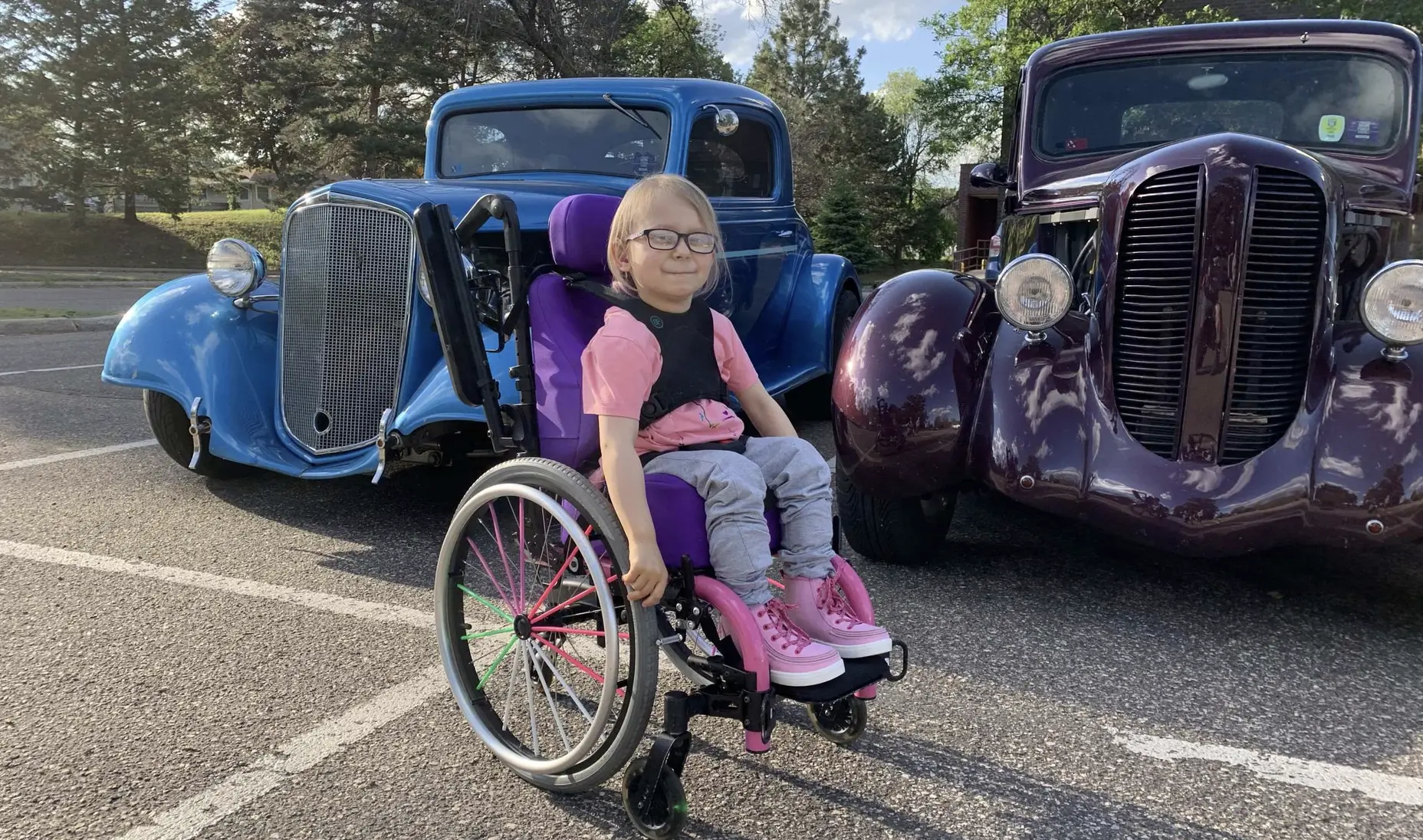
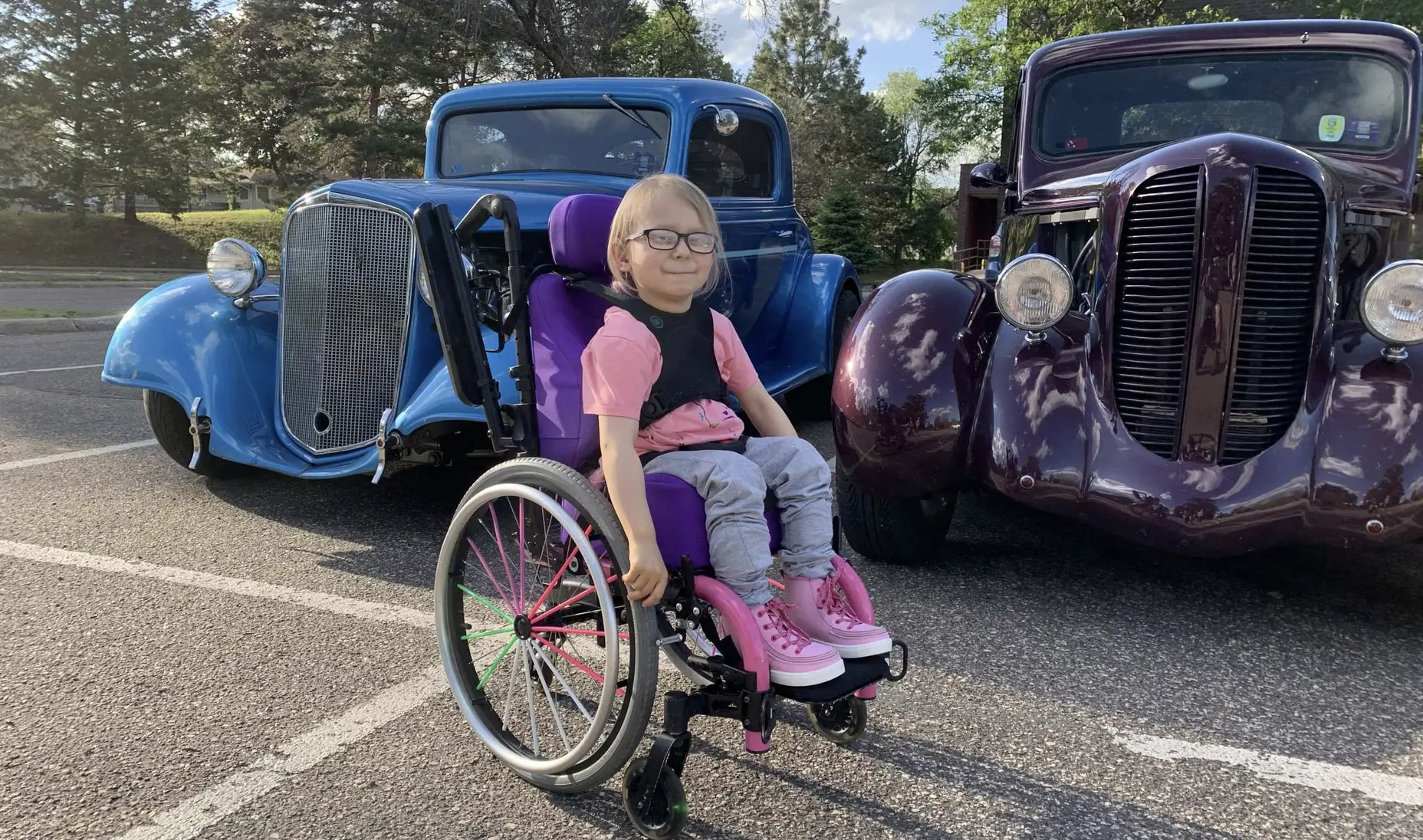
The diagnosis of high-risk neuroblastoma represents one of the most daunting challenges in pediatric oncology, a reality that the family of a young girl named Emma discovered when she was just two years old. Emma’s journey began not with a routine fever or a common childhood ailment, but with the sudden and terrifying loss of her ability to walk. Clinical evaluations soon revealed a neuroblastoma tumor pressing against her spinal cord, a discovery that launched her into a grueling 18-month medical odyssey. While Emma is now counted among the survivors of this aggressive disease, her story serves as a poignant illustration of the "cost of a cure"—a lifetime of chronic health issues and the systemic hurdles families face when navigating the landscape of specialized pediatric care. Her case, alongside groundbreaking research currently being conducted at Emory University, underscores a pivotal moment in the fight against childhood cancer, as scientists move toward more precise, less toxic immunotherapies.
The Pathophysiology and Clinical Challenge of Neuroblastoma
Neuroblastoma is a cancer of the sympathetic nervous system, arising from immature nerve cells called neuroblasts. It is the most common extracranial solid tumor found in children, accounting for approximately 7% to 10% of all childhood cancers and nearly 15% of pediatric cancer deaths. The disease is remarkably heterogeneous; in some infants, the tumors may regress spontaneously without treatment, while in older children, the cancer is often metastatic and highly resistant to conventional therapies.
Medical professionals categorize neuroblastoma into low-, intermediate-, and high-risk groups based on several factors, including the age of the patient, the stage of the disease, and the biological characteristics of the tumor, such as MYCN gene amplification. For patients in the low-risk category, the prognosis is excellent, with survival rates exceeding 95%. However, for high-risk patients like Emma, the outlook remains somber. Despite intensive multimodal therapy, the five-year survival rate for high-risk neuroblastoma hovers between 50% and 60%, a statistic that has necessitated a global search for more effective treatment protocols.
A Chronology of Intensive Treatment: Emma’s 18-Month Battle
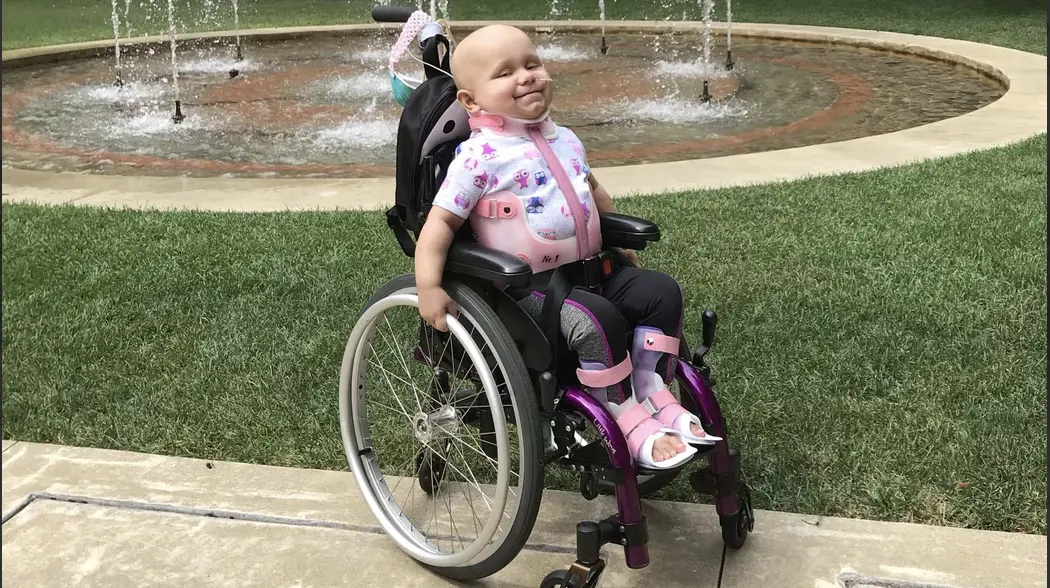
Emma’s treatment regimen reflects the standard of care for high-risk neuroblastoma, which is often described as one of the most intensive protocols in all of medicine. Because the tumor was pressing on her spine—causing the paralysis that led to her diagnosis—immediate intervention was required to prevent permanent neurological damage.
The first phase involved induction chemotherapy, designed to shrink the primary tumor and eliminate any microscopic cancer cells circulating in the body. This was followed by a series of highly invasive procedures and advanced therapies:
- Spinal Cord Surgery: Surgeons worked to debulk the tumor and relieve the pressure on Emma’s spinal column, a delicate operation given the proximity to vital nerve pathways.
- Partial Lung Removal: In cases where neuroblastoma invades adjacent tissues or organs, surgical resection may involve the removal of parts of the lung or other affected areas to ensure clear margins.
- Proton Beam Radiation: Unlike traditional X-ray radiation, proton therapy allows for more precise targeting of the tumor site, minimizing collateral damage to healthy surrounding tissues—a critical factor in growing children.
- High-Dose Chemotherapy and Stem Cell Transplant: To eradicate any remaining cancer cells, Emma underwent "mega-dose" chemotherapy, which destroys the bone marrow. Her own previously harvested stem cells were then transplanted back into her body to rescue her blood-forming system.
- Immunotherapy: The final stage of treatment often involves monoclonal antibodies designed to teach the immune system to recognize and destroy any residual neuroblastoma cells.
While this aggressive approach saved Emma’s life, it came with a significant physiological price. The intensity of these treatments during a critical window of physiological development often leads to "late effects" that persist for decades.
The Reality of Survivorship: Living with the Aftermath
Emma is now a survivor, but her daily life is defined by the legacy of her treatment. The very therapies that cured her cancer caused profound, permanent side effects. She suffers from significant hearing loss—a common result of platinum-based chemotherapy—and remains partially paralyzed. Furthermore, her immune system was severely weakened by the high-dose treatments, leaving her more susceptible to infections that would be minor for other children.
Beyond the physical toll, the psychological impact of childhood cancer is immense. Emma experiences ongoing mental exhaustion and the persistent "fear of relapse," a form of post-traumatic stress common among pediatric cancer survivors and their families. The logistical burden is equally taxing. Residing an hour away from the nearest hospital and managing a care team spread across two states creates significant barriers to accessing the physical, occupational, and speech therapy essential for her rehabilitation.
This "geography of care" is a systemic issue in the United States. Specialized pediatric oncology centers are often concentrated in major metropolitan areas, forcing rural families to endure long commutes, financial strain, and the fragmentation of medical records and communication between providers.
Innovative Research: The Promise of Gamma Delta T Cells
To address the limitations and toxicities of current treatments, the Children’s Cancer Research Fund (CCRF) is supporting a transformative study led by Kelly Goldsmith, MD, at Emory University. Dr. Goldsmith’s team is focusing on a novel form of immunotherapy utilizing gamma delta (γδ) T cells.
Most current T-cell therapies, such as CAR-T cell therapy, utilize alpha-beta (αβ) T cells. While effective in some blood cancers, these cells have limitations in treating solid tumors like neuroblastoma. Gamma delta T cells are unique because they act as a bridge between the innate and adaptive immune systems. They possess a natural ability to recognize and kill tumor cells without the need for the complex "matching" required by traditional T-cell therapies, making them ideal candidates for "off-the-shelf" treatments derived from healthy donors.
Dr. Goldsmith’s research is specifically engineering these cells to target a protein known as GFRA2. This protein is frequently found on the surface of neuroblastoma cells, particularly those that have metastasized to the brain—a site where current treatments often fail to penetrate due to the blood-brain barrier. By enhancing the ability of these T cells to stay active in the body for longer periods, the study aims to create a more durable and less toxic defense against the most aggressive forms of the disease.
Supporting Data and the Economic Impact of Pediatric Cancer
The need for such research is supported by sobering economic and clinical data. A study published in the Journal of Clinical Oncology indicates that approximately 60% to 70% of childhood cancer survivors will develop at least one chronic health condition, and nearly one-third will experience a severe or life-threatening complication by the time they reach age 45.
From a financial perspective, the cost of treating a single case of high-risk neuroblastoma can exceed $500,000, not including the long-term costs of managing late effects, disability, and lost productivity for parents. Funding for pediatric cancer research, however, remains a fraction of that allocated to adult cancers. Organizations like the CCRF fill this gap, providing the "seed money" necessary for researchers like Dr. Goldsmith to move experimental concepts from the laboratory into clinical trials.
Official Perspectives and the Future of Oncology
Oncology experts suggest that the field is moving away from the "one-size-fits-all" approach of heavy chemotherapy and toward precision medicine. In statements regarding the current trajectory of neuroblastoma research, leaders in the field emphasize that the goal is no longer just "cure," but "cure with minimal toxicity."
"We are entering an era where we can look at the molecular signature of a child’s tumor and design a treatment that targets that specific signature while sparing the rest of the child’s body," noted a spokesperson for the CCRF. "Emma’s story is a reminder of why we cannot stop at survival. We owe these children a quality of life that is not compromised by the very medicine that saved them."
The implications of Dr. Goldsmith’s study at Emory University extend beyond neuroblastoma. If gamma delta T cells can be successfully engineered to target solid tumors and cross into the central nervous system, this technology could be adapted for other pediatric and adult cancers that are currently difficult to treat.
Conclusion: A Call for Continued Innovation
Emma’s journey from a two-year-old who lost her ability to walk to a resilient survivor highlights both the triumphs and the failures of modern medicine. While her survival is a testament to the progress made in pediatric oncology over the last three decades, her ongoing struggles with paralysis, hearing loss, and healthcare access serve as a clarion call for change.
The transition toward immunotherapies like the gamma delta T-cell project represents the next frontier in cancer care. By focusing on precision and longevity of treatment, researchers hope to rewrite the narrative for future generations of children diagnosed with high-risk neuroblastoma. For Emma and thousands of children like her, the hope is that one day, a diagnosis of high-risk cancer will not require a lifetime of collateral damage, but will instead be met with targeted therapies that offer a path to a full, healthy, and unburdened life.
