
 By Hendra Lukman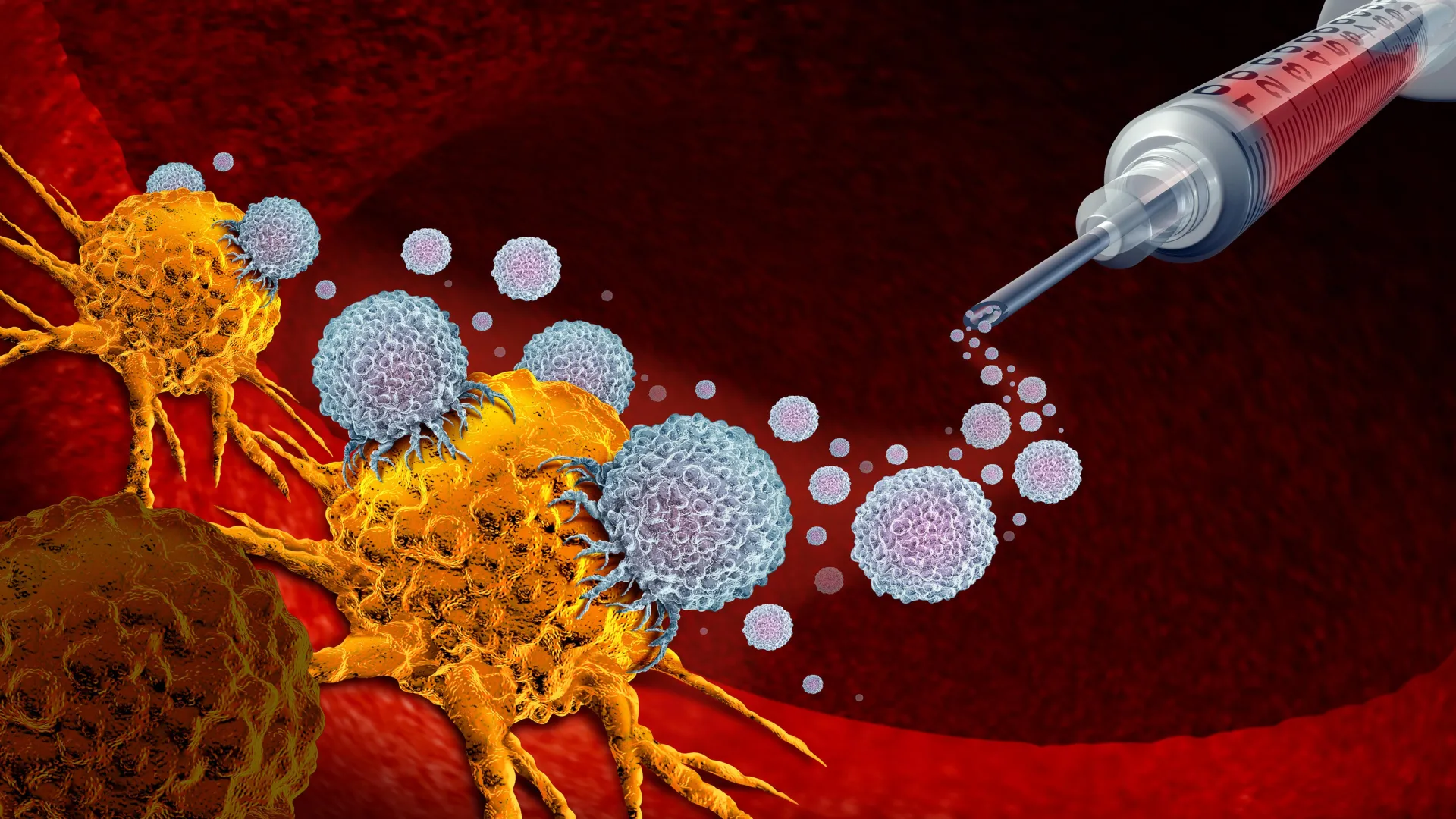
A groundbreaking study conducted by researchers at the University of Florida (UF) has unveiled a promising new avenue in the fight against cancer, demonstrating that an experimental mRNA vaccine can significantly enhance the effectiveness of immunotherapy in combating tumors. Published recently in the esteemed journal Nature Biomedical Engineering, this research, conducted in a mouse model, suggests a potential paradigm shift towards a universal cancer vaccine capable of mobilizing the body’s own immune system to target and destroy malignant cells. The findings represent a significant leap forward in the long-standing quest to develop off-the-shelf cancer treatments that are broadly applicable across various cancer types.
A "One-Two Punch" Against Cancer: The Power of Combination Therapy
The core of the UF study’s success lies in its innovative approach to augmenting existing cancer treatments. Researchers discovered that when an experimental mRNA vaccine was administered in conjunction with common anticancer drugs known as immune checkpoint inhibitors, a potent and robust antitumor response was triggered. This synergistic effect, described by the study authors as a "one-two punch," highlights the potential of combining novel vaccine technology with established immunotherapies to overcome the formidable defenses cancer cells often erect.
Immune checkpoint inhibitors, a cornerstone of modern cancer treatment, work by blocking specific proteins on immune cells or tumor cells that prevent the immune system from recognizing and attacking cancer. These inhibitors essentially "release the brakes" on the immune system, allowing T cells to engage and eliminate cancer. However, their effectiveness can be limited, particularly in certain types of treatment-resistant cancers. The UF study’s findings suggest that the mRNA vaccine acts as a powerful primer, preparing the immune system for a more aggressive and targeted assault when combined with these inhibitors.
A Surprising Discovery: Universal Immune Stimulation Over Specific Targeting
One of the most unexpected and exciting aspects of the research, as highlighted by the study’s authors, was the mechanism by which the promising results were achieved. Unlike many previous cancer vaccine strategies that focus on identifying and targeting specific proteins unique to cancer cells, this experimental mRNA vaccine did not rely on such specificity. Instead, it was designed to broadly stimulate the immune system, mimicking the body’s natural response to viral infections.
The vaccine’s primary action was to enhance the expression of a protein called PD-L1 within tumor cells. PD-L1 is a critical molecule involved in immune regulation. By increasing PD-L1 expression in tumors, the vaccine made these malignant sites more recognizable and receptive to attack by immune cells. This strategy effectively "woke up" the immune system, prompting it to perceive the tumors as foreign invaders, similar to how it would respond to a virus. This approach sidesteps the complexities and potential limitations of identifying universally present tumor-specific antigens, paving the way for a more broadly applicable vaccine.
A New Treatment Paradigm: Beyond Traditional Therapies
Elias Sayour, M.D., Ph.D., a senior author on the study and a pediatric oncologist at UF Health, emphasized the profound implications of these findings. He posited that this research reveals a potential new treatment pathway, offering an alternative or complementary approach to established therapies such as surgery, radiation, and chemotherapy. The broad applicability suggested by the study could have significant ramifications for treating a wide spectrum of treatment-resistant tumors, a major challenge in oncology.
"This paper describes a very unexpected and exciting observation: that even a vaccine not specific to any particular tumor or virus — so long as it is an mRNA vaccine — could lead to tumor-specific effects," stated Dr. Sayour, who also serves as the principal investigator at the RNA Engineering Laboratory within UF’s Preston A. Wells Jr. Center for Brain Tumor Therapy. This observation challenges conventional wisdom in vaccine development and opens up a novel frontier in cancer immunotherapy.
The Dawn of the "Off-the-Shelf" Cancer Vaccine?
The potential for commercialization as a universal cancer vaccine is a key takeaway from this research. Dr. Sayour elaborated on this prospect: "This finding is a proof of concept that these vaccines potentially could be commercialized as universal cancer vaccines to sensitize the immune system against a patient’s individual tumor." This vision of an "off-the-shelf" vaccine, readily available and adaptable to diverse cancer types, represents a significant departure from the current, often highly individualized and complex, treatment protocols.
Historically, cancer vaccine development has largely followed two main trajectories: identifying specific target antigens present in a large proportion of cancer patients, or developing highly personalized vaccines tailored to the unique molecular profile of an individual’s tumor. The UF study introduces a compelling third paradigm, one that leverages the innate power of the immune system through generalized stimulation.
Duane Mitchell, M.D., Ph.D., a co-author of the paper and a leading figure in cancer research at UF, underscored this emerging approach. "This study suggests a third emerging paradigm," Dr. Mitchell explained. "What we found is by using a vaccine designed not to target cancer specifically but rather to stimulate a strong immunologic response, we could elicit a very strong anticancer reaction. And so this has significant potential to be broadly used across cancer patients — even possibly leading us to an off-the-shelf cancer vaccine." Dr. Mitchell directs the UF Clinical and Translational Science Institute and co-directs UF’s Preston A. Wells Jr. Center for Brain Tumor Therapy, underscoring the depth of expertise behind this research.
Building on a Foundation of mRNA Innovation
The current study builds upon a robust foundation of Dr. Sayour’s pioneering work in high-tech anticancer vaccines. For over eight years, he has been at the forefront of combining lipid nanoparticles and mRNA. Messenger RNA (mRNA) is a fundamental biological molecule that carries genetic instructions from DNA to the cell’s protein-making machinery. In the context of vaccines, mRNA technology allows for the rapid and precise delivery of instructions that can prompt cells to produce specific proteins, thereby triggering an immune response. This technology gained widespread public recognition with the development of mRNA vaccines for COVID-19, demonstrating its efficacy and speed in vaccine development.
This latest research further leverages this expertise, drawing inspiration from a significant breakthrough achieved by Dr. Sayour’s lab the previous year. In a pioneering first-ever human clinical trial, an mRNA vaccine was used to reprogram the immune system to actively attack glioblastoma, an aggressive and notoriously difficult-to-treat brain tumor. The results from that trial were particularly striking, showing how quickly a personalized mRNA vaccine, developed using a patient’s own tumor cells, could elicit a vigorous immune response capable of rejecting the tumor. This prior success provided crucial validation for the potential of mRNA technology in cancer immunotherapy.
From Personalized to Generalized: Adapting the mRNA Platform
In the current study, the UF research team adeptly adapted their mRNA technology to explore the efficacy of a "generalized" mRNA vaccine. This generalized approach meant the vaccine was not engineered to target specific viral components or the mutated cells characteristic of cancer. Instead, its design focused solely on eliciting a potent and broad immune system response. The mRNA formulation itself was developed using similar foundational technology to that employed in the COVID-19 vaccines, although it was not directed at the SARS-CoV-2 spike protein.
The team tested this generalized mRNA formulation in mouse models of melanoma, a type of skin cancer known for its potential to become resistant to treatment. The results were highly encouraging. When combined with a widely used immunotherapy drug, a PD-1 inhibitor (a type of monoclonal antibody designed to help the immune system recognize tumors as foreign), the mRNA vaccine demonstrated significant efficacy in combating these treatment-resistant tumors.
Venturing further, the investigators extended their investigation to mouse models of other common cancers, including skin, bone, and brain cancers. In these diverse models, they observed beneficial effects even when a different mRNA formulation was used as a standalone treatment, without the addition of checkpoint inhibitors. In some instances, the tumors were completely eradicated by the mRNA vaccine alone, underscoring its intrinsic anticancer potential.
Mechanism of Action: Unleashing Dormant Immune Cells
Through meticulous observation, Dr. Sayour and his colleagues identified a key mechanism underlying the vaccine’s success. By activating immune responses that were seemingly unrelated to cancer itself, the mRNA vaccine appeared to stimulate T cells that were previously inactive or ineffective. These newly energized T cells then multiplied and demonstrated a potent ability to kill cancer cells, provided the overall immune response spurred by the vaccine was sufficiently robust. This finding suggests that the vaccine acts as a powerful immune system modulator, revitalizing dormant cancer-fighting capabilities within the body.
Broader Impact and Future Directions
The implications of this research are far-reaching, according to Dr. Mitchell. "It could potentially be a universal way of waking up a patient’s own immune response to cancer," he stated. "And that would be profound if generalizable to human studies." The prospect of a universal approach that can awaken a patient’s intrinsic defenses against cancer is a transformative concept in oncology.
The study’s findings strongly suggest the potential for developing a universal cancer vaccine that can both prime the immune system and enhance its synergy with existing checkpoint inhibitor drugs. In some cases, this vaccine might even possess the capacity to eliminate cancer as a standalone therapy. This multifaceted potential makes the research particularly exciting for the future of cancer treatment.
The UF research team is now focused on refining the current vaccine formulations and advancing the technology towards human clinical trials as expeditiously as possible. The successful translation of these findings from preclinical mouse models to human patients would represent a monumental achievement, potentially ushering in a new era of accessible and effective cancer immunotherapies. The research was supported by a consortium of funding bodies, including multiple federal agencies and foundations, such as the National Institutes of Health, underscoring the national importance and scientific merit of this endeavor.
This ongoing work signifies a critical step towards realizing the long-held dream of a truly universal cancer vaccine, one that harnesses the body’s own remarkable ability to fight disease and offers hope to millions of patients worldwide. The scientific community will be closely watching as this promising research progresses towards clinical application.
