
 By admin
The transition from active cancer treatment to long-term survivorship represents one of the most complex phases in the oncological continuum. While medical advancements have pushed the five-year survival rate for childhood cancers to over 85% in the United States, the conclusion of chemotherapy or radiation does not signal the end of a patient’s medical journey. Instead, it marks the beginning of a lifelong commitment to monitoring and health maintenance, a phase fraught with physiological and psychological hurdles. Recent initiatives led by Dr. Karim Sadak, Director of the Childhood Cancer Survivor Program at the University of Minnesota, are now targeting the critical disconnect between clinical recommendations and the daily behaviors of survivors. Supported by the Children’s Cancer Research Fund (CCRF) and its partner Ascentek, Dr. Sadak’s research team is working to redefine how the medical community approaches post-treatment care for adolescents and young adults (AYAs).
The core of the challenge lies in a stark statistical reality: only a small fraction of childhood cancer survivors receive the specialized follow-up care required to manage "late effects"—chronic health conditions that emerge years or even decades after treatment. Dr. Sadak, alongside colleagues Dr. Alicia Kunin-Batson from the Department of Pediatrics and Dr. Kelvin O. Lim from the Department of Psychiatry and Behavioral Sciences, is spearheading a study designed to understand the motivational drivers behind health-promoting behaviors, specifically physical activity, in survivors aged 15 to 25. By utilizing wearable technology and real-time data collection, the team aims to move beyond generic advice and toward personalized, actionable interventions.
The Growing Crisis of Survivorship Transition
The population of childhood cancer survivors in the United States currently exceeds 500,000 individuals, a number that continues to grow as treatment protocols become more effective. However, the success of initial treatment often masks a looming public health crisis. Research indicates that by the age of 45, more than 95% of childhood cancer survivors will have developed at least one chronic health condition, and 80% will have experienced a life-threatening or severe condition. These "late effects" include cardiovascular disease, secondary malignancies, endocrine disorders, and cognitive impairments, many of which are exacerbated by sedentary lifestyles and poor metabolic health.
Despite these risks, the transition from pediatric oncology to adult primary care is often where survivors "fall off the map." Adolescent and young adult survivors are at a particularly high risk for loss to follow-up. During this developmental window, individuals are navigating increasing autonomy, changes in insurance coverage, and the psychological desire to distance themselves from their "cancer patient" identity. This demographic shift often results in a decline in physical activity and an increase in sedentary behavior, further elevating their risk for long-term complications. Dr. Sadak’s work recognizes that traditional clinical models, which rely on once-a-year check-ups, are insufficient for influencing the daily habits that determine long-term health outcomes.
Methodology: Capturing Life in Real-Time
To address these behavioral gaps, Dr. Sadak’s study employed a sophisticated methodology known as Ecological Momentary Assessment (EMA). The study tracked nearly 40 survivors between the ages of 15 and 25 for 21 consecutive days. Participants were equipped with fitness trackers to provide objective data on physical activity levels and sedentary time. Simultaneously, they completed short, online surveys delivered via their smartphones at various intervals throughout the day.
This approach was designed to capture "micro-longitudinal" data—insights into how mood, fatigue, social environment, and motivation fluctuate in real-time. Traditional research often relies on retrospective self-reporting, where a patient might be asked during an annual visit, "How much did you exercise last month?" Such data is notoriously unreliable due to recall bias. By capturing data in the moment, Dr. Sadak’s team can see exactly how a spike in fatigue or a dip in mood correlates with a decision to remain sedentary.
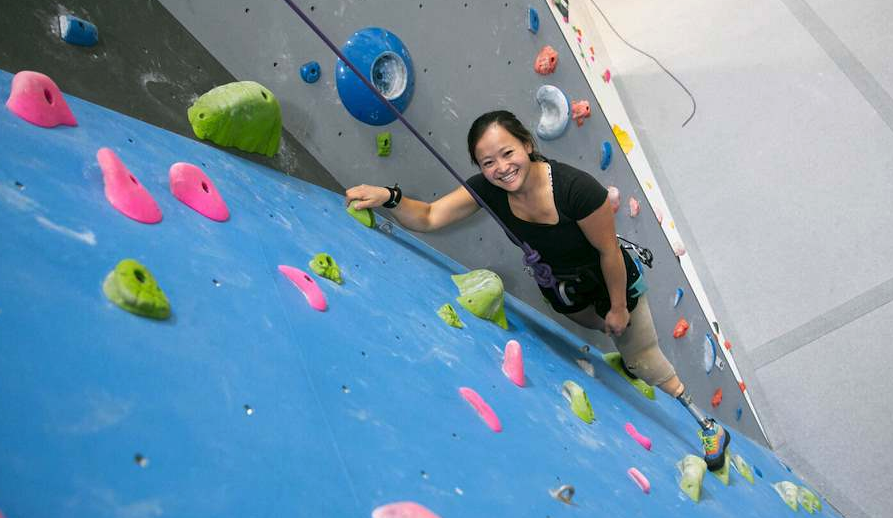
The integration of social cognitive factors is a hallmark of this research. The team is not merely looking at how many steps a survivor takes, but rather the "why" behind the movement. They are investigating how "self-efficacy"—the belief in one’s ability to succeed in specific situations—interacts with environmental stressors. For a survivor who may still be dealing with the physical scars of surgery or the pulmonary limitations caused by past radiation, the barriers to exercise are significantly higher than those of their peers. Understanding these internal and external pressures is vital for creating effective health interventions.
A Multidisciplinary Approach to Behavioral Health
The collaboration between the departments of Pediatrics and Psychiatry and Behavioral Sciences underscores the necessity of a holistic approach to survivorship. Cancer is not just a biological event; it is a psychological and social one. Dr. Alicia Kunin-Batson’s expertise in the neurocognitive and psychosocial outcomes of childhood cancer provides a lens through which the team can view the developmental challenges of AYAs. Meanwhile, Dr. Kelvin O. Lim’s background in psychiatry allows the study to account for the complex interplay between brain health and behavior.
This multidisciplinary synergy is essential because survivors often face unique psychological barriers, including "fear of recurrence" and "survivor guilt," which can manifest as avoidant behavior toward health-related activities. Furthermore, the "chemo-brain" phenomenon—long-term cognitive impairment following treatment—can affect executive functions such as planning and impulse control, making it harder for survivors to stick to a regular exercise regimen. By combining these fields, the research team is building a comprehensive map of the survivor’s experience, treating the patient as a whole person rather than a set of post-clinical symptoms.
The Role of Philanthropy and Corporate Partnership
The progression of this research has been significantly accelerated by the support of the Children’s Cancer Research Fund and its partner, Ascentek. In the landscape of medical funding, survivorship research often receives less attention and fewer resources than the search for initial cures. However, as survival rates climb, the philanthropic community is increasingly recognizing that "cured" is not synonymous with "healthy."
Organizations like CCRF play a pivotal role in funding "pilot" or "proof-of-concept" studies that are often too early-stage for large federal grants from the National Institutes of Health (NIH). By providing the initial capital for Dr. Sadak’s 40-person study, these donors have enabled the team to gather the preliminary data necessary to apply for larger, multi-center clinical trials. This "seed funding" model is essential for innovation in the field of pediatric oncology, where specialized populations require tailored, high-touch research designs.
Chronology of the Study and Future Directions
The study has recently reached a significant milestone with the completion of the data collection phase. The timeline began with the recruitment of survivors from the University of Minnesota’s Childhood Cancer Survivor Program, one of the leading programs of its kind in the nation. Over the course of the active tracking period, the researchers gathered thousands of data points, creating a high-resolution picture of the daily lives of AYA survivors.
The next phase of the project involves a rigorous analysis of this data to identify patterns. For example, the team is looking to see if there are specific "windows of opportunity" during the day or week when survivors are most receptive to health prompts. They are also examining whether social connection—interacting with friends or family—acts as a catalyst for increased physical activity.

The ultimate goal is to launch a larger, multi-center trial. If the findings from this initial cohort are validated on a broader scale, it could lead to the development of a "smart" intervention system. Imagine a mobile app that uses AI to recognize when a survivor is experiencing high levels of fatigue or low motivation and provides a personalized, encouraging prompt or a modified exercise suggestion tailored to their current state. This move toward "precision behavioral medicine" represents the future of survivorship care.
Implications for the Broader Medical Community
The implications of Dr. Sadak’s research extend far beyond the University of Minnesota. As the medical community grapples with a growing population of aging cancer survivors, the lessons learned here will likely inform adult oncology as well. The study’s focus on remote monitoring and digital health is particularly relevant in a post-pandemic world, where telehealth has become a standard of care. For survivors who live far from specialized clinics, these remote tools offer a way to stay connected to their care teams and receive continuous support.
Furthermore, this research challenges the traditional "paternalistic" model of medicine, where doctors give orders and patients are expected to follow them. Instead, it moves toward a "collaborative" model, where the patient’s real-life environment and emotional state are treated as critical data points. By understanding the barriers to health, clinicians can work with survivors to build resilience and autonomy, rather than simply monitoring them for the onset of disease.
Conclusion: Ensuring Every Survivor Thrives
The work of Dr. Karim Sadak and his team serves as a reminder that the victory over cancer is a lifelong endeavor. The investment in understanding the behaviors and challenges of survivors is just as crucial as the investment in the treatments that saved their lives in the first place. By closing the gap between what is known to work and what survivors actually do, this research is paving the way for a future where every childhood cancer survivor has the tools, the motivation, and the support to navigate adulthood with confidence.
As the data from this study is synthesized and prepared for publication, the medical community looks forward to a new era of survivorship care—one that is defined not just by the absence of disease, but by the presence of health, activity, and a high quality of life. Through the continued partnership of researchers, donors, and patients, the goal remains clear: to ensure that for every child who survives cancer, the journey ahead is long, healthy, and full of potential.
