
 By admin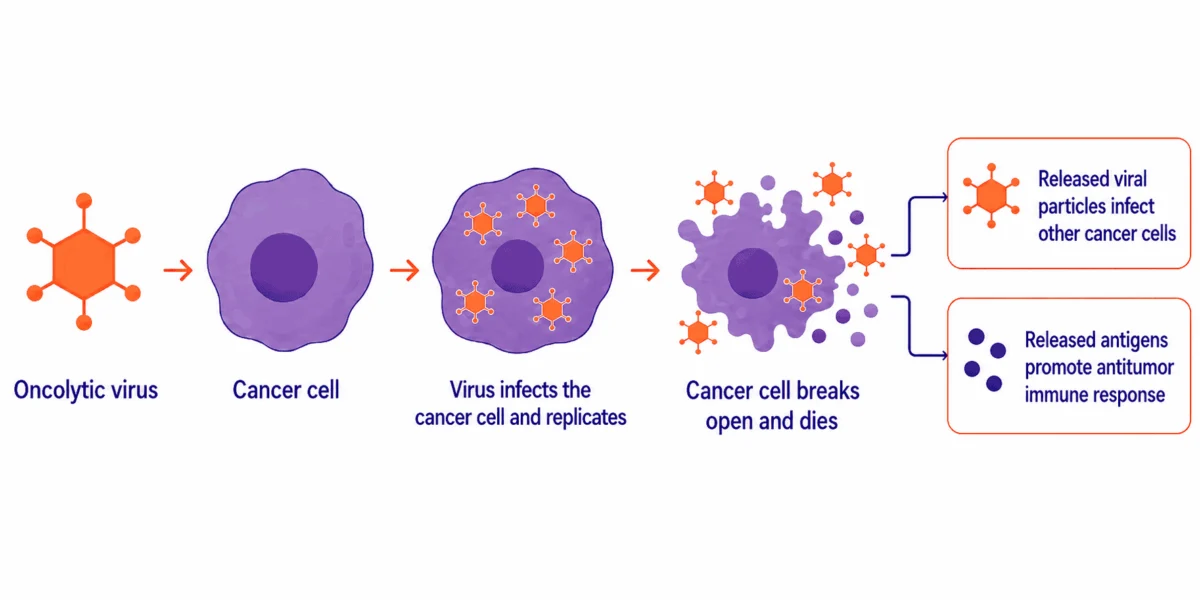
The U.S. Food and Drug Administration (FDA) has granted accelerated approval to Tudriqev (vusolimogene oderparepvec-wtpg, formerly known as RP1), an innovative oncolytic virus therapy, in combination with the immune checkpoint inhibitor nivolumab (Opdivo®). This landmark decision, announced on August 6, 2026, signifies the first new oncolytic virus therapy approval by the FDA in over ten years, offering a crucial new avenue for adults battling unresectable advanced cutaneous melanoma whose disease has progressed following treatment with a PD-1-blocking therapy. This approval underscores a significant advancement in immunotherapy, harnessing the power of modified viruses to combat one of the most aggressive forms of skin cancer.
A New Horizon in Melanoma Treatment
Melanoma, a serious form of skin cancer, originates in melanocytes, the cells that produce melanin. While early detection often leads to successful treatment, advanced or metastatic melanoma, particularly when it becomes unresectable, poses significant therapeutic challenges. Despite remarkable progress with immune checkpoint inhibitors in recent years, a substantial subset of patients experiences disease progression or resistance to these front-line therapies. For these individuals, treatment options are often limited, and the prognosis can be grim. The introduction of Tudriqev, particularly in combination with nivolumab, addresses a critical unmet need for patients who have exhausted standard PD-1 blockade strategies. This approval provides renewed hope, expanding the therapeutic arsenal against a disease known for its complex immunology and resistance mechanisms.
The Science Behind Oncolytic Viruses: Turning Foe into Friend
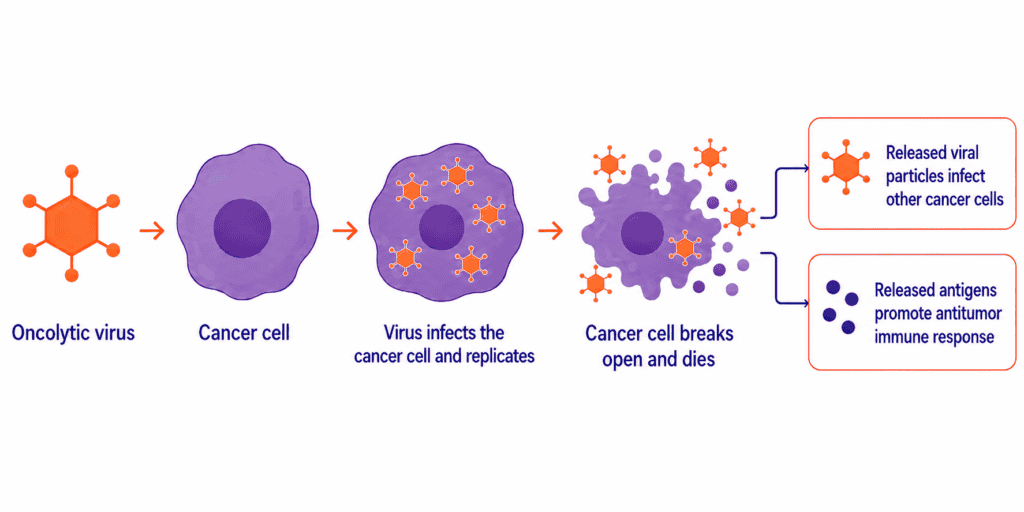
The concept of using viruses to fight cancer, known as oncolytic virus therapy, is a testament to scientific ingenuity. While viruses are typically associated with illness, researchers have meticulously engineered specific viral strains to selectively infect, replicate within, and ultimately destroy cancer cells, while sparing healthy tissue. This targeted destruction is the first line of defense. As the infected cancer cells rupture and die, they release a cascade of tumor-associated antigens and danger signals into the tumor microenvironment. This cellular debris acts as a powerful alarm, attracting and activating the patient’s immune system, effectively "unmasking" the cancer as a foreign threat.
Tudriqev, a genetically modified herpes simplex virus (HSV), exemplifies this dual mechanism. It is designed to directly target and lyse melanoma cells. Crucially, many oncolytic viruses, including Tudriqev, are further engineered to express molecules that amplify this immune response. In the case of Tudriqev, its design aims to enhance the presentation of tumor antigens and stimulate a robust anti-tumor immune reaction. This immune system activation is a key reason for combining oncolytic viruses with other immunotherapies. Immune checkpoint inhibitors like nivolumab work by releasing the natural "brakes" on T-cells, allowing these critical immune cells to mount a more sustained and aggressive attack against cancer. The synergy between Tudriqev’s direct tumor lysis and immune stimulation, coupled with nivolumab’s T-cell potentiation, is believed to create a more powerful and durable anti-cancer effect.
A Century of Discovery: The Evolution of Oncolytic Viruses
The idea of leveraging viruses to combat cancer is not new; it traces its roots back over a century. Early observations in 1904 documented instances of tumor regression in patients concurrently suffering from viral infections. These anecdotal reports sparked scientific curiosity, leading researchers in the 1950s and 1960s to deliberately explore naturally occurring viruses as potential cancer treatments. However, these initial endeavors faced significant challenges. The lack of precise control over viral replication and tropism (the ability to infect specific cell types) raised substantial safety concerns, primarily the risk of widespread viral infection and damage to healthy tissues. The scientific community grappled with the fundamental question of how to ensure viruses selectively targeted cancerous cells without causing undue harm.
A pivotal breakthrough arrived in the 1990s with rapid advancements in genetic engineering. This era ushered in the ability to precisely modify viral genomes, allowing scientists to attenuate virulence (reduce the virus’s ability to cause disease), enhance tumor selectivity, and even engineer viruses to carry therapeutic genes. These modifications were instrumental in addressing the safety concerns of earlier approaches, paving the way for the development of safer and more effective oncolytic virus therapies.

The first major milestone in the modern era of oncolytic virotherapy was achieved in 2015 with the FDA approval of T-VEC (talimogene laherparepvec, Imlygic®). Also a modified herpes simplex virus, T-VEC was approved for certain patients with melanoma, specifically for direct injection into cutaneous and nodal lesions. Its approval validated the concept of genetically engineered oncolytic viruses as a viable therapeutic modality. However, despite this initial success, the field saw no further FDA approvals in this category for over a decade. The accelerated approval of Tudriqev in 2026 therefore represents a significant revitalization of interest and investment in oncolytic virus research, marking a crucial expansion of a still nascent class of cancer immunotherapies. Before Tudriqev, oncolytic viruses constituted only a small fraction of the 156 FDA cancer immunotherapy approvals tracked by organizations like the Cancer Research Institute (CRI), highlighting the limited options in this specific category.
The IGNYTE Clinical Trial: Evidence Behind the Accelerated Approval
The accelerated approval of Tudriqev in combination with nivolumab was based on compelling data derived from the IGNYTE clinical trial. This multicenter, open-label study enrolled 140 adult patients with unresectable advanced cutaneous melanoma. Crucially, all participants in the trial had experienced disease progression after prior treatment with a PD-1 checkpoint inhibitor, a challenging patient population with limited therapeutic alternatives.
The primary efficacy analysis focused on a subset of 91 patients who had at least one tumor that was not directly injected with Tudriqev, allowing for an assessment of the systemic immune response induced by the treatment. In this cohort, 24.2% of patients achieved an objective response to treatment, defined as a predefined reduction in tumor size. Among these responders, the median duration of response was 14.1 months, indicating a meaningful and durable clinical benefit for a significant portion of patients who had previously failed PD-1 therapy. These results, while based on a single-arm trial, were deemed sufficiently robust by the FDA to warrant accelerated approval, given the severity of the disease and the critical need for new treatment options.
Understanding Accelerated Approval: A Pathway for Urgent Needs
Tudriqev received accelerated approval, a regulatory pathway designed by the FDA to expedite the availability of promising new drugs for serious conditions that address an unmet medical need. This pathway allows for approval based on surrogate endpoints or intermediate clinical endpoints that are reasonably likely to predict a clinical benefit. In the case of Tudriqev, the objective response rate and duration of response in a heavily pre-treated melanoma population served as these surrogate markers.
As a condition of accelerated approval, Replimune, the company that developed Tudriqev, is mandated to conduct further research to confirm the clinical benefit of Tudriqev plus nivolumab through a confirmatory trial. Continued approval is contingent upon the results of this post-marketing study, ensuring that the initial promise observed in the IGNYTE trial translates into long-term patient benefit. This mechanism allows patients to access innovative therapies sooner while robust efficacy data are still being gathered.
Patient Impact and Managing Side Effects
For patients with advanced melanoma that has progressed despite PD-1 blockade, Tudriqev offers a vital new treatment option. The ability to harness the body’s own immune system, augmented by a targeted viral attack, provides a different mechanism of action than traditional chemotherapy or even single-agent immunotherapy. This is particularly significant for patients whose tumors may have developed resistance to previous immunotherapies.
As with nearly all potent medical treatments, Tudriqev plus nivolumab can cause side effects. Common adverse events reported in the IGNYTE trial included fatigue, fever, chills, nausea, reactions at the injection site, and flu-like symptoms. Given that Tudriqev is a modified herpes simplex virus, specific warnings accompany its use regarding the potential for herpes infection and the need to prevent accidental exposure to the virus. Patients are strongly advised to engage in thorough discussions with their healthcare team regarding the potential benefits and risks of this combination therapy, as well as strategies for monitoring and managing any side effects. Comprehensive patient guides, such as those provided by the Cancer Research Institute, can also be valuable resources for understanding immunotherapy for melanoma.
Expert and Industry Perspectives
The accelerated approval of Tudriqev has been met with optimism from various stakeholders. While specific official statements are often issued directly by the FDA and the developing company, we can infer the sentiment surrounding such a significant approval.
An FDA spokesperson, if commenting on this development, would likely emphasize the agency’s commitment to facilitating the development and availability of innovative therapies for patients with serious diseases, especially those with limited treatment options. They might highlight the rigorous review process, the scientific rationale behind oncolytic virus therapy, and the importance of the accelerated approval pathway in bringing promising treatments to patients sooner. The need for confirmatory trials would also be underscored, reflecting the FDA’s balanced approach to innovation and patient safety.
Replimune, the developer of Tudriqev, would undoubtedly express profound satisfaction with the approval. A company representative would likely articulate their dedication to advancing the field of oncolytic immunotherapy and their commitment to patients battling advanced cancers. They would likely highlight the scientific rigor behind Tudriqev’s development and the potential for this therapy to transform the treatment landscape for melanoma. Future plans, including the execution of the confirmatory trial and ongoing research into other indications, would also be topics of discussion.
Oncologists and patient advocacy groups are expected to welcome this new option. A leading oncologist specializing in melanoma might comment on the critical need for new mechanisms of action for patients refractory to PD-1 therapy, noting that Tudriqev offers a novel approach that could provide meaningful responses. Patient advocacy groups would likely emphasize the hope this approval brings to patients and their families, stressing the importance of access to such innovative treatments and ongoing support for those undergoing therapy.
Broader Implications and Future Directions
The accelerated approval of Tudriqev is more than just a new drug for melanoma; it represents a significant validation and resurgence of the oncolytic virus therapy field. After a decade without new approvals in this category, Tudriqev’s success is likely to spur further research, investment, and development in this exciting area of cancer immunotherapy.
For most other cancer types, oncolytic viruses currently remain experimental. However, researchers globally are actively investigating how different tumor types respond to these therapies and which combination strategies with other immunotherapies, chemotherapy, or radiation therapy might yield the most effective outcomes. The success of combining Tudriqev with nivolumab strengthens the rationale for combining oncolytic viruses with immune checkpoint inhibitors, suggesting that these therapies can synergistically enhance anti-tumor immunity.
Research networks, such as those supported by the Cancer Research Institute (CRI), are exploring numerous approaches. While approved oncolytic virus therapy in the U.S. is currently limited to melanoma, hundreds of other oncolytic virus candidates are undergoing evaluation for dozens of different cancers in clinical trials worldwide. Scientists are diligently working to identify the specific tumor characteristics that predict a positive response to oncolytic viruses and to pinpoint patient populations most likely to benefit. This ongoing research aims to broaden the applicability of oncolytic virus therapy beyond melanoma, potentially offering new hope for a wider array of cancer patients in the coming years. The approval of Tudriqev serves as a powerful catalyst for this continued innovation, pushing the boundaries of what is possible in cancer treatment.
