
 By Suherman Candra Maholtra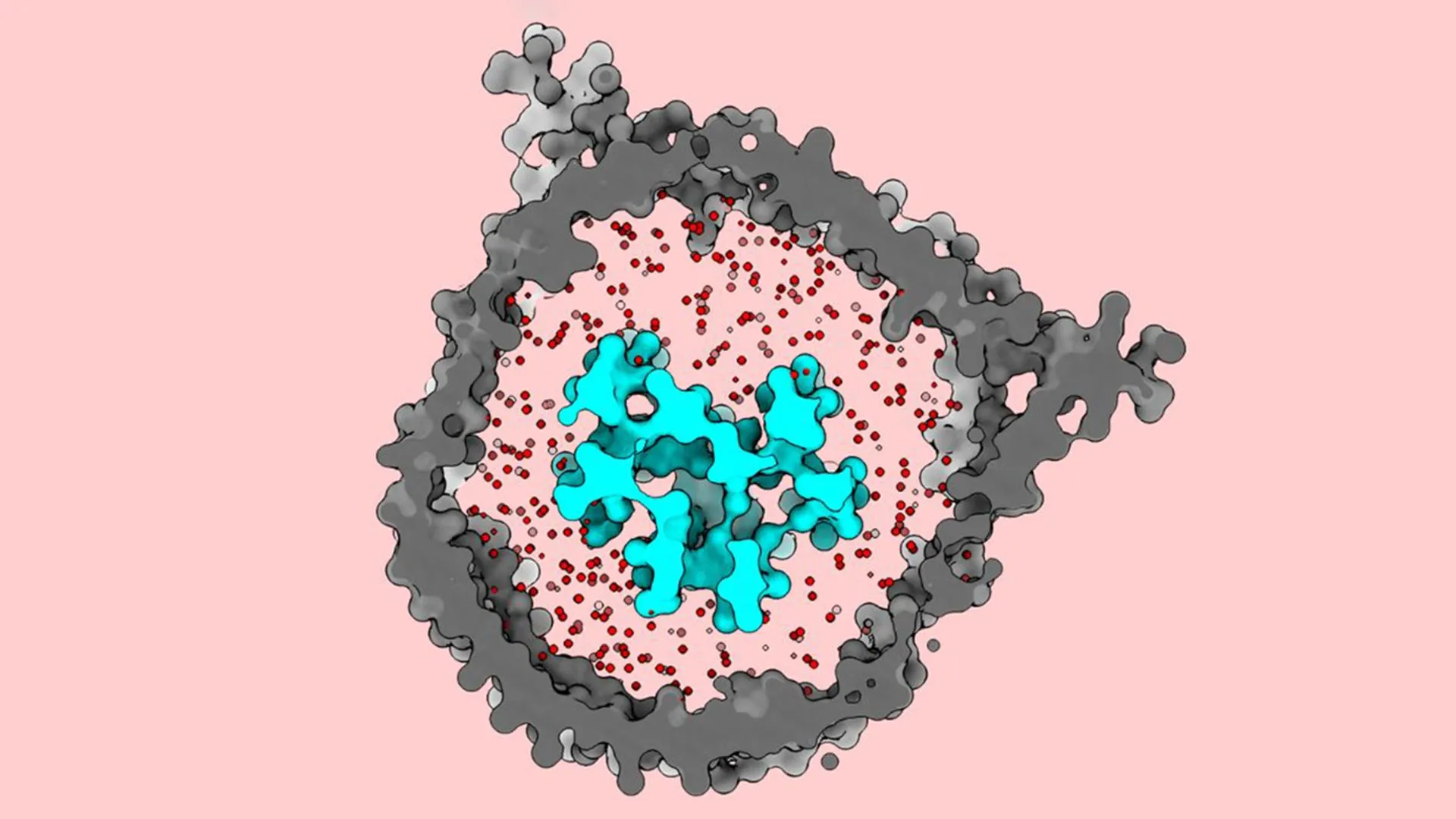
The field of oncology has been transformed over the last decade by the advent of T cell immunotherapy, a therapeutic approach that harnesses the body’s own immune system to identify and eliminate malignant cells. While these treatments have achieved remarkable success in treating certain blood cancers, their efficacy in solid tumors remains limited, and the underlying molecular mechanisms governing their function have remained largely opaque. A groundbreaking study conducted by researchers at The Rockefeller University, recently published in the journal Nature Communications, has finally shed light on this biological "black box." By utilizing sophisticated cryo-electron microscopy (cryo-EM) techniques, the team discovered that the T cell receptor (TCR)—the critical engine of the immune response—functions through a dynamic "jack-in-the-box" mechanism, a finding that contradicts years of previous structural assumptions and opens new avenues for the engineering of next-generation cancer therapies.
The Evolution of T Cell Immunotherapy and the Knowledge Gap
Since the early 2010s, T cell-based therapies, such as Chimeric Antigen Receptor (CAR) T cell therapy and TCR-engineered T cell therapy, have represented the vanguard of precision medicine. These therapies involve extracting a patient’s T cells, genetically modifying them to recognize specific cancer markers, and reintroducing them into the patient’s bloodstream. Once reinfused, these "living drugs" patrol the body, seeking out antigens—foreign or abnormal proteins—displayed on the surface of cancerous cells.
Despite the clinical triumphs of these therapies, particularly in B-cell malignancies, a fundamental question has persisted: How does the T cell receptor actually transmit the signal of antigen detection from the outside of the cell to the inside? In many cases, particularly with solid tumors like sarcomas, the immune system fails to trigger a robust response even when antigens are present. This failure has been attributed to a lack of understanding regarding the TCR’s molecular "modus operandi." Without a blueprint of the receptor’s physical transitions during activation, scientists have been forced to design therapies based on trial and error rather than structural precision.
The Structural Complexity of the T Cell Receptor
The T cell receptor is not a single protein but a highly complex macromolecular assembly embedded within the plasma membrane of the T cell. It consists of multiple subunits that must work in perfect orchestration to detect antigens presented by the Human Leukocyte Antigen (HLA) complex on other cells. This detection is the primary "on-switch" for the adaptive immune system.
For years, structural biologists struggled to capture the TCR in its natural state. The primary challenge lies in the receptor’s environment. Like many membrane proteins, the TCR is hydrophobic and relies on the surrounding lipid bilayer for structural integrity. Early attempts to image the TCR required the use of detergents to extract the protein from the cell membrane. While these detergents allowed scientists to isolate the receptor for study, they often stripped away the essential lipids that stabilize the complex.
Previous cryo-EM studies, conducted using these detergent-based methods, depicted the TCR as an "open" and extended structure, even when it was dormant. This led to the scientific consensus that the receptor did not undergo significant physical changes upon binding to an antigen. However, this model failed to explain how the signal was actually "tripped" to initiate an immune response.
Breakthrough Methodology: Recreating the Native Milieu
The Laboratory of Molecular Electron Microscopy at The Rockefeller University, led by Professor Thomas Walz, a world-renowned expert in cryo-EM imaging, sought to challenge the existing model. The team’s hypothesis was rooted in the belief that the TCR’s behavior is inextricably linked to its lipid environment. To test this, they utilized "nanodiscs"—synthetic, disc-shaped sections of membrane held together by scaffold proteins.
"We can change the biochemical composition, the thickness of the membrane, the tension and curvature, the size—all kinds of parameters that we know have an influence on the embedded protein," explained Walz. This approach allowed the researchers to "rebuild" the TCR’s natural environment in a laboratory setting, ensuring the receptor remained surrounded by the specific lipids found in a living T cell.
The assembly process was grueling. Ryan Notti, the study’s first author and an instructor in clinical investigation in Walz’s lab, noted the difficulty of properly integrating all eight proteins of the TCR complex into the nanodiscs. However, once successful, the team used cryo-EM—a technique that flash-freezes biological samples in a thin layer of vitreous ice—to capture high-resolution images of the receptor in its various states.
The Jack-in-the-Box Discovery
The resulting images provided a radical new perspective on T cell biology. In its dormant state, when no antigen was present, the TCR was observed to be tightly closed and compact. This compact configuration is maintained by the surrounding lipid membrane, which acts as a physical restraint.
However, when the TCR encounters an antigen-presenting HLA molecule, the receptor undergoes a dramatic conformational change. It springs open and extends outward, much like a jack-in-the-box. This mechanical "springing" action is the physical manifestation of the signal being sent into the cell.
"The data that were available when we began this research depicted this complex as being open and extended in its dormant state," said Notti. "But we found that it does, springing open like a sort of jack-in-the-box. The intact membrane keeps the receptor in a closed position until activation occurs."
This discovery suggests that previous studies, which used detergents, inadvertently "triggered" the receptor by removing the membrane’s stabilizing pressure, leading scientists to believe the "open" state was the default. By restoring the lipid context, the Rockefeller team revealed that the receptor is actually a highly sensitive, switchable machine.
Clinical Implications for Sarcoma and Solid Tumors
The implications of this research are particularly profound for patients with sarcomas—cancers of the soft tissue and bone. Ryan Notti, who also serves as a special fellow at Memorial Sloan Kettering Cancer Center (MSKCC), treats patients whose cancers are often resistant to current immunotherapies.
"Re-engineering the next generation of immunotherapies tops the charts in terms of unmet clinical needs," Notti stated. In solid tumors, the T cell receptor often fails to "trigger" because the antigens are either too sparse or the binding affinity is too weak to overcome the receptor’s activation threshold.
By understanding that the TCR is a mechanical switch, researchers can now look for ways to "tune" that switch. For instance, if a patient’s T cells are failing to recognize a sarcoma, scientists might be able to re-engineer the TCR to be more "sensitive," lowering the threshold required for it to spring into its active state. This would allow the immune system to respond to lower concentrations of cancer antigens, potentially making therapies effective for a much wider range of cancer types.
Supporting Data and Future Trajectories in Vaccine Design
Beyond oncology, the Rockefeller study provides a new framework for understanding the fundamental mechanics of the immune system. The high-resolution structures obtained through cryo-EM allow scientists to see the refined details of the interactions between different antigens and the TCR. This level of detail is essential for the field of vaccinology.
When a vaccine is administered, it presents the immune system with a "preview" of a pathogen. The effectiveness of a vaccine depends on how well the TCRs in the body can recognize these presented antigens and mount a memory response. With the new structural data, vaccine designers can analyze how different antigen structures affect the "jack-in-the-box" mechanism. This could lead to the development of vaccines that elicit a more robust or more targeted T cell response, improving protection against viruses and bacteria.
"This information may be used for vaccine design as well," Walz added. "People in the field can now use our structures to see refined details about the interactions between different antigens presented by HLA and T cell receptors. Those different modes of interaction might have some implication for how the receptor functions—and ways to optimize it."
A Landmark Achievement for Basic Science
The study underscores the vital role of basic science in advancing clinical medicine. While the focus of the pharmaceutical industry is often on the final drug product, this research highlights that without a foundational understanding of molecular machinery, progress remains limited.
The TCR is the basis of virtually all oncological immunotherapies, yet as Walz pointed out, the scientific community has been using the system without fully understanding how it works. "This is some of the most important work to ever come out of my lab," Walz remarked, emphasizing the significance of correcting the historical record regarding the TCR’s structure.
The collaboration between The Rockefeller University and Memorial Sloan Kettering Cancer Center exemplifies the "bench-to-bedside" model of medical research. By combining the structural biology expertise of Walz’s lab with the clinical insights of a physician-researcher like Notti, the team was able to address a gap in knowledge that has hindered the treatment of some of the most difficult cancers.
As the scientific community digests these findings, the next phase of research will likely involve "stress-testing" the jack-in-the-box model across different disease states. Researchers will look to see if certain autoimmune diseases are caused by T cell receptors that are "too loose" and spring open too easily, or if other cancers employ mechanisms to keep the receptor "locked" in its closed state. Regardless of the specific application, the roadmap for T cell engineering has been fundamentally rewritten, providing a clearer path toward more effective, universal cancer treatments.
