
 By Suherman Candra Maholtra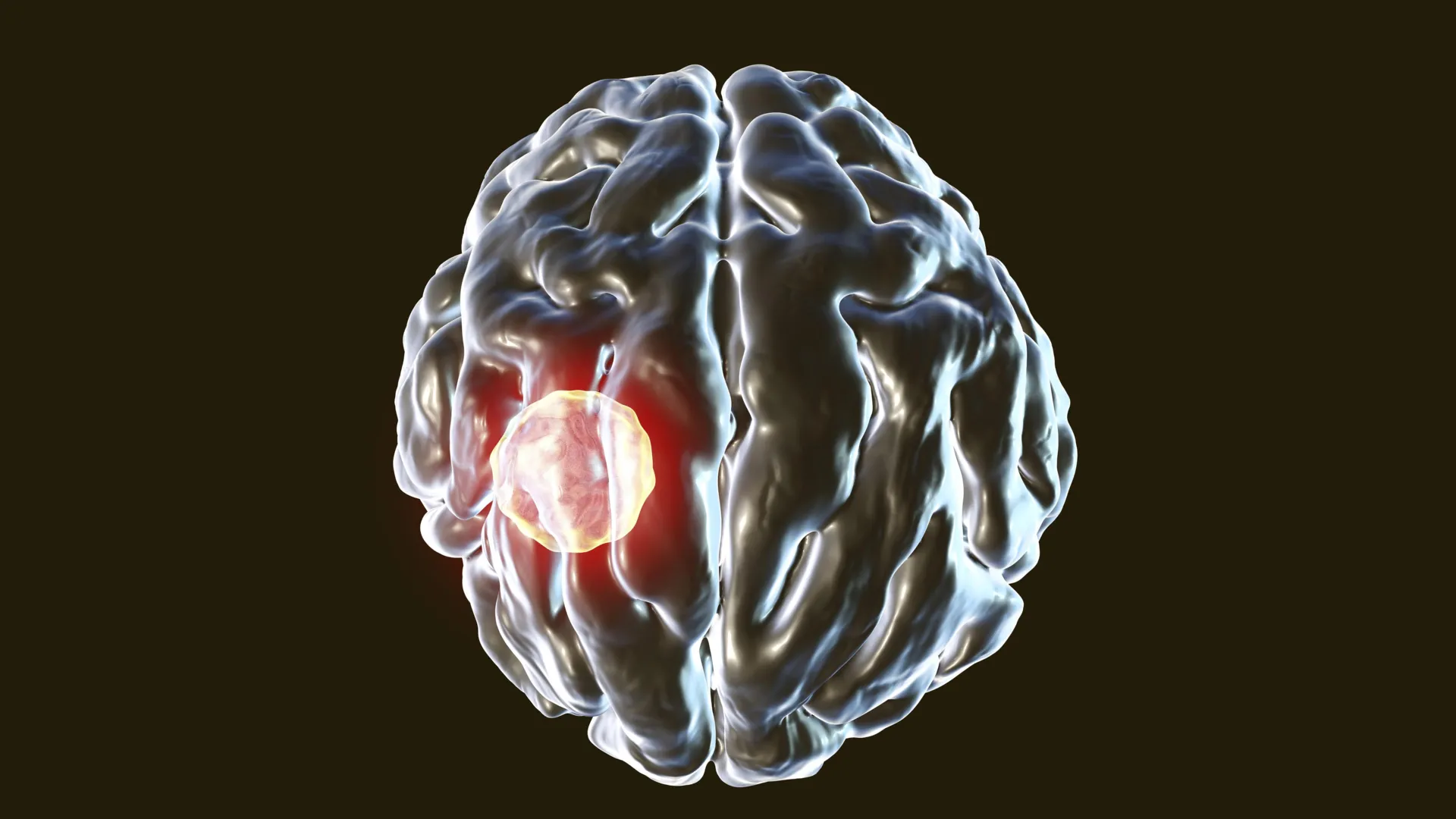
The human immune system is a complex network of specialized cells and signaling pathways designed to identify and eliminate foreign invaders, yet certain pathogens have evolved sophisticated methods to evade or even subvert these defenses. In a groundbreaking study published in the journal Science Advances, researchers at the University of Virginia (UVA) School of Medicine have uncovered a previously unknown mechanism by which the body controls Toxoplasma gondii, a pervasive parasite capable of inhabiting the human brain for a lifetime. The research, led by Tajie Harris, PhD, reveals that the very immune cells tasked with hunting the parasite can themselves become targets of infection, triggering a cellular "self-destruct" sequence that is essential for host survival.
Toxoplasma gondii is an obligate intracellular protozoan parasite that is estimated to infect approximately one-third of the global population. While often associated with domestic cats—the parasite’s only definitive host capable of producing oocysts—human exposure frequently occurs through the ingestion of undercooked contaminated meat or unwashed produce. Once inside a host, the parasite displays a remarkable ability to cross biological barriers, including the blood-brain barrier, eventually forming chronic cysts within neurons. While most healthy individuals remain asymptomatic, the parasite poses a lethal threat to those with compromised immune systems, such as patients with HIV/AIDS, organ transplant recipients, or those undergoing chemotherapy.
The Role of CD8+ T Cells in Neuro-Immunology
The UVA research team focused their investigation on CD8+ T cells, often referred to as "killer" T cells. These specialized white blood cells are the front-line soldiers of the adaptive immune system, responsible for identifying and destroying cells that have been compromised by viruses or intracellular parasites. Under normal circumstances, CD8+ T cells recognize fragments of foreign proteins displayed on the surface of infected cells. Upon recognition, the T cell releases cytotoxic granules containing perforin and granzymes, which induce apoptosis (programmed cell death) in the target cell, thereby halting the replication of the pathogen.
However, Toxoplasma gondii is an exceptionally versatile pathogen. The study highlights a paradoxical scenario: the very cells designed to eliminate the infection are susceptible to being hijacked by it. When Toxoplasma invades a CD8+ T cell, it attempts to use the cell as a sanctuary and a vehicle for further dissemination. This "infection of the hunter" represents a critical vulnerability in the immune response, one that the UVA researchers sought to understand.
"We know that T cells are really important for combatting Toxoplasma gondii, and we thought we knew all the reasons why," explained Dr. Harris, the director of the Center for Brain Immunology and Glia (BIG Center) at the University of Virginia. "T cells can destroy infected cells or cue other cells to destroy the parasite. We found that these very T cells can get infected, and, if they do, they can opt to die."
The Discovery of the Caspase-8 Defense Mechanism
The crux of the UVA study lies in the identification of an enzyme called caspase-8. Caspases are a family of protease enzymes that play essential roles in programmed cell death and inflammation. Caspase-8, in particular, is a "starter" caspase that initiates the extrinsic pathway of apoptosis. The researchers discovered that when a CD8+ T cell is infiltrated by Toxoplasma, caspase-8 acts as a molecular tripwire.
Through rigorous laboratory experiments involving mouse models, the team compared the immune responses of subjects with normal T cell function against those whose T cells lacked the caspase-8 enzyme. The results were definitive. Mice lacking caspase-8 in their T cells were unable to control the spread of the parasite within the brain. Despite mounting what appeared to be a robust initial immune response, these mice suffered from significantly higher parasite loads.
The biological consequence of this deficiency was catastrophic for the subjects. While the control mice remained healthy and managed the chronic phase of the infection, the mice without caspase-8 became severely ill and ultimately succumbed to the parasite. Microscopic examination of brain tissue revealed that in the absence of caspase-8, CD8+ T cells became heavily burdened with the parasite, effectively serving as "Trojan horses" that allowed the infection to proliferate unchecked.
Chronology of Scientific Understanding and Study Methodology
The understanding of Toxoplasma’s interaction with the immune system has evolved over several decades. In the late 20th century, research primarily focused on the role of Interferon-gamma (IFN-γ), a cytokine produced by T cells that activates macrophages to kill the parasite. While IFN-γ remains a cornerstone of the immune response, the UVA study adds a vital new layer to this chronology by demonstrating that the physical integrity and survival of the T cells themselves are regulated by internal enzymatic "fail-safes."
The UVA team’s methodology involved the use of Cre-lox recombination technology to specifically delete the caspase-8 gene only within the T cell lineage. This allowed the researchers to isolate the enzyme’s function in immune cells without affecting its role in other tissues, such as the gut or the liver. By tracking the progression of the infection using bioluminescent imaging and flow cytometry, the team could visualize the parasite’s spread in real-time.
"We scoured the scientific literature to find examples of pathogens infecting T cells. We found very few examples," Dr. Harris noted. This scarcity of data suggests that the caspase-8 mechanism may be so effective that many pathogens have been unable to evolve a way around it. "Now, we think we know why. Caspase-8 leads to T cell death. The only pathogens that can live in CD8+ T cells have developed ways to mess with Caspase-8 function."
Supporting Data and Statistical Context
The global burden of toxoplasmosis is significant, though often underestimated due to its latent nature. In the United States, the Centers for Disease Control and Prevention (CDC) estimates that over 40 million people carry the parasite. In certain regions of Central and South America and Continental Europe, infection rates can exceed 60% to 80% of the population.
Data from the UVA study provided a stark contrast between the survival rates of the experimental groups:
- Survival Rate: 100% of the control mice (with caspase-8) survived the acute phase of infection and transitioned to the chronic, managed phase. 0% of the mice lacking caspase-8 in their T cells survived beyond the initial weeks of infection.
- Parasite Burden: Brain tissue analysis showed a multi-fold increase in the number of Toxoplasma cysts in the caspase-8 deficient models compared to the wild-type controls.
- T Cell Infection Rate: Flow cytometry data indicated that a significantly higher percentage of CD8+ T cells contained live parasites in the absence of the enzyme, proving that caspase-8 is the primary driver of the "self-destruct" mechanism that denies the parasite a host environment.
Broader Implications for Clinical Medicine
The implications of this research extend far beyond the study of a single parasite. By identifying caspase-8 as a critical gatekeeper for T cell integrity, the UVA team has opened new avenues for treating various infectious diseases and potentially even certain types of cancer.
For patients with compromised immune systems, these findings offer a clearer picture of why their bodies fail to contain Toxoplasma. If the caspase-8 pathway is inhibited—either by the pathogen itself or by secondary medical conditions—the immune system loses its ability to prevent the "Trojan horse" effect. This understanding could lead to the development of therapies that enhance caspase-8 activity or mimic its effects, providing a new line of defense for vulnerable populations.
Furthermore, the study sheds light on the broader field of neuro-immunology. The brain was long considered an "immunologically privileged" site, thought to be largely disconnected from the body’s peripheral immune system. However, the work of the BIG Center at UVA continues to demonstrate that the relationship between the brain and the immune system is intimate and dynamic. The ability of T cells to patrol the brain and execute a "suicide mission" to protect neural tissue is a testament to the sophistication of host-pathogen co-evolution.
Official Responses and Collaborative Efforts
The research was a collaborative effort involving several prominent scientists within the UVA Department of Neuroscience and the BIG Center. The team included Lydia A. Sibley, Maureen N. Cowan, Abigail G. Kelly, NaaDedee A. Amadi, Isaac W. Babcock, Sydney A. Labuzan, Michael A. Kovacs, Samantha J. Batista, and John R. Lukens.
The study was supported by extensive funding from the National Institutes of Health (NIH), reflecting the high priority placed on understanding intracellular pathogens and brain health. Additional support was provided by the University of Virginia’s Strategic Investment Fund and various fellowship programs, underscoring the institution’s commitment to pioneering neuro-immunological research.
While the scientific community has reacted with optimism to these findings, experts note that translating these results from mouse models to human clinical applications will require further investigation. The next phase of research will likely involve examining whether human CD8+ T cells utilize caspase-8 in an identical fashion and whether other intracellular pathogens, such as the agents of malaria or certain viral hemorrhagic fevers, are subject to the same immune constraints.
Conclusion: A New Frontier in Parasitology
The discovery that CD8+ T cells utilize a self-destruct mechanism to thwart Toxoplasma gondii redefines our understanding of the battle between the host and the parasite. By sacrificing themselves, these immune cells prevent the brain from becoming an uncontrolled breeding ground for infection. As researchers continue to peel back the layers of this biological standoff, the work of Dr. Harris and her team at UVA Health provides a vital roadmap for future interventions, potentially saving lives and protecting the neurological health of millions worldwide.
The study, titled "Caspase-8 is required for CD8+ T cell-mediated control of Toxoplasma gondii," serves as a reminder of the hidden complexities of the human body and the ongoing arms race between the immune system and the microscopic world. In the fight against toxoplasmosis, the "game over" triggered by caspase-8 may be the host’s most effective strategy for survival.
